


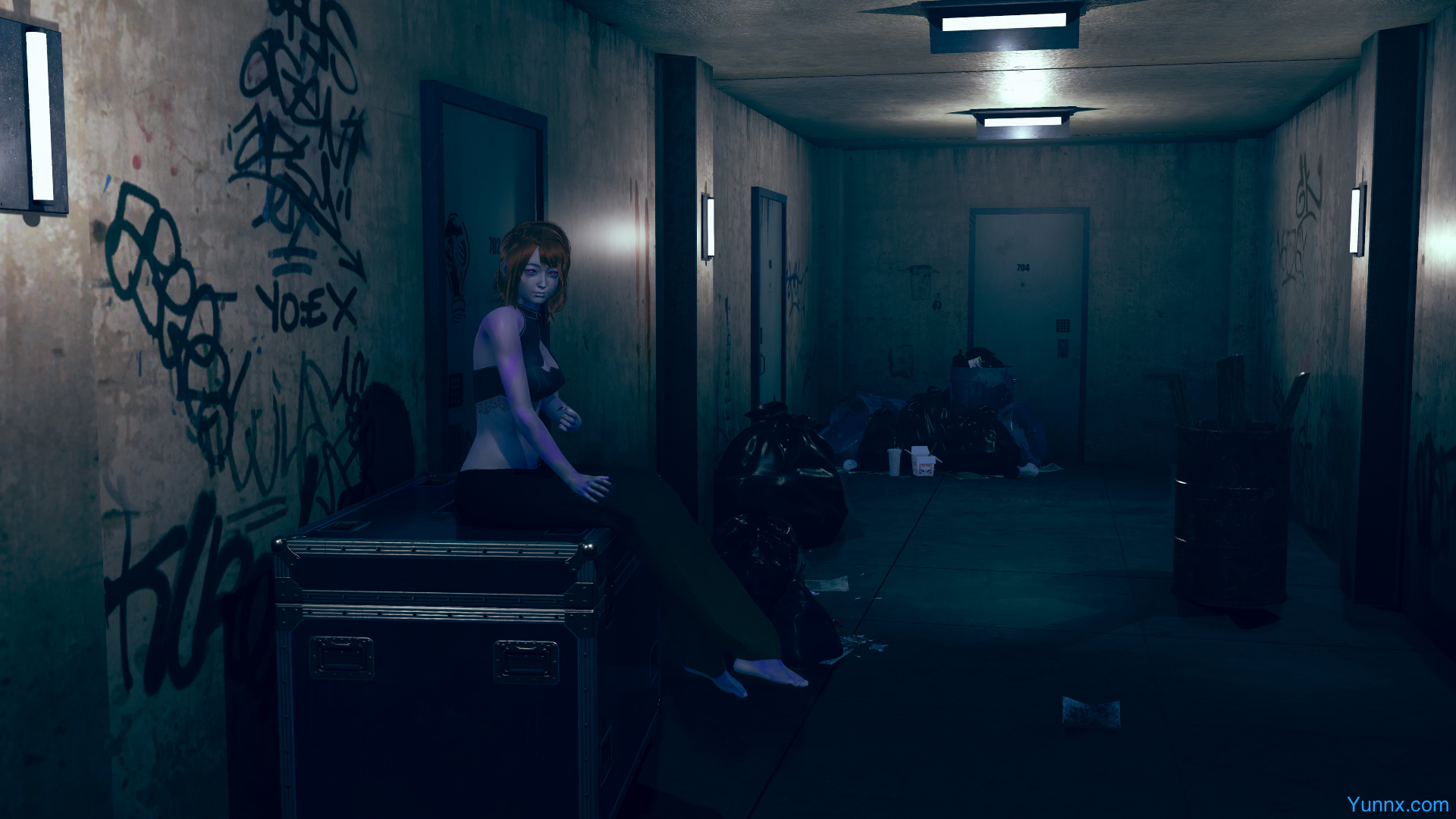
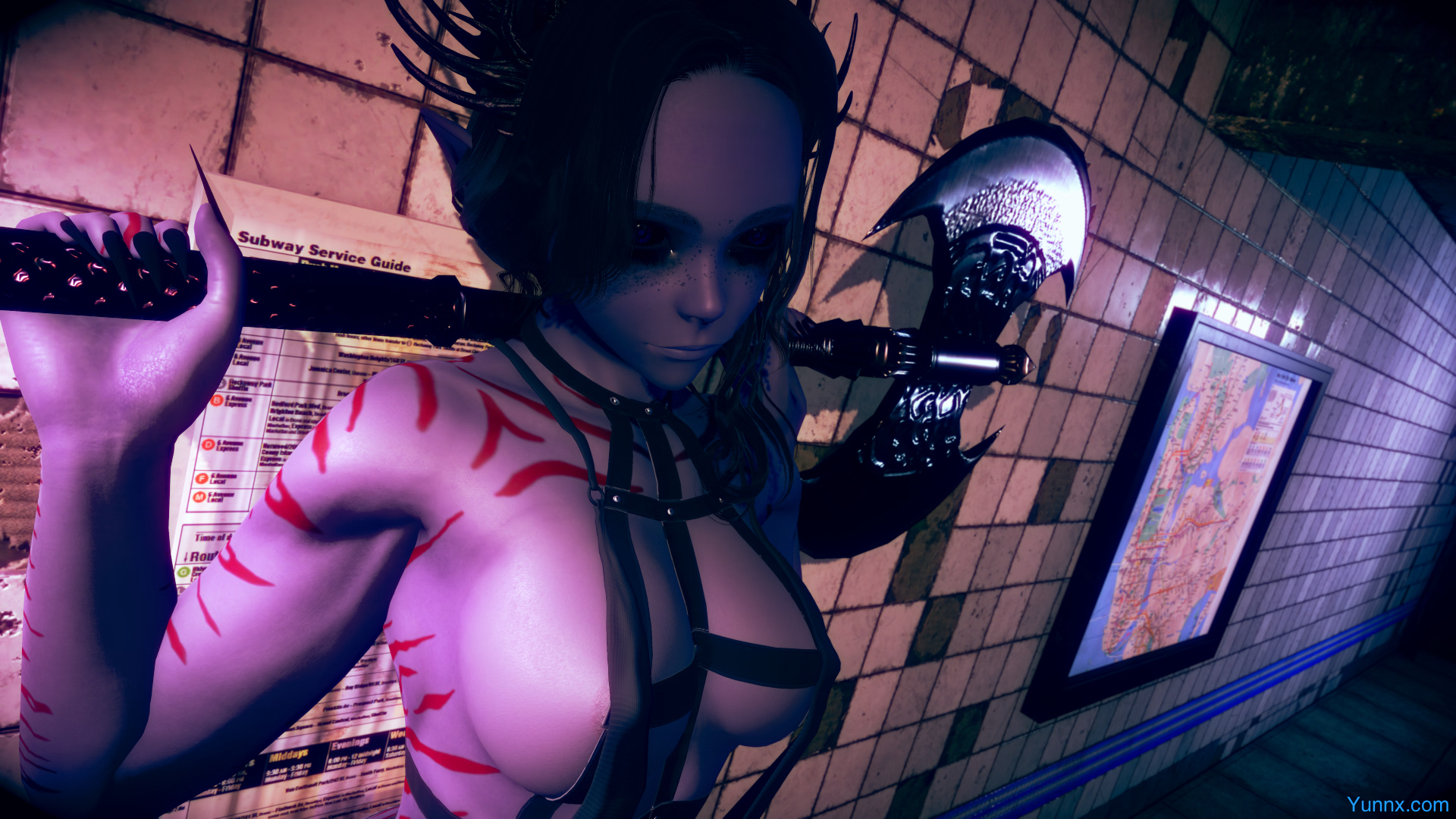
To See Another Day is a narrative-driven survival experience set in a dystopian world where you awaken with no memory, forced to navigate a city ravaged by unknown forces. Alongside your enigmatic companion Ophelia—a woman grappling with her own fractured humanity—you’ll craft tools, combat threats, and forge emotional bonds while unraveling the mystery behind the world’s collapse and your role in it
A World Shrouded in Mystery
1. Dynamic Environmental Storytelling: The decaying city evolves based on your choices, with weather cycles impacting exploration—acid rains damage equipment, while fog conceals hidden pathways. Districts range from derelick industrial zones to overgrown urban forests, each harboring clues about the cataclysm
2. Memory-Loss Mechanics: Your amnesia is woven into gameplay; flashbacks triggered by key locations or items gradually restore skills, unlocking new dialogue options and combat abilities. Ignoring these echoes may lead to permanent narrative branches
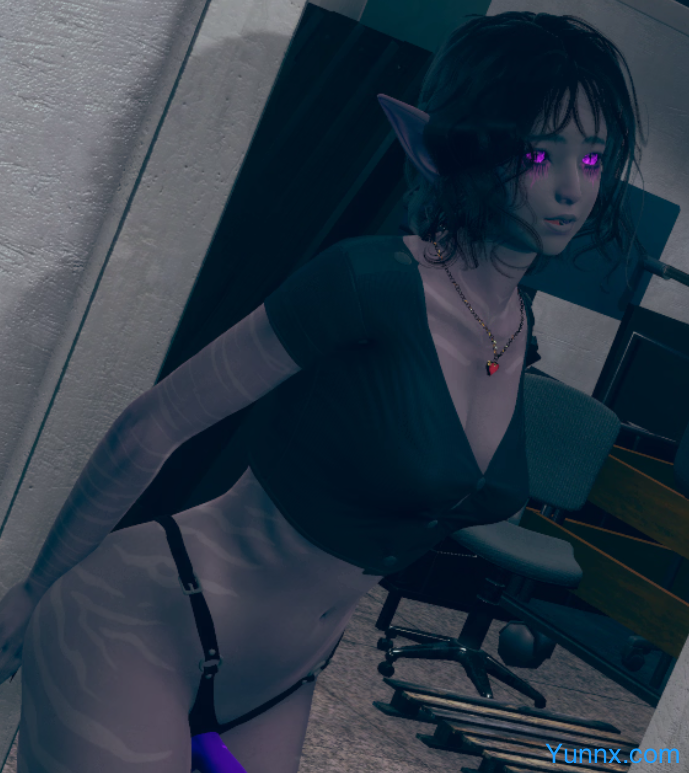
3. Ophelia’s Transformation: As a partially mutated companion, Ophelia’s abilities shift with her humanity—she might sniff out resources using enhanced senses but struggle with emotional triggers. Her trust system opens unique quests, like accessing zones requiring her supernatural traits
Survival Through Crafting and Combat
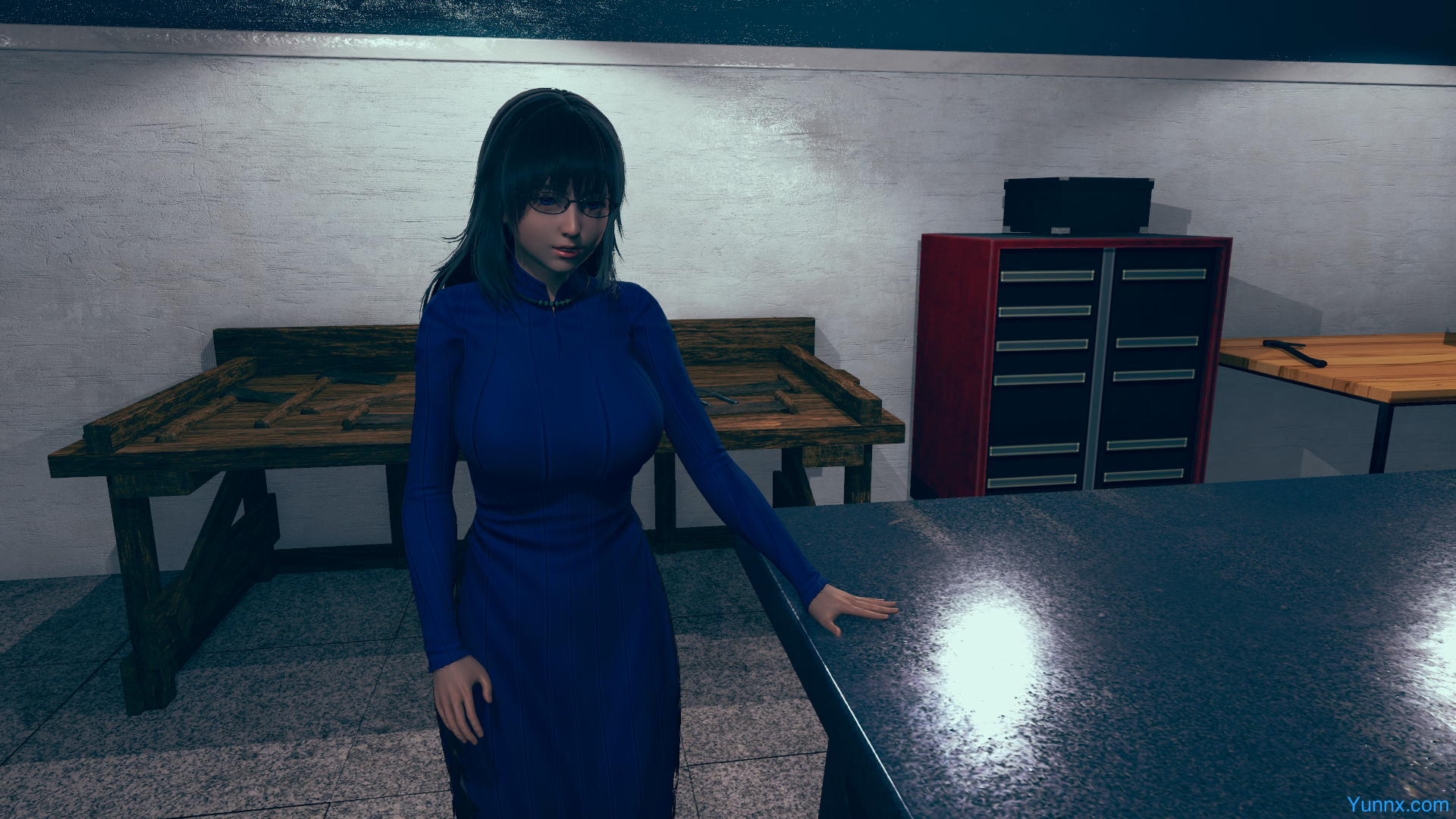
1. Adaptive Crafting System: Scavenge materials to build shelters, weapons, and tools, but resources degrade based on usage. A makeshift knife might break after three encounters, encouraging experimentation with modular upgrades like poison coatings or electrified components
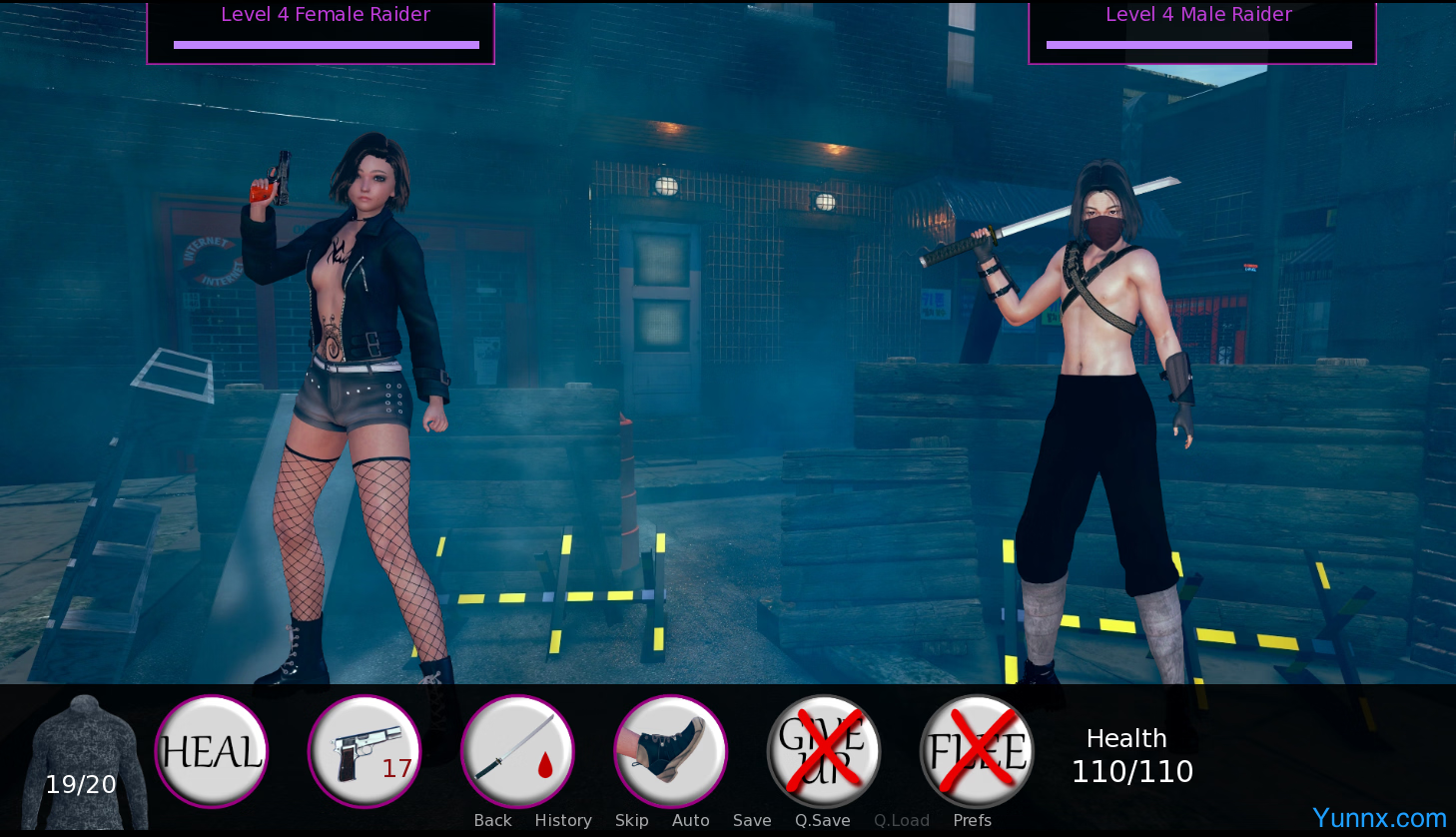
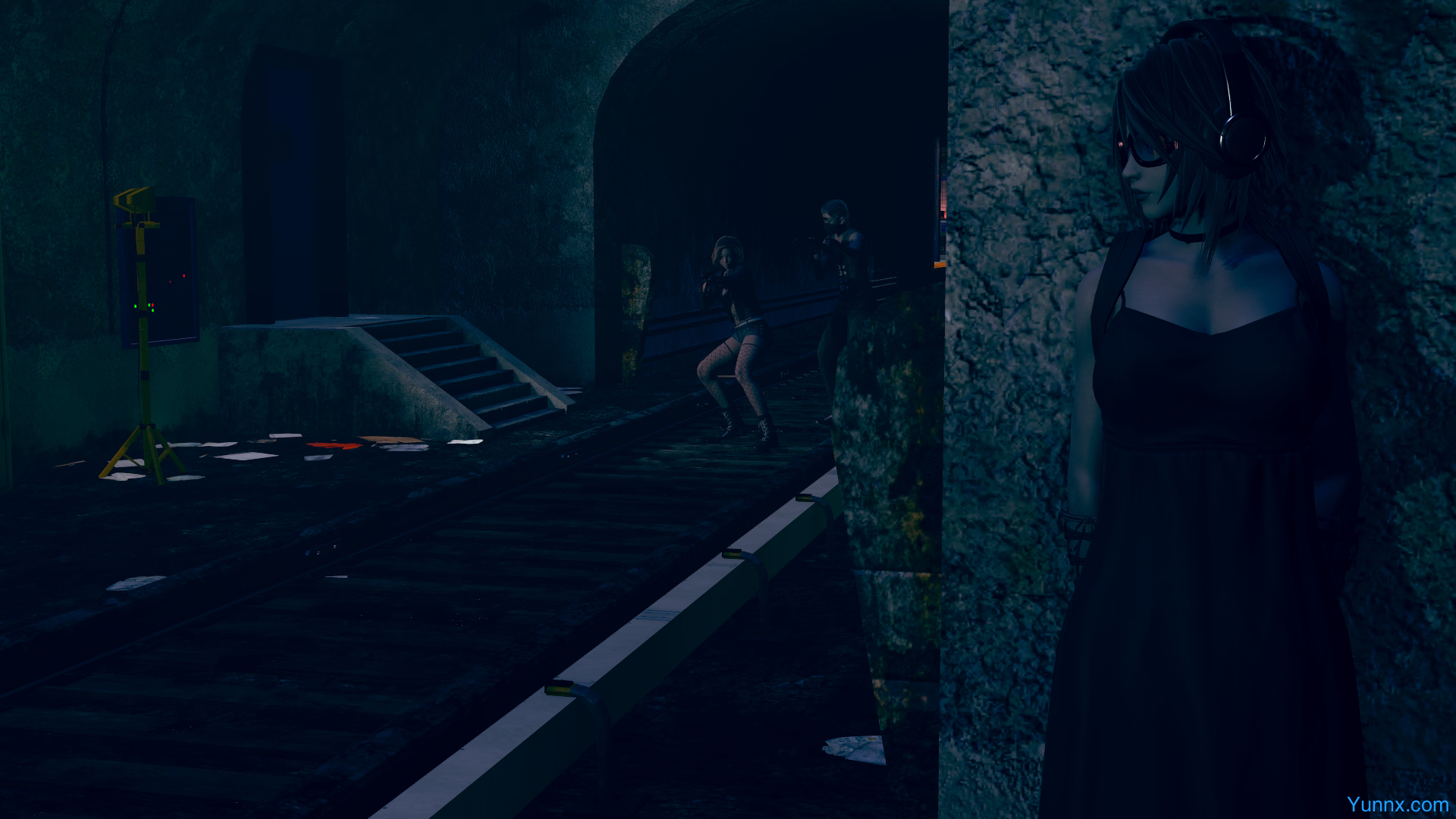
2. Tactical Encounter Design: Combat emphasizes improvisation over brute force—lure enemies into environmental traps or use Ophelia’s distractions to avoid fights altogether. Enemy AI reacts to your playstyle, becoming more aggressive if you rely heavily on stealth
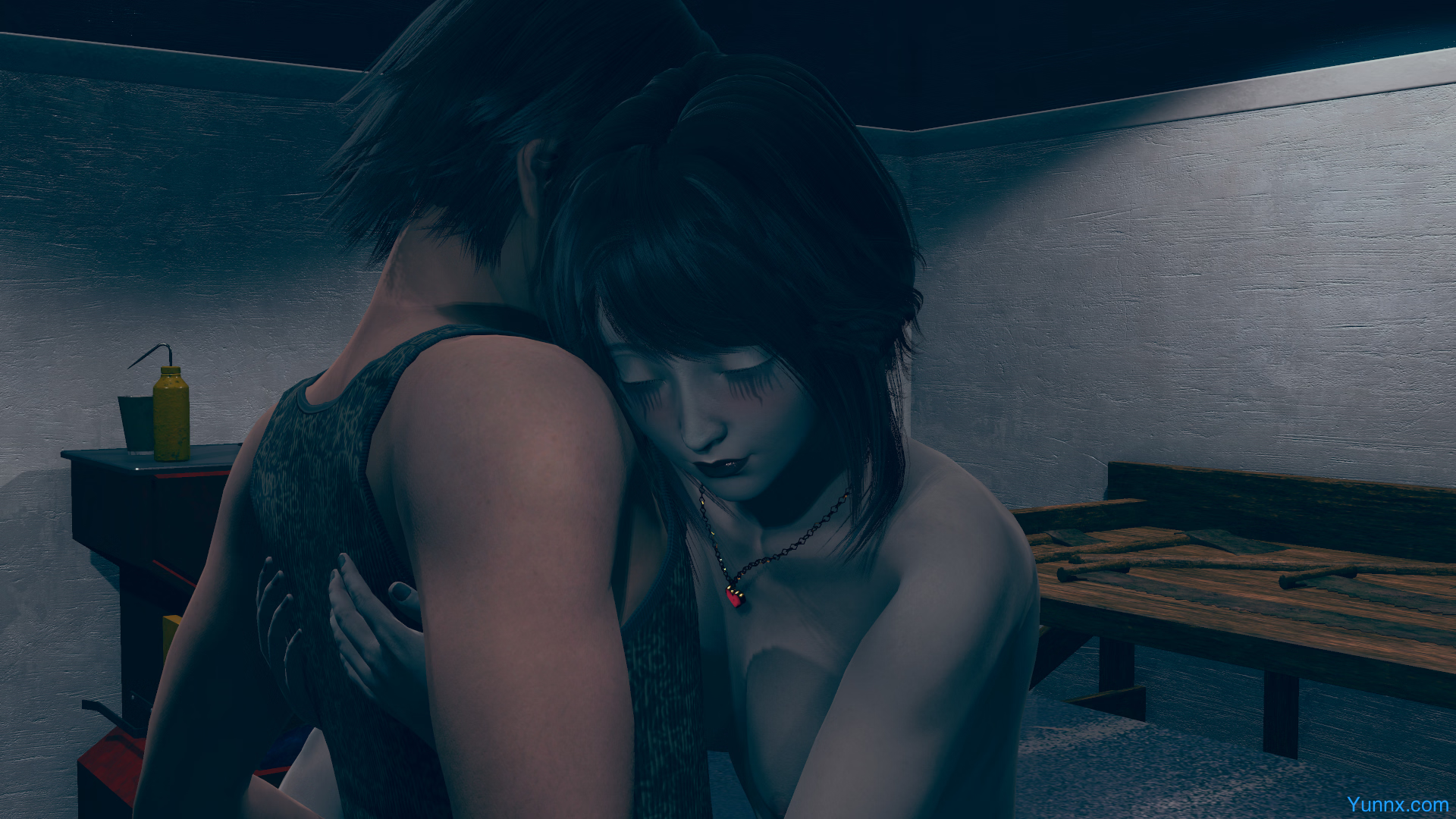
3. Romance as a Gameplay Element: Deepening bonds with Ophelia unlocks cooperative combat synergies, such as synchronized attacks or shared healing. Romantic choices influence her mutation path, leading to endings where she embraces her humanity or fully transcends it
Branching Narratives and Replayability
1. Morality-Driven Quests: Decisions during key events—like sacrificing survivors to save resources or aiding factions—alter city dynamics. Helping a scavenger group might grant safe havens but provoke hostility from rivals, locking out entire story arcs
2. Multilayered Mystery: The central plot intertwines with side stories of other inhabitants, each revealing fragments of the truth. Piecing together logs, dreams, and Ophelia’s cryptic hints requires cross-referencing clues, with false leads potentially leading to dead ends
3. Ending Variations: Twelve possible endings reflect your relationships, moral alignment, and discovery of secrets—from redeeming the world alongside a humanized Ophelia to escaping alone while she succumbs to mutation. New Game+ allows revisiting pivotal choices with retained skills
Technical Excellence and Accessibility
1. Atmospheric Visuals: The game employs a stylized noir aesthetic, with flickering neon lights contrasting against desaturated ruins. Dynamic lighting highlights hidden interactables, rewarding observant players
2. Platform Optimization: Available on Steam and GOG, supporting 60 FPS on mid-tier PCs and cloud saves for seamless progress. Interface customization includes scalable text for readability during tense moments.
3. Community-Driven Development: Inspired by player-centric platforms like Humble Bundle[^1], the developers plan post-launch updates adding modular difficulty settings and additional companion backstories based on feedback.