
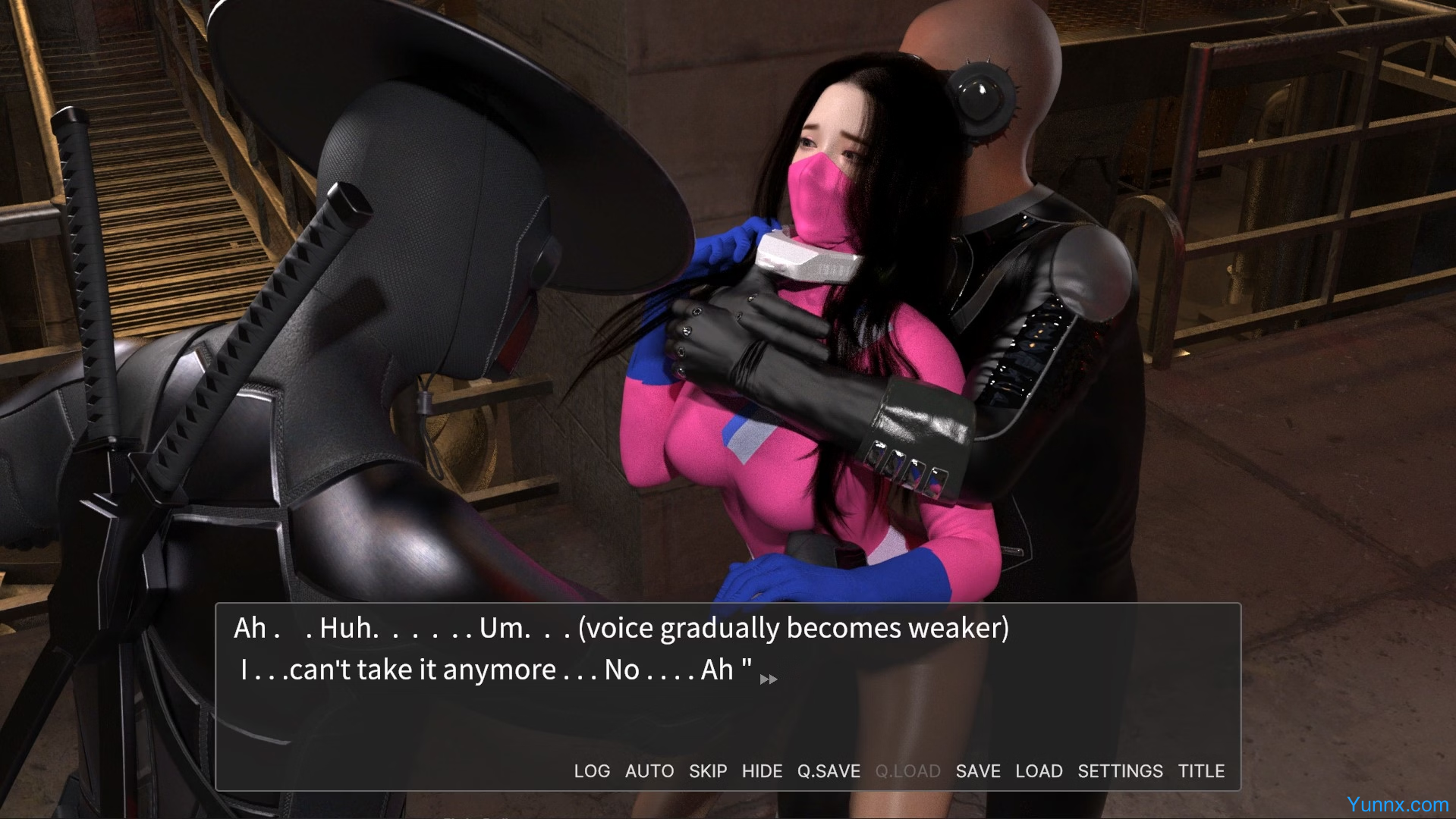



Violet Ace Extreme Resistance is a hero-based tactical shooter where players embody Violet Ice, the sole successful subject of Dr. Q’s enhancement program. As Ami City’s protector, she must defend against Akai and her team of augmented criminals in intense 1v4 asymmetric battles. Strategic ability usage, environmental exploitation, and dynamic hero-villain mechanics define this struggle for justice amid betrayal .
Game World & Narrative
The game unfolds in Ami City, a metropolis grappling with the consequences of flawed human enhancement experiments. Dr. Q’s initiative to restore hope through biotechnology backfires, creating a landscape where morality blurs and conflicts escalate into full-scale urban warfare.
1. Dual Perspectives: Experience the story from both Violet Ice’s viewpoint as a hero misunderstood by the public she saves, and Akai’s perspective as a resentful genius manipulating criminals to exact revenge. This duality adds depth to the overarching narrative of scientific ethics and personal vendettas.
2. Evolving Antagonists: Akai’s recruited criminals—each transformed by rogue experiments—develop unique personalities and abilities over time. Their interactions reveal fragmented memories and motivations, making them more than mere villains and adding layers to the plot.
3. Environmental Storytelling: Ami City’s districts reflect the chaos caused by the experiments. Abandoned labs, corrupted public spaces, and interactive elements (e.g., Dr. Q’s hidden logs) allow players to uncover backstory through exploration rather than cutscenes alone.
Core Gameplay Mechanics
The game combines fast-paced combat with strategic team coordination, emphasizing ability synergy and real-time adaptation. Matches are designed to reward tactical creativity rather than pure aggression.
1. Asymmetric Hero System: Violet Ice operates as a solo powerhouse with enhanced mobility and precision-based skills (e.g., thermal sniper rifle, cryogenic traps). In contrast, Akai’s squad relies on combo-driven tactics—such as staggered crowd control and synchronized assaults—to overwhelm her.
2. Dynamic Mission Objectives: Beyond simple elimination, scenarios include escorting civilians, dismantling Akai’s experimental devices, or reclaiming zones infected by mutagenic effects. Objectives shift mid-match based on player actions, preventing repetitive gameplay.
3. Environmental Hazards & Interactions: Manipulate the battlefield by triggering short circuits in power grids, collapsing structures, or releasing temporary mutagenic clouds that alter abilities. This encourages spatial awareness and improvisation beyond direct combat.
Characters & Progression
Each character boasts a distinct skill tree and upgrade paths influenced by Dr. Q’s biotechnology theme. Unlockable perks and customizations allow for deep personalization of playstyles.
1. Violet Ice’s Ability Tree: Specialize in stealth (e.g., cloaking fields, silent movement) or direct confrontation (e.g., area-of-effect ice bursts, barrier projections). Her upgrades reflect Dr. Q’s original intent—balancing defense with surgical strikes.
2. Akai’s Criminal Squad: The three enhanced criminals possess synergistic skills: one specializes in disruption (e.g., toxic emissions), another in brute force, and the third in support (e.g., healing mutagen). Their collective power grows when coordinating attacks.
3. Unlockable Lore & Cosmetics: Complete challenges to access archival footage of Dr. Q’s experiments, alternate costumes reflecting characters’ pre-experiment lives, and weapon skins tied to Ami City’s culture. This rewards both exploration and mastery.
Unique Features & Replayability
Violet Ace Extreme Resistance stands out with systems that emphasize player agency and evolving content. Its core loop ensures no two matches feel identical.
1. Adaptive AI Director: Akai’s squad employs AI that learns from player habits. If Violet Ice frequently uses sniper positions, enemies may deploy smoke screens or flanking routes to counter her, demanding constant strategy shifts.
2. Morality-Driven Endings: Key decisions during missions—such as sparing defeated foes or prioritizing civilian rescue—affect the story’s outcome, unlocking one of three final confrontations with Akai and unique epilogues.
3. Procedural Event System: Random events like mutagenic storms or rogue experiment outbreaks occur mid-match, forcing both sides to adapt objectives on the fly. This system is integrated with seasonal updates to maintain long-term engagement.