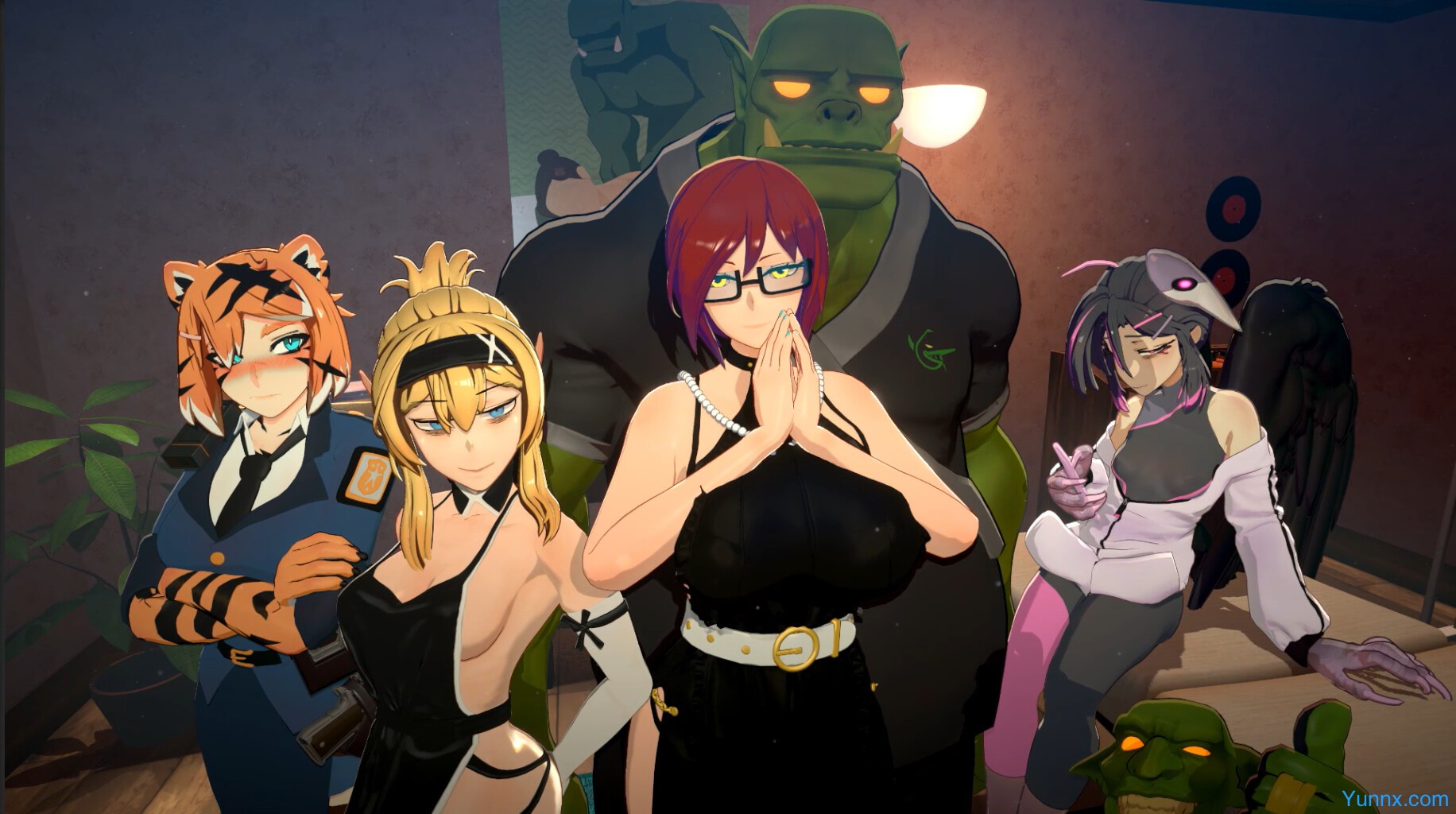




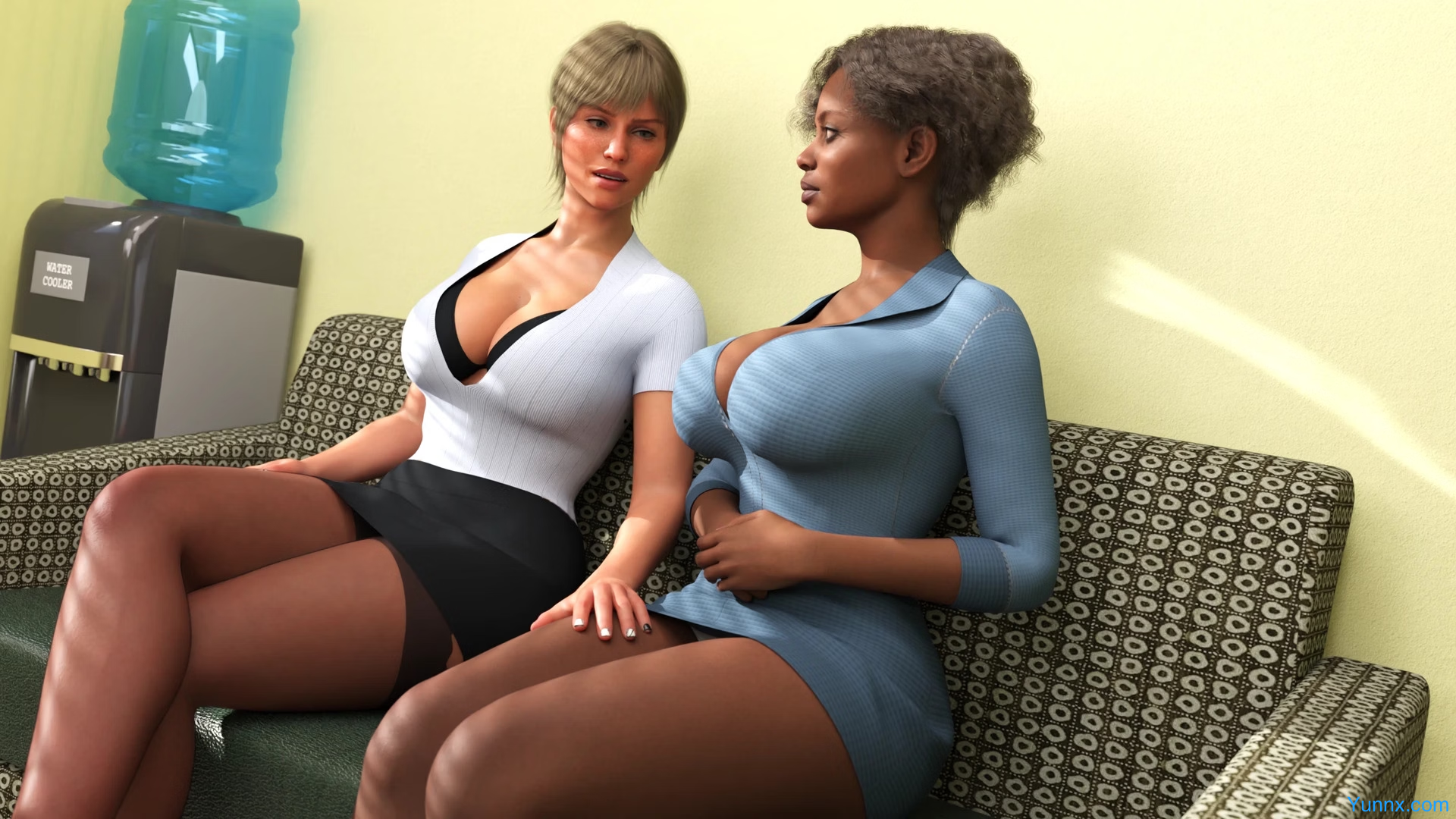
Alternative Shemevolution reimagines the 2032 sexual revolution—a world where gender roles blurred radically, medicine advanced gender reassignment, and societal norms flipped. Follow a content trans woman professor whose life shatters when unexpected twists force her to confront identity, desire, and relationships across “futa on male,” “futa on female,” and “futa on futa” dynamics.
A World Redefined: Gender, Medicine, and the Revolution’s Legacy
1. Blurred Lines, Not New Labels: Unlike futures that added genders, 2032’s revolution focused on dissolving rigid male/female roles. Workplaces, schools, and homes now prioritize flexibility—parental leave applies to all, fashion rejects “men’s”/“women’s” sections, and media celebrates fluidity. This shift isn’t utopian; debates rage over “how far is too far,” with traditionalists and progressives clashing in politics and culture.
2. Medical Breakthroughs, Personal Journeys: Gender reassignment surgeries (GRS) are routine, safe, and covered by most insurance. But the tech isn’t just physical—neuro-adjustment therapies help align brain chemistry with gender identity, reducing dysphoria. Yet, not everyone seeks GRS: some embrace fluidity, while others reject labels entirely. This diversity creates a society where “what are you?” is a conversation starter, not a judgment.
3. Cultural Shifts, Unintended Consequences: The revolution’s radicalism brought freedom but also friction. Art and media explode with works exploring “post-gender” love, while religious groups push back against “erasing biology.” Your professor character navigates this—lecturing on “Gender in the Modern Era” while facing critiques from both sides. The world feels alive, with news headlines, social media trends, and local gossip reflecting these tensions.
A Life Unraveled: The Professor’s Stable World Meets Chaos
1. Dr. Elara Voss: A Life of Balance: You play Elara, a 38-year-old trans woman and tenured sociology professor. By day, she lectures on gender fluidity; by night, she cooks for her boyfriend, Leo—a cis man who adores her. Colleagues respect her research; students call her “inspiring.” Her life is a model of post-revolution harmony… until a mysterious package arrives: a decades-old journal linking her to a forbidden 1990s gender study, threatening to expose secrets that could ruin her career—and her relationships.
2. Unexpected Twists: Secrets, Lies, and New Desires: The journal’s contents are explosive. It suggests Elara’s GRS wasn’t just personal—it was part of a covert experiment to “perfect” gender transition. Suddenly, strangers approach her with questions: “Do you remember the pain? The regret?” Meanwhile, Leo starts acting distant, and a fiery graduate student, Jax (non-binary), challenges Elara’s views on “stable” identity. Her once-calm life spirals into a quest for truth—and self-discovery.
3. Identity Under the Microscope: Elara’s journey forces her to re-examine everything. Was her contentment with her gender genuine, or a product of the experiment? Does her love for Leo (cis) conflict with her advocacy for fluidity? These questions aren’t just plot devices—they mirror the game’s core theme: What makes us “us”? As Elara digs deeper, players grapple with these issues alongside her, making every revelation feel personal.
Relationships & Dynamics: Exploring “Futa” as a Spectrum of Desire
1. “Futa on Male”: Power, Vulnerability, and Connection: Relationships with cis men (like Leo) take on new layers. Futa characters (trans women with male genitalia) challenge traditional “male/female” dynamics—Elara, for example, balances confidence in her identity with moments of insecurity about how partners perceive her body. These interactions explore consent, communication, and the fluidity of desire, avoiding stereotypes.
2. “Futa on Female”: Intimacy Beyond Labels: Jax, the non-binary grad student, introduces Elara to relationships with cis women. Here, “futa” (trans) and “female” identities blur further—Jax identifies as neither, yet craves physical and emotional closeness that defies categorization. These scenes focus on emotional intimacy: shared vulnerabilities, debates over gender’s role in love, and the joy of connection without boxes.
3. “Futa on Futa”: Community, Complexity, and Self-Acceptance: The game’s deepest relationships form between futa characters. Elara bonds with Mara, a fellow trans professor who underwent GRS later in life. Their romance is tender but charged—they navigate societal prejudice together, while exploring how their bodies (and pasts) shape their desire. These dynamics highlight community: futas supporting futas, sharing stories, and redefining “normal” on their own terms.