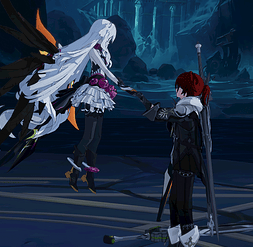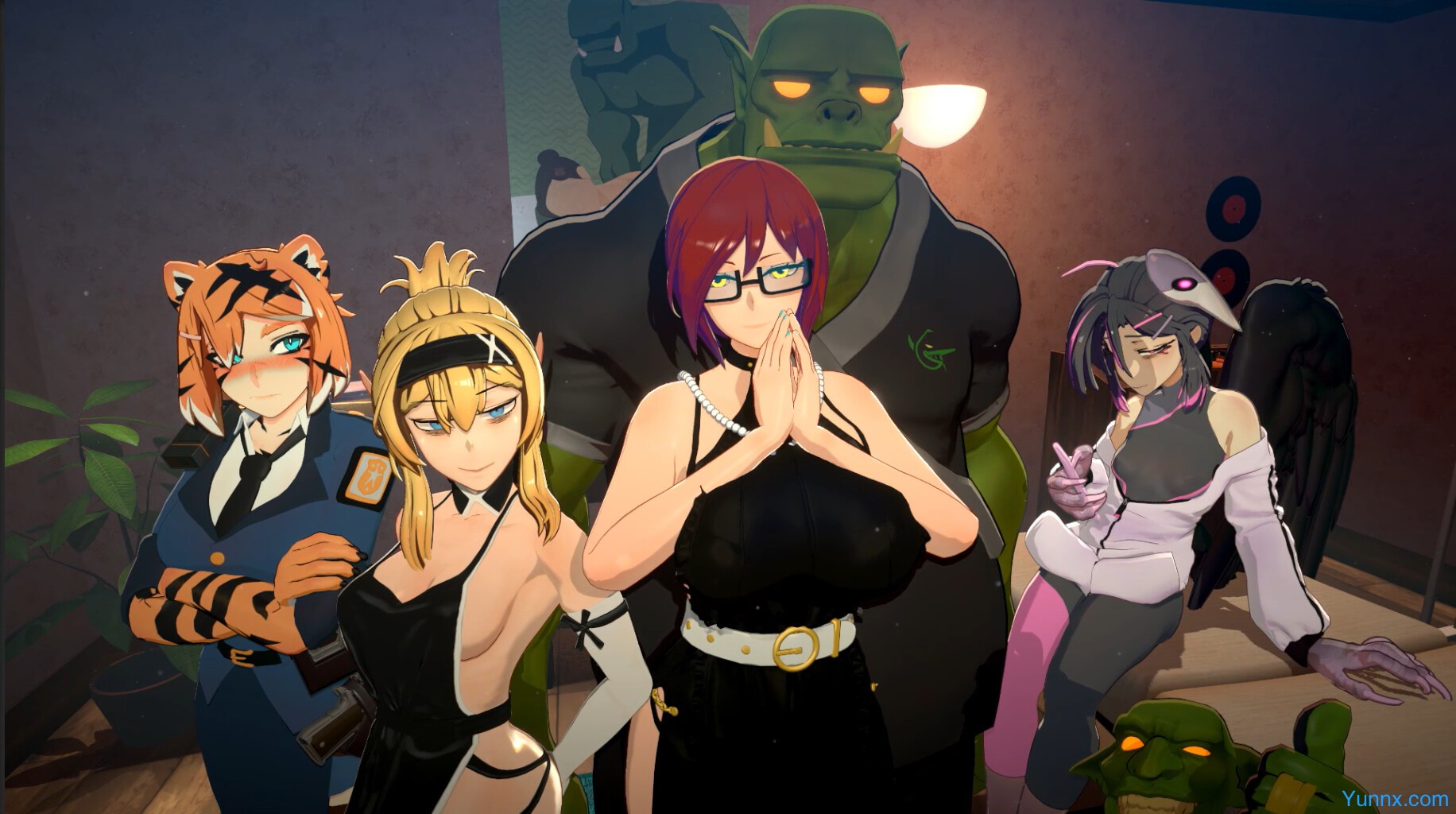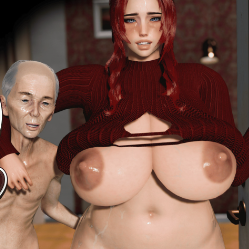




Corruptor Princess unfurls a dark fantasy epic where humanity’s hard-won peace crumbles under the wrath of Arisa, the reborn Demon Princess. Decades after demons were vanquished, her resurrection sparks a relentless crusade: to corrupt nations, shatter morals, and reduce the holy kingdom—built on her father’s ashes—to ruin. A tale of vengeance, decay, and the fragility of order, where every choice inches the world closer to darkness… or redemption.
The Fall of Peace: A World Unraveling
1. Victory’s Hollow Legacy: After the Great Demon War, humanity thrived—cities bloomed, faith in the “Usurper Hero” soared, and the Holy Kingdom of Lumina became a beacon of order. But peace masked a festering wound: the hero’s triumph was built on the demon king’s execution, leaving his daughter, Arisa, buried in shadow. Now, her return isn’t just a threat; it’s a reckoning.
2. Arisa: Vengeance Incarnate: Reborn into a human body, Arisa retains the fury of her demonic lineage. Her eyes burn with the memory of her father’s death, and her mission is clear: “No more kings. No more heroes. No more Lumina.” She doesn’t just want destruction—she wants to make humanity feel the pain of loss, to watch their precious morals crumble like ash.
3. The Spark Ignites: Arisa’s first move is subtle: a whispered lie to a village elder, a cursed touch on a pious knight. Chaos follows—farmers turn on their lords, merchants hoard food while children starve, and even the clergy question their faith. The Holy Kingdom’s walls, once unbreakable, now crack under the weight of distrust.
Corruption’s Grip: Morals, Society, and Survival
1. The Anatomy of Decay: Arisa’s power doesn’t just destroy—it perverts. She targets the vulnerable: a grieving mother is tempted to abandon her child for power; a blacksmith trades his honesty for strength. Villages that once sang hymns now chant her name, their wells poisoned with despair. It’s not magic—it’s psychological warfare, weaponizing humanity’s own fears.
2. Resistance or Complicity?: Not everyone falls. A ragtag group of survivors—led by Kael, a disgraced knight, and Liora, a priestess who still believes in Lumina—seeks to stop Arisa. But their methods are harsh: executing the corrupted, burning villages to “purge” her influence. Do you join them, risking innocent lives? Or walk Arisa’s path, embracing the darkness to end her reign?
3. The Cost of Power: Every alliance has a price. Allying with Arisa grants access to her demonic abilities—summoning shadow beasts, twisting minds—but each use erodes your humanity. Helping the resistance means making brutal choices: sacrificing a friend to save a village, or letting corruption spread to protect the greater good. There’s no “right” path—only survival… and guilt.
A Realm of Moral Ambiguity: Choices That Shape the Story
1. Branching Narratives, Unforgettable Stakes: Every decision ripples. Spare a corrupted child, and they might grow to betray you; execute them, and their family becomes a nest of resentment. Arisa herself reacts to your choices: show weakness, and she toys with you; defy her, and she escalates her cruelty. No two playthroughs unfold the same way.
2. Character Depth Beyond Good vs. Evil: Arisa isn’t a one-dimensional villain. Flashbacks reveal her father’s love for humanity, and her own grief at being abandoned. Kael, the “heroic” knight, harbors a secret: he once served the demon king, and his hatred for Arisa masks guilt. Even Liora, the devout priestess, questions her faith when Lumina’s teachings fail to stop the corruption. These layers make every interaction charged with emotion.
3. Atmospheric Immersion: The game’s art style blends gothic fantasy with gritty realism—crumbling cathedrals draped in shadow, villages lit by flickering torches, and Arisa’s form shifting between human fragility and demonic might. The soundtrack shifts from haunting choirs (during Arisa’s monologues) to dissonant strings (as corruption spreads), amplifying the tension.