

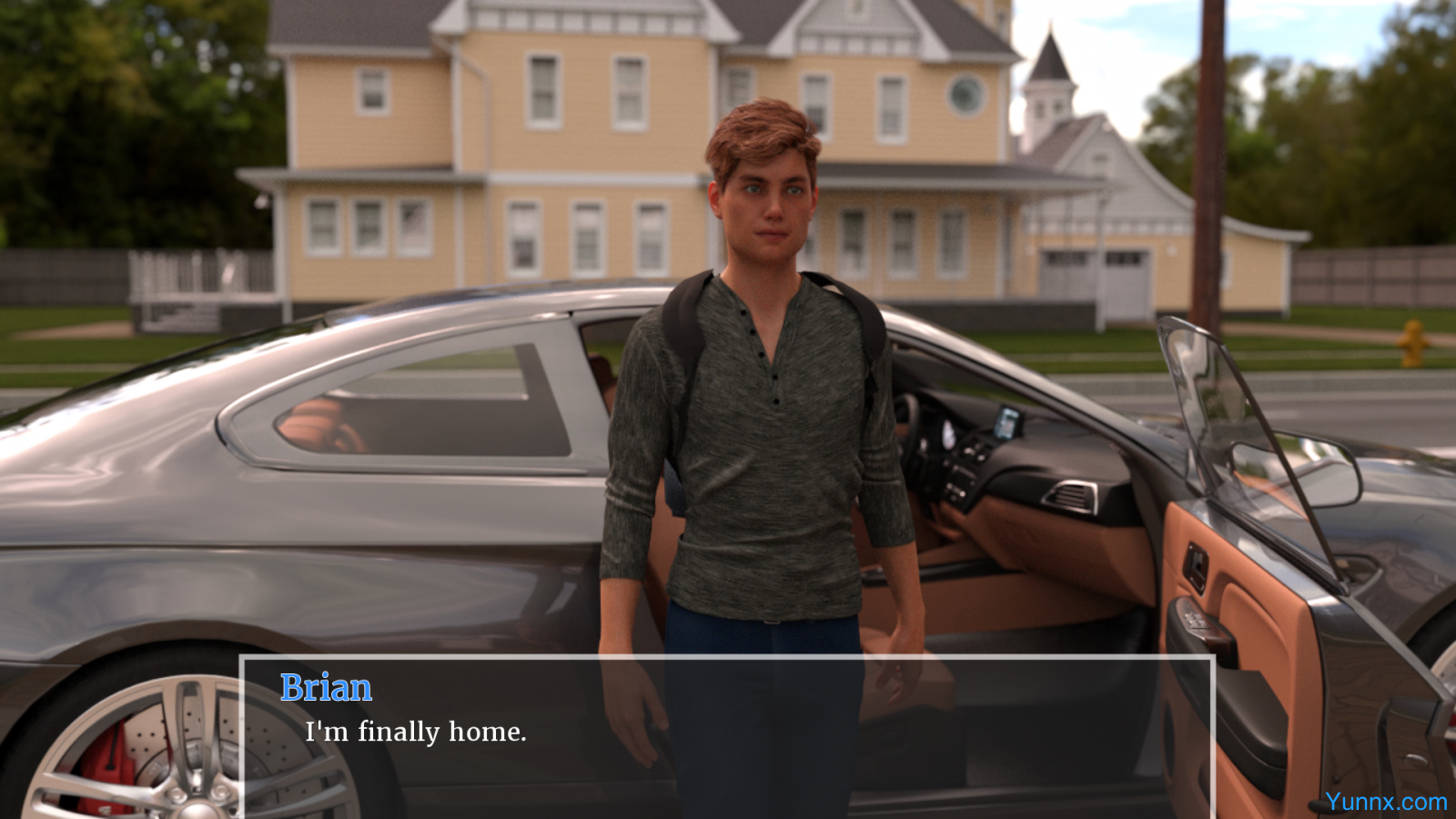
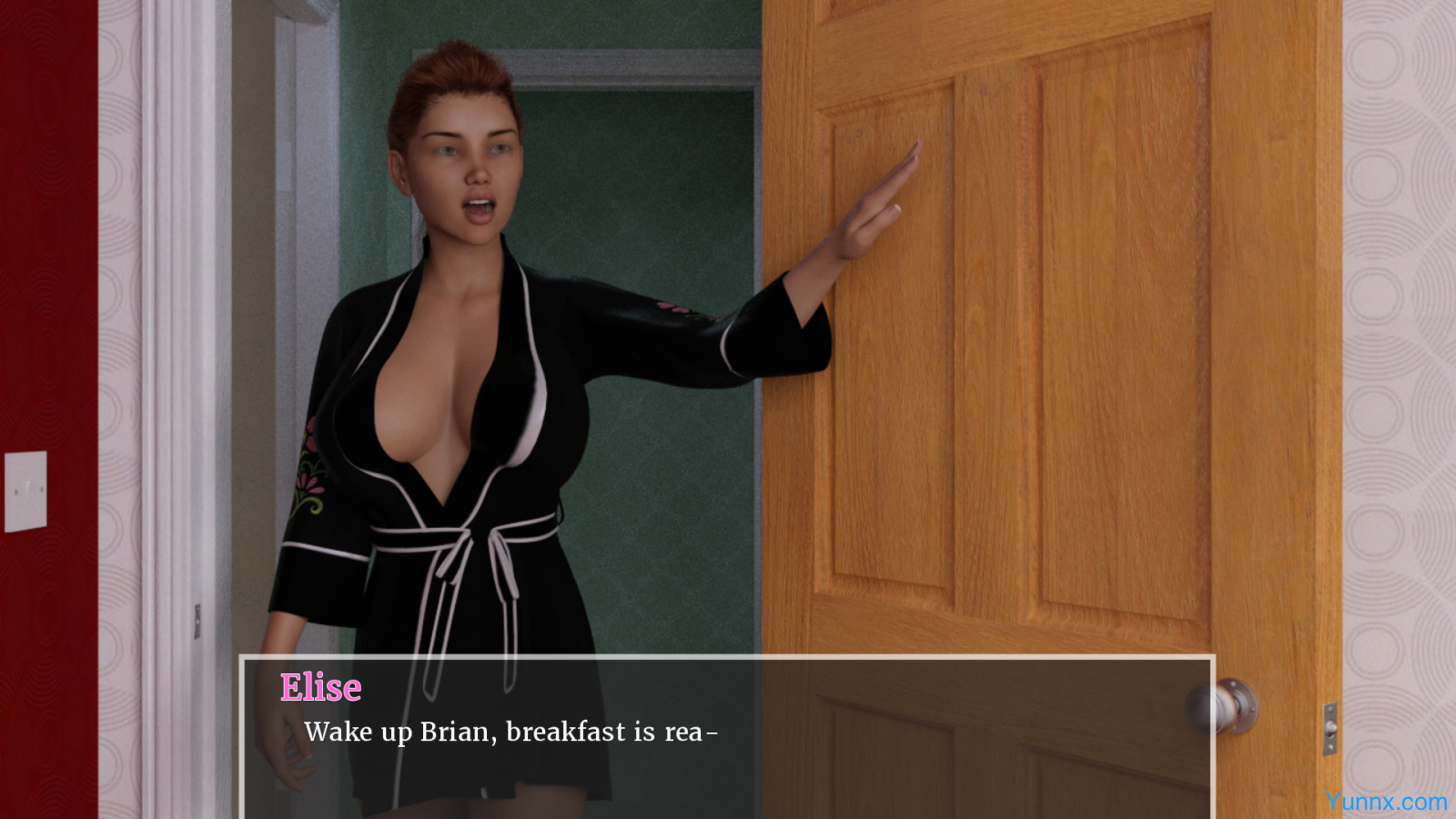
For Elise is an emotionally charged narrative adventure where players navigate fractured sibling bonds amid family tragedy. As Brian, return home to reconcile with your estranged sister Elise after their parents’ fatal accident. Through choices that test trust, forgiveness, and shared vulnerability, forge a path toward healing in a world where silence and secrets threaten to tear them apart.
A Story of Fractured Trust
1. Dynamic Sibling Dynamics
Experience evolving interactions with Elise, ranging from hostile resentment to fragile camaraderie. Choices like sharing hidden grief or confronting past resentments alter their relationship trajectory, unlocking moments of vulnerability or renewed conflict.
2. Emotional Consequence System
Every decision—whether protecting Elise from school bullies or ignoring her cries for help—ripples through the narrative. Witness how minor gestures (e.g., repairing her broken locket) rebuild trust or how neglect deepens the rift.
3. Shared Survival Challenges
Navigate financial struggles by taking odd jobs, scavenging abandoned properties, or betraying community allies. Resource scarcity forces morally ambiguous choices, such as stealing medication for Elise’s chronic illness or sacrificing her trust for survival.
Unraveling Hidden Truths
1. Family Secrets & Mysteries
Discover cryptic clues about their parents’ accident—hidden journals, distorted voicemails, or eerie symbols in the family home. Piece together truths that challenge perceptions of love, sacrifice, and parental neglect.
2. Community & External Pressures
Engage with townsfolk who view the siblings as outcasts. Confront judgmental neighbors, a nosy principal, or a local journalist digging into the accident. Choices here determine whether the siblings gain allies or become further isolated.
3. Parallel Story Paths
Branching narratives lead to divergent endings: reconcile through shared trauma (e.g., rebuilding the family cabin), succumb to bitterness (Elise runs away), or find catharsis in unexpected alliances (e.g., bonding with a reclusive artist).
Immersive Gameplay & Replayability
1. Symbolic Choice Mechanics
Use metaphorical interactions to express emotions—burn old family photos to sever ties or plant a tree in their parents’ memory to symbolize renewal. These acts influence late-game revelations and character growth.
2. Dual Perspectives & Flashbacks
Switch between Brian’s present-day struggles and fragmented flashbacks of happier times. Solve puzzles by aligning past and present objects (e.g., matching childhood drawings to current locations).
3. Multiplatform Accessibility
Designed for PC, consoles, and mobile, with adaptive controls (touch gestures for emotional dialogue choices) and cross-save functionality. Adjust difficulty settings to prioritize narrative depth or puzzle complexity.