

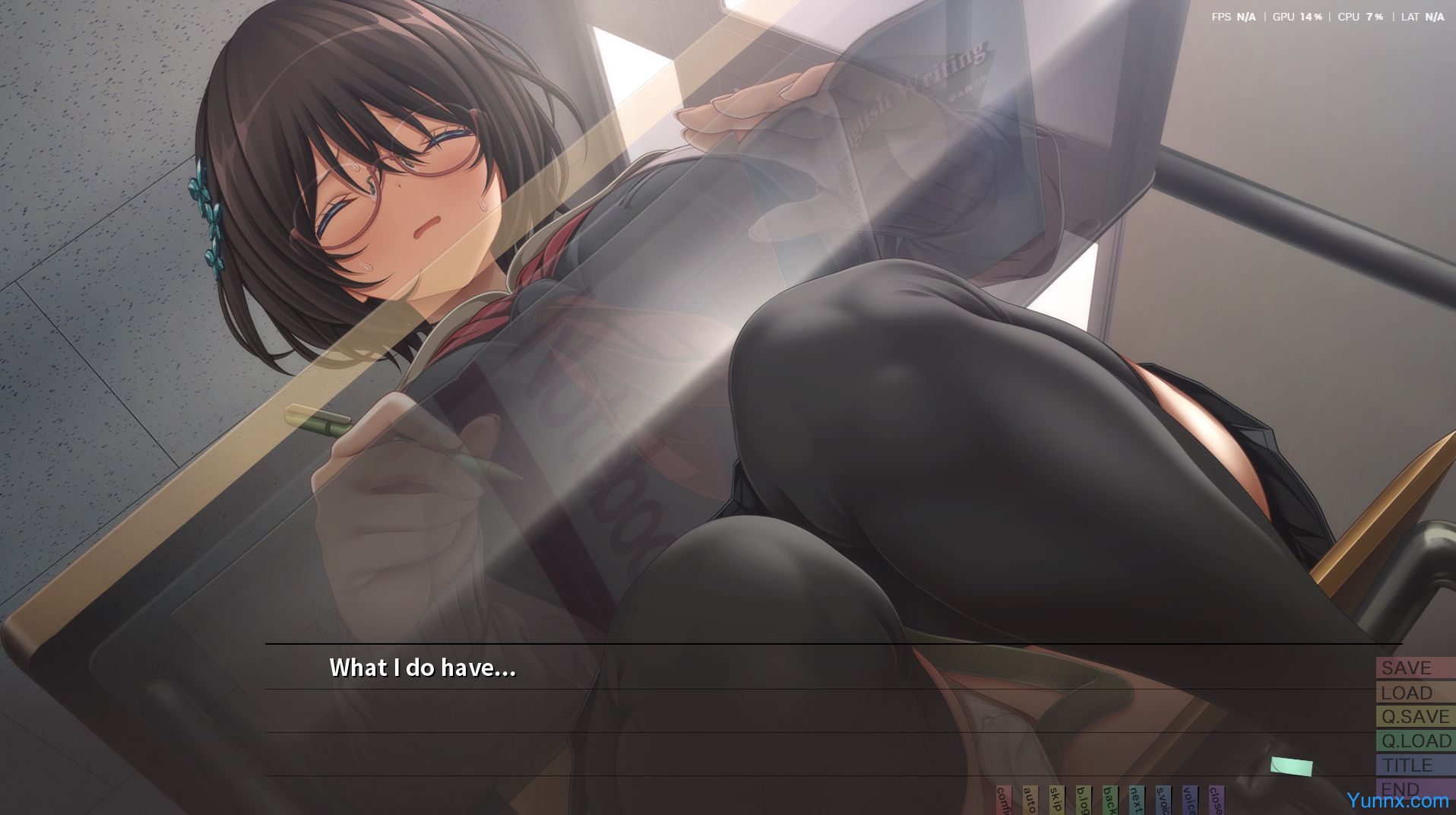
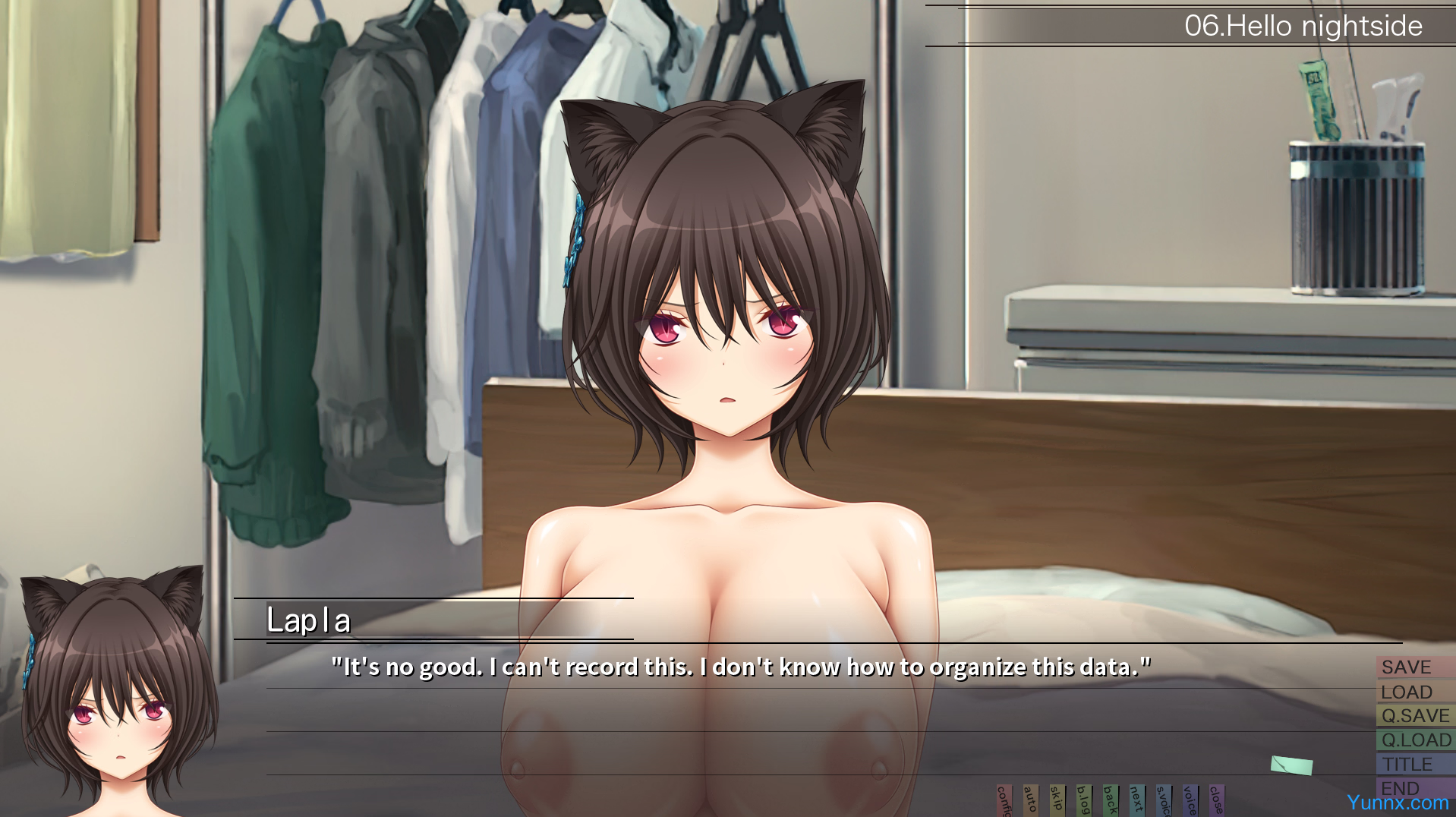
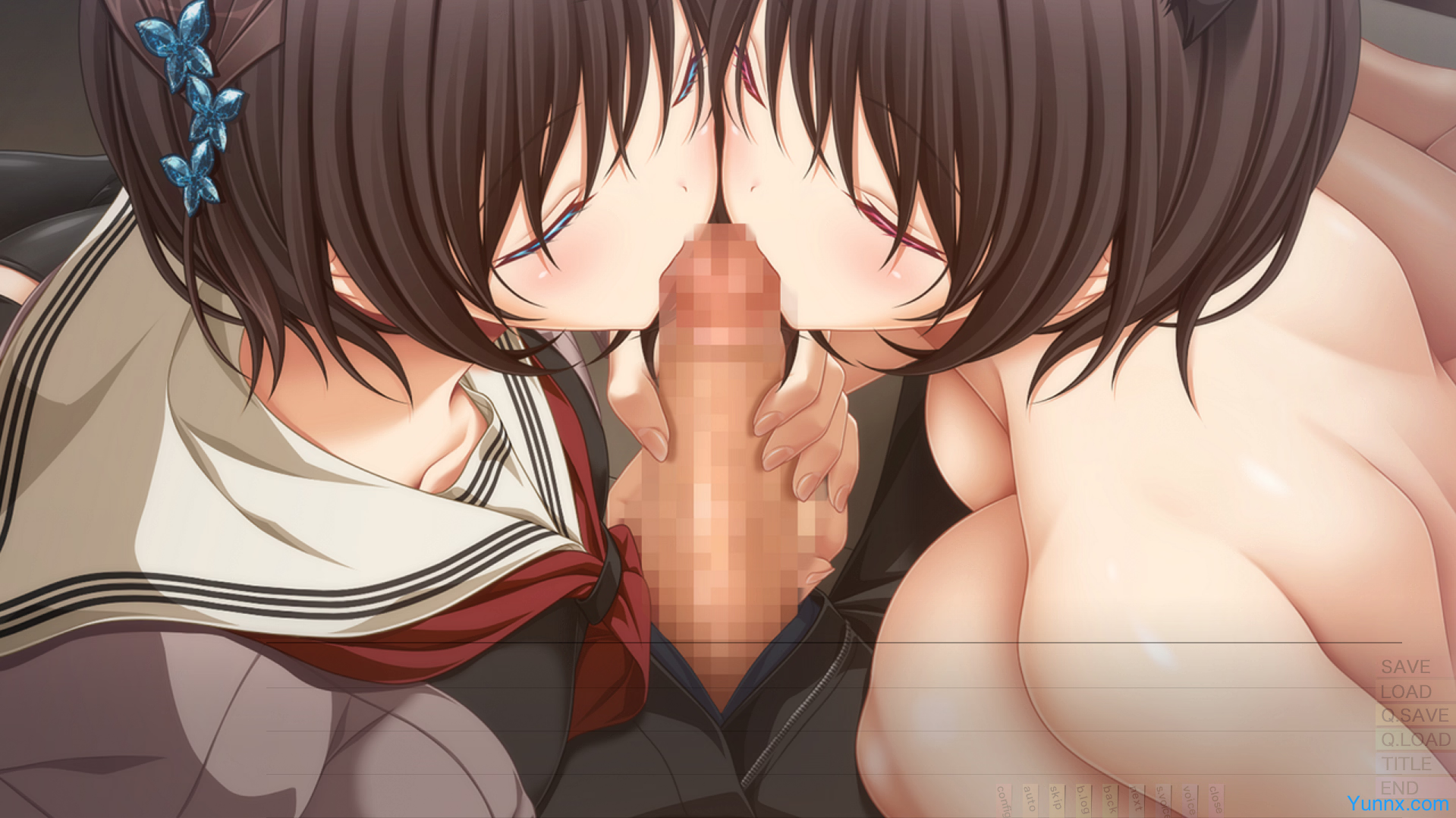
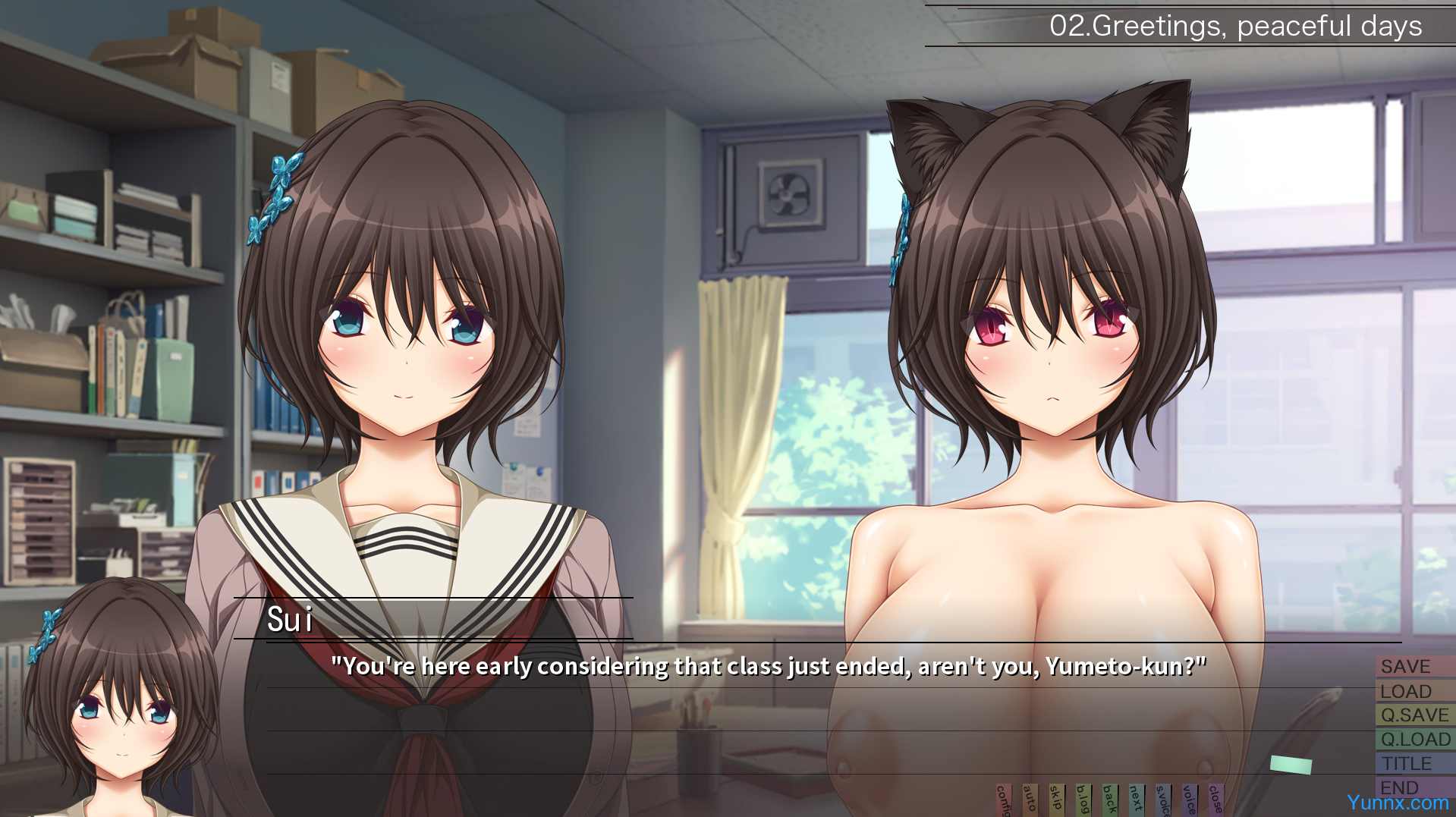

NICE TO MEET YOU, AGAIN is a mature adult visual novel following hollowed-out office worker Kinou Yumeto, who is thrown 13 years into his high school past by demon Laplace, with the chance to rewrite his mediocre life and uncover the mysterious girl woven into his forgotten memories.
Core Premise & Time Travel Hook
1. Kinou Yumeto spent his 20s stuck in a rut: a middling university degree, a dead-end office job, and a constant, unshakable feeling that his life was missing something vital. That all changes the day he crosses paths with the enigmatic demon Laplace, who wipes his current existence from reality and drops him 13 years in the past, face to face with the familiar halls of his high school, his old group of friends, and the uncomplicated daily life he left behind.
2. At first, the do-over feels like a dream come true: Yumeto gets to relive the fun, low-stakes days of his adolescence, skip the mistakes that led to his miserable adult life, and chase the happiness he never got the first time around. The core question driving his early days in the past is simple: if he can rewrite the world, can he rewrite his own future into something he actually wants?
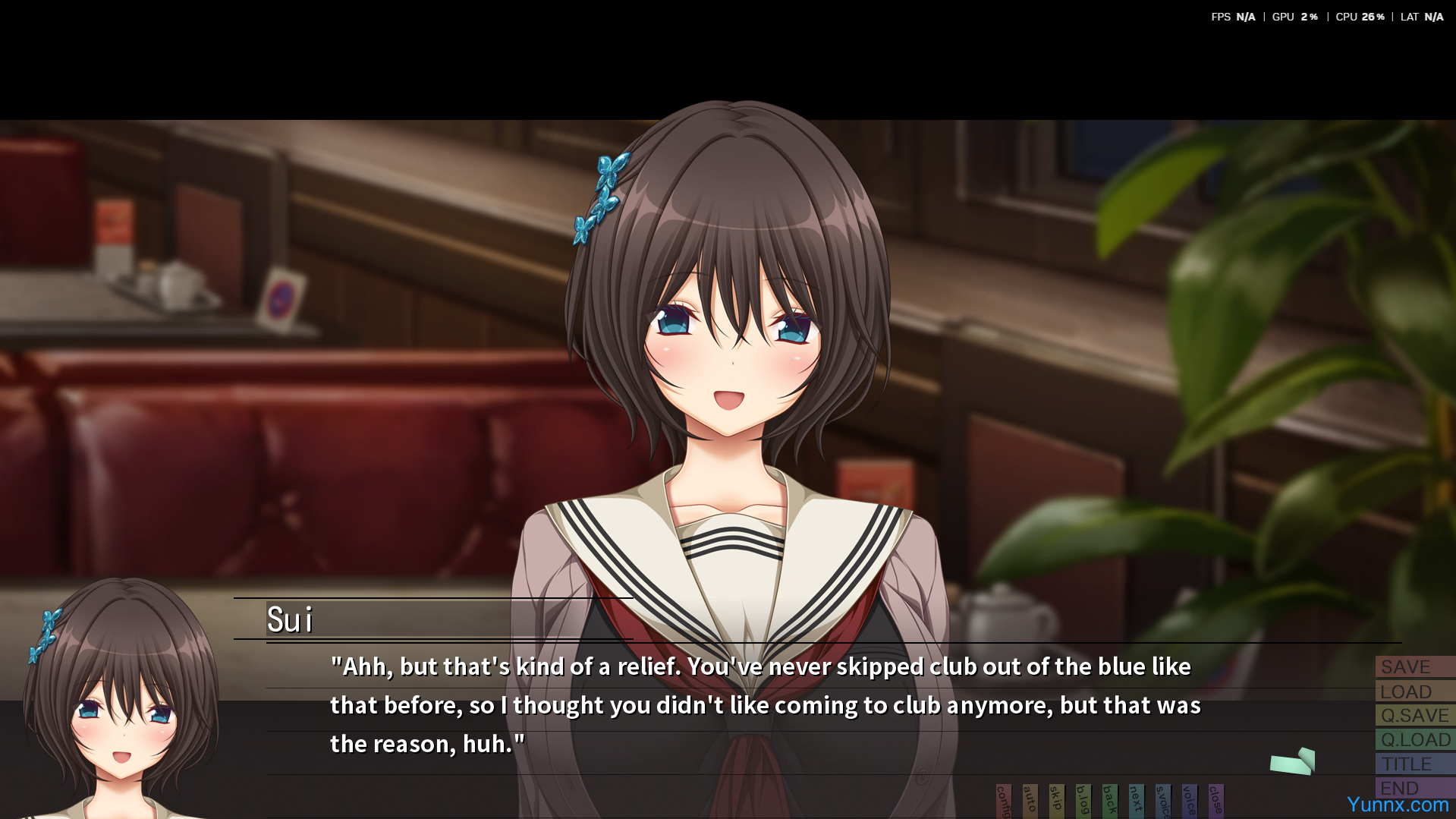
3. But this perfect second chance comes with a quiet, unshakable oddity: there’s a girl tangled up in the unspoken gaps of his memories that he can’t name, can’t picture, and can’t remember ever meeting, even as he recognizes every other classmate, teacher, and corner of his old school. That small, nagging detail is the first sign that this timeline isn’t the free, uncomplicated do-over he thought it was.
Mature Narrative & Character Storylines
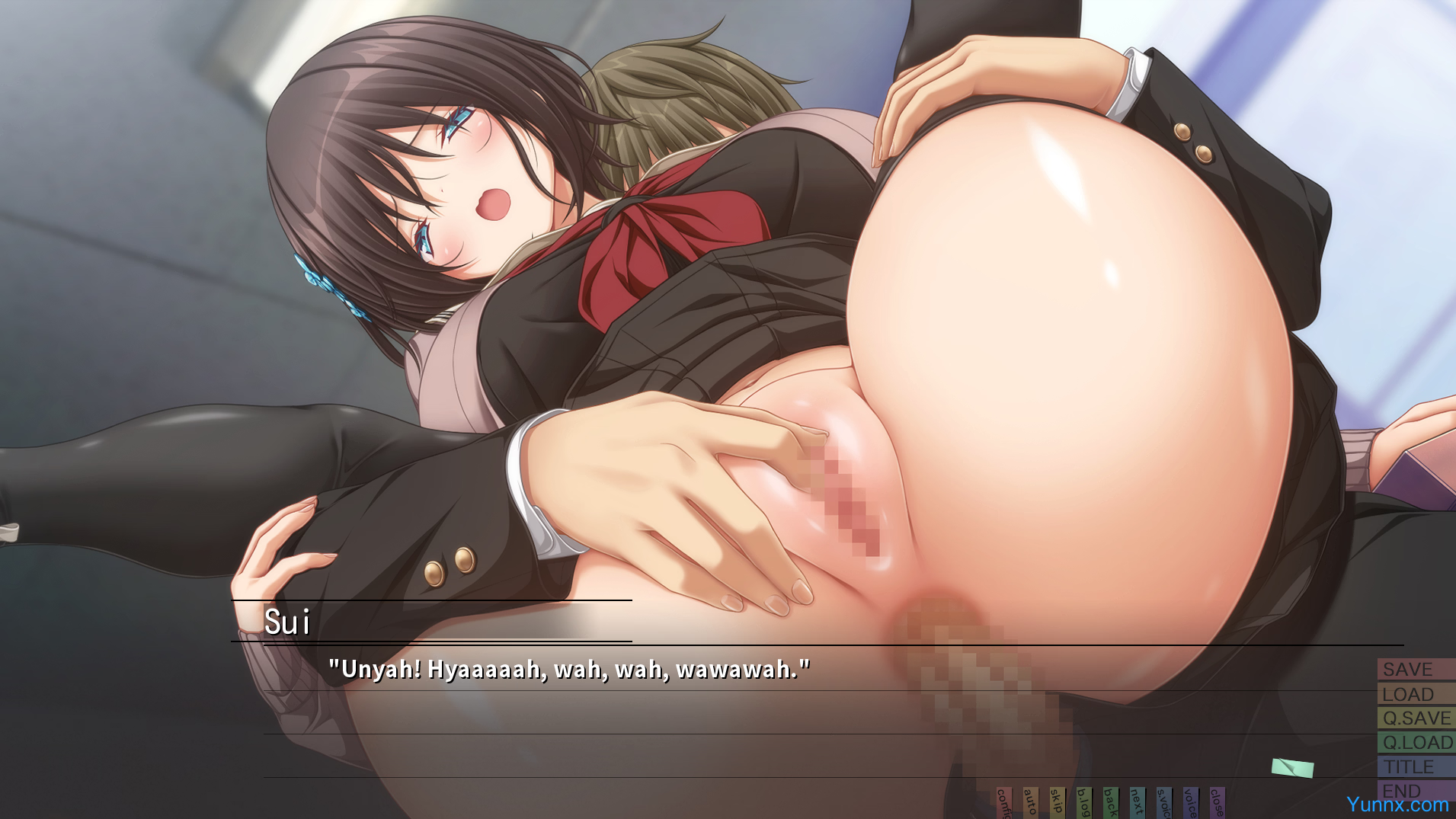
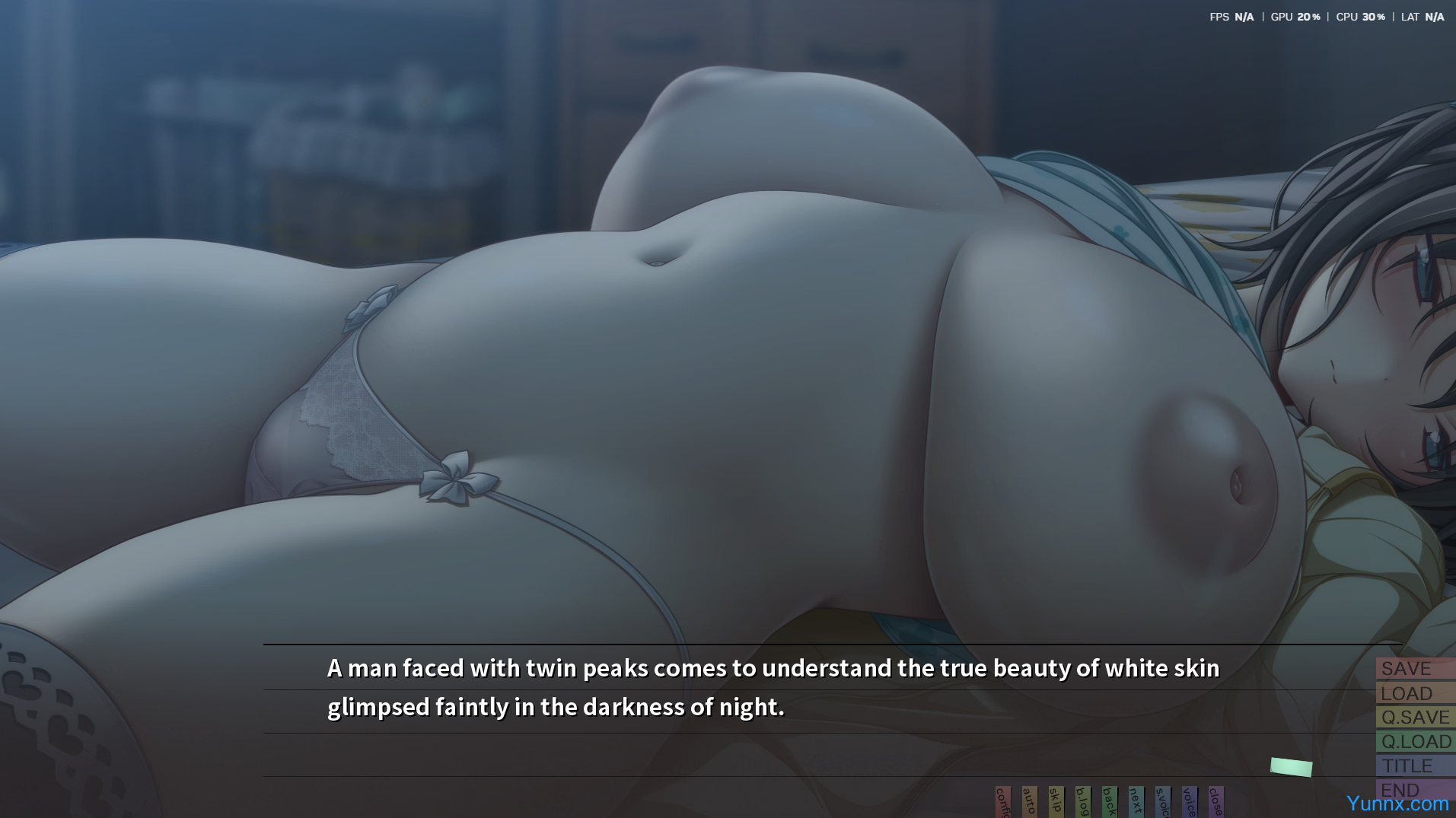
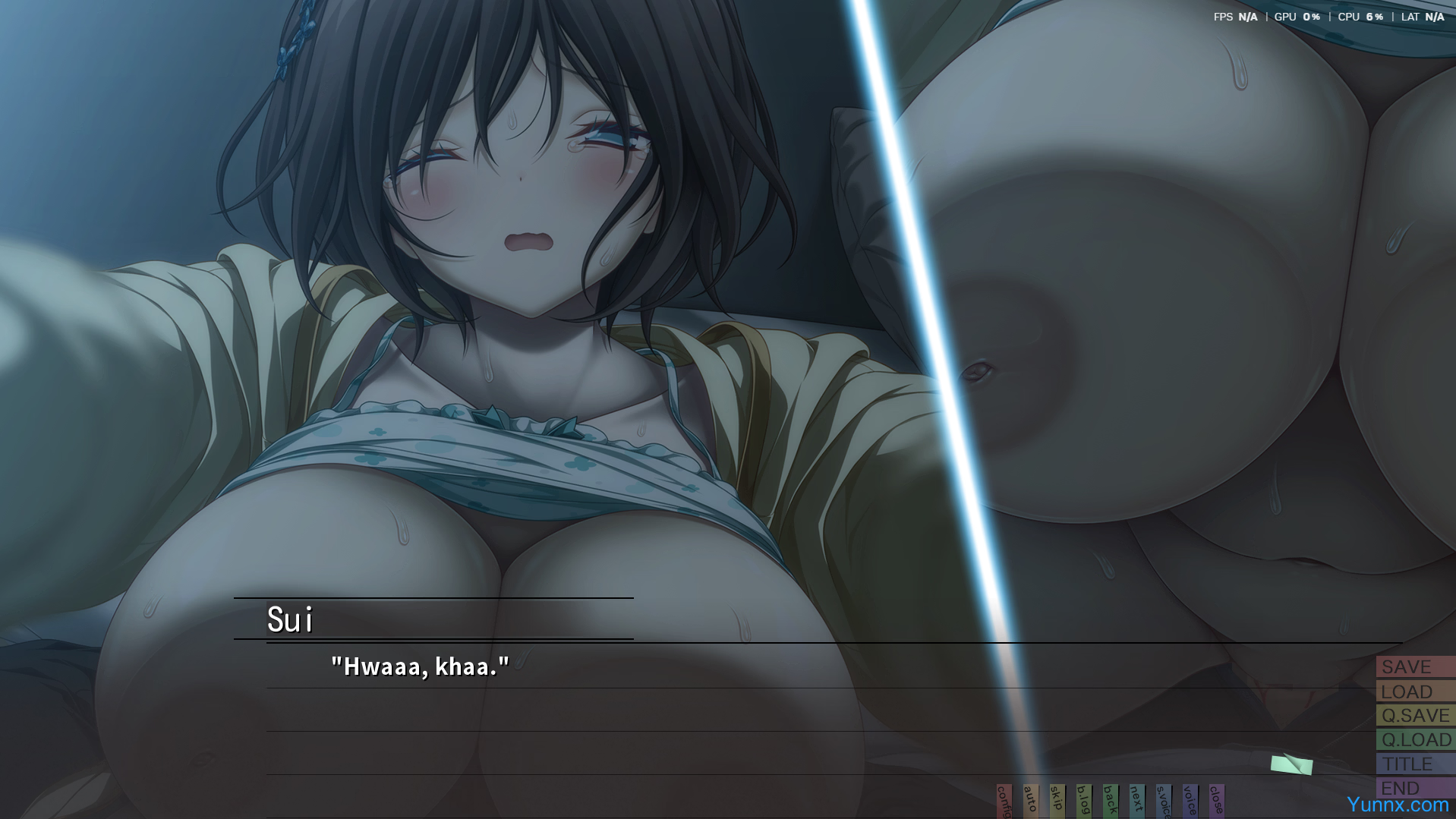
1. As an R18 visual novel, NICE TO MEET YOU, AGAIN weaves explicit adult content directly into its core thematic exploration of regret, desire, and the messy consequences of trying to alter fate, rather than treating mature scenes as tacked-on bonus content. Every explicit moment ties directly to Yumeto’s character growth, his shifting relationships with the people around him, and the unraveling mystery of the forgotten girl.
2. The game’s writing leans into the complicated, often contradictory emotions that come with a second chance: the guilt of earning happiness you didn’t work for, the temptation to bend the rules of this new timeline to get what you never could the first time, and the moral gray areas of choosing your own gain over the lives of the people you care about. The forgotten girl at the center of the mystery is tied directly to these tense, emotionally charged story beats.
3. High-quality fully voiced Japanese dialogue, detailed expressive character sprites, and hand-drawn event art bring every quiet nostalgic moment and charged explicit scene to life, making the world feel immersive and lived-in even as the narrative takes darker, more mature turns that challenge Yumeto’s ideas about right and wrong.
Branching Choices & Replay Value
1. Every choice Yumeto makes in his new past life creates small or drastic shifts in the timeline, from which classmates he spends time with, to how he responds to Laplace’s cryptic, often manipulative offers, to whether he chooses to dig into the mystery of the forgotten girl or stick to his original plan of fixing his own mediocre future.
2. The game features 3 distinct main narrative routes, each tied to a different set of choices Yumeto makes about the timeline, the demon’s deal, and the truth behind the missing girl. Each playthrough reveals new context about the original timeline’s events that Yumeto had forgotten, and the true hidden cost of trying to rewrite the past.
3. For players who want to uncover every detail of the story, there are hidden side routes, optional character events, and collectible memory fragments that unlock more context about Laplace’s motives, the forgotten girl’s backstory, and the ripple effects of Yumeto’s choices on the rest of his classmates’ lives, encouraging multiple playthroughs to see every piece of the narrative.