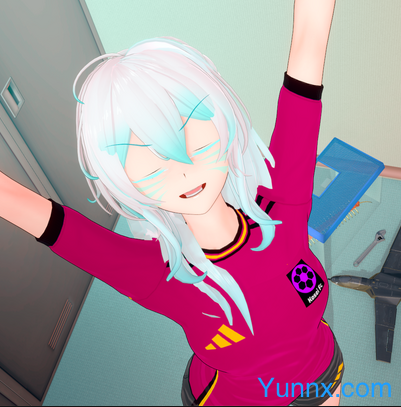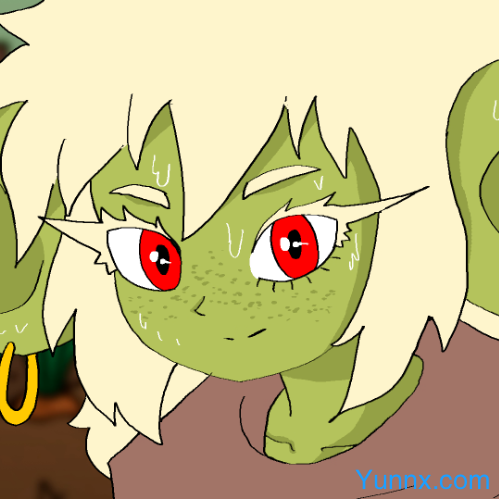





The Awakening drops you into a fractured reality: two years in a coma, zero memory of how you got here, and a world that feels equal parts familiar and alien. Your choices—from who to trust to what secrets to uncover—will weave a story where every decision leaves a permanent mark.
The Shock of Waking: Amnesia and Disorientation
The first moments after opening your eyes are a blur of pain and confusion. Your body aches, your throat is parched, and the sterile scent of antiseptic clings to the air. Around you, a dimly lit hospital room holds fragments of a life you can’t recall: a faded photo of a stranger on the nightstand, a half-empty water glass, and a monitor beeping with a rhythm that feels foreign.
1. Physical and Emotional Toll: Coma recovery isn’t just physical—it’s mental. Headaches pulse behind your eyes, and every sound (a door creaking, a nurse’s footsteps) jolts you. You’re not just injured; you’re lost, with no anchor to explain who you are or why you’re here.
2. Glimpses of a Forgotten Past: Scattered clues hint at a life before the coma. A crumpled receipt in your pocket bears a date two years prior—your last birthday? A nurse mentions “the accident” in passing, but her tone shifts when you press for details. Who was driving? Were there others? The answers feel just out of reach.
3. The Weight of Uncertainty: Without memories, trust is a luxury. Is the kind-faced doctor hiding something? Does the silent roommate in the next bed know more than they let on? Every interaction is a minefield, and your instincts—sharpened by fear—are your only guide.
Secrets in the Static: Clues and Hidden Dangers
As you regain strength, the hospital (and later, the world beyond) reveals itself as a web of secrets. What seemed like a simple recovery now feels like a puzzle—one where the pieces are hidden in plain sight.
1. Environmental Storytelling: The hospital’s walls hold more than just medical equipment. Faded graffiti on a supply closet reads, “They’re watching.” A locked drawer in the nurse’s station hums faintly when you pass by. These details aren’t random—they’re breadcrumbs, leading you to question who’s pulling the strings.
2. People with Agendas: Everyone you meet has a motive. The cheerful volunteer who slips you a candy bar? She mentions a “friend” who’s been asking about you. The gruff physical therapist pushing you to walk faster? His daughter died in a car accident the same night as yours. Are they allies… or threats?
3. The Line Between Reality and Delusion: As you dig deeper, your own mind becomes unreliable. Flashbacks of a car skidding on black ice—was that your accident? Or a memory implanted by someone else? The game blurs the line between what’s real and what’s a construct, making every discovery feel both thrilling and terrifying.
Choices That Define: Your Path Shapes the Story
The Awakening isn’t a passive experience—your decisions matter, now and as the story evolves.
1. Early Decisions, Lasting Consequences: Do you confide in the first person who shows you kindness, or keep your guard up? Do you search the hospital records room alone, or enlist help? These choices don’t just affect your relationships—they determine which clues you find, and which dangers you face.
2. Moral Complexity: There’s no “good” or “bad” path. Lying to protect someone might buy trust but delay the truth. Confronting a suspect could uncover a conspiracy… or get you committed. The game rewards nuance, with outcomes that feel earned, not scripted.
3. Long-Term Investment: The story doesn’t end when you leave the hospital. Future updates will introduce new locations (a small town with ties to your past, a shadowy organization), new characters (a detective digging into the accident, a hacker with access to your medical files), and new stakes (a threat that’s been waiting two years to resurface). Your earliest choices will ripple through every chapter.