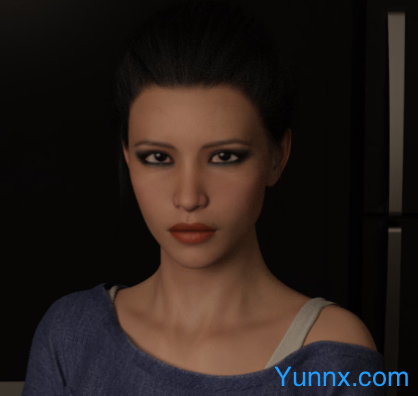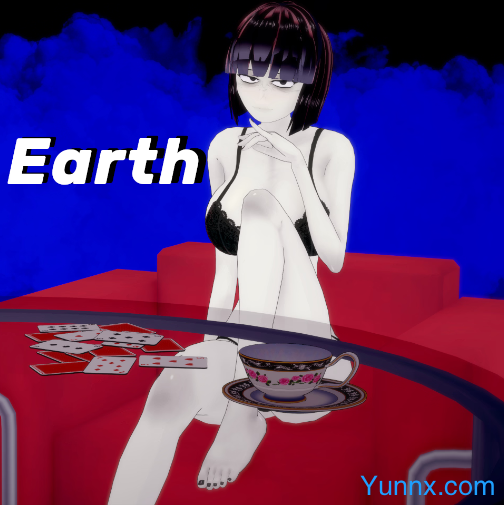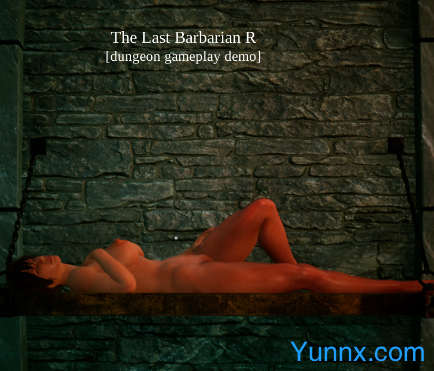



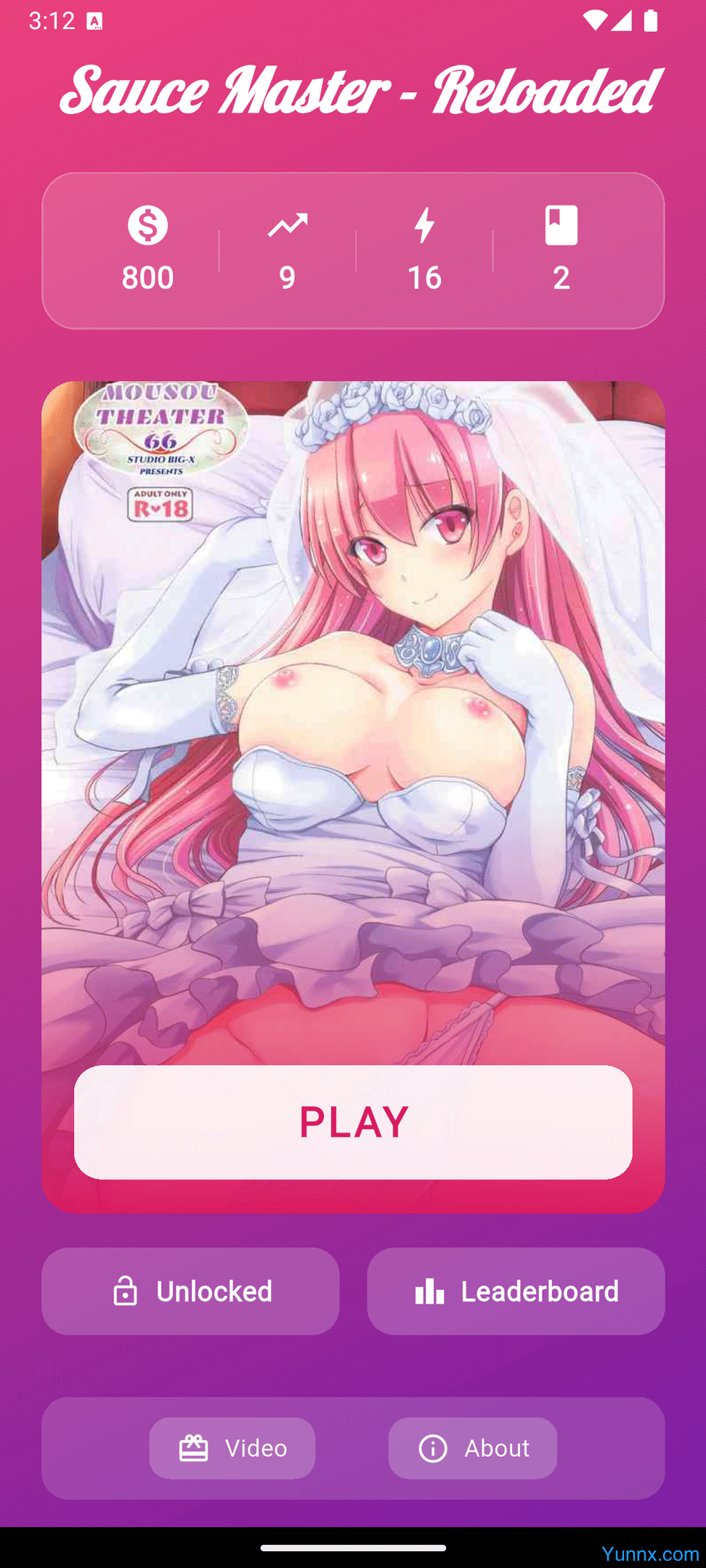
Sauce Master - Reloaded merges art appreciation with intellectual challenge, tasking players to trace the origins of exquisite doujins through vivid imagery and cultural clues. A tribute to fan-created art, it rewards sharp eyes, deep knowledge, and a passion for niche creativity—with the ultimate goal: claiming the title of Sauce Master.
Where Fan Art Meets Scholarship: The Culture of Doujin Recognition
This isn’t just a game—it’s a love letter to the vibrant world of doujin (fan-created) art. Designed for connoisseurs and curious newcomers alike, it celebrates the creativity of underground and fan communities while testing your ability to decode their stories. Here’s why it stands apart:
1. Niche Appeal, Broad Reach: Whether you’re a seasoned collector of doujins or a casual admirer of anime/manga art, the game bridges gaps between casual browsing and deep dives into fan culture. Every image tells a story—of a creator’s style, a series’ legacy, or a community’s trends.
2. Educational Entertainment: Beyond guessing, Sauce Master teaches. Correct answers unlock mini-docs on artists, studios, or iconic series, turning gameplay into a crash course in doujin history. It’s learning disguised as leisure.
3. Prestige Over Points: There’s no high score—only the pursuit of mastery. Earning the Sauce Master title grants access to exclusive galleries, early previews of upcoming doujins, and recognition in a community of fellow enthusiasts.
The Art of the Hunt: How Gameplay Unlocks Insights
Every level is a puzzle, blending visual analysis with cultural fluency. Here’s how the challenge unfolds:
1. Clues, Not Just Images: While stunning doujin snippets are the star, subtle hints—like character designs, color palettes, or symbolic elements—guide your search. A cat ear headband might hint at a shonen series; soft watercolors could point to a specific artist’s portfolio.
2. Difficulty That Grows with You: Start with recognizable classics (“Identify the Studio Behind This Iconic OP Fanart”) before tackling obscure gems (“Name the Lesser-Known Artist of This 2015 Doujin”). Progression feels organic, rewarding persistence.
3. Fact-Checking for Depth: Mistakes aren’t just wrong answers—they’re learning moments. The game explains why a guess was off (e.g., “Close, but this style is actually by Artist B, who collaborated with Creator C on Project D”). It turns errors into stepping stones.
Beyond the Screen: Building a Community of Enthusiasts
Sauce Master thrives because it’s more than a solo quest—it’s a shared celebration of fan art. Here’s how it fosters connection:
1. Leaderboards & Showdowns: Compete with friends or global players to see who can trace origins fastest. Weekly challenges keep the meta fresh, while friendly rivalries spark debates about “classic vs. modern” doujin styles.
2. User-Generated Content: Share your favorite doujin finds, theories, or even your own fan art (with proper credit) in the game’s community hub. It’s a space for creators and admirers to collaborate, not just compete.
3. Supporting Artists: A portion of in-game purchases funds emerging doujin creators, letting players directly contribute to the ecosystem they love. It’s a cycle of appreciation—playing to support, supporting to play.