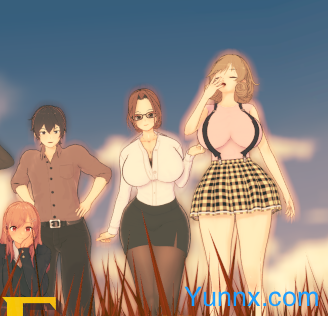



Eronocracy invites you to unravel the secrets of Erona, a fabled city where love is both an art and a science. Newly engaged couple Chuck and Zina embark on a journey with their mothers, Venus and Alina, to master the enigmatic traditions of romance in this utopian haven. But beneath the glittering façade of workshops and rituals lies a labyrinth of unspoken rules, generational tensions, and desires left unchecked. As bonds are tested and boundaries blurred, what begins as a cultural pilgrimage spirals into a provocative exploration of intimacy—where the mothers’ hidden agendas may eclipse the couple’s quest for harmony.
Gameplay
1. Dual-Generation Dynamics: Alternate between guiding Chuck/Zina’s romantic growth and managing the mothers’ influence, where their meddling (or support) reshapes the couple’s destiny.
2. Cultural Mini-Games: Participate in symbolic Eronian rituals—from crafting love tokens to decoding cryptic aphrodisiac recipes—to earn reputation points or spark scandals.
3. Trust Thermometers: Monitor shifting loyalty meters between partners and family; overprioritizing one risks jealousy, rebellion, or shocking betrayals.
Game Features
1. Layered Lore: Explore Anthrasian traditions through interactive archives, uncovering why siblings are excluded from Erona’s “education” and the city’s darker historical undercurrents.
2. Ambiguous Endings: Achieve outcomes ranging from idyllic matrimony to chaotic polyamory, depending on how deeply you indulge the city’s temptations.
3. Evolving Relationships: Characters adapt dynamically—Zina might embrace liberation, Chuck could resist societal pressures, and the mothers may forge unexpected alliances (or rivalries).
Game Tips
1. Question Traditions: Blindly following Erona’s teachings might please the locals but alienate your family—weigh cultural approval against personal values.
2. Snoop Strategically: Investigate the mothers’ pasts through discreet dialogues; their histories hold keys to resolving conflicts or unlocking taboo paths.
3. Balance Attention: Neglecting either generation risks story-locking content—rotate perspectives to maintain narrative flexibility.