


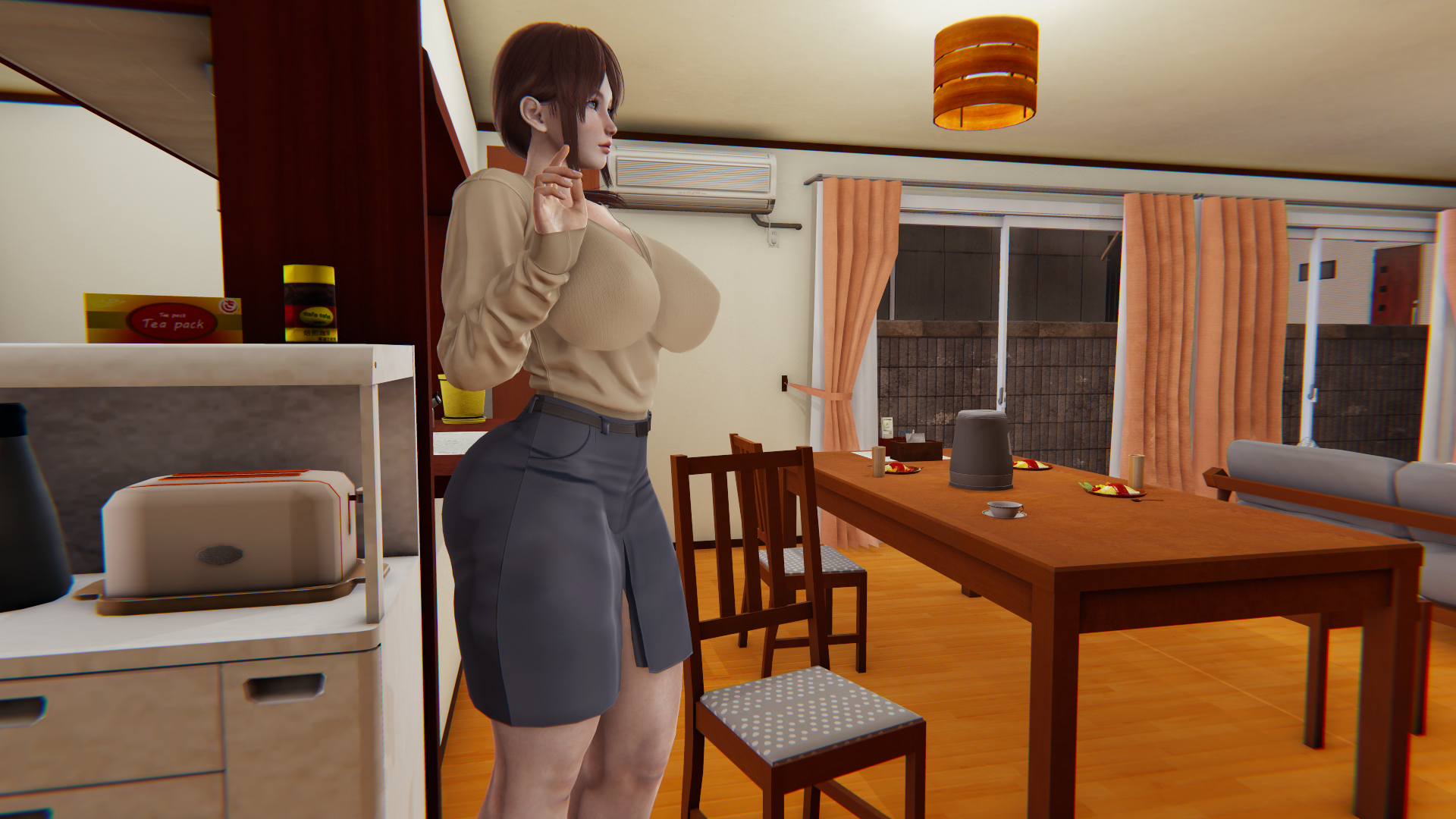


David returns to his coastal hometown after a year away, seeking to rebuild his life while balancing unfinished studies and rekindled connections. As he navigates shifting relationships with childhood friends and intriguing newcomers, every choice he makes—whether tender, impulsive, or introspective—shapes the fragile bonds around him. Between late-night study sessions, sunlit beach hangouts, and unexpected encounters, David discovers that rebuilding trust requires more than nostalgia. Secrets simmer beneath the town’s idyllic surface, and learning when to confront chaos or embrace compassion will define his journey through this bittersweet chapter of self-discovery.
Gameplay
1. Dynamic Interaction System
Engage in organic conversations where dialogue tone and timing impact character relationships. A hesitation during a vulnerable moment or a poorly timed joke could alter how others perceive David.
2. Exploration-Driven Progression
Uncover hidden story threads by interacting with environments—study notes in David’s dorm, weathered photos at local cafes, or cryptic messages left near the shoreline.
3. Moral Ambiguity Mini-Games
Navigate tense scenarios through intuitive quick-time events and psychological choices, like defusing confrontations or masking true emotions, each with lasting narrative consequences.
Key Features
1. Nuanced Character Arcs
Characters evolve beyond first impressions, with layered backstories revealed through repeat interactions. Even abrasive personalities harbor unexpected depth.
2. Time-Sensitive Decision Making
Certain opportunities vanish if ignored—missed calls, unvisited locations, or postponed conversations can lock or unlock pivotal story branches.
3. Atmospheric Worldbuilding
The town reacts to David’s presence: overheard gossip changes, weather shifts mirror emotional beats, and ambient sounds (crashing waves, distant laughter) deepen immersion.
Tips for Players
1. Embrace Imperfection
Not every conflict needs resolving—sometimes walking away preserves relationships better than forced reconciliation.
2. Read Between the Lines
Pay attention to environmental cues: a cluttered desk might hint at a character’s struggles, while a recurring song could foreshadow emotional turning points.
3. Experiment With Silence
Dialogue isn’t always king. Opting to observe rather than speak can unveil subtle character quirks or hidden tensions in group dynamics.