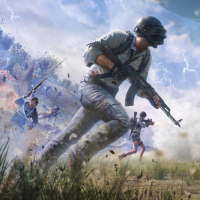





In The Best Apocalypse Ever, Mark returns to his hideout after a tense and dangerous encounter, bringing with him a prisoner and a new companion—a mysterious girl with a troubling past. The world has been overrun by zombies, and survival has become a brutal game of trust and power. Mark, having honed his skills in this new, chaotic world, now finds himself in a position to shape the future of the survivors he gathers around him. As tensions rise and alliances shift, Mark must decide whether to trust his newfound group, protect those he cares about, and explore the possibility of a future beyond the apocalypse. Will Mark become the leader his new family needs, or will the pressures of survival tear everything apart?
Gameplay Features:
Dynamic Relationship System: As Mark interacts with other survivors, the relationships he forms will directly impact the outcome of the story. Through dialogue choices and actions, players can strengthen bonds, make new allies, or even turn people against him. The deeper the connection, the more influence Mark will have on his group, affecting both emotional dynamics and practical survival strategies.
Survival Mechanics with a Twist: The zombie apocalypse isn’t just about fighting the undead—surviving also means managing limited resources, securing shelter, and making difficult decisions about who to trust. Players will need to balance Mark's leadership role with the needs of his growing group, ensuring food, weapons, and medicine are rationed wisely. The choices you make could mean life or death for those around you.
Multiple Story Arcs and Outcomes: The game offers various story paths based on your decisions. Will Mark build a lasting community or create chaos with his choices? From romantic entanglements to complex moral dilemmas, each decision can alter the group’s future and determine whether Mark’s actions lead to salvation, betrayal, or destruction.
Game Features:
Immersive Worldbuilding: The game’s world is rich in detail, from the abandoned cities and overrun countryside to the safehouses and hidden survivor enclaves. Each location is filled with unique hazards, collectibles, and opportunities to expand your shelter. The environment reacts to your decisions—if you betray someone or neglect your group’s needs, the world will become colder and more hostile.
Character Progression and Abilities: As Mark navigates the apocalypse, he can level up his skills, unlocking new abilities in combat, survival, and leadership. Additionally, the characters Mark meets along the way also grow and develop, allowing players to craft a team with complementary skills. Whether you’re looking for fighters, scavengers, or medics, each character has a role to play in the group’s survival.
Choice-Driven Combat and Strategy: Combat isn’t just about taking down zombies; it’s about making strategic choices in life-or-death situations. Whether you’re sneaking past a horde or engaging in a firefight with hostile survivors, your approach will affect your survival rate and your standing within the group. Will you be the ruthless leader who sacrifices for the greater good, or the compassionate protector who values lives over everything?
Gameplay Tips:
Manage Resources Carefully: The post-apocalyptic world is a place of scarcity. Pay attention to the amount of food, water, and medical supplies you have. Running out of essential resources can lead to internal strife within your group, and failure to manage them well might prompt rebellion or desertion.
Know When to Lead and When to Compromise: As a leader, Mark’s decisions will not always be popular. Sometimes, making the tough call is necessary, but other times, it’s important to listen to the concerns of your group. Be mindful of your relationships—tension and division can quickly escalate into threats to your leadership.
Explore and Gather Information: Don’t rush through the game’s main storyline. Exploration is key to survival—whether it’s scavenging for supplies, meeting other survivors, or uncovering hidden secrets, each moment of exploration could provide critical advantages. Take the time to learn about your environment and the people around you to make informed decisions.