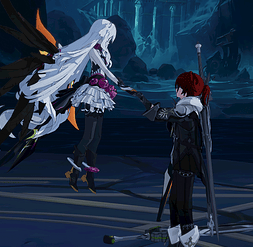

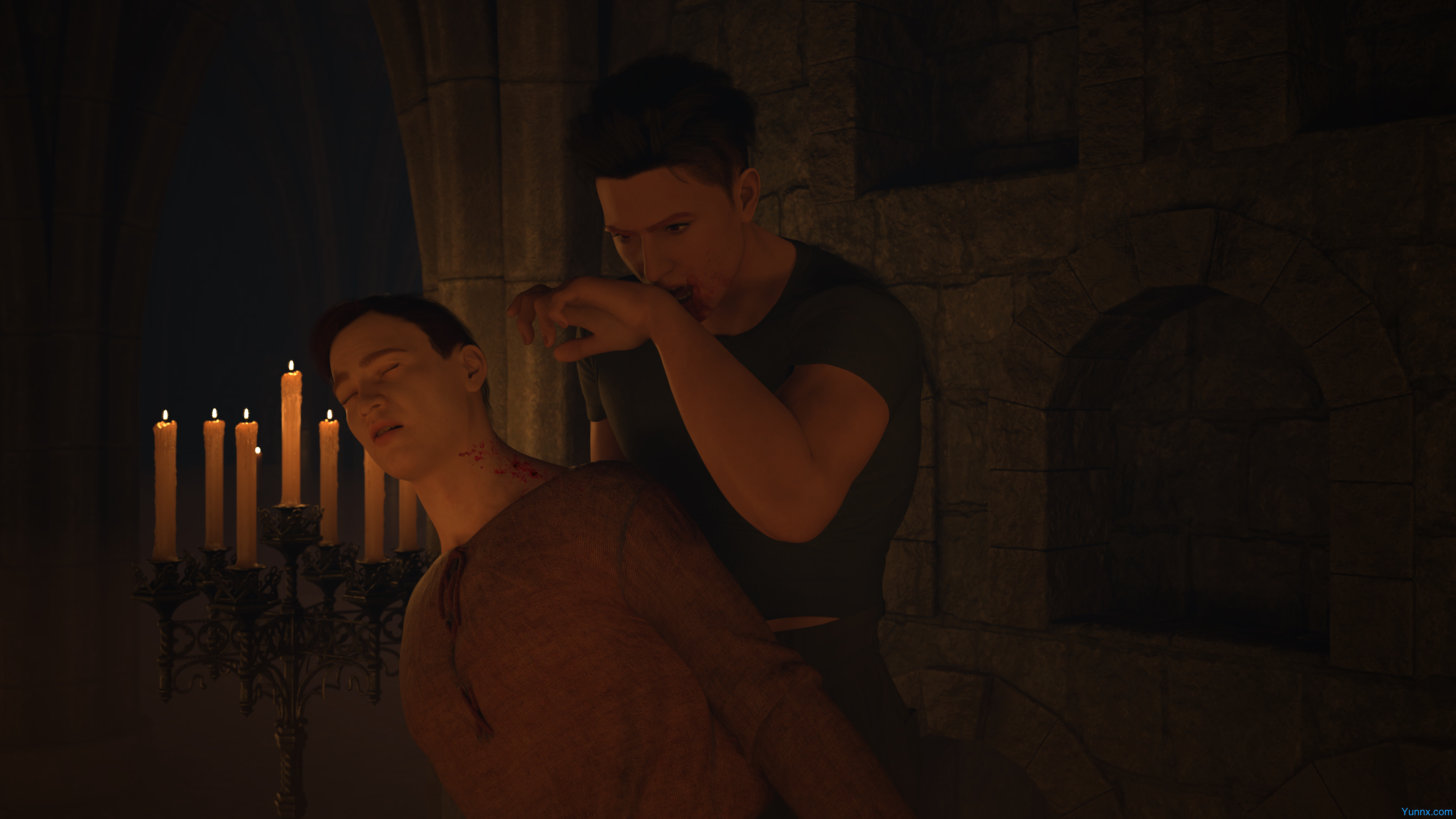


The game combines dark fantasy storytelling, political intrigue, supernatural lore, relationship development, and morality-driven choices. Accompanied by a loyal half-elf servant, the protagonist explores a world shaped by prophecy and betrayal while attempting to restore the Vampire Clan's throne. The player's philosophy of leadership can fundamentally influence the direction of the story.
Awakening After Sixty-Seven Years
1. The protagonist begins in an ancient crypt after spending sixty-seven years in a supernatural slumber. During that time, the vampire kingdom he once belonged to has fallen, its influence has faded, and much of the world has forgotten that it ever existed.
2. Returning to a world that no longer remembers his bloodline creates an unusual starting point for the adventure. Instead of inheriting an established kingdom, the protagonist must first understand what happened and determine why his family's legacy collapsed.
3. This opening also establishes the game's central theme of restoration. The journey is not simply about reclaiming a throne, but about rebuilding an identity and deciding whether the old vampire dynasty deserves to return in its previous form.
Reclaim the Vampire Throne
1. Restoring the Vampire Clan is one of the main narrative goals. The protagonist must uncover the truth surrounding his family's downfall while navigating a world filled with competing interests, ancient secrets, and political uncertainty.
2. The half-elf servant who accompanies the protagonist provides an important connection to the past and the present. Their partnership gives the story a more personal dimension while supporting the protagonist during the effort to rebuild his position.
3. The throne itself represents more than political status. Reclaiming it creates a question of what kind of society will emerge afterward, allowing players to shape the future of the Vampire Clan according to their own choices and priorities.
Morality, Power, and Rulership
1. A major feature of Vampire Chronicles: The BloodLord is its emphasis on leadership philosophy. Players can pursue a path based on justice, rules, compassion, and loyalty, creating a ruler who attempts to govern through order rather than fear.
2. A darker approach is also possible. The story presents war, revenge, terror, and chaos as alternative philosophies of power, allowing players to explore what happens when a vampire ruler abandons restraint in favor of dominance.
3. This moral framework gives choices a wider narrative purpose. Decisions are not only about individual conversations but can also reflect the kind of ruler the protagonist is becoming, making the player's governing philosophy a major part of the overall story.