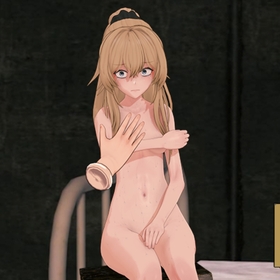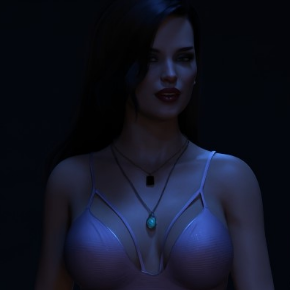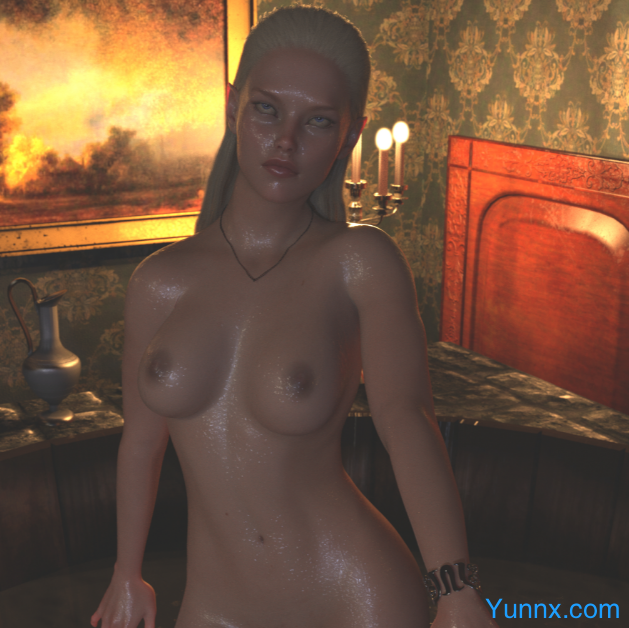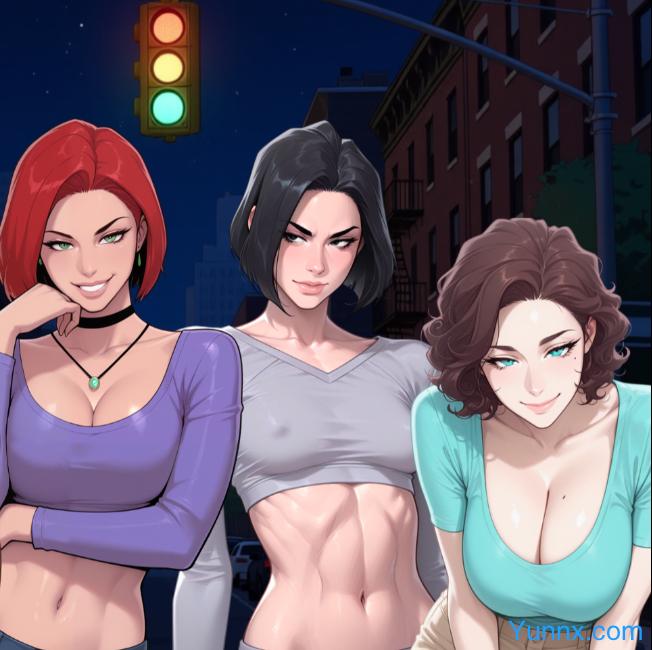
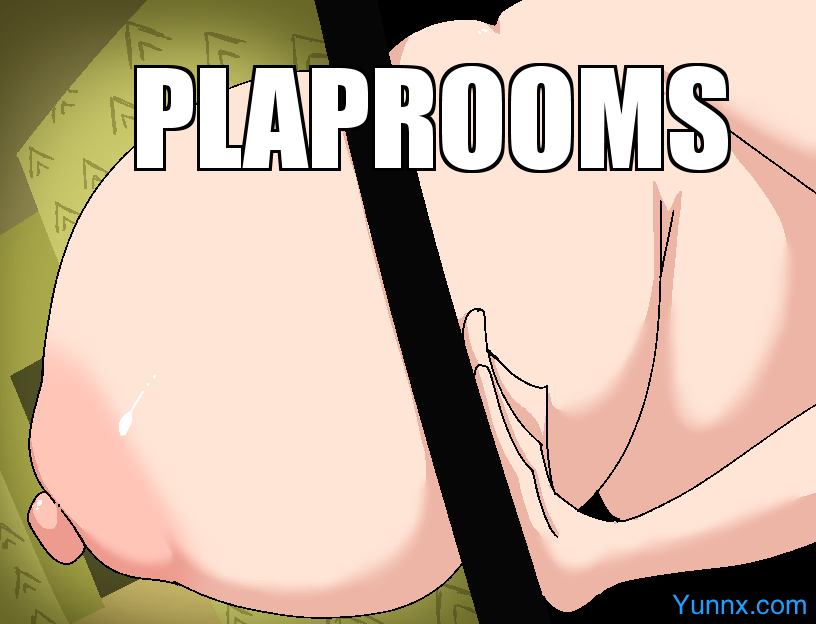

Solus drags himself home after another soul-crushing shift. Just as he closes his eyes to rest, he jolts awake somewhere else entirely. Now trapped in a shifting, impossible apartment complex, he must navigate twisting hallways and strange encounters to stay sane. An atmospheric 18+ experience about isolation and survival.
Story & Premise
1. Solus is drowning in the mundane. Every day blurs into the next, a relentless cycle of fluorescent lights, demanding bosses, and evenings spent alone in a cramped studio apartment. The kind of life that slowly erases the line between sleep and waking. Tonight is no different until he kicks off his shoes and collapses onto his unmade bed. Exhaustion takes him instantly, but the sleep he finds isn‘t his own. When his eyes open again, the cracked ceiling of his bedroom is gone.
2. He isn‘t in his apartment anymore. The space around him feels vaguely familiar, a dreamlike copy of the human world where proportions are subtly wrong. Corridors stretch too far, walls breathe softly, and the silence is heavy with the distant sound of dripping water. This is PlapRooms, a looping labyrinth of empty chambers and private spaces that shouldn‘t exist. Solus remembers the tired walk home, the fading glow of his phone screen, but nothing about arriving here. The only question that matters now is simple, terrifying, and the central hook of the entire game: Could all of this be real?
3. The plot unfolds entirely through Solus’s eyes in a first-person narrative style. Every new room he enters peels back another layer of his own buried memories and fears. The game masterfully blends psychological horror with slow-burn adult intimacy, where the line between comfort and dread is never clear. As players guide Solus through these impossible halls, they will piece together fragments of his past and decide whether this place is a prison, a purgatory, or a twisted form of salvation.
Gameplay & The Descent
1. PlapRooms strips away traditional survival mechanics to focus purely on atmosphere and consequence. Movement is slow and deliberate, encouraging you to study every subtle change in the environment. Doors might lead to familiar places from Solus’s past, or they might open onto abstract voids populated by shadowy figures. The game uses a unique Sanity Meter that depletes the longer you wander without finding meaning or human connection. Lose too much, and the hallways themselves begin to warp, replacing cozy lighting with industrial buzz and friendly shadows with hungry ones.
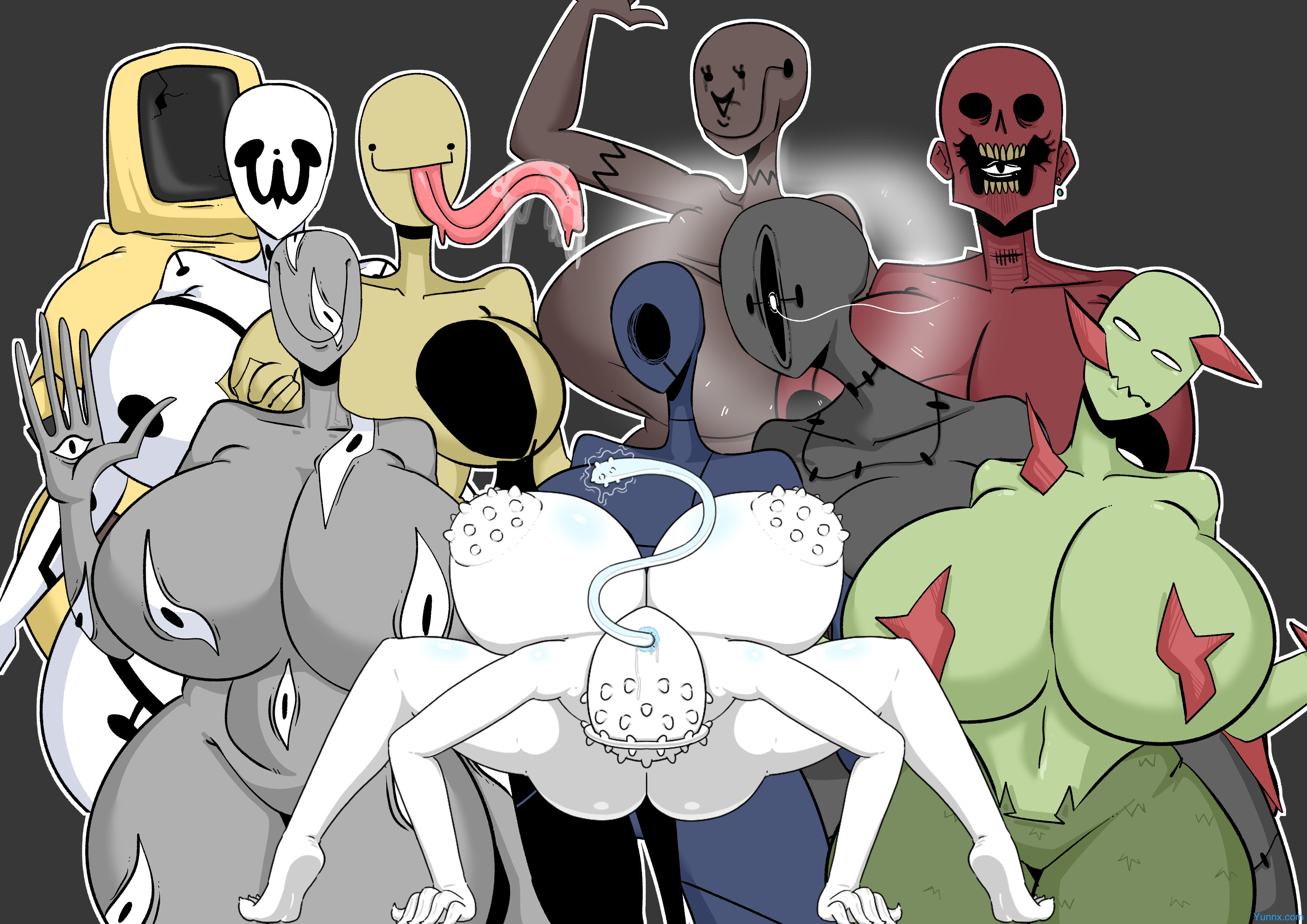
2. Interaction is context sensitive. In some rooms, you‘ll find fragments of Solus’s old life: a buzzing television, a half-eaten meal, a forgotten photograph. In others, you‘ll encounter other lost souls, strangers trapped in their own loops who offer company, secrets, or more intimate distractions. Every conversation builds toward critical Tether Points, moments where Solus can either anchor himself to another person or reject them entirely. These choices permanently alter the layout of PlapRooms, opening new areas while closing off others.
3. Replayability comes from the branching reality system. No two playthroughs reveal the same map, as the game generates room layouts based on your emotional choices. Collect clues scattered across multiple runs to unlock new dialogue options and discover hidden endings. Gallery unlocks include environmental sketches, character backstories, and developer notes explaining the surrealist inspiration behind each zone. A dedicated Chapter Select appears after your first completion, letting you revisit specific Tether Points without replaying the entire descent.
Adult Features & Mature Content
1. The 18+ scenes in PlapRooms are designed to feel earned and emotionally weighted rather than gratuitous. Intimacy here is a lifeline, a desperate act of connection between two people who have lost everything else. When Solus chooses to let someone close, the game shifts into a cinematic NVL mode where every touch and whispered word carries the weight of his isolation. These sequences can be toggled in the settings panel for players who prefer to focus on the psychological thriller elements.
2. Content warnings are provided at the start of each chapter, allowing players to skip specific scenes without breaking narrative flow. The game addresses themes of loneliness, depression, and consent with a maturity often missing in adult titles. Romance options are not simply side stories but are integrated into the core survival loop. Characters you bond with may appear in later rooms to help you solve puzzles or fend off waking nightmares, while those you neglect might transform into hostile entities that stalk you through the dark.
3. All mature art is hand-drawn in a haunting watercolor style that blurs the line between beauty and decay. The game features full English voice acting for Solus and all major love interests, recorded to capture the fragile vulnerability of people at their lowest points. A gallery mode unlocks after completing any route, letting you revisit favorite scenes and discover variations you missed the first time. The optional Censorship Patch is pre-integrated into the download, with no additional steps needed for western audiences.