
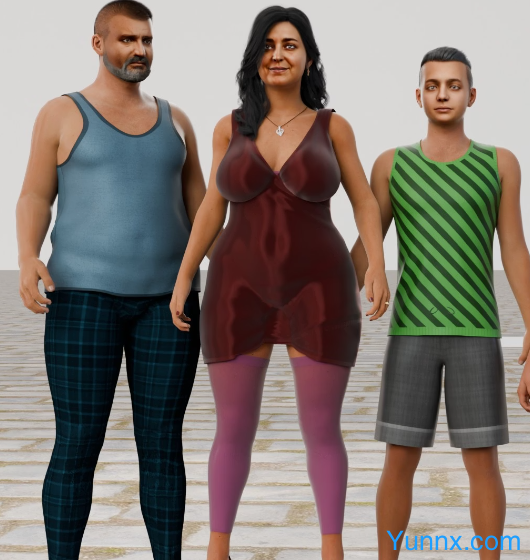
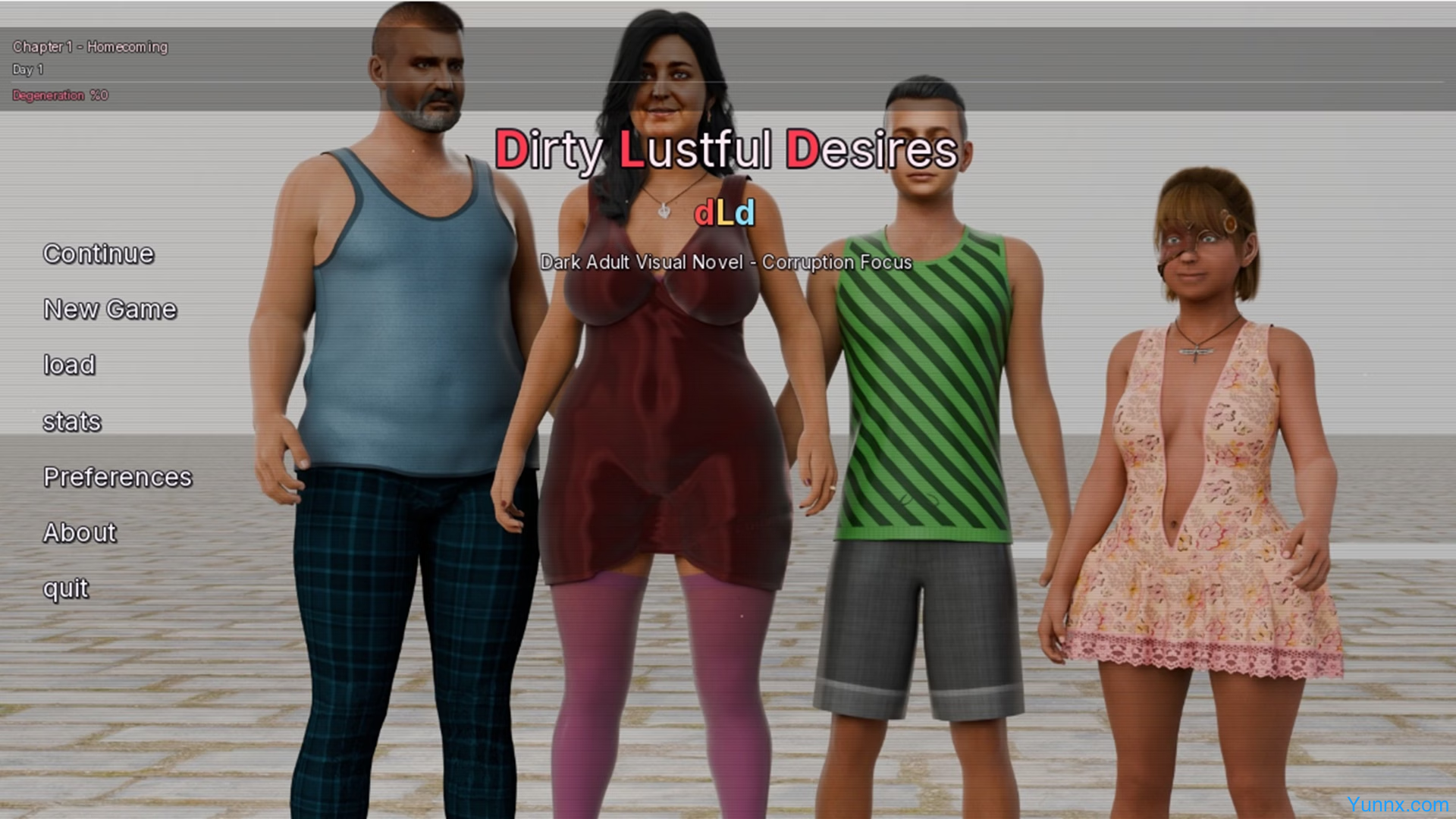
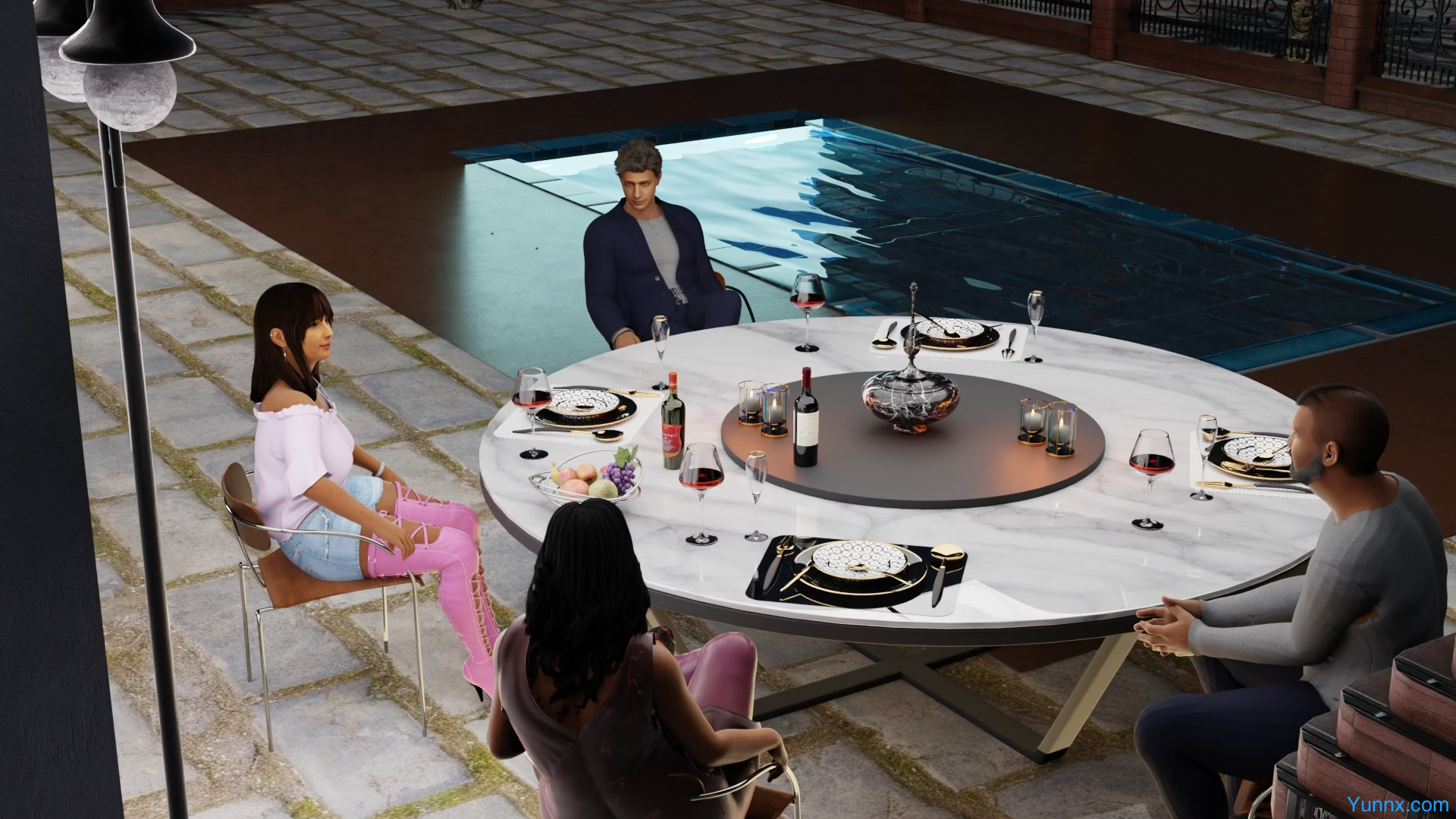
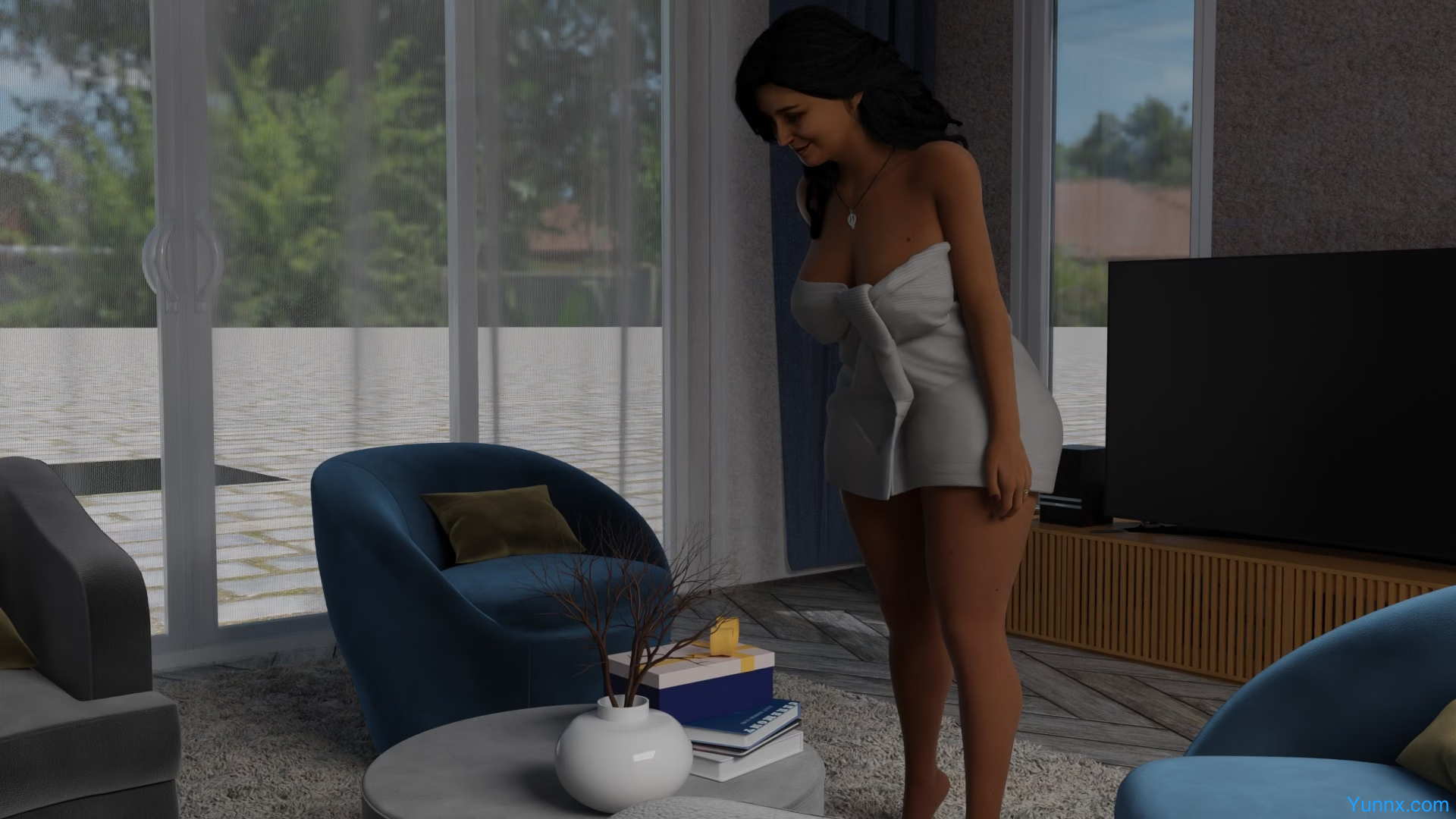
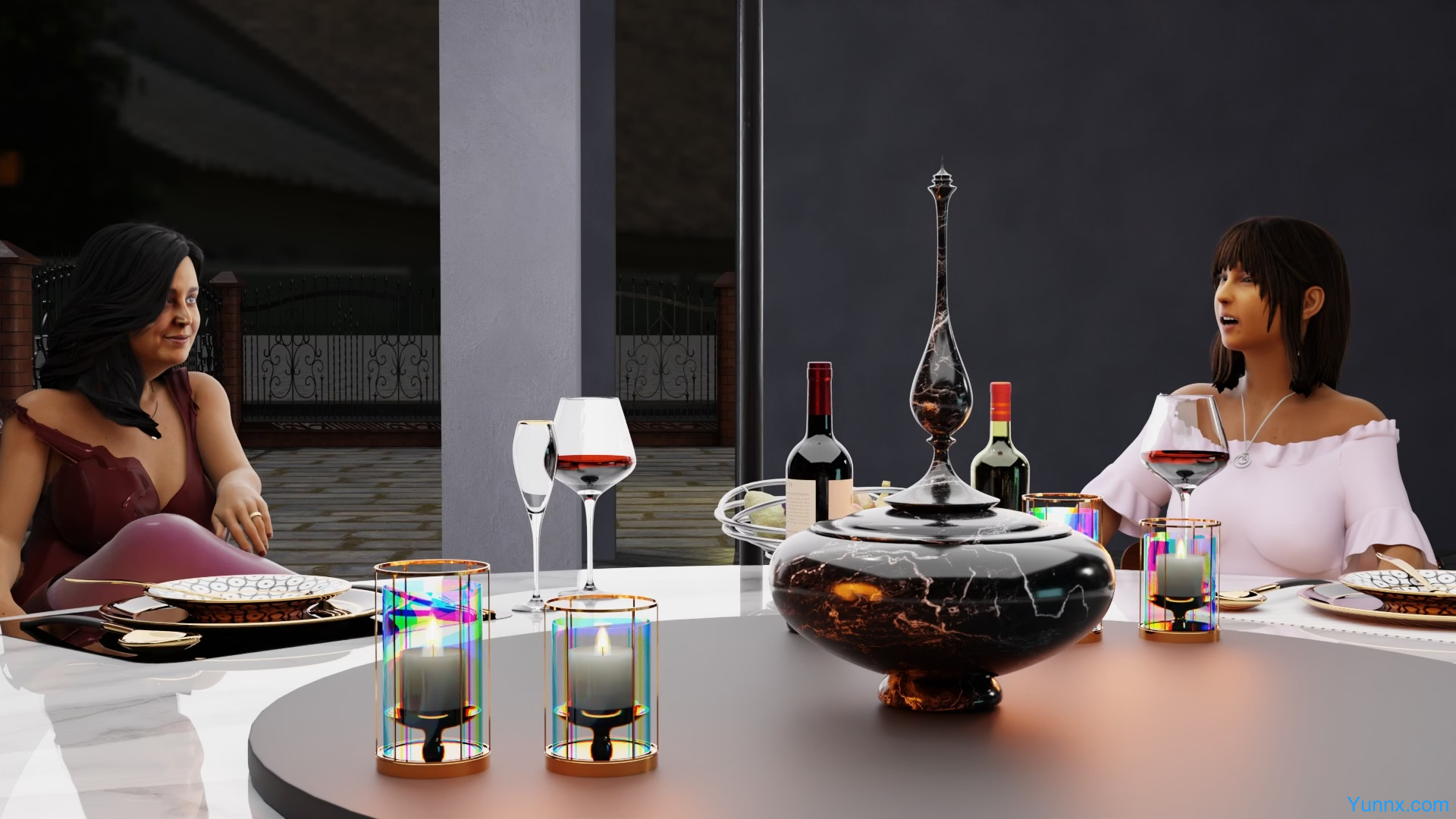
Six years abroad, and the Parkers are finally coming home — if you can call it that. San Alejo didn't wait for them. The city's richer, louder, and visibly rotting in the corners that money tries to polish over. You step back into it through Ethan's eyes first — the primary POV — but the game refuses to stay pinned to one perspective. Sophia, Michael, and Olivia all get their own arcs, their own internal monologues, and their own scenes where the camera drifts away from the protagonist entirely to show you what the are thinking while Ethan's busy lying to himself. That's the real trick here: it's not just your choices that stack. It's everyone else's silence. And in a city that runs on secrets, silence is its own kind of currency.
Return to San Alejo — A City That Remembers What You Tried to Forget
1. The opening movement is pure atmosphere — the family driving in past the city limits sign, the humidity hitting different than they remembered, the way the old neighborhoods look like someone else's memory now. Six years is long enough for a family to reinvent itself overseas and short enough for San Alejo to undo it the second they unpack. The game leans hard into that "you don't live here anymore / you never really left" cognitive dissonance, and it pays off immediately because the city responds to them like a grudge that's been waiting. Old contacts resurface. A neighbor smiles the wrong way. Someone at customs flips a passport page and already knows who they are.
2. Ethan carries the player's agency, and the game lets you name him — small touch, big ownership. But the writing's smarter than a single-protagonist loop: it shifts perspective between family members, dropping you into Sophia's headspace when the domestic pressure cooker rattles, letting Michael's POV reveal the gaps between what he says at dinner and what he's actually handling, and giving Olivia scenes that sketch her own relationship to the city (and to the family's unspoken rules) without filtering everything through Ethan's judgment. The result feels less like a VN with a cast and more like a household you're eavesdropping on from different doorways.
3. The slow-burn isn't a pacing problem — it's a design philosophy. The game tells you upfront: small choices stack into irreversible change. A white lie to avoid a scene. A late night "out with friends" that nobody follows up on. A favor you do for someone because saying no would make it weird. None of these look like plot points in isolation. But the game is counting them, and by the time San Alejo's gravity has pulled everyone into their own orbit, you realize the "return home" framing was a setup — the city didn't take them back. It took them apart.
How It Plays — Multi-POV Branching Without the Spreadsheet Fatigue
1. The choice system avoids the trap of making every dialogue tree feel like a math quiz. Instead of visible stat bars screaming at you, the game tracks pressure, loyalty, and kept secrets in the background — surfacing consequences through changed dialogue, scenes that unlock or silently vanish, and character mannerisms that shift in ways you only catch if you've been paying attention since day one. It's the kind of tracking that rewards replays not because you missed a number but because you missed the look on her face in a scene you blew through the first time.
2. Dedicated PC sequences flesh out the adult content without forcing every interaction through the same lens: Ethan's "Secret Rewards" line tracks the protagonist's own appetite for risk, curiosity, and the specific kind of trouble San Alejo offers a young man who grew up thinking he was better than the city. Olivia's "VelvetFan" thread (named exactly that — suggestive, intentional) maps her own route through the social ecosystem, running parallel to but never fully synchronized with Ethan's. The game is clearly building toward a web where every family member has their own gravitational pull — and the horror/discomfort (depending on your route) is how those pulls start interfering with each other.
3. The content filter toggles on the splash screen are worth calling out because they telegraph the dev's intent: this is a dark, adult-themed narrative first, smut-second, and they'd rather you opt in knowingly than blindside someone who came for the corruption-drama and hit a scene they weren't ready to justify. For a slow-burner that deals in taboo territory, that's the right call — and for the download-page crowd, it also signals there's enough content variety that a toggle was worth coding.