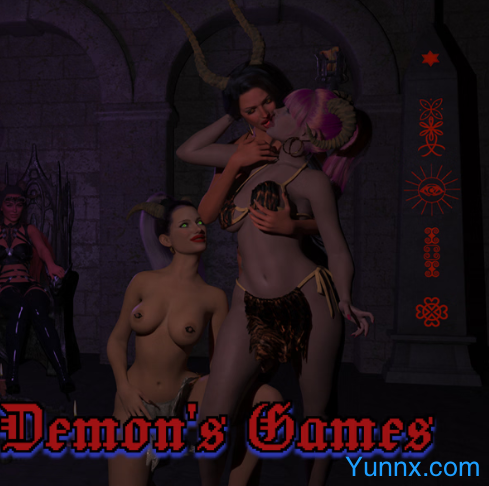
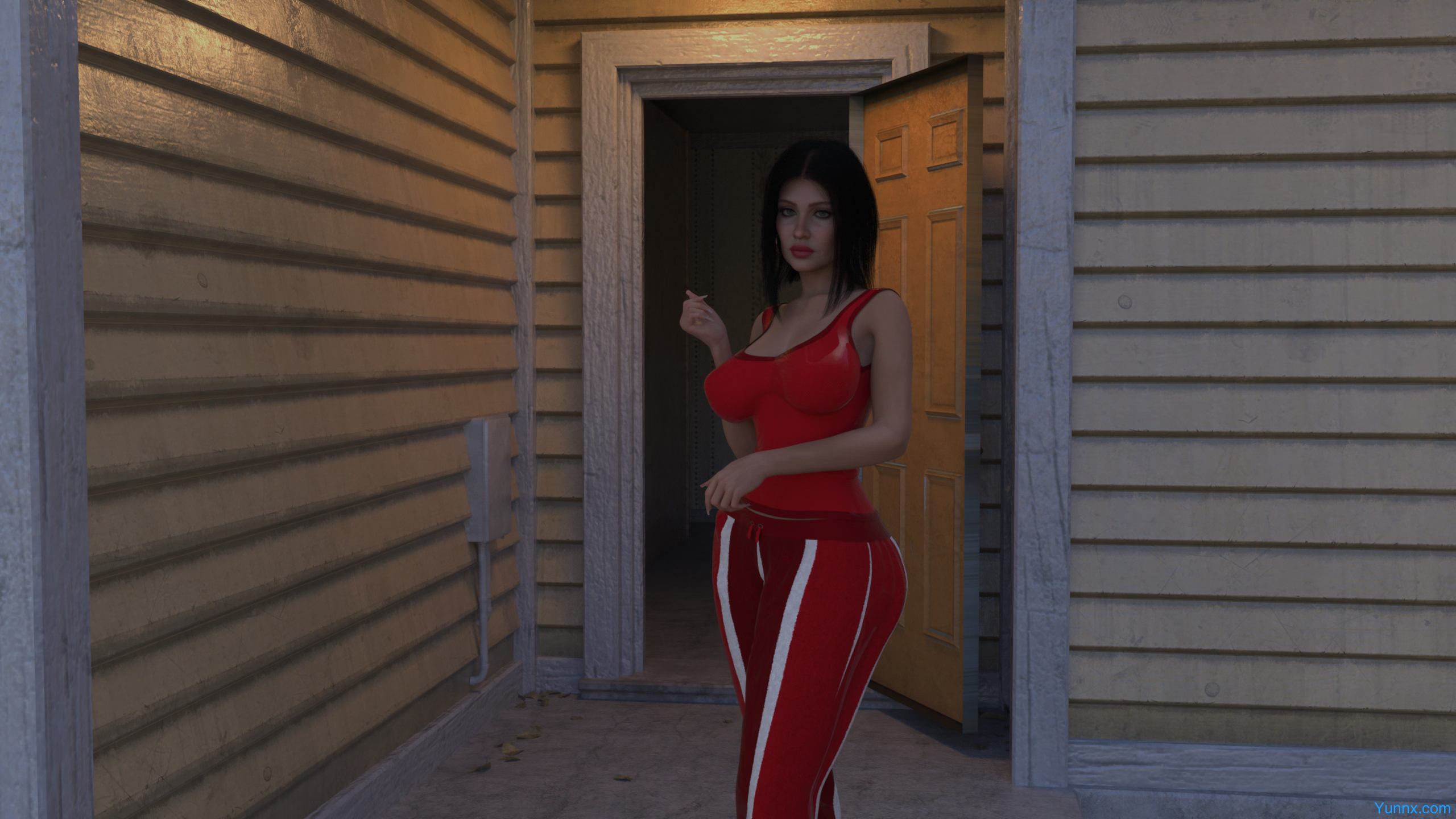
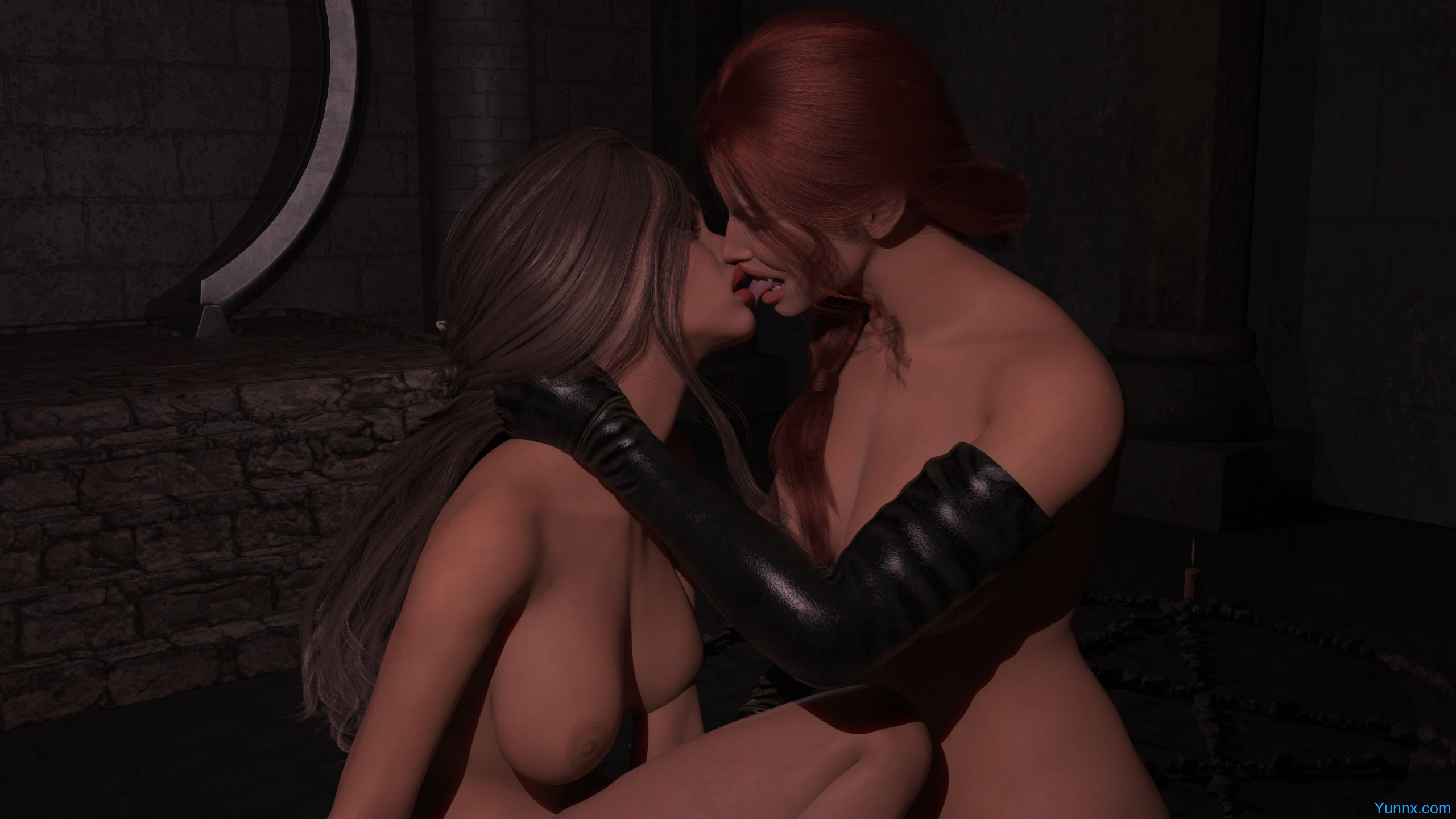
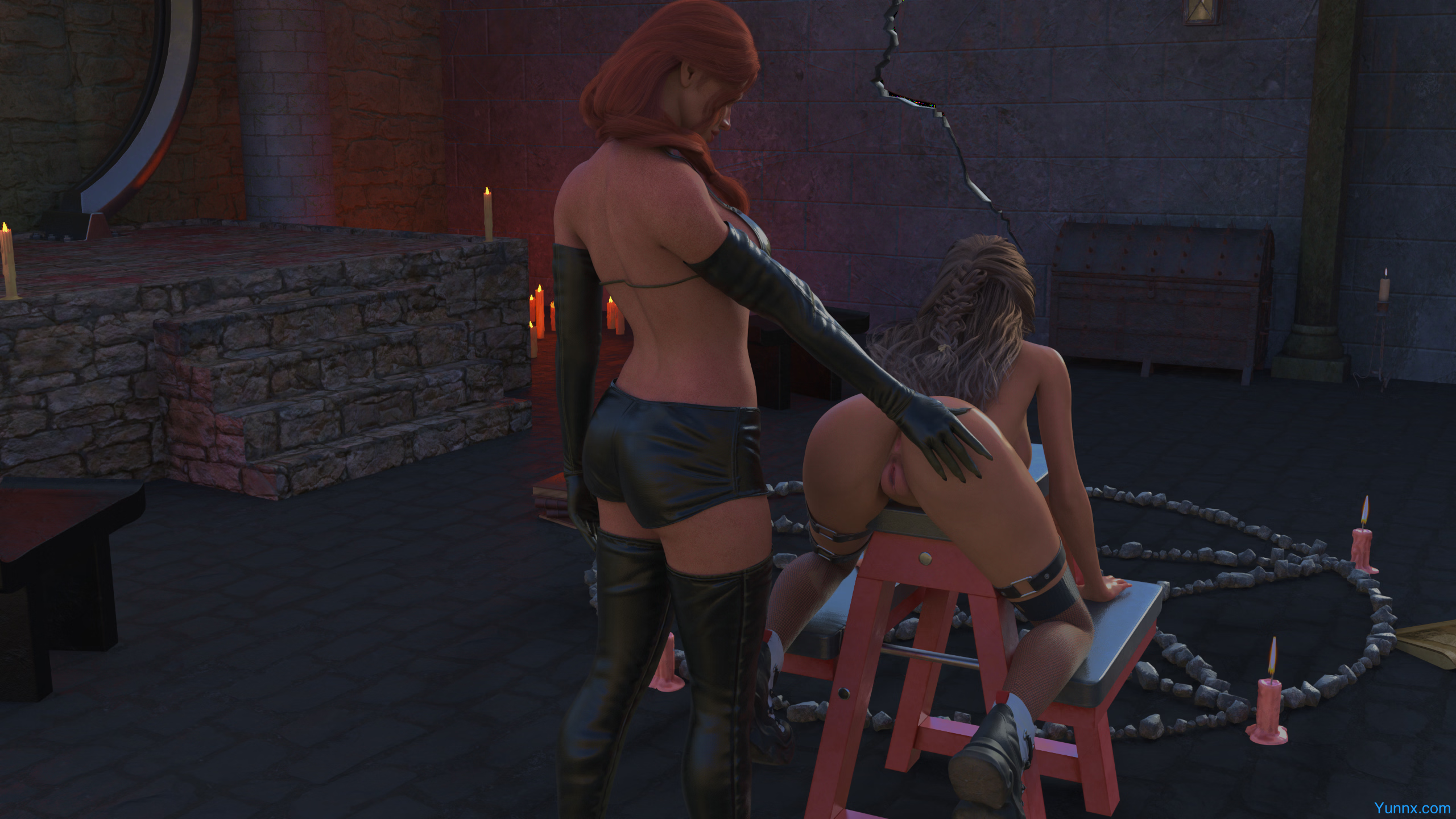
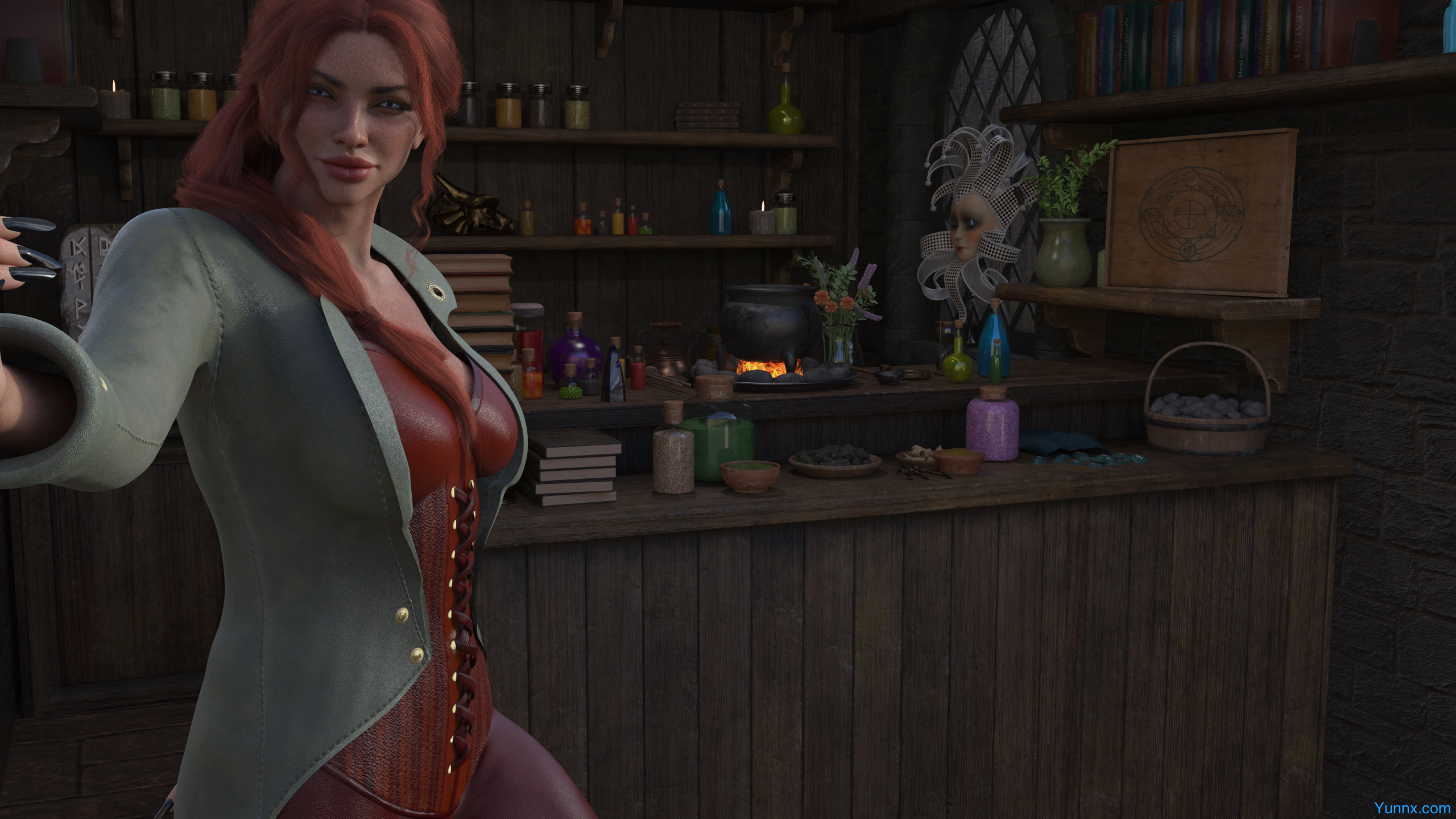
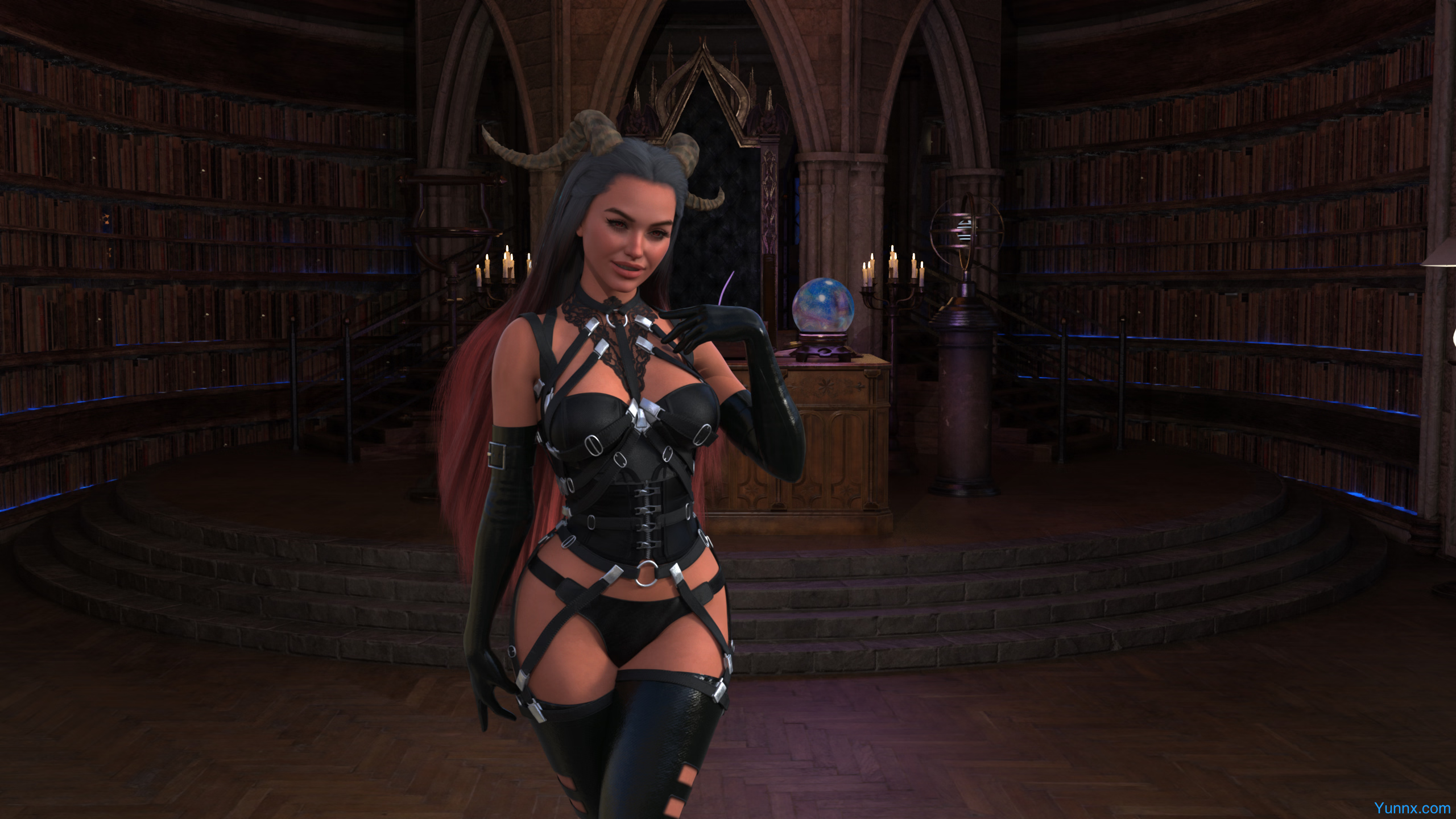
A Friday night hangout. Beer, bad ideas, someone dragging out an old Ouija board they found at a thrift store "for the bit." Nobody takes it seriously — until the planchette stops sliding from nervous laughter and starts moving like something's pushing back. Demon's Games: Remake drops you into a modern friend-group nightmare where a joke summoning actually punches a hole through, and whatever stepped in doesn't play by human rules. The door stays open. The entity sets the terms. And from that point on, every choice, every dare, every moment someone gets separated from the group — that's not your game anymore. That's theirs.
The Opening — Why a "Prank" Is All It Takes
1. The setup earns its tension because it refuses to start with grandeur. There's no ancient prophecy, no cursed bloodline reveal in chapter one — just a cramped living room, cheap drinks, and the kind of peer-pressure momentum where nobody wants to be the one who backs out first. The board itself is treated like a prop. The group goes through the motions: fingers on the planchette, someone fake-creepy whispering questions, everyone half-laughing. Then the laughter dies at the exact same moment, because the board answers a question nobody asked out loud.
2. What follows isn't a jump-scare parade. It's worse — it's the slow realization that the rules of the space have rewritten themselves while you were distracted. Phones lose signal. The locks on the doors… don't matter the same way. The thing that came through doesn't announce itself with fire and brimstone; it announces itself through small impossibilities that compound — a reflection that lags by half a second, a voice on the baby monitor that isn't anyone in the house, the way the temperature drops but your skin feels like it's burning.
3. The genius of the premise (and what drives the replayability) is that the entity understands human dynamics better than the group does. It knows who's the skeptic, who's the leader, who's already one bad breakup or one secret away from cracking. It doesn't attack everyone equally. It plays them — separates, isolates, tempts, and corrupts — turning the friend group's own trust architecture against itself. By the time anyone talks about "getting help," the entity has already decided who carries its voice next.
How It Plays — Choice-Driven, Branching, and Heavy on Consequences
1. Structurally this runs as a choice-driven interactive thriller / VN hybrid — dialogue trees, environmental investigation, and timed pressure decisions where hesitation is itself a choice. You're not controlling a combat avatar; you're managing people. Who you stick with when the group splinters. What you tell the others versus what you keep quiet because it makes you look crazy. Whether you try to close the door or start negotiating with what's already inside. Every route forks on trust, and trust is the first thing the entity erodes.
2. The branching is built around relationship integrity as much as survival. Characters have affinity and mental-state tracks running behind the scenes — fear, suspicion, guilt, and a creeping fascination none of them want to admit — and the entity actively feeds on those states. Push someone too hard and they shut down or bolt. Handle them right and they stay in the fight, but "right" isn't always moral. Sometimes the play that keeps the group alive is the one that stains you.
3. Saving and loading is technically an option, but the game nudges you toward living with outcomes. Certain scenes only unlock when the entity has had time to work on a character — meaning the corruption/pathos content isn't just a toggle you grind out in one sitting; it reveals itself through the logic of what your group allowed to happen. For players who treat it like a puzzle, the real puzzle is: how much of yourself do you compromise to keep everyone breathing? For players here for the darker side, the answer is exactly why the content rating exists.
The 18+ Element — Corruption, Possession-Adjacent Horror, and Why "Consent" Gets Complicated
1. The adult content in Demon's Games: Remake is rooted in the classic strengths of paranormal corruption writing: the entity doesn't just threaten violence — it offers. It dangles relief from fear, clarity, power, physical pleasure threaded through violation-adjacent scenarios where the line between "I want this" and "something in me wants this" is deliberately blurred. Possession-lite sequences, suggestive manifestations, dream-intrusion scenes, and moments where a character's body language stops matching their words — the game uses them to make the supernatural feel intimate, which is exactly where it hurts most.
2. Fair warning for expectations: this is not a generic harem-with-ghosts setup. The erotic horror here works because the characters are scared, because the attraction is laced with revulsion, and because the entity's influence is framed as something that wants to be welcomed rather than something that just takes. That framing lets the writing explore manipulation, coercion-adjacent tension, and gradual moral slippage without ever pretending it's wholesome — it's tagged and written for adults who know the difference between a fantasy frame and a real-world boundary.
3. Multiple endings orbit a single question: do you find a way to seal it out, do you bargain it into a cage, or do you — exhausted, altered, carrying pieces of something ancient under your skin — let it in because at least then the fear stops? The epilogue branches reflect who's left, who's still themselves, and what kind of mark the night left on the people who walked out. Replay with different priorities — protect the group vs. protect yourself — and the entity reveals a different face each time.