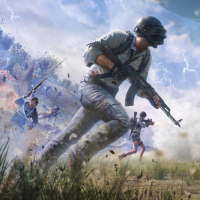




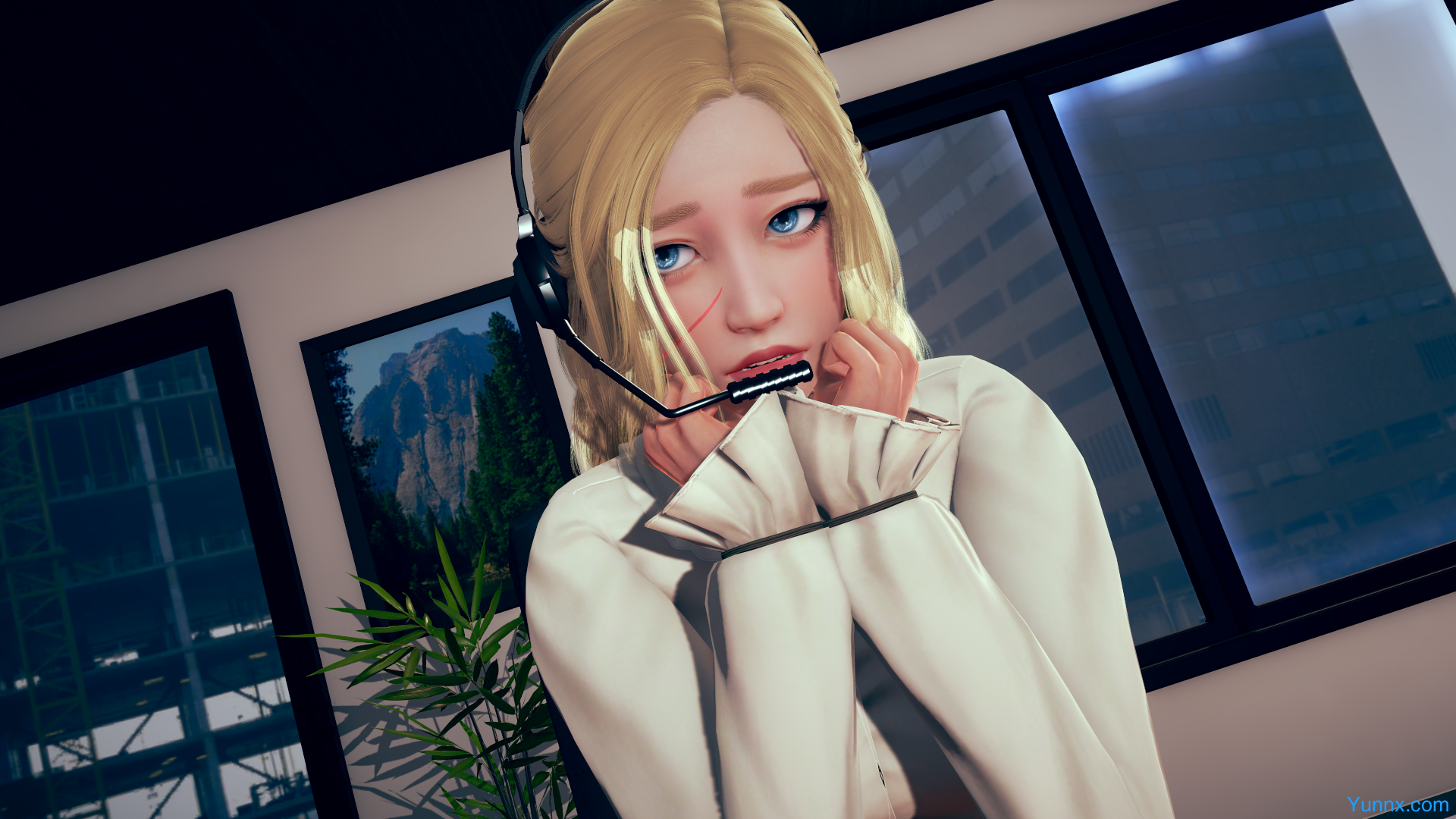


One war ended when the demons vanished. Everyone thought it was over — until the ghosts showed up and made the old bloodshed look tame. You operate under Phantyx, the special taskforce thrown together when the "peaceful" rebuild started rotting from the inside out. You've been at this since you were fourteen, bloodline and badge both inherited the hard way, and eight years later your file reads the same everywhere: fast, efficient, and too merciless for anyone's comfort. The job isn't about saving the world anymore. It's personal. Your parents died to these things. You promised they'd be the last casualties. Now the question isn't whether you can kill every last ghost — it's what version of you survives the purge.
The World After the Disappearance — Why "Peace" Didn't Stick
1. Human–demon coexistence ran hot for generations — border skirmishes, purges, full-blown wars written into every scarred city block and half-collapsed cathedral wall. People learned to sleep with iron under their pillows and wards on every threshold. Then, practically overnight, the demon armies just… withdrew. No treaty. No final stand. They folded back into whatever hell they crawled out of and left the surface quiet for the first time in living memory.
2. That quiet rotted faster than anyone expected. The demons didn't leave the door closed behind them — something else pushed through the gap. Invisible at first, then glitches in reflection, cold spots that wouldn't fade, shadows that tracked you across rooms with intent. By the time official channels admitted it, the "hauntings" had already bled into infrastructure: transit tunnels, decommissioned warfront bunkers, even the old demon-war memorial sites — places where the veil was already thin and nobody wanted to look too close.
3. Phantyx was never a proper government agency. It started as a black-budget emergency unit — hunters, ex-militia, widows and orphans of the demon wars who knew the old kill-zones better than any diplomat — and hardened into the only outfit willing to step into a site after the first three response teams didn't walk back out. If regular law enforcement is the uniform you see on street corners, Phantyx is the bootprint you find in dust where something else recently stood.
Your File — Fourteen, Bloodied, and Built for This Work
1. You didn't choose Phantyx. Not really. Your parents were already in — career hunters who knew the coexistence era was a powder keg and stayed frontline anyway — and when they were killed, the only thing the organization could offer a fourteen-year-old orphan was a badge, a bunk, and the blunt truth that nobody else was coming to clean this up. You took the badge. You've worn it eight years since, and the rank you carry now wasn't handed to you — it was earned mission by mission in places that break people.
2. "Merciless" isn't marketing. It's the field assessment everyone agrees on and nobody elaborates. You don't negotiate with entities that don't technically exist; you don't waste time on cleansing rituals that work one time in four; you ID the pattern, isolate the anchor, and burn the whole locus down before whatever's wearing the skin finishes materializing. Other hunters talk about closure and peace of mind. You talk about extermination counts and how many nights you slept through without a cold spot waking you.
3. The personal angle is exactly why command keeps you deployed and exactly why psych-eval keeps flagging you. The promise you made — every last ghost gone — isn't sustainable doctrine, and everyone knows it. But Phantyx also knows that a hunter with nothing left to lose moves faster, aims cleaner, and comes back from sites that send rookies screaming into stress leave. The arrangement works. Right up until the moment it doesn't — and that moment is looking closer than anyone's putting in the weekly briefing.