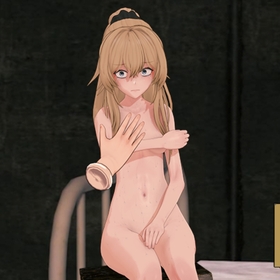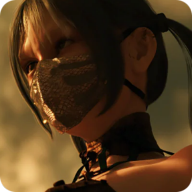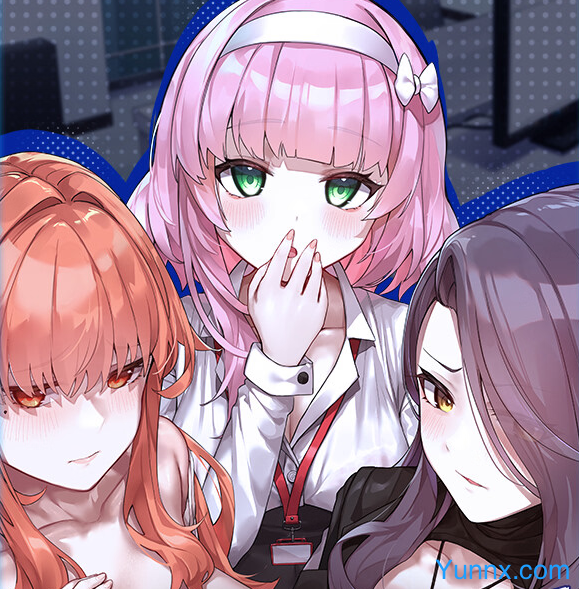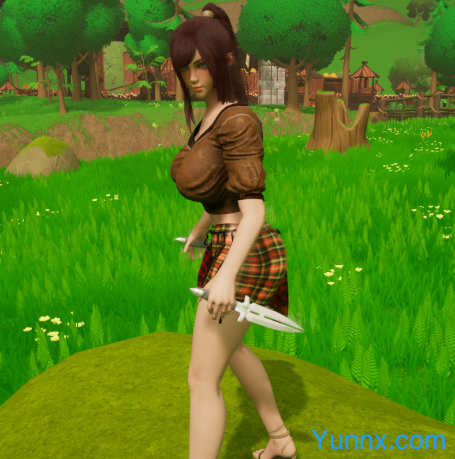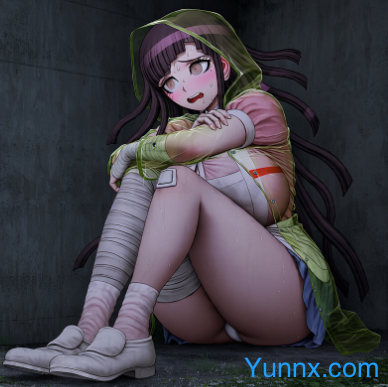
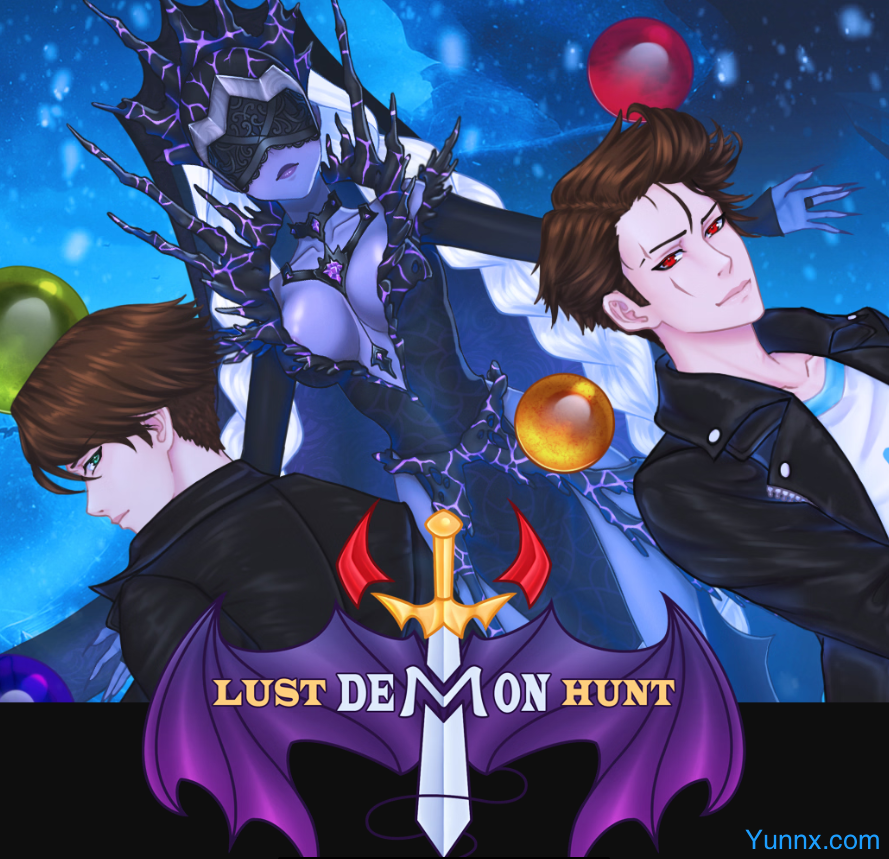
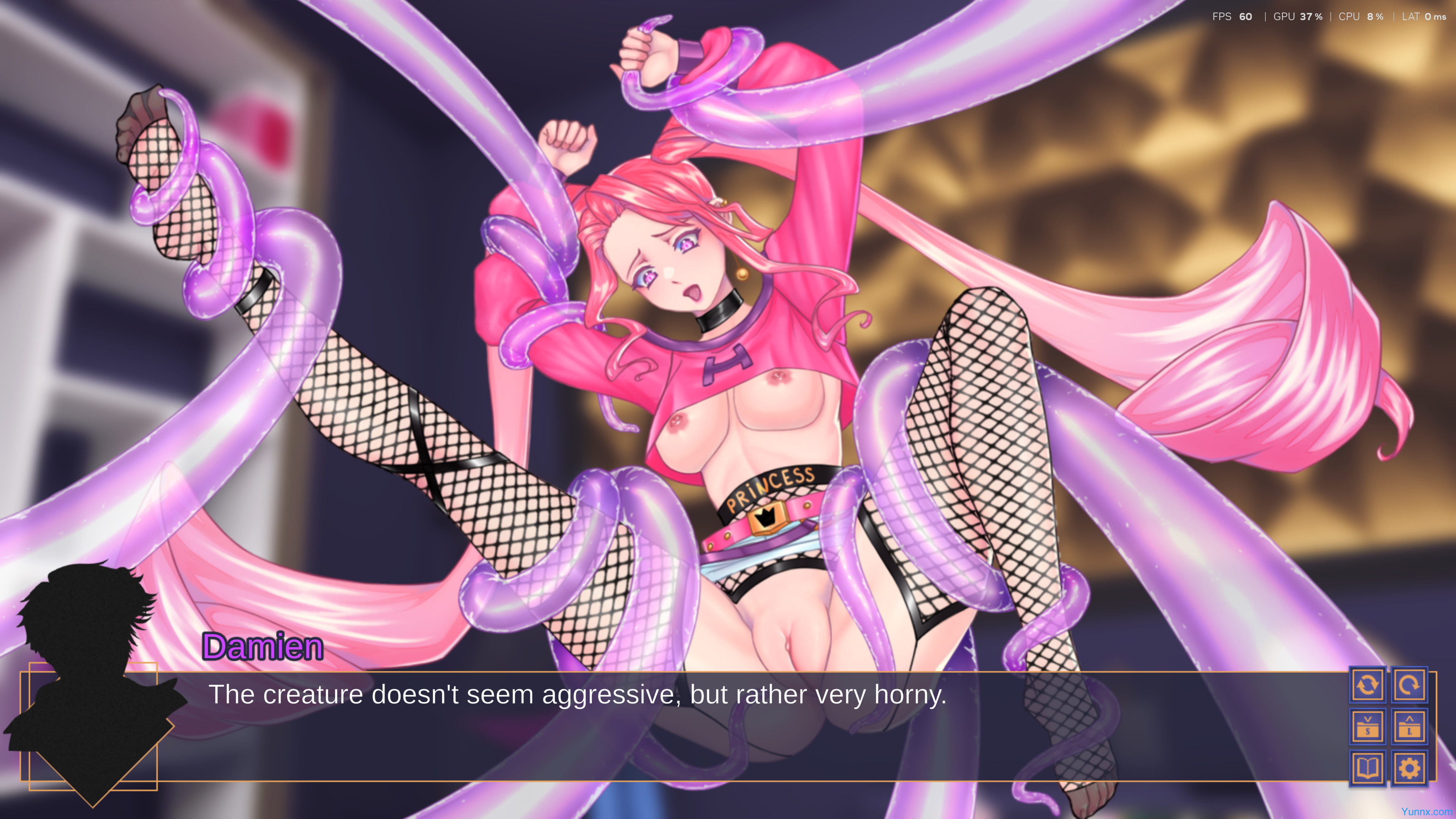
Lust Demon Hunt is a choice-driven 18+ interactive story built around turn-based RPG combat and relationship routing, following Hisao — a guy who's spent years writing off the voice in his head as useless mental static, right up until the moment that "static" talks back with a name, a will, and a seat behind the wheel of his own body. What starts as a personal crisis drags him straight into a demon hunter bloodline he didn't ask for, a world layered with occult realms most people never see, and a slow-burning apocalypse scenario where every major faction wants something out of his skin. Brutal fights, fraught alliances with women who aren't exactly on humanity's side, and a branching narrative where your calls actually stick — the kind of setup where "good intentions" won't save you, but the right bedfellows might.
The Setup — A Parasite with a Personality Problem
1. The opening hook does a lot of quiet heavy lifting. Hisao's internal monologue has always been there — nagging, annoying, the kind of thing you learn to tune out — but the reveal that it's a fully conscious entity trapped inside him flips the entire power dynamic overnight. It's not a possession trope where he blacks out and wakes up covered in blood (well, not at first anyway). It's worse: it's cohabitation. The thing thinks through his head, pulls on his memories, and occasionally drops intel he shouldn't have. Whether you treat it like a partner, a prisoner, or something in between is your first real choice, and the game pays attention.
2. From there the hunter angle kicks in fast. The entity's presence acts as a key — it's the reason demon-blooded things can see him, and also why certain doors (literal and metaphorical) open when they shouldn't. You're thrown into a world that runs on rules most people never glimpse: pocket dimensions stitched into alleyways, safehouses hidden behind warding sigils, and a food chain where humans sit squarely at the bottom unless someone's holding a blade. The tone stays dark and morally grey without trying to edge-lord you to death — it's more "exhausted survival with a side of cosmic dread" than pure edginess.
3. What keeps players coming back to this loop is how the narrative refuses to give you a clean allegiance. The entity wants something — and it's not freedom in the Hallmark sense. The Supreme Demon threat looming over everything is real enough that ignoring it means extinction, but "defeating" them might require crossing lines Hisao's still-forming identity can't quite reconcile. You're not picking Good vs Evil here. You're picking which version of damned you'd rather live with.
Gameplay Loop — Turn-Based Combat, Stats, and "Who Do You Trust?" Routing
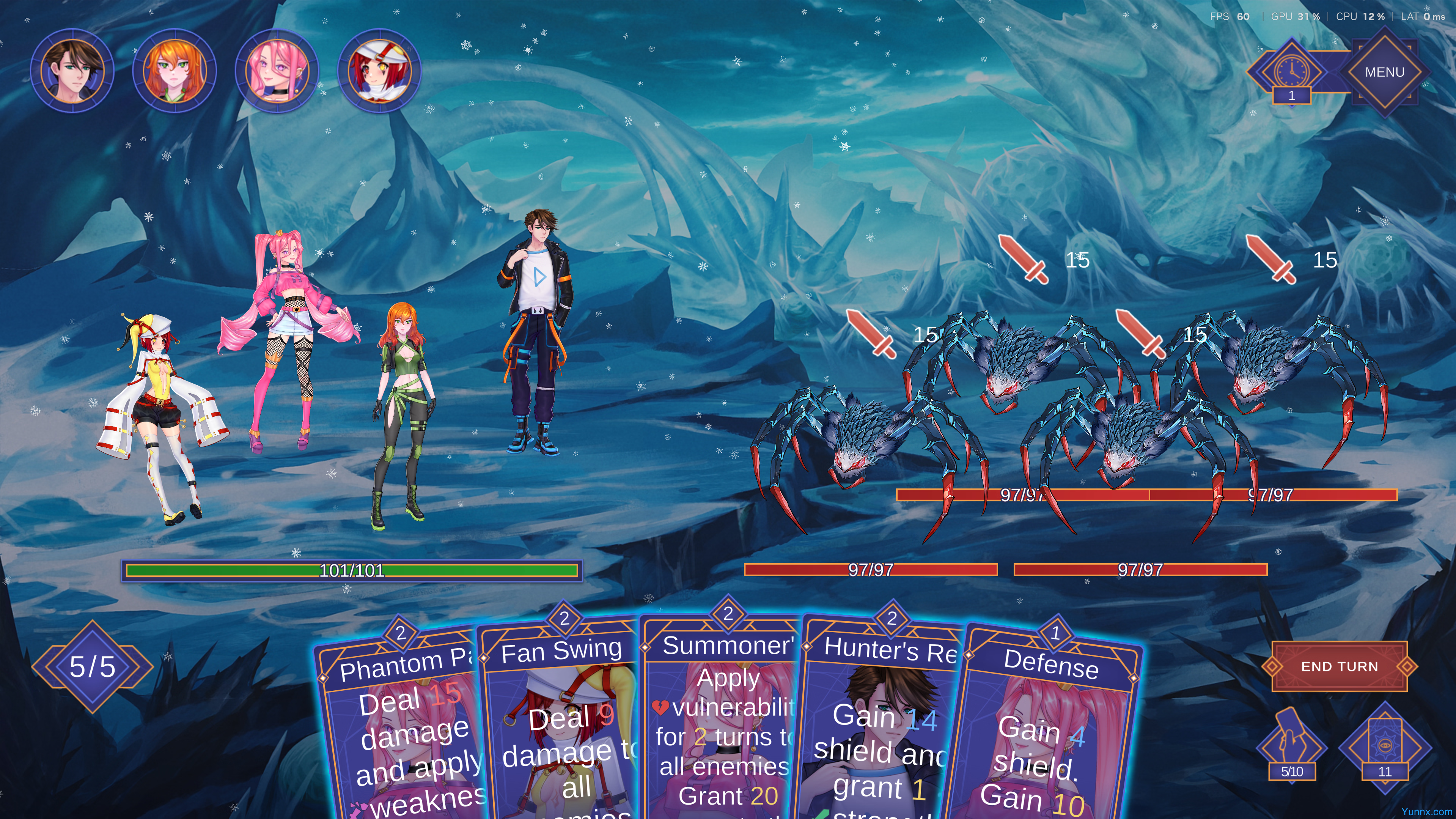
1. Combat is grid/turn-based at its core, which keeps the focus on positioning, resource economy, and reading enemy behavior instead of reflex-checking you into a wall. Hisao's moveset evolves as you sink points into his skill tree — weapon proficiencies, reaction counters, and a handful of entity-tainted abilities that hit harder the more you let the parasite out. Managing that trade-off is its own minigame: lean on the demon's power and fights get easier, but the meter doesn't reset for free, and certain scenes will call back to how far you've let things slide.
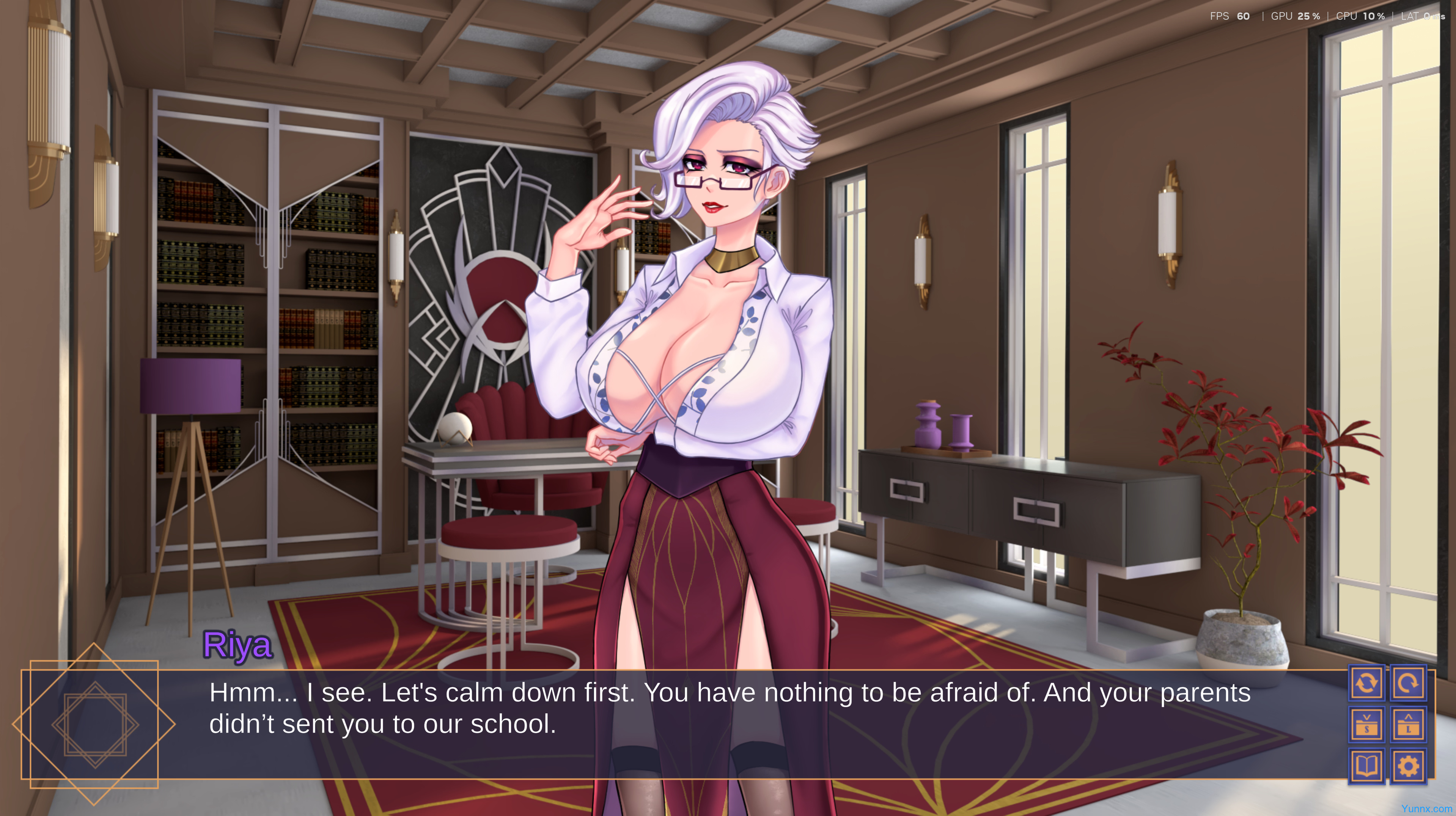
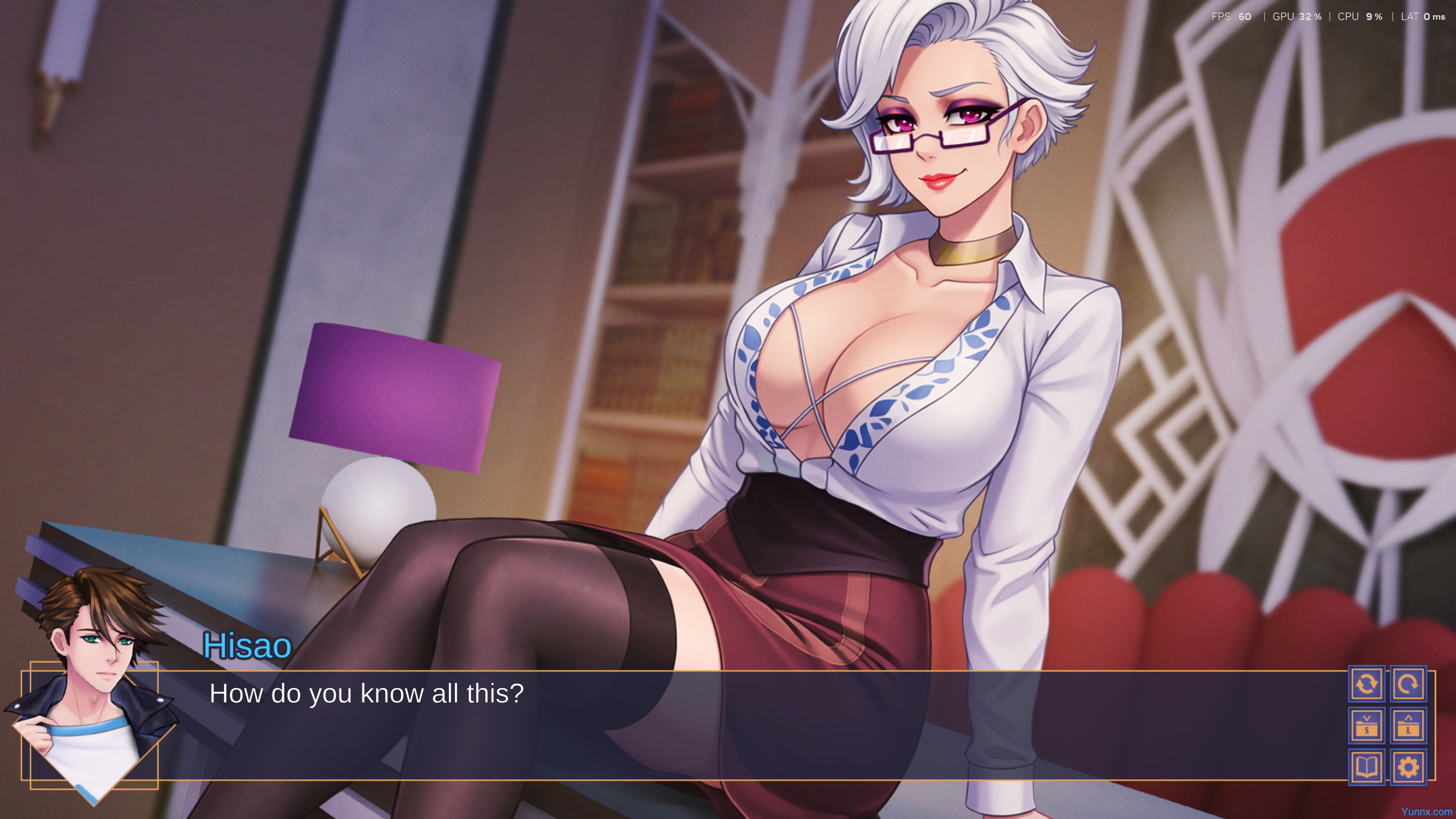
2. Between battles the game plays like a relationship-heavy branching VN with RPG scaffolding. Dialogue trees and investigation segments funnel into affinity flags with the cast — including the demon girls you run into, some of whom want you dead, some of whom want to use you, and a few who land somewhere complicated in between. The routing matters: high affinity doesn't just unlock lewd content (though yeah, that's there and it's framed with actual character context), it changes who shows up to bail you out when a plan goes sideways, and what intel you're allowed to hear.
3. Progression is paced so you're never just stat-walling your way through consequences. Gear, consumables, and skill resets exist, but the game's real difficulty slider is social — who you've impressed, who you've alienated, and whether the voice in your head is working with you or quietly steering the wheel when you aren't looking. Save often, because the script doesn't rubber-stamp your choices to make you feel good about them.
The Cast & Content — Where the 18+ Side Actually Sits in the Story
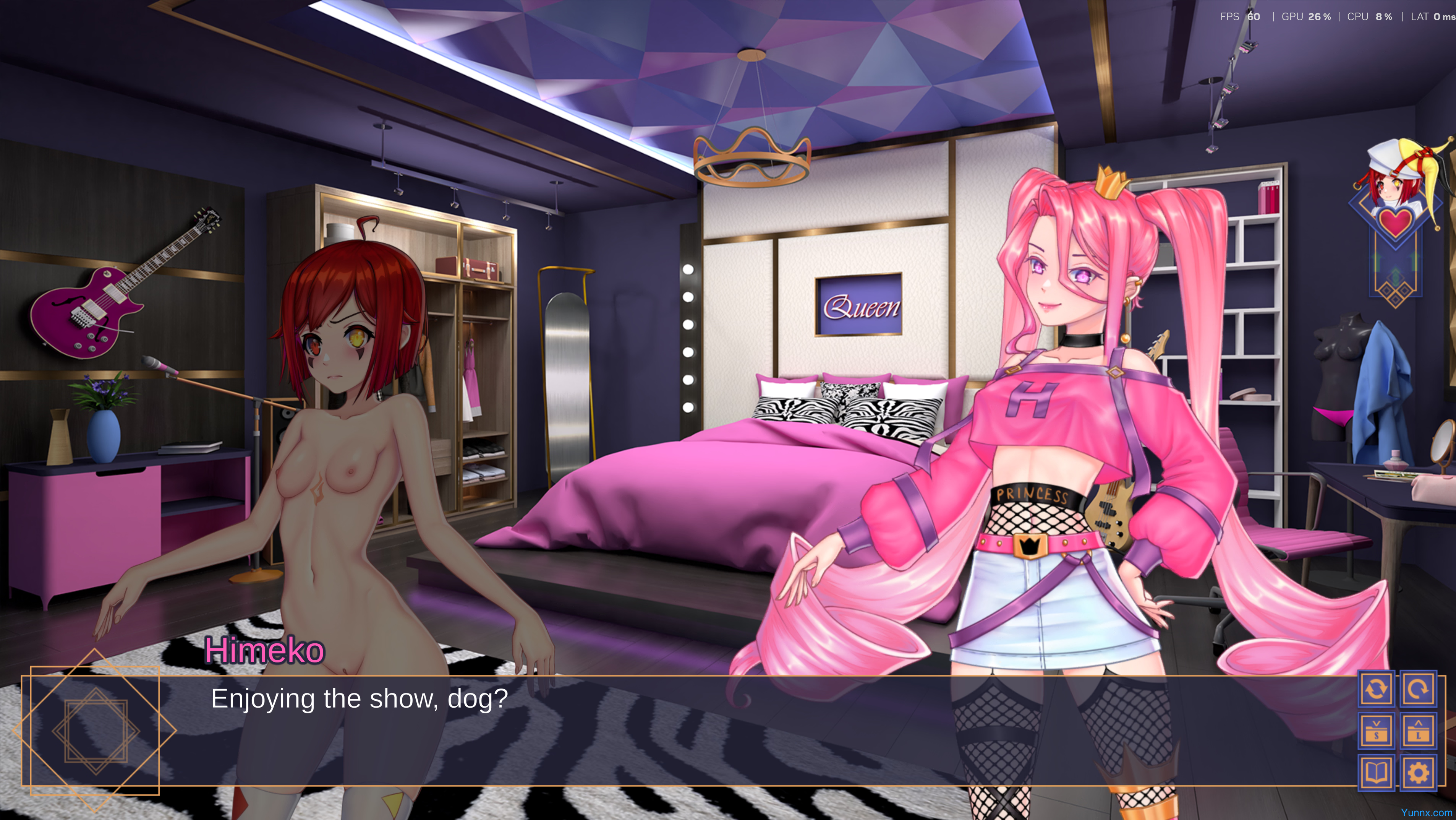
1. The demon girls aren't just encounter tokens waiting to be conquered — they're embedded into the political mess of the setting. Each one represents a different current within the occult world: factions that pre-date human history, courts that operate on currencies you don't have yet, and personal agendas that make "siding with them" a negotiation rather than a checkbox. Building a relationship with any of them means navigating what they are, not just unlocking a scene. The writing leans into that friction instead of sanding it down.
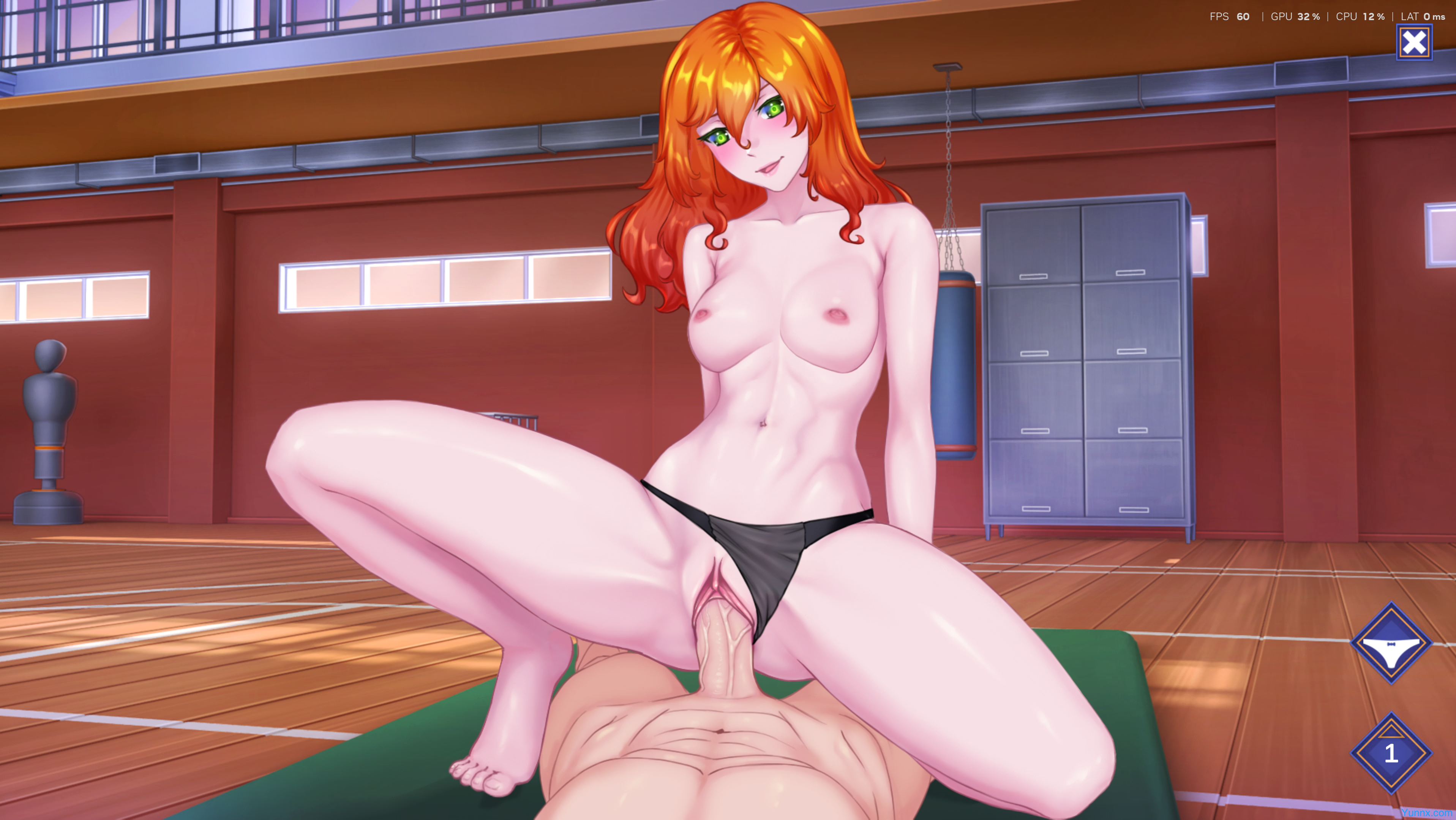
2. The lewd content itself scales with narrative context. Mind-blowing sex scenes are positioned as extensions of power dynamics — dominance/submission, forced proximity, pact-binding, the blurred edges of consent when one party isn't fully human and the other is already sharing headspace with a demon. It's clear this is an adults-only title and it owns that, but the H-scenes are threaded through the plot rather than dropped in as disconnected galleries (gallery unlock mode aside if the build includes one).
3. For players chasing the full spread — multiple endings branch off the Supreme Demon question. Break free from the entity. Bind it tighter and ride the power. Strike a deal that changes what "human" even means for Hisao going forward. The route splits early enough that replays don't feel like rewatching cutscenes with different lipstick — your affinity totals and a handful of hidden flags actually redraw which paths stay open. Community chatter around similar titles usually circles back to the same advice: if a character warns you not to trust someone, believe them, and don't burn your warding items for quick cash.