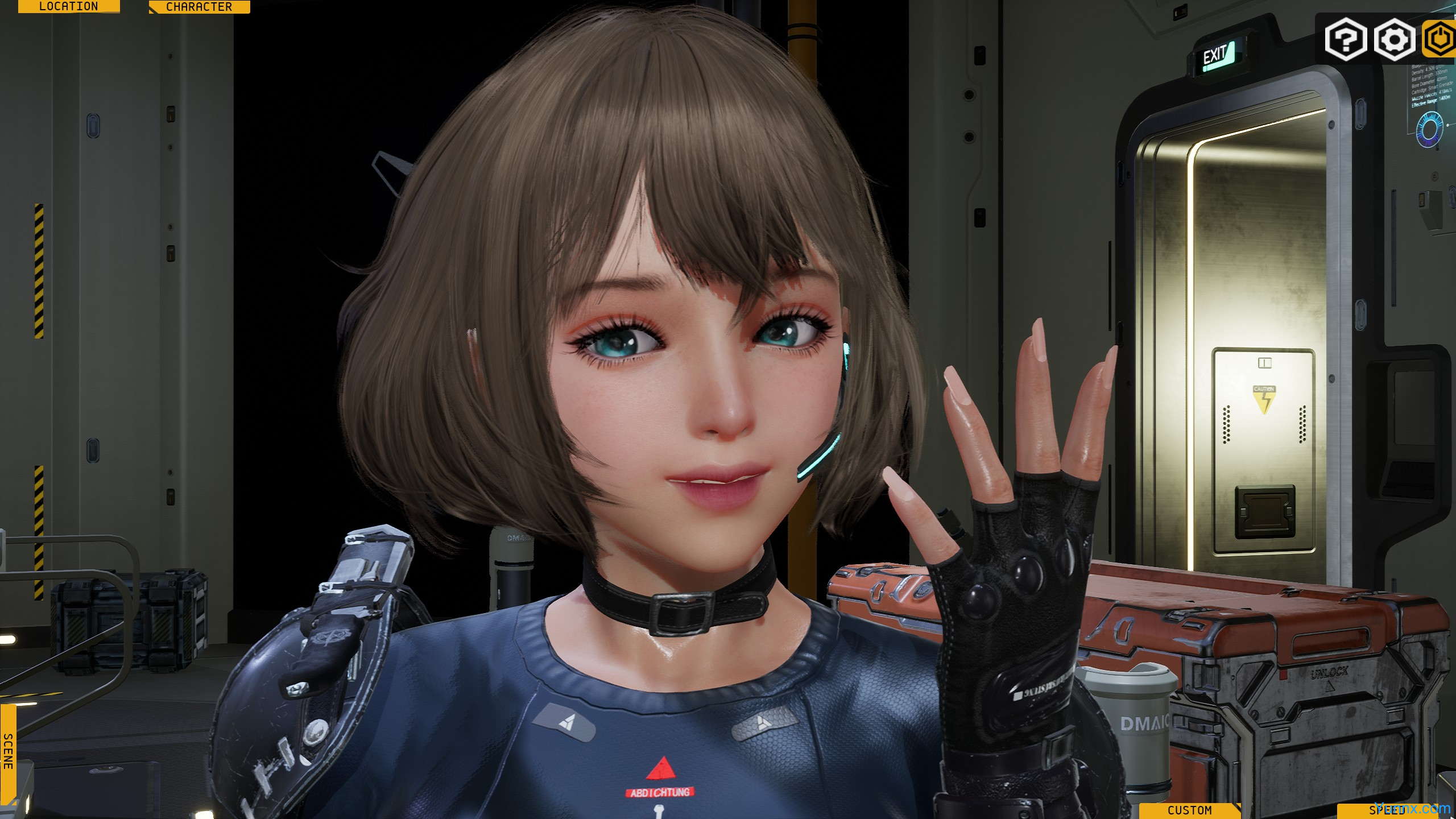





Sumire’s Secret is an R18 narrative horror game following a teen student whose teacher’s dangerous one-sided obsession turns her ordinary daily routine into a relentless 24/7 nightmare set across the claustrophobic halls of her school and quiet streets of her hometown, with no heroic saviors to be found—only trapped victims and ruthless villains in its twisted, choice-driven story.
Unflinching Exploration of Predatory Power Dynamics
1. The entire core premise leans into the quiet, unspoken terror of a trusted authority figure weaponizing their position to target a vulnerable student, with the teacher’s fixation on Sumire written to feel uncomfortably realistic rather than cartoonishly over-the-top, letting players feel the creeping dread of being watched and controlled at every turn without warning.
2. Unlike standard horror games that rely on cheap jump scares or external monster threats, the danger here is a familiar, seemingly upstanding figure who uses small, mundane actions—lingering after class to “go over homework”, “accidentally” running into Sumire after school, monitoring her social media and personal friend interactions—to tighten his grip on her life slowly over weeks of in-game time.
3. There are no last-minute rescues or deus ex machina hero figures woven into the main storyline; every choice players make directly impacts how much control Sumire retains over her own life, with most narrative paths ending in her becoming either another long-term victim of the teacher’s obsession or a ruthless villain forced to make cruel choices to survive his unrelenting torment.
Immersive Oppressive Gameplay & Environmental Storytelling
1. The game uses a first-person perspective and fully explorable 3D environments to drop players directly into Sumire’s shoes, from her crowded classroom and empty school janitorial closets to her small bedroom and the dimly lit alleyways she walks through after mandatory after-school tutoring sessions, with every space littered with small, unsettling details hinting at the teacher’s hidden surveillance.
2. A dynamic tension meter tracks how closely the teacher is monitoring Sumire’s whereabouts at any given moment, forcing players to balance small, normal activities like attending club meetings, buying snacks with friends, or studying in the library against the risk of running into him when his attention is focused on her area of the school or town.
3. Small, optional environmental clues scattered across every map—half-written obsessive notes hidden in Sumire’s desk, deleted text threads recovered from her old broken phone, short security footage clips of the teacher lingering outside her home late at night—let players piece together the full scope of his fixation even as they try to keep Sumire out of his reach.
Explicit Mature Content & Branching Narrative Consequences
1. As an uncut R18 release, the game includes fully explicit, uncensored scenes tied directly to the teacher’s predatory behavior and Sumire’s desperate attempts to escape his control, with all mature content integrated naturally into the core story rather than added as disconnected, optional bonus material for shock value.
2. The branching narrative features 7 distinct endings, ranging from tragic victim paths where Sumire is trapped under the teacher’s control indefinitely, to villain paths where she adopts his cruel, obsessive tactics to turn the tables on him and other people who have wronged her, with no “perfect happy ending” available for players who seek a traditional, feel-good conclusion.
3. Community-shared playthrough breakdowns and player discussion threads highlight the most common narrative pitfalls new players fall into, with many fans posting their own theories about the teacher’s unrevealed backstory and hidden lore details that explain the root of his obsessive fixation, making active participation in the game’s fan community a key part of the full experience for repeat players looking to uncover every secret.