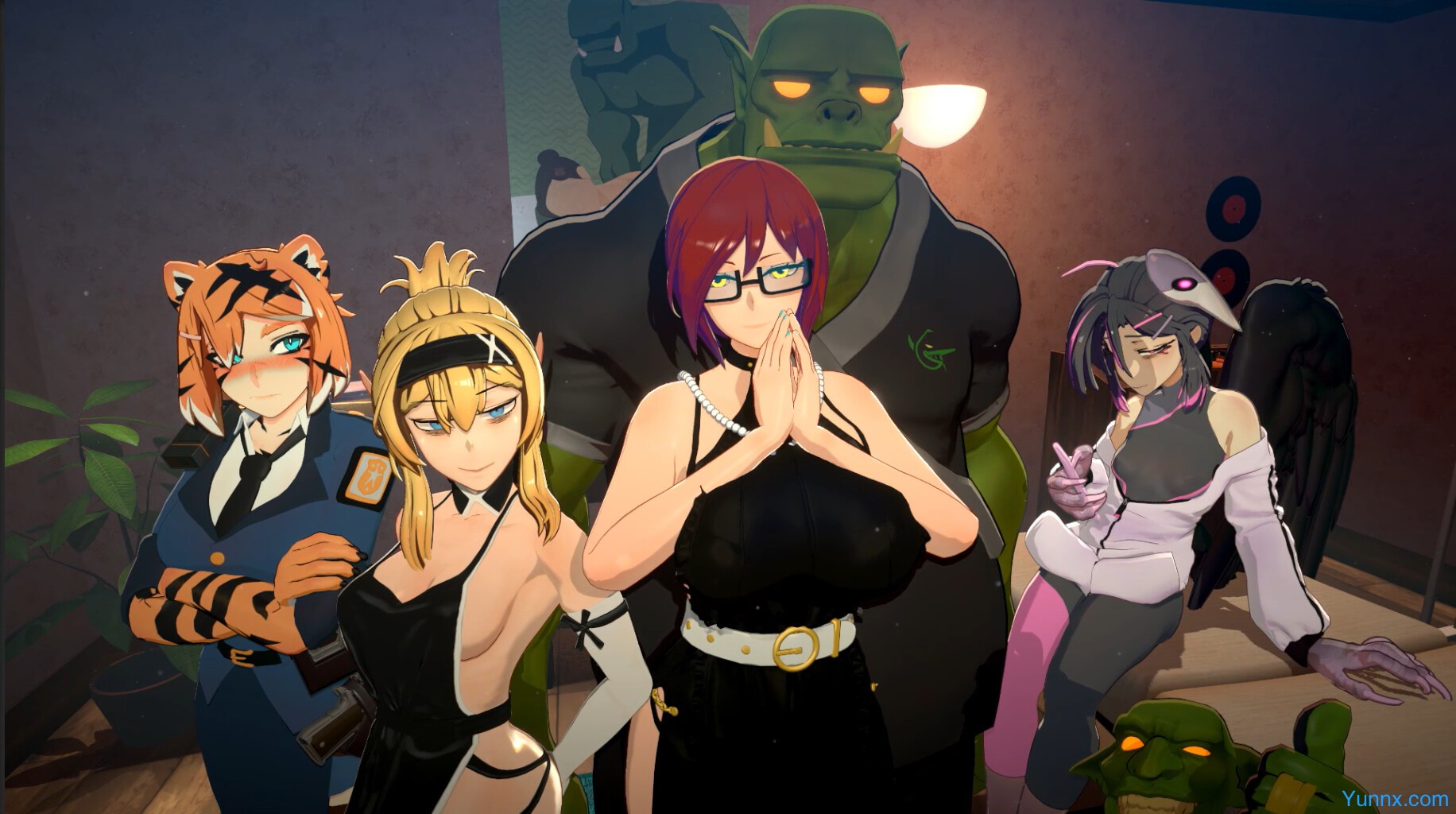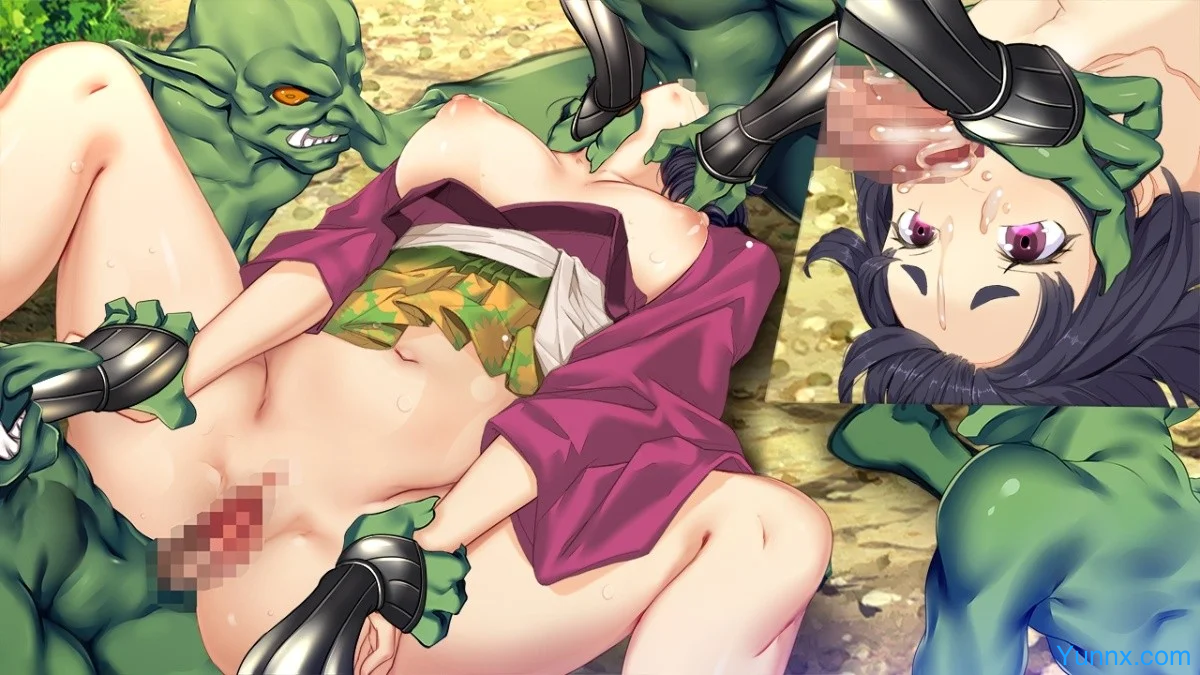

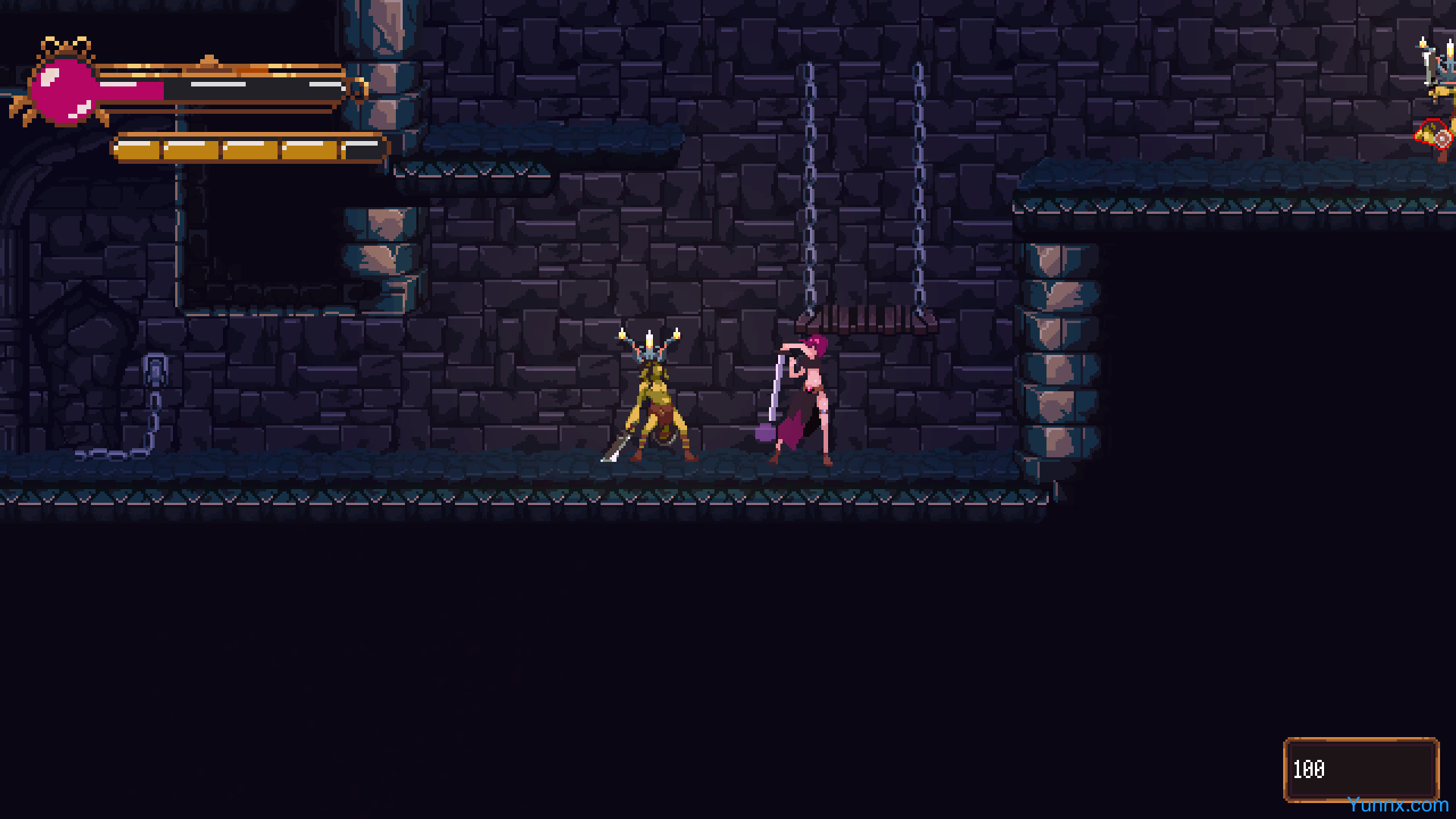
Goblin Escape drops you straight into the boots of Kalin, a battle-hardened messenger-warrior who thought she was just delivering a letter and ended up caged in a goblin-swarmed ancient dungeon instead. It's a 2D side-scrolling action-platformer built around stance-switching combat, stealth-by-scent mechanics, and a branching narrative where the monsters aren't just mindless mobs — they talk back, they scheme, and they remember what you do. Currently in development by PsychoSeel and tagged 18+ for its mature thematic content (implied sexual violence/abuse written into the narrative and dialogue), the game sits squarely in that dark-fantasy, souls-lite, "something-is-rotten-here" space where your curiosity and your survival instinct pull in opposite directions.
What Happens When the Mission Goes Sideways
1. Kalin's intro is classic setup-on-purpose-to-subvert-it: war is tearing the region apart, a critical message has to get through, and the fastest route cuts through ruins that shouldn't still be active. She goes in. The dungeon isn't empty. The goblins aren't scattered scavengers anymore — they're organized, they hold ground intelligently, and the deeper you push, the clearer it gets that something (or someone) sparked their sudden unity.
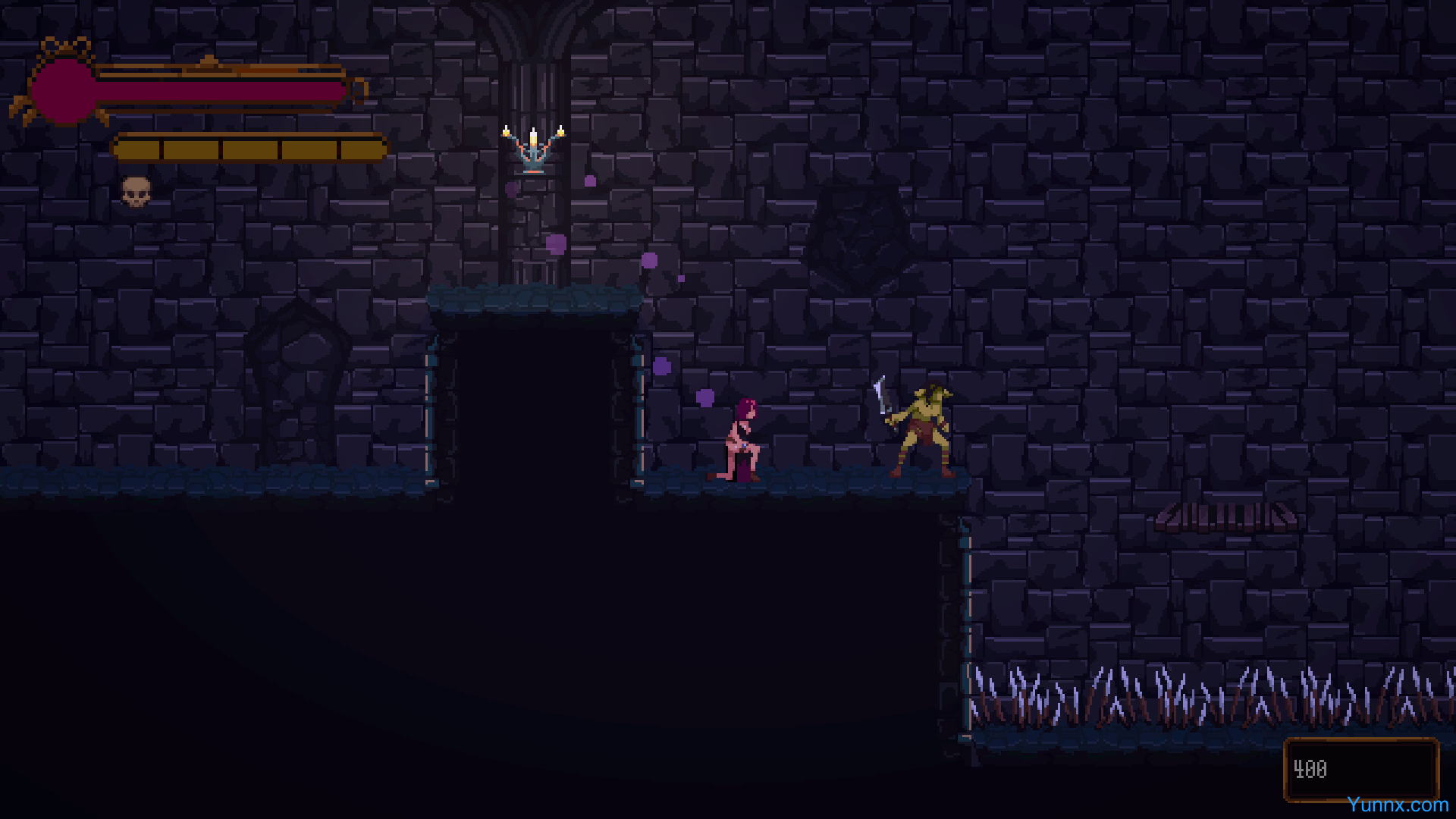
2. Being trapped flips the whole premise. You're no longer on a delivery run; you're managing stamina, reading patrol routes, deciding which fights are worth taking and which ones you need to ghost past in the dark. The game gives you both toolsets — full-on aggressive stance combat and a surprisingly deliberate stealth layer — so you're never locked into playing it one way. Your running tally of "how much noise did I just make?" actually matters.
3. Where it earns the adult label is less about what you see on screen and more about the narrative framing: the writing deals openly with captivity, coercion, and abuse dynamics through dialogue and scenario text, and the goblins' "intelligence" means conversations can veer into deeply uncomfortable territory. That's the line the dev draws — it's thematic/implied rather than a constant parade of explicit scenes — but it shapes the tone hard. You're vulnerable in this dungeon, and the writing leans into that.
Stance-Based Combat That Actually Forces You to Pay Attention
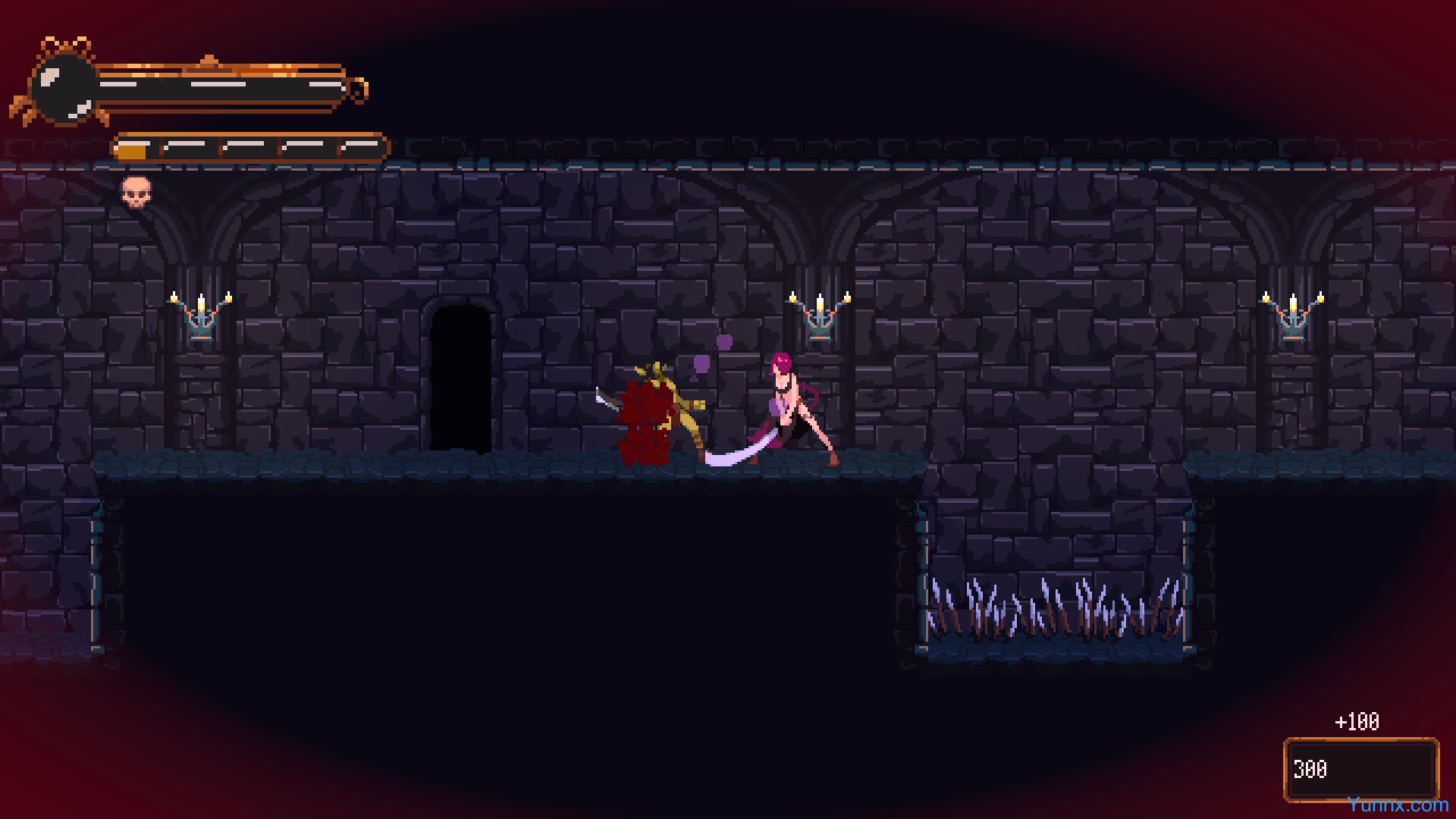
1. The core combat loop runs on three distinct stances, each carrying its own rhythm, range profile, and upgrade tree. It's not a simple "switch to strong attack" gimmick — the stances change how you engage. One might favor parry-timing and counter-pressure; another opens up guard-breaks and positional shoves that let you bully an enemy into a bad spot; the third tilts toward speed and mobility, keeping you dancing where heavier options would get you surrounded. Leveling up doesn't just bump damage numbers — it unlocks new moves that make each stance feel like it grew a new limb.
2. Enemies don't wait politely for their turn. Goblins flank, they pressure together, and they react to how you've been fighting them — which means reading their tell animations becomes survival-critical. A well-timed parry doesn't just negate damage; it breaks the flow state of a group attack and creates that split-second window where you dictate what happens next. Miss the window, and the pile-on gets ugly fast. The combat has that "one mistake cascades" souls-leaning tension without being a full souls-game grind.
3. Weapon-and-stance synergy is where runs start feeling personal. You'll find upgrades and unlockables that reshape your preferred stance's identity — suddenly that mid-range stance you'd been using purely defensively now has a gap-closer that turns it aggressive, or your parry-heavy build picks up a riposte finisher that executes with genuine style. It rewards players who experiment rather than players who find one safe button and mash it.
Stealth, Scent, and Why "Just Sneak" Isn't a Joke Mechanic
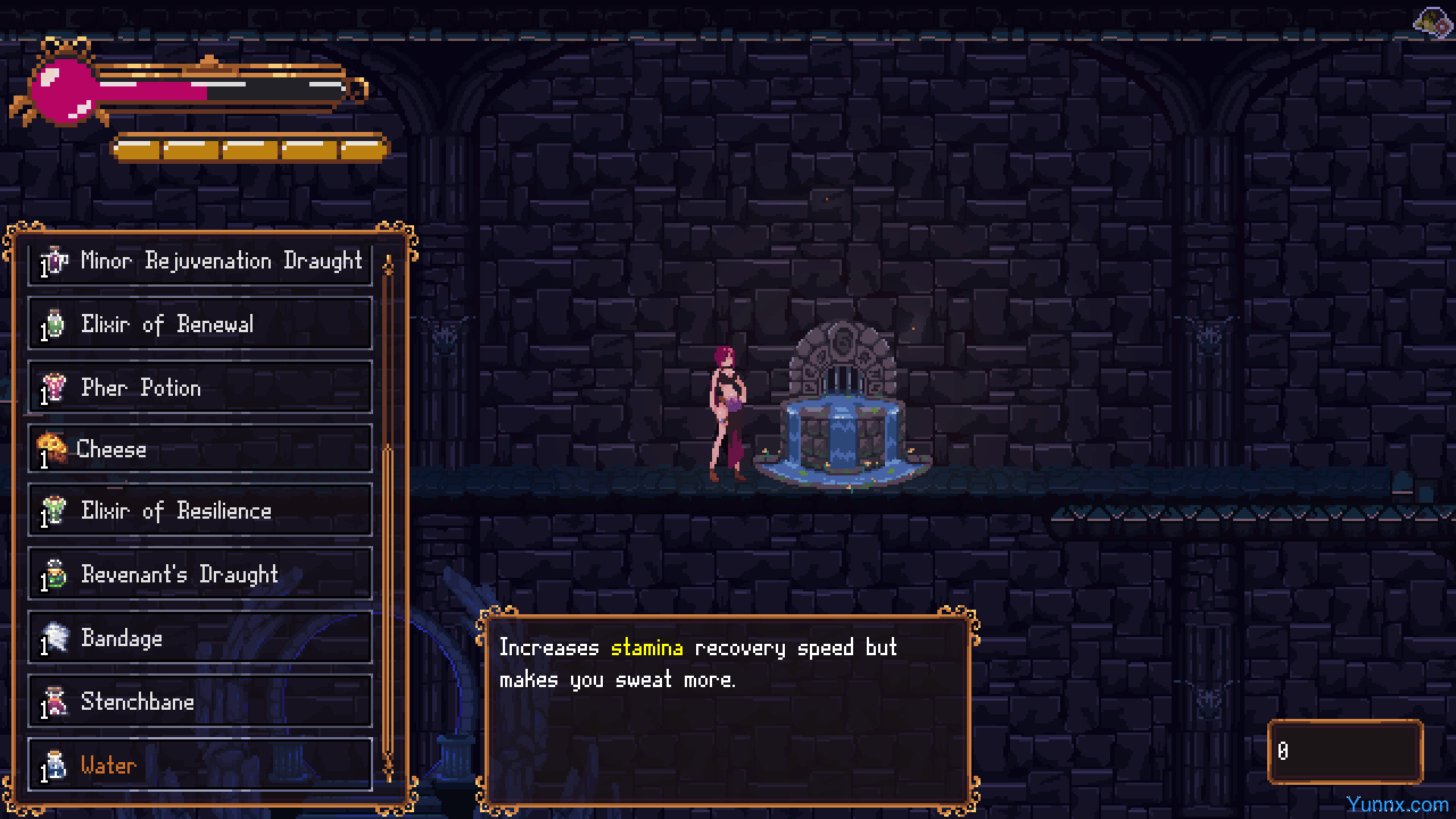
1. The stealth isn't tacked-on detection bars — it's multi-sensory. Goblins hear your footsteps and smell you. There's a dedicated Feather Step mechanic to soften your footfall and a Stenchbane system to mask your body odor, which sounds ridiculous until you realize the dungeon is tight, dark, and full of blind corners where a patrol's nose finds you before their eyes ever could. It turns environmental awareness — puddles, shadows, airflow paths — into actual tactical information instead of decorative lighting.
2. The dungeon layout encourages (and sometimes forces) stealth routing. Some encounters are winnable head-on but catastrophically expensive if you're under-geared or low on resources; others are designed so a frontal approach means waking everything in three connected chambers. Knowing when to tuck into a shadow, when to toss a distraction, and when to commit to the fight is the difference between a clean extract and a corpse run.
3. Ingredient gathering feeds directly into this. You scavenge the dungeon for herbs, reagents, and salvage, then brew potions that tilt the odds however you need — muffling brews for ghost-walks, combat buffs for when stealth fails (because it will fail if you linger), and utility mixes for traversal speed. It's a light crafting loop but it does the job: it makes exploration purposeful rather than just "walk until combat trigger."