

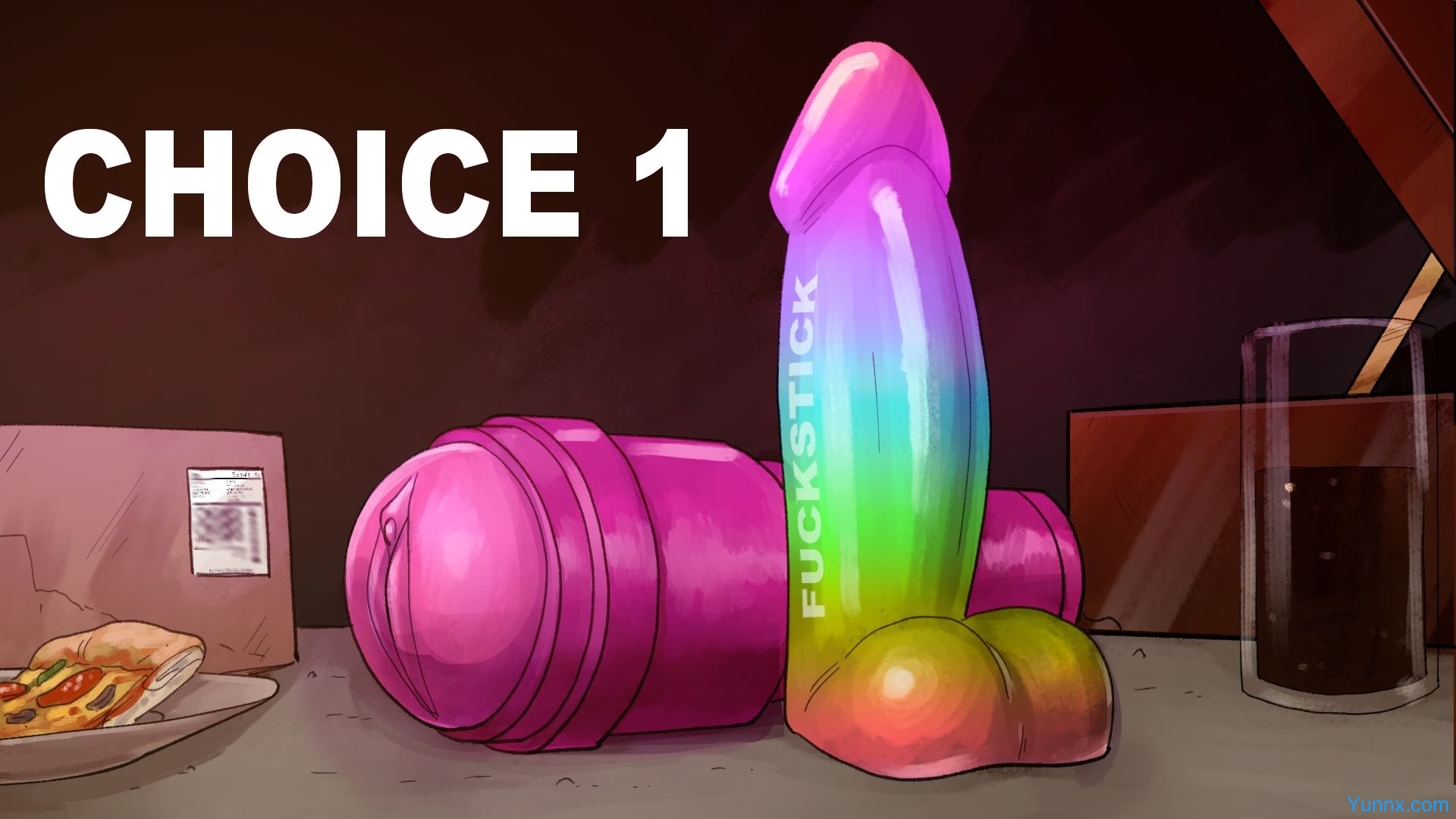
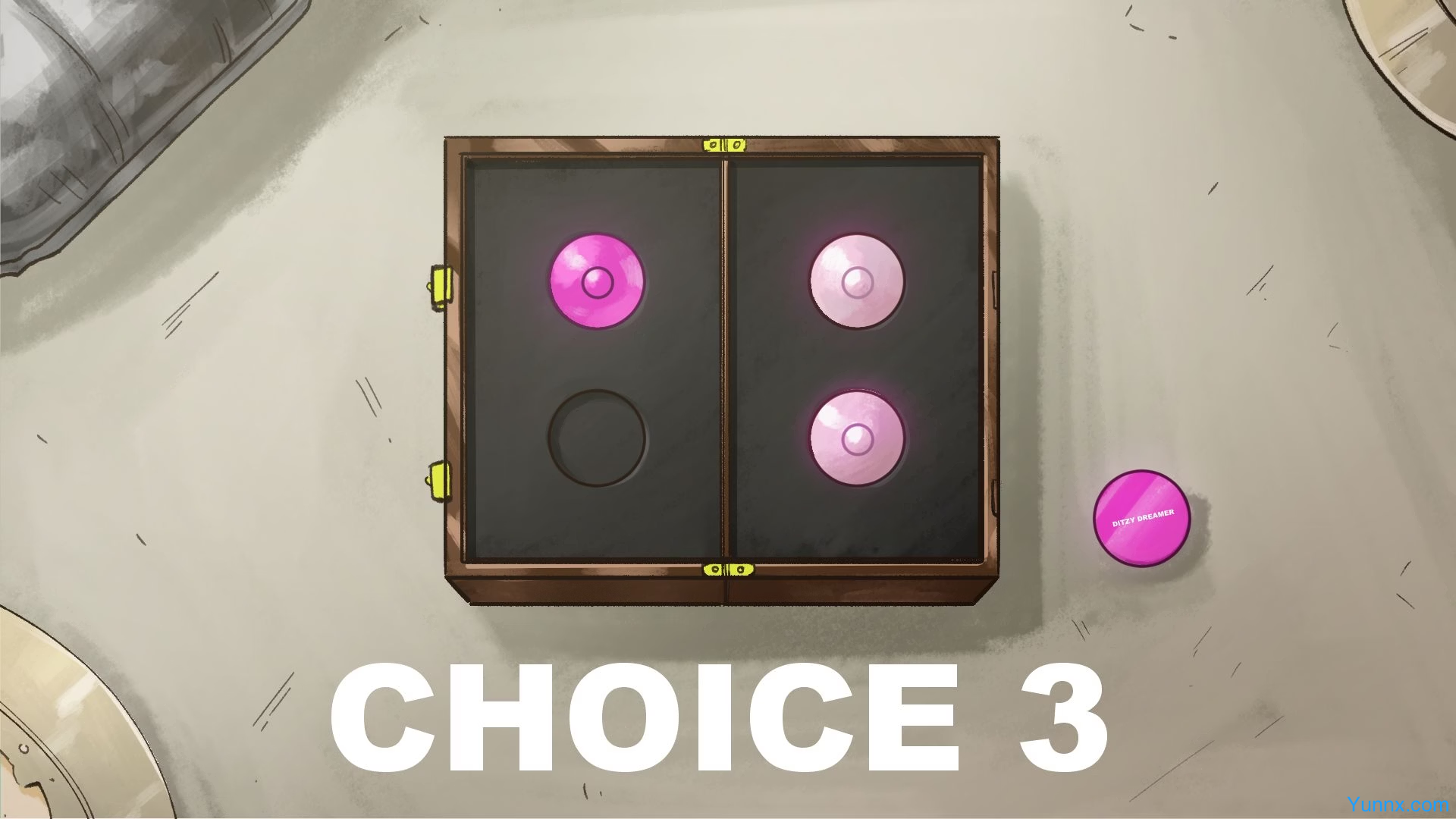
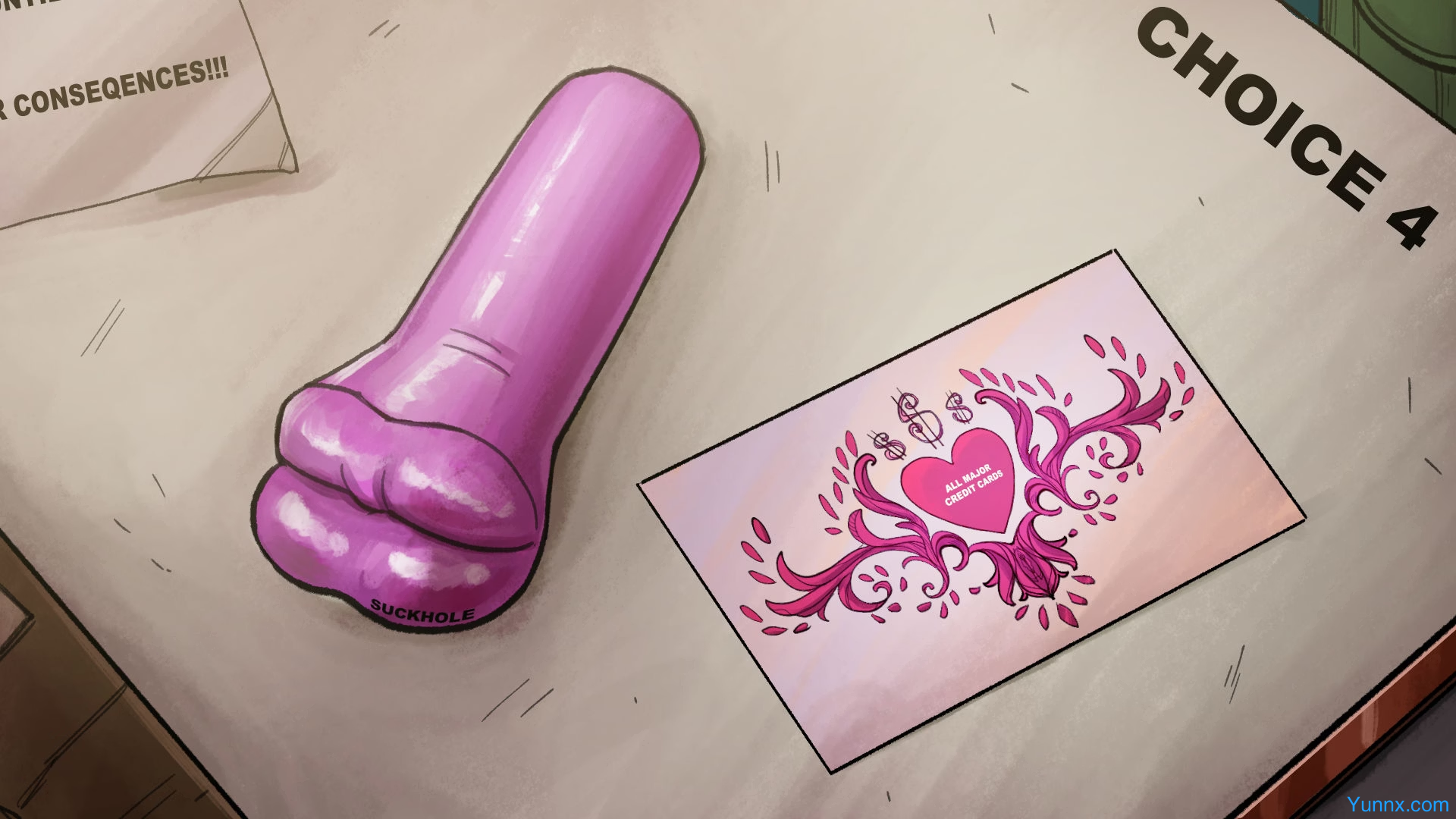
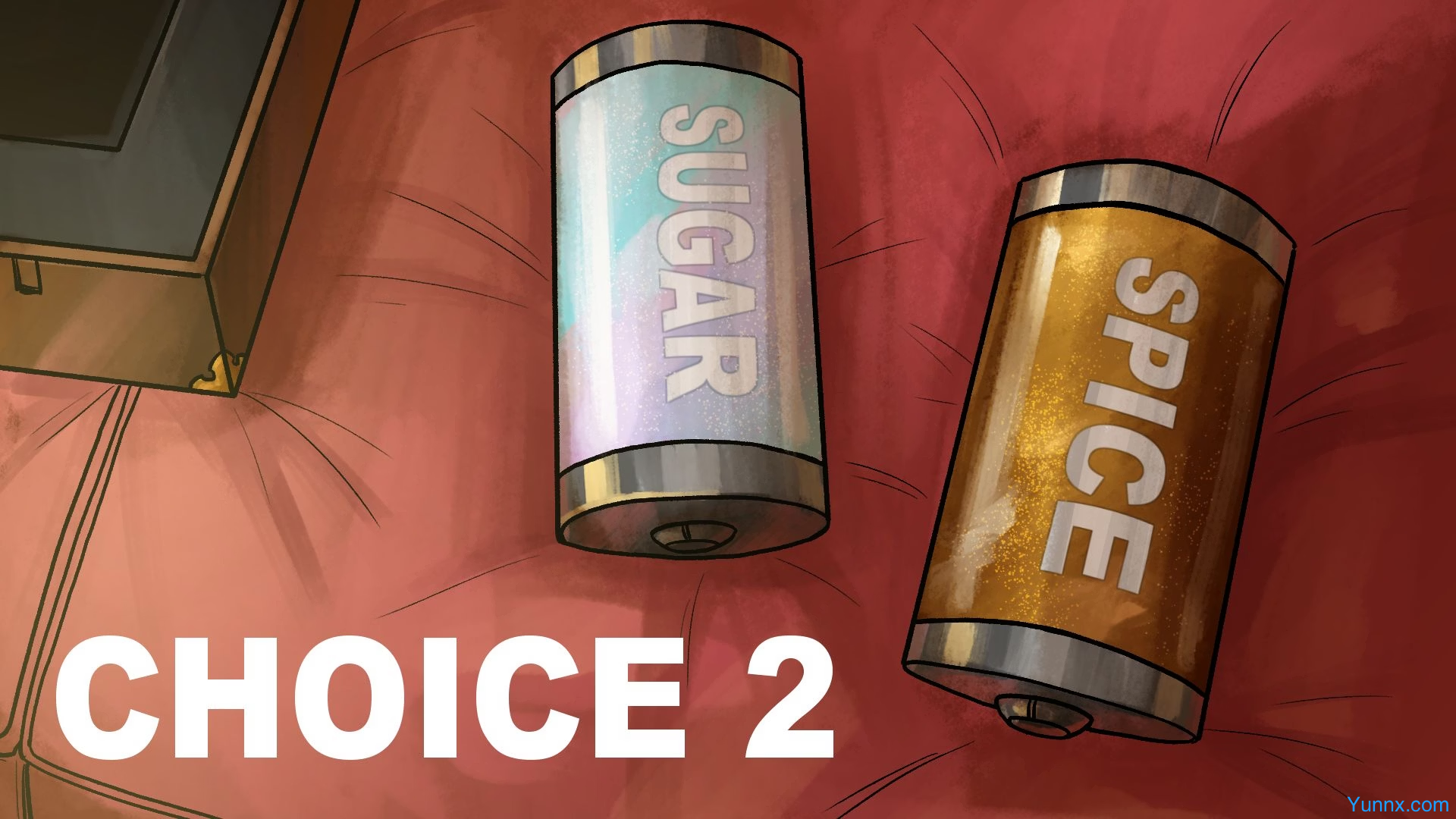
Play Things is a male-to-female TGTF text-based CYOA built in Ink, where your college routine gets hijacked by a mysterious benefactor calling himself Doctor Shine. Every morning, a package arrives—strange, sophisticated sex toys with no return address. For seven days, you choose one to use. Each choice rewrites your body and mind, stripping away autonomy until you’re less a person and more a living sex toy, treated accordingly by everyone around you.
The Daily Delivery from Doctor Shine
1. It starts innocently enough—well, as innocently as unsolicited sex toys can. You and your roommate wake up to a plain box on the doorstep. No note, just a label: Doctor Shine. Inside: something sleek, expensive, humming faintly. The first one feels like a dare. By day three, it feels like a schedule. The packages keep coming, always different, always designed to be used immediately.
2. The deliveries aren’t random. They escalate with intent. Early toys tweak small things—sensitivity, posture, the way you react to touch. Later ones rewrite deeper code: hormone responses, muscle memory, the way you think about yourself when you’re alone. The game makes it clear: Doctor Shine isn’t selling pleasure. He’s engineering a transition, and you’re the prototype.
3. Your roommate becomes part of the experiment, whether they want to or not. Some days they watch. Some days they’re instructed to assist. The dynamic shifts from “weird roommate situation” to something far more charged, especially as the toys start affecting both of you in ways the packaging never explicitly promised. The line between participant and observer blurs fast.
Transformation Through Toy Selection
1. Each morning, you pick one toy from the day’s offering. That’s your only agency. The game doesn’t let you refuse—only choose which flavor of change you’ll swallow. A vibrating plug that rewires arousal pathways. A harness that forces feminine gait. A device that makes your voice softer every time you moan. The descriptions are clinical, almost medical, which makes the effects feel inevitable.
2. The changes aren’t cosmetic. They’re systemic. Using a toy doesn’t just give you a new sensation—it alters how you process sensation. You start craving the next delivery. You catch yourself adjusting your walk to accommodate yesterday’s addition. Your reflection looks less like you and more like someone Doctor Shine is sculpting, piece by piece, from the inside out.
3. The brilliance of the design is how it uses text to convey physical metamorphosis. Ink’s branching lets the prose shift with your choices—paragraphs describing your body start using different pronouns, different descriptors, different assumptions about what you want. By day five, the game isn’t asking if you’re okay with the changes. It’s describing how you love them.
Loss of Autonomy and Living Toy
1. Autonomy erodes predictably but never lazily. Day one, you decide when to use the toy. Day three, the toy decides when you’re ready. By day six, you’re following instructions embedded in the devices themselves—subtle compulsions that feel like your own urges until you try to resist and discover you can’t. The game tracks this loss without a visible meter; it’s in the shrinking number of choices you get.
2. Other characters respond to your transformation in real time. Friends stop asking for your opinion and start asking what you think they should do. Strangers treat you like an object—something to be admired, used, or avoided. Your roommate’s attitude shifts from concern to something bordering on ownership. The world around you adapts to your new status faster than you do.
3. Scene-by-scene, you don’t choose what happens. You only chose the toy that made it possible. A party where you’re the entertainment? That’s a consequence of day four’s selection. A professor commenting on your “improved demeanor”? Thank day two. The game forces you to sit with the fallout of your decisions without letting you negotiate the details. It’s humiliating, arousing, and completely out of your hands.