
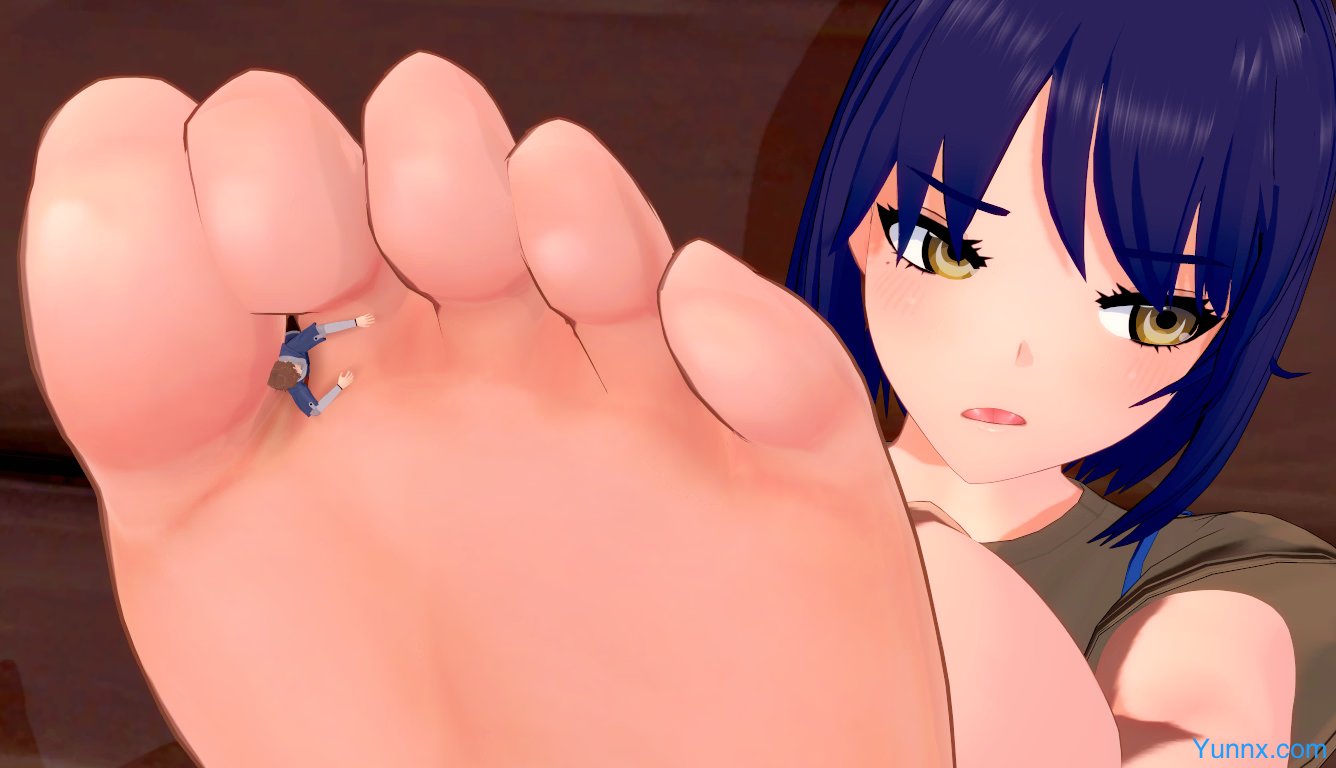
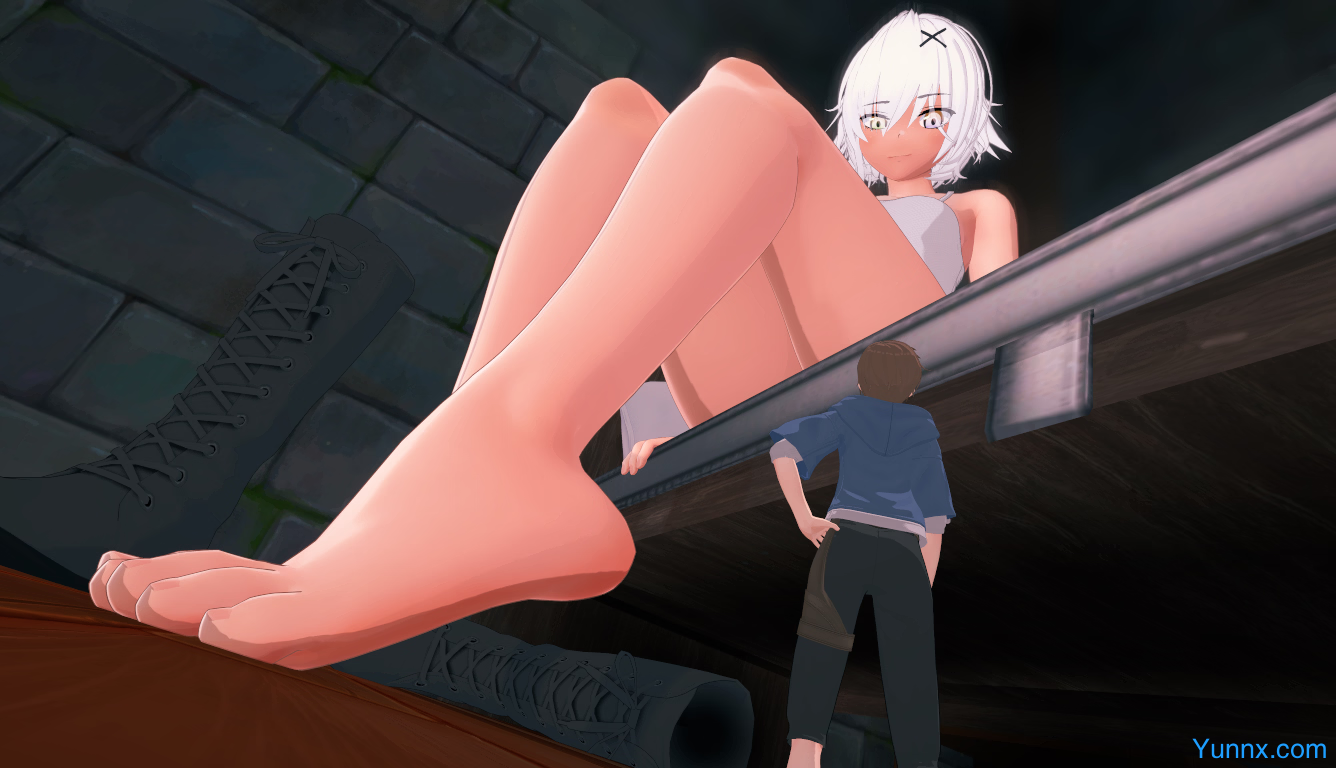
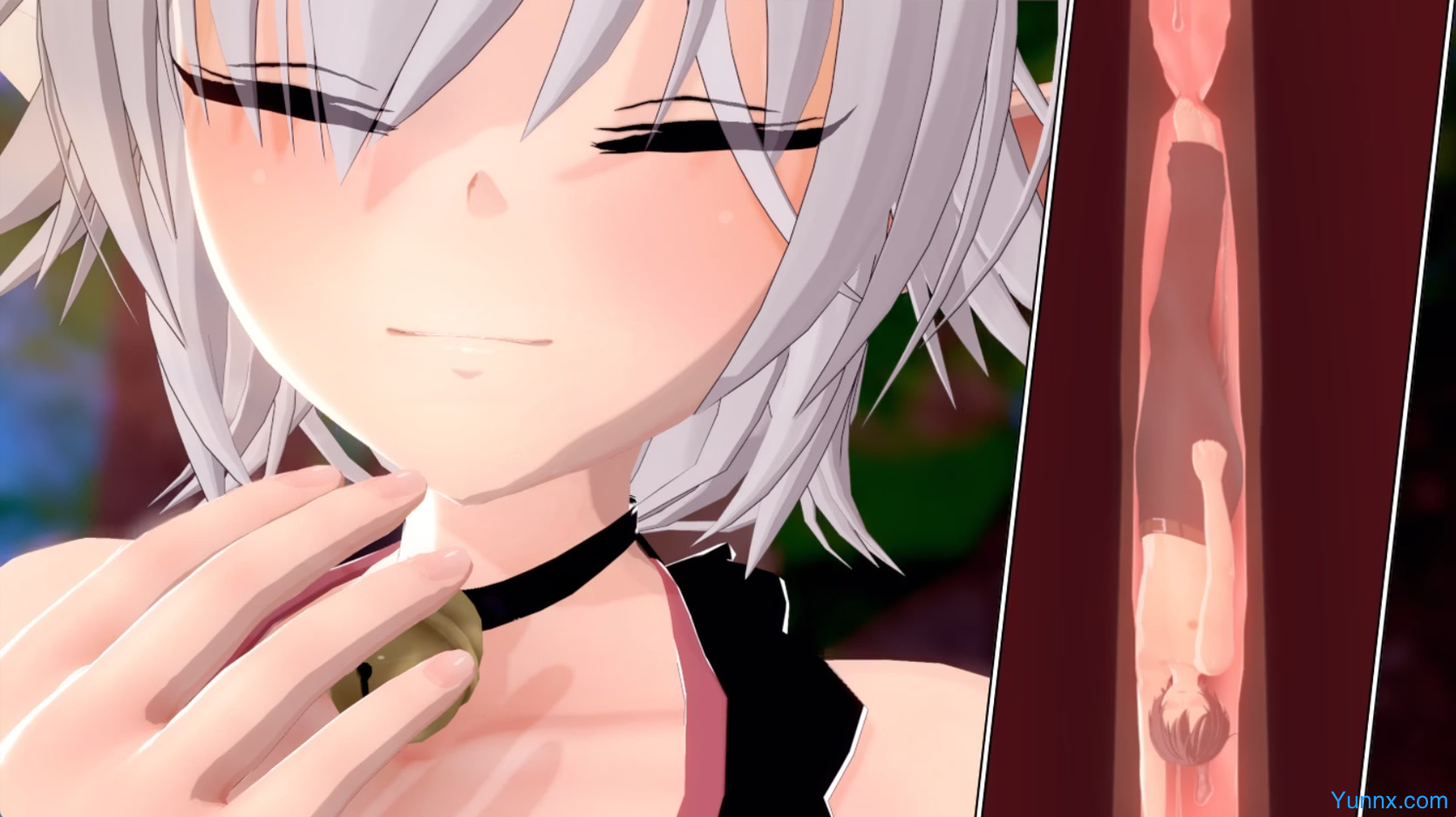
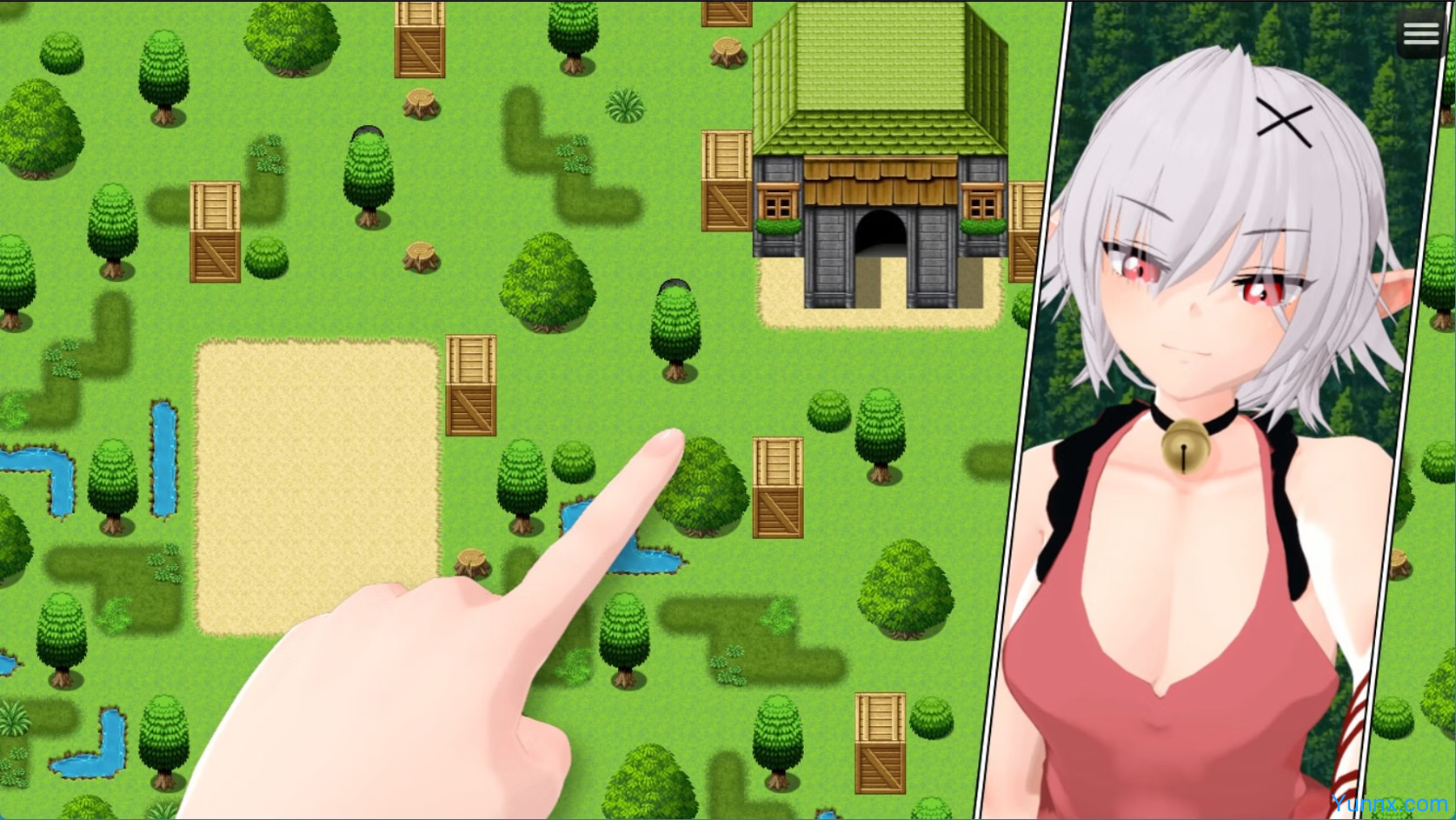
Asher's Tuesday starts normal — lectures, cheap coffee, the usual fog of an unremarkable college life — until he wakes up wrong. Smaller. Trapped. The room isn't his dorm anymore. A sly witch is looking down at him like he's an interesting problem she just unwrapped, and she doesn't ask questions so much as issue terms: complete her trials, and maybe — maybe — you go home. Fail, and you're just another curiosity in a jar. The catch? He's not the only one she's shrunk. Survival means forming a tepid alliance with people who need him alive, but definitely don't have his best interests in mind.
You Wake Up Three Inches Tall on a Wooden Table
1. The disorientation is the hook. One second you're dozing through a boring afternoon. Next, your backpack feels like a building, your own hoodie is draped over a table leg like a circus tent, and a shadow falls across you that smells like dried herbs and old parchment. The witch doesn't grandstand. She just props her chin in her hand, inspects you like a beetle, and lays out the deal in plain language. No dramatic monologue. Just cold utility.
2. Size isn't just a gimmick here — it's the entire lens. The world instantly reorganizes around scale. A spilled cup isn't a mess, it's a flood. A house cat isn't a pet, it's a apex predator. The draft from the witch walking past can nearly knock you over. Ordinary surfaces — book spines, rug fibers, the grain of the wood you're standing on — become terrain, complete with canyons, cliffs, and "don't fall in that" hazards you learn the hard way.
3. What makes it stick is how quickly the primal fear sets in. You're not "small for a scene." You're small. Helpless in the literal sense. And the witch knows it. She's counting on it. The fact she's even letting you attempt trials instead of bottling you immediately tells you everything: she enjoys the theater of it. Watching you scheme and scramble is part of the payment.
The Trials — and the Witch Who Designed Them to Break You
1. Her trials aren't heroic quests. They're obstacle courses engineered for something your size — narrow ledge climbs across shelves lined with spell components that'll kill you if you breathe the dust wrong, retrieval runs through spaces where "the environment" is actively hostile because she enchanted it that way. One wrong step and you're dodging a broom, a boot, or something alive she keeps as a familiar.
2. Progress is gated by problem-solving under pressure: rope bridges made of embroidery thread, pulley systems using bent paperclips, finding safe paths through "rooms" that to you are cavernous and full of giants. The witch watches. Sometimes she "helps" — a finger extended as a bridge, a comment that sounds almost kind — but you learn fast the help always costs something. A favor. A humiliation. A concession she'll collect on later.
3. The 18+ framing flows naturally out of the power imbalance. When you're palm-sized and entirely at someone's mercy, "dominance" isn't a kink you opt into — it's the structural reality of every interaction. The witch's teasing, the way she handles you (or doesn't handle you gently), the expectations she attaches to continued cooperation… the game leans into size-difference, helplessness, and the psychological tension of being owned-by-proxy without ever feeling like it needs to apologize for what it is.
Fellow Captives — Allies of Convenience
1. Asher isn't alone. The witch has a collection — other shrunken people, each grabbed from their own lives for their own reasons, each with different skills, different breaking points, and different ideas about how to handle captivity. Some want to please her and hope that buys freedom. Some are already bitter, half-feral, willing to use you as bait if it gets them one step closer to the exit.
2. That's where the actual gameplay tension lives: the tepid alliance. You need them. They need you. None of you trust each other. Group decisions — who scouts ahead, who distracts the familiar, who carries what — turn into quiet negotiations where everyone's measuring who's expendable. The guy who's been here longest? He knows the witch's routines. He also might be the one who sold you out to stay on her good side.
3. Character dynamics shift based on who you back. Protect the nervous one and you gain loyalty — but slow the group down and draw the witch's attention. Side with the aggressive one and you move faster, but you're sleeping lighter because he's already calculating whether pushing you off a shelf "accidentally" improves his odds. The alliances aren't chosen on friendship. They're chosen on arithmetic.