



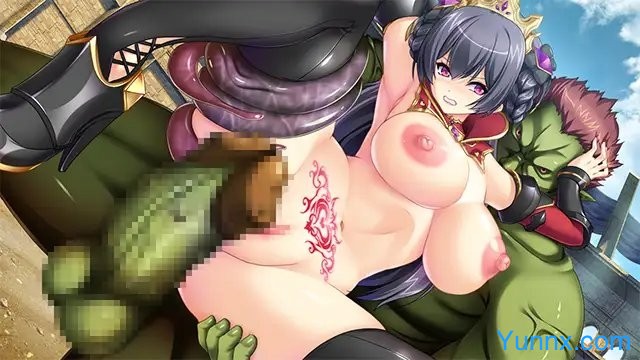
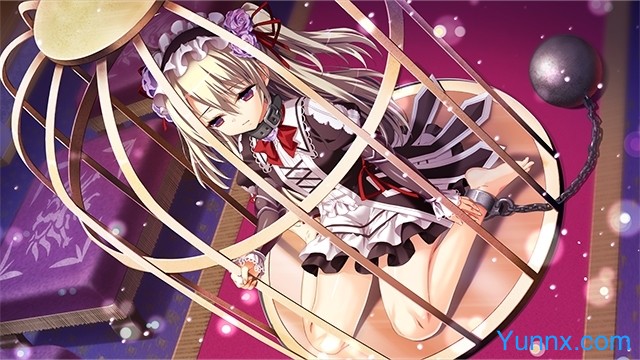


Lewd Crest Colosseum City: Sodom drops you into the desert's most lawless pit, where a proud, impossibly skilled princess knight steps into the arena expecting glory — and learns the hard way that Sodom's tournaments aren't designed for her to win. The core draw is defeat H: watch dignity shatter in real time as a beautiful, disciplined warrior falls to inhuman opponents, suffers violation and humiliation, and slowly loses herself to pleasures she was trained to rise above.
The City Where Laws Go to Die
1. Sodom doesn't pretend to be civilised. It's a sun-bleached ulcer in the middle of the desert — tents, black-market pavilions, slave auctions running beside spice stalls, and at the centre of it all, the Colosseum. The crowds don't come for sport. They come for the spectacle of people who think they're above the pit being dragged down into it, inch by humiliating inch.
2. The arena tournament is sold as a grand tradition. Entrants come from ruined kingdoms, borderlands, places where honour still means something to someone. Our girl — the princess knight — enters with a crest that's never been dishonoured, a sword arm that's never faltered, and a belief that skill and virtue should be enough to walk out untouched. Sodom disagrees. Loudly.
3. What the promotional banners don't mention is that the "tournament" has house rules no one survives on merit alone. The monsters aren't random wildlife — they're bred for the ring, conditioned to read a fighter's pride like a scent, and instructed to break the highborn ones specifically because the crowd pays triple for a fall that looks like it hurts.
The Princess Knight — Untouchable Until She Isn't
1. The game's emotional engine is built on contrast. She enters in pristine armour, posture perfect, movements economical and lethal. Every NPC who looks at her — from the scarred weapon-smiths to the sneering arena handlers — reacts to that untouchable aura. You want her to stay perfect. That's exactly why the game makes her fall.
2. The art and animation direction lean hard into that drop/gap. The moment the first bout goes wrong — a mistimed parry, footing lost on sand slicked with something dark — the camera shifts. Not glory-angle anymore. Lower. Closer. The crowd noise changes pitch. You can feel the exact second the arena stops seeing a champion and starts seeing a prize.
3. She fights back the entire way. That's critical. This isn't a sim where she submits quietly — she snarls, she struggles, her crest glows defiantly even as her body betrays her. The humiliation lands because she's proud. Strip away the dignity of someone who never asked for mercy, and the result is the specific brand of dark theatre Sodom was built to host.
Arena Defeat H — Where the Real Content Lives
1. The loss state isn't a game-over screen. It's a scene. Each defeat against different arena monstrosities triggers different defeat H events — tailored to the biology and behaviour of the opponent that beat her. Tentacled things drag her down one way; bestial, pack-hunter types break her another. The variety comes from what beats her, not just that she lost.
2. Progression is a slow corrosion. The more bouts she survives (and falls in), the more the game tracks changes — physical, mental, the way her expressions shift in menu portraits, the way her internal monologue starts bending at the edges. She's not the same knight at the 5th match that she was at the 1st, and the writing leans all the way into that deterioration.
3. Unlock conditions gate the gallery logically: you earn each scene by putting her against the matchup that produces it, not by clicking a checklist. Badly? You get a quick, brutal loss and the scene ends. Play the route that lets the fight drag — chip her HP, break her guard, force her into stamina exhaustion — and the defeat sequence escalates accordingly. The system rewards dragging out her resistance, which is another kind of cruel.