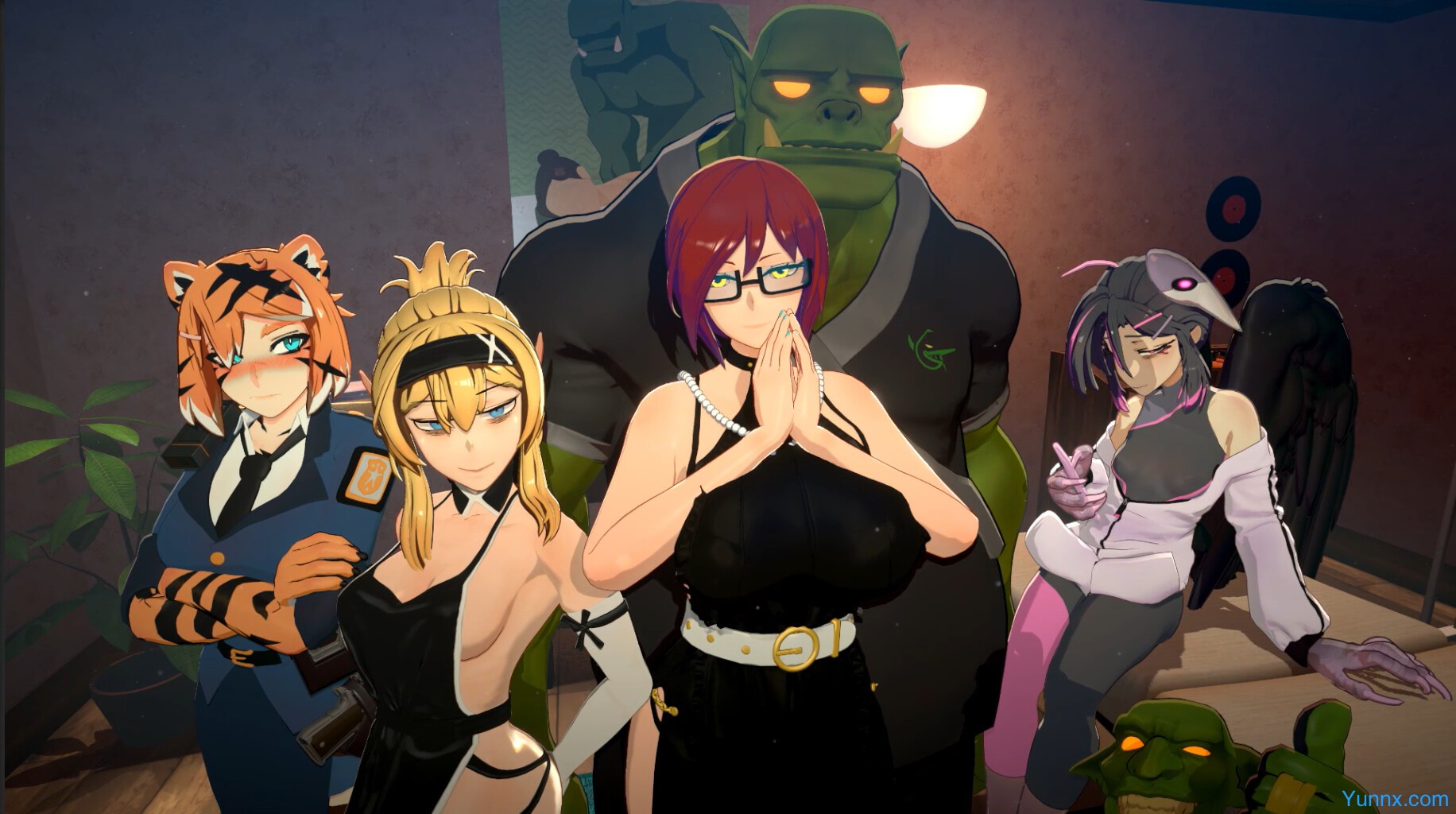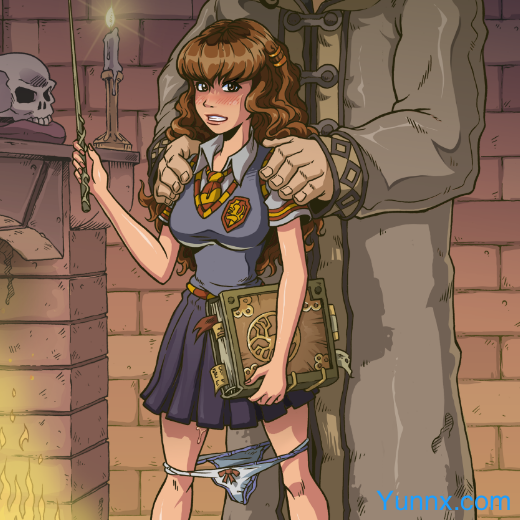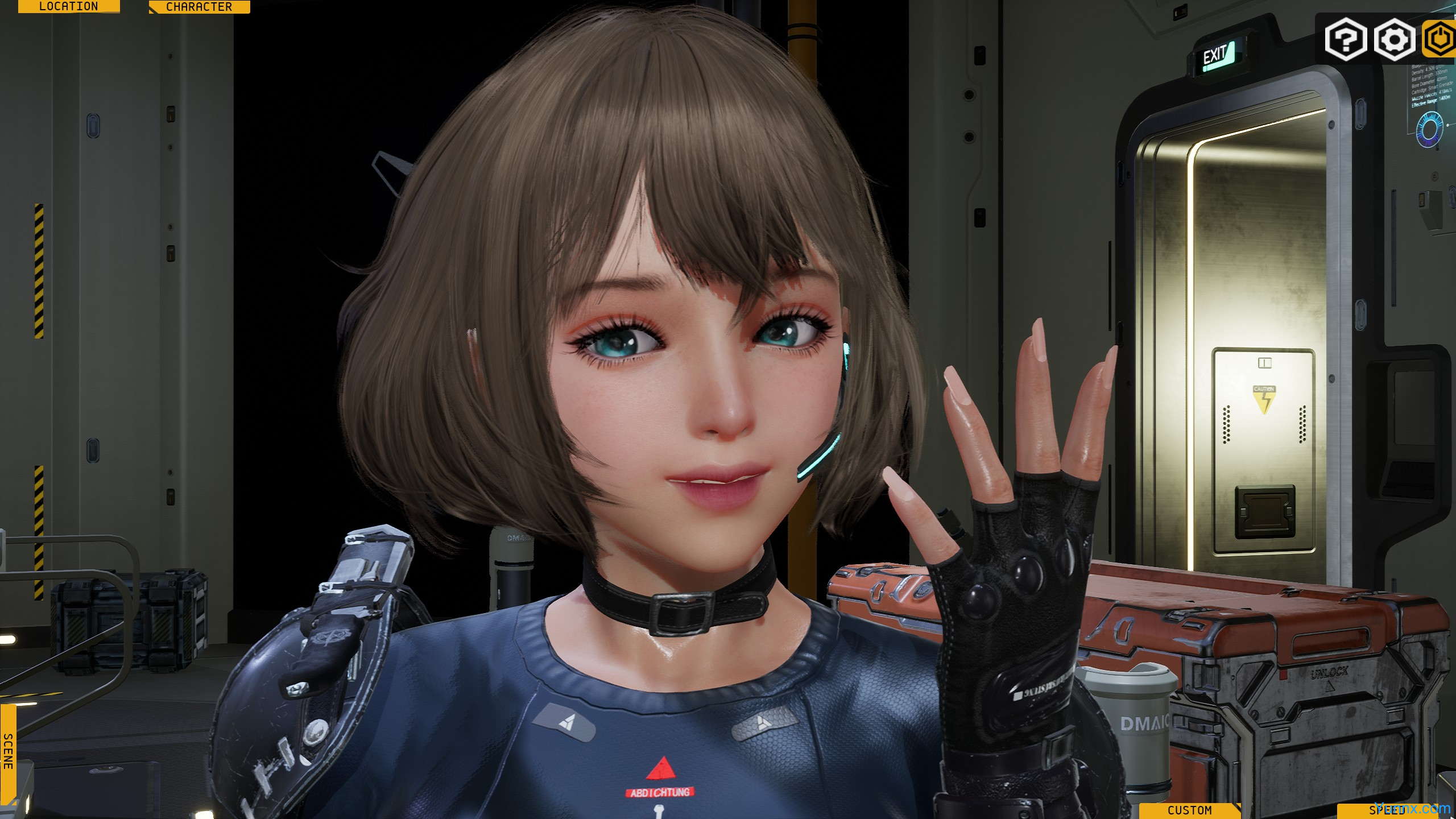





Lisa is a demon hunter who doesn't know how to quit. When the trail leads straight into the Circle Demon's domain — the Lost Prison of Lust, a pocket realm where souls check in but never leave — she follows it anyway. Now she's trapped, fighting alone through a labyrinth designed to break willpower before bodies, until an encounter with an enigmatic elven merchant named Siri forces her to face the one thing her training never covered: her own desires. Can she kill the demon and get out — or will the prison keep what it's already claimed?
The Prison That Feeds on Want
1. The Lost Prison doesn't look like a dungeon at first. It looks like a mistake — warm corridors where the air is too sweet, murals that seem to shift when you blink, iron gates that don't lock so much as wait. The Circle Demon built this place not to hold people captive by force, but by temptation. Hunger. Curiosity. The stuff no vow of chastity or holy steel actually fixes.
2. Lisa's the kind of hunter who solves problems with a blade first and questions later. She's killed lesser demons on tavern floors and cathedral roofs. But this place doesn't meet her head-on — it sidles up. The enemies here don't always try to kill you. Some of them just want to touch. To pin you. To see if the so-called "pure" hunter's pulse jumps when leather and teeth graze the right place.
3. That's the real trap. The Prison doesn't need walls if it can make you not want to leave. Every floor Lisa clears feels like progress, right up until she realizes the layout is changing behind her. The way out isn't just a boss door. It's a test of whether she's still fighting as herself — or fighting for a version of herself the prison helped invent.
Siri — The Merchant Who Sees Too Much
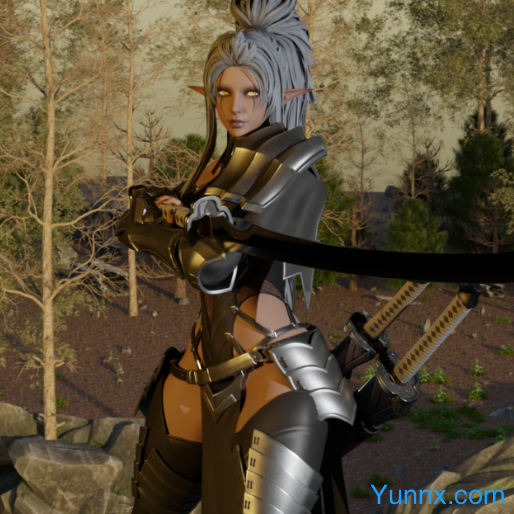
1. You don't find Siri. Siri finds you. The elven merchant appears in a courtyard that wasn't on your map three minutes ago, sitting behind a folding table of relics and remedies like she's running a weekend market in hell. Long ears, half-lidded eyes, a smirk that says she's been watching since the moment Lisa stepped through the gate.
2. She sells upgrades — or claims to. Weapons, consumables, charms that suppress corruption… at prices that aren't always gold. Some trades require a conversation. Some require a confession. And some require Lisa to admit, out loud, what she felt when the prison's illusions brushed against her skin. Siri doesn't judge. She just writes the tally down and waits for you to come back.
3. The brilliant thing about Siri is she's not a savior. She's not even necessarily on your side. She's a fixture of the realm, profiting off the trapped and the nearly-broken alike. But she's also the only one who talks to Lisa like a person instead of a lamb for the slaughter. Whether that kindness is real or just better business is the question that hangs over every transaction.
Combat, Corruption, and the Fight to Stay Yourself
1. The action layer is built around Lisa staying mobile, keeping her guard up, and managing the corruption meter that the Prison is constantly trying to fill. Take damage, get pinned, let certain enemy types "grapple" you too long — the bar climbs. Leave it unchecked and the environment itself starts responding to it instead of you: illusions get clearer, paths open that you probably shouldn't walk down, enemy patterns change to exploit what you're starting to like.
2. It's not a "game over = you got horny" gag. It's a pressure system. You can play clean — fast, aggressive, minimal contact, purify at every shrine you find. Or you can lean into the darker upgrade tree Siri offers, the ones that trade vulnerability for raw output, feeding the very thing you're supposed to be resisting. Stronger, yes. Cleaner? Debatable.
3. The Circle Demon sits at the top of this spiral, and the game is honest about what kind of encounter that's going to be. This isn't a boss you parry to death in thirty seconds. It's the embodiment of the place's whole philosophy — an entity that doesn't need to overpower Lisa physically when it can just make her want to stay. Beat it, and the gate might actually open. Lose, and you're not dead. You're worse — you're content.