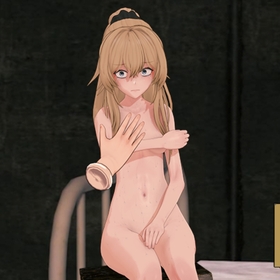
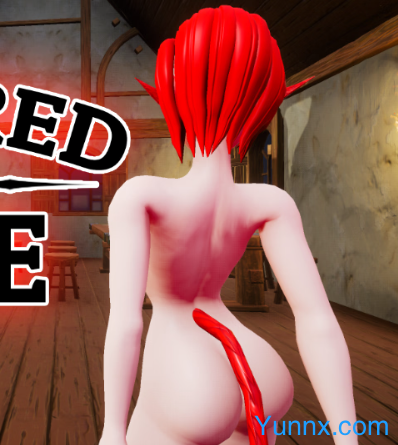
In Shattered Stone you play a rare male outlier in a world where Homunculus Creation is a field dominated by women. As a variant alchemist who shouldn't even exist, you'll scavenge, brew, and bind life into flesh to build your own party of homunculi—then take them into turn-based battles where growth only comes through pushing your craft further than the establishment ever allowed.
The Wrong Kind of Alchemist
1. In polite society, alchemy academies love to talk about "tradition." Homunculus Creation is treated as women's high art—refined, regulated, locked behind guild seals and bloodline gatekeeping. Men who try are told they lack the sensitivity for it, or that their mana is too "blunt" to sculpt a soul. You heard that all your life. You just never cared.
2. Being a variant means your methods are messier, hungrier, and far less accepted. You don't have a pristine lab downtown. You have a basement workspace, a secondhand cauldron, and a stack of banned texts you bought off a fence who smelled like sulfur. The establishment would call you a fraud. The homunculi you bring online call you master—and that distinction is all that keeps you moving.
3. What starts as survival quickly becomes something sharper. Every successful creation proves the gatekeepers wrong. Every time you walk a newborn homunculus through her first shaky breaths, you're not just making a weapon or a tool—you're making a statement that the old bloodlines don't own the art anymore. The "wrong" kind of alchemist might just be the only one worth fearing.
Turn-Based Core: Creation Is Combat Is Growth
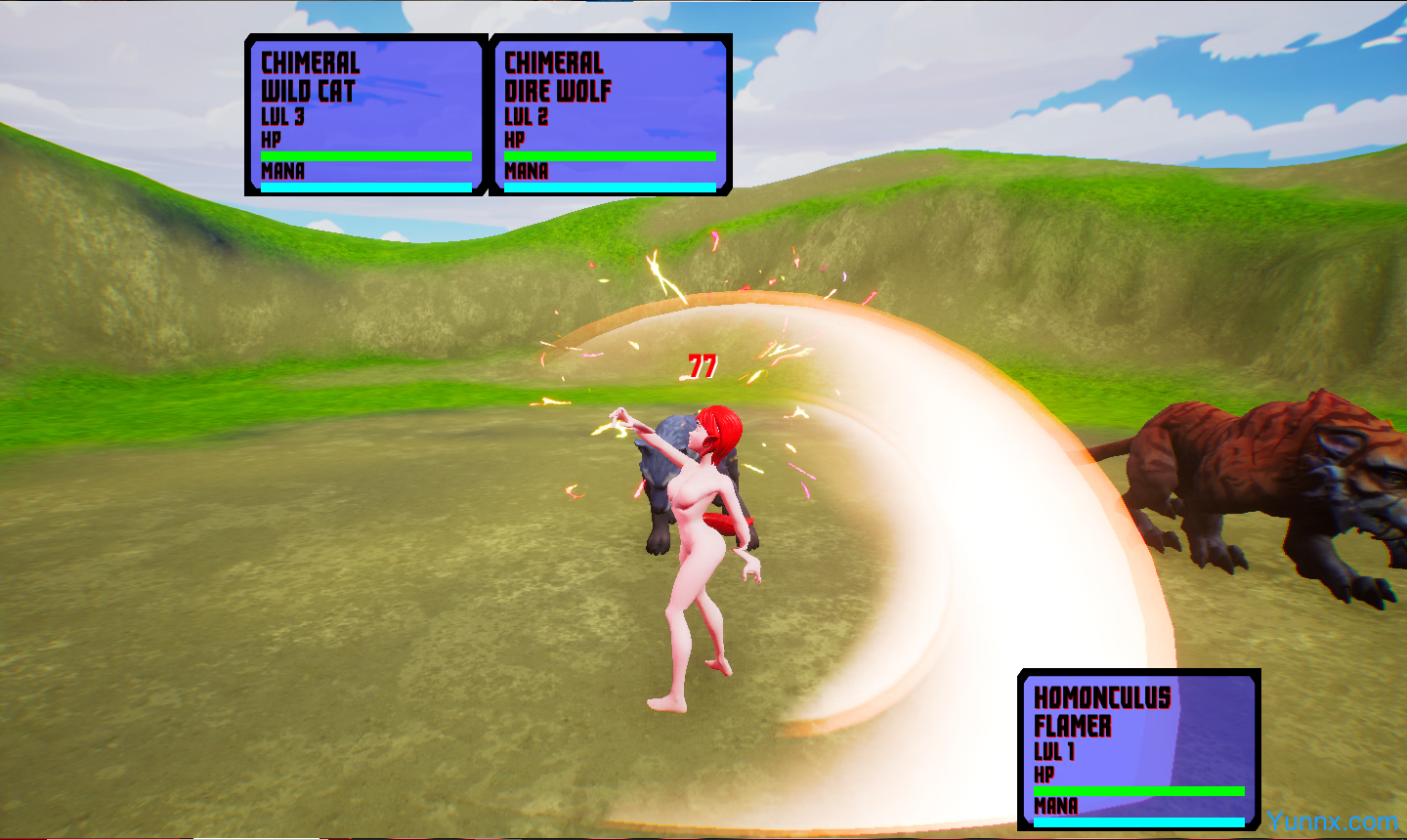
1. Combat runs on a tactical, turn-based rhythm where positioning and initiative actually matter. You don't wade in swinging—you command. Your homunculi occupy tiles, draw aggro, flank, intercept, and unleash bound abilities on your signal. Lose track of the battlefield, and a cheap ambush can shred a creation you spent three in-game days perfecting.
2. The loop is classic but sticky: loot the wilds → haul mats back to your workshop → brew catalysts and refine components → perform the binding ritual → deploy your new companion into real fights. Death isn't meaningless, either. Fallen homunculi can be salvaged for reagents, but the emotional and resource cost stings enough that you'll start obsessing over team synergy instead of brute force.
3. Currently implemented systems already give you the skeleton of a proper RPG: a merchant circuit for gear and rare ingredients, an inventory-driven loot flow where drops actually enter your bags instead of rotting on the ground, save/load persistence so your progress sticks, and a hard rule that keeps you from leaving town without a party assembled. It's still in active debug/testing, but the bones are solid and getting heavier with e
Your First Creations—and the Ones Still Coming
1. The early demo lets you get hands-on with two foundational body-plans—Lupine and Feline—each with their own silhouettes, movement quirks, and combat tendencies. Lupine types hit fast and pressure flanks; Feline types specialize in burst pounces, repositioning, and slippery survivability. Learning which one fits your playstyle is where the game stops feeling like a tech demo and starts feeling like your operation.
2. The roadmap already sketches out where the bestial/monstergirl hybrid catalogue is heading: Leporine, Cervine, Caprine, Chiropteran, Caudate, Piscean, Draconic—each bringing new movement rules (burrow, glide, swim, wall-hop) and new problems to solve in the workshop. The obvious appeal is aesthetic, sure, but the real hook is mechanical: different morphologies demand different formations on the grid.
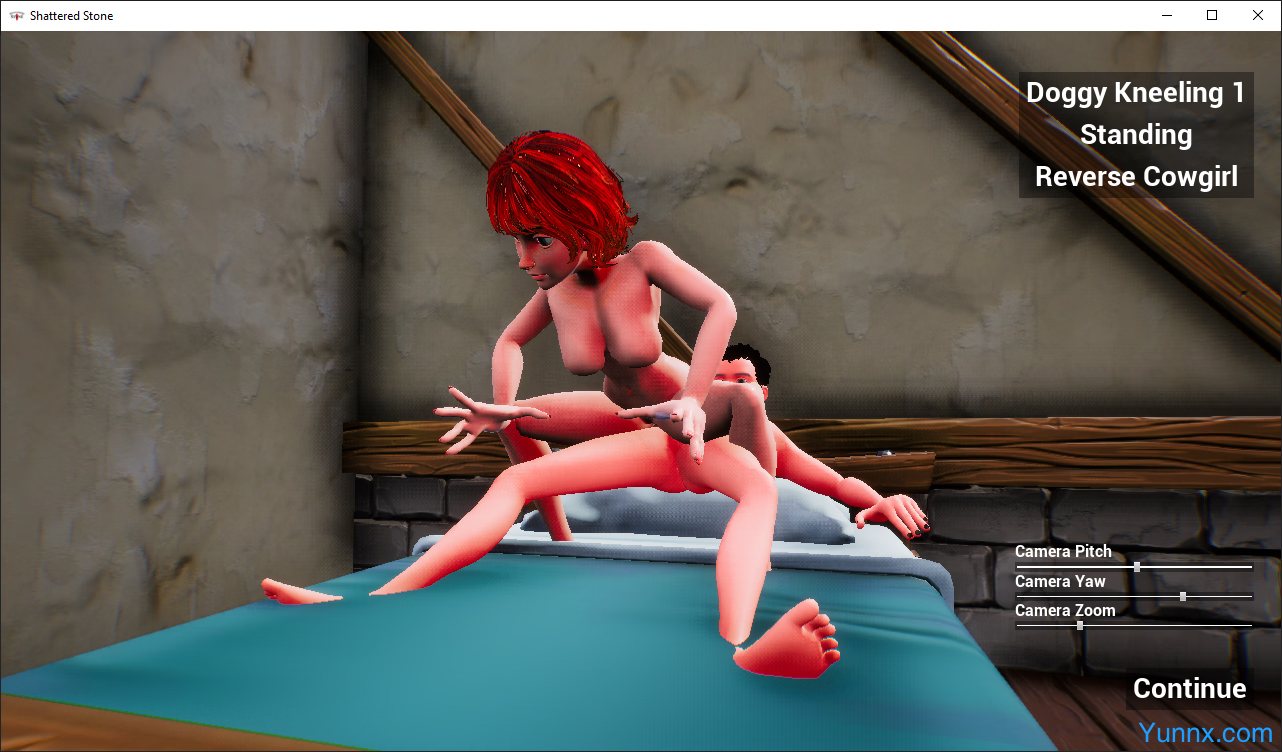
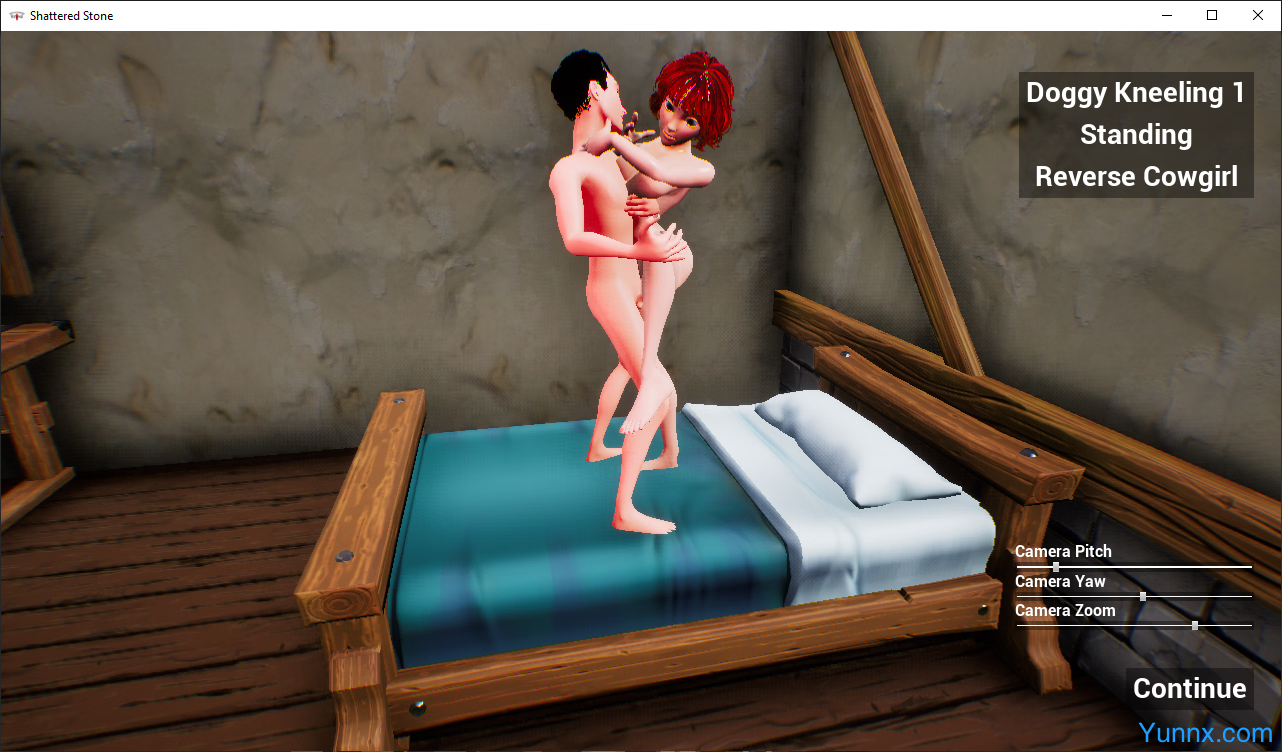
3. And because this is an R18-tagged alchemist game, the "bond" layer isn't tucked away in a menu—it bleeds into the loop. Your homunculi aren't nameless summons; they're crafted, awakened, and shaped by choices you make at the bench and in dialogue. The more you pour into them, the more they reflect your will—and the more the world treats you like a heretic who refused to ask permission.