
Within the Branches invites players into a deceptively serene world, where the faithful live in peace and abundance under the great tree of the goddess Kaya. The holy lands of Fanora promise a chaste and benevolent existence under the church's guidance. Yet, a lingering question shadows this paradise: in a place where nothing truly bad could ever happen, what secrets lie hidden within its sacred branches? This adult visual novel masterfully explores the tension between pious devotion and hidden desires in a story-driven experience.
A Paradise Built on Faith
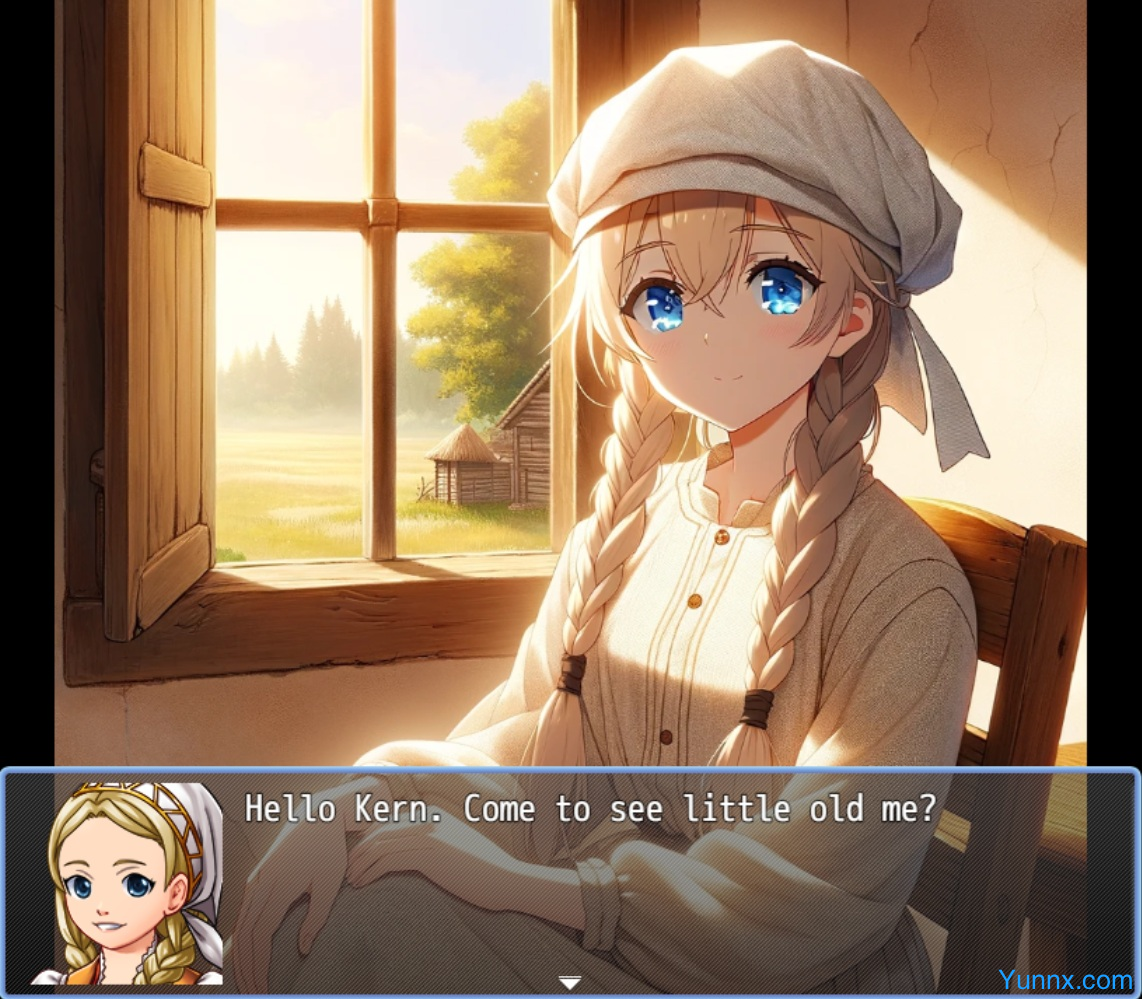
1. The game establishes a rich and tranquil setting centered around the worship of Kaya and the immense, life-giving tree that defines the realm of Fanora. This idyllic society is portrayed as the epitome of peace and abundance, a reward for the good and chaste lives of its inhabitants. The art and narrative style initially reflect this harmony, using warm visuals and soothing tones to immerse the player in a world that seems spiritually and materially perfect.
2. Central to this world is the pervasive influence of the church, which provides not just spiritual guidance but also the wise and benevolent governance that maintains social order. The daily life in Fanora is structured around this faith, creating a strong sense of community and shared purpose. This deep-seated normality makes the player's potential journey of discovery all the more impactful, as it begins from a point of accepted truth and universal contentment.
3. However, the foundational description of the game concludes with a single, haunting word: "Right...?".This pivotal question immediately seeds doubt, transforming the serene setting into a narrative puzzle. It invites the player to look beyond the surface of sermons and harvest festivals, hinting that the very structures ensuring peace might also be concealing truths too unsettling for the faithful to acknowledge.
Narrative Depth and Moral Complexity
1. Beyond its peaceful facade, Within the Branches is a story about uncovering hidden layers. The game challenges players to investigate the gaps between official doctrine and whispered rumors, between public piety and private actions. The narrative is designed to slowly peel back the idealized image of Fanora, revealing the complex and often morally ambiguous machinery that keeps the society running.
2. Players will encounter a cast of characters who each embody different aspects of life under Kaya’s gaze. From devout priests and contented farmers to individuals who may question or quietly rebel, each character holds a piece of the larger puzzle. Building relationships and making choices in dialogue are key to progressing the story, as trust and information are carefully guarded in a community that values conformity.
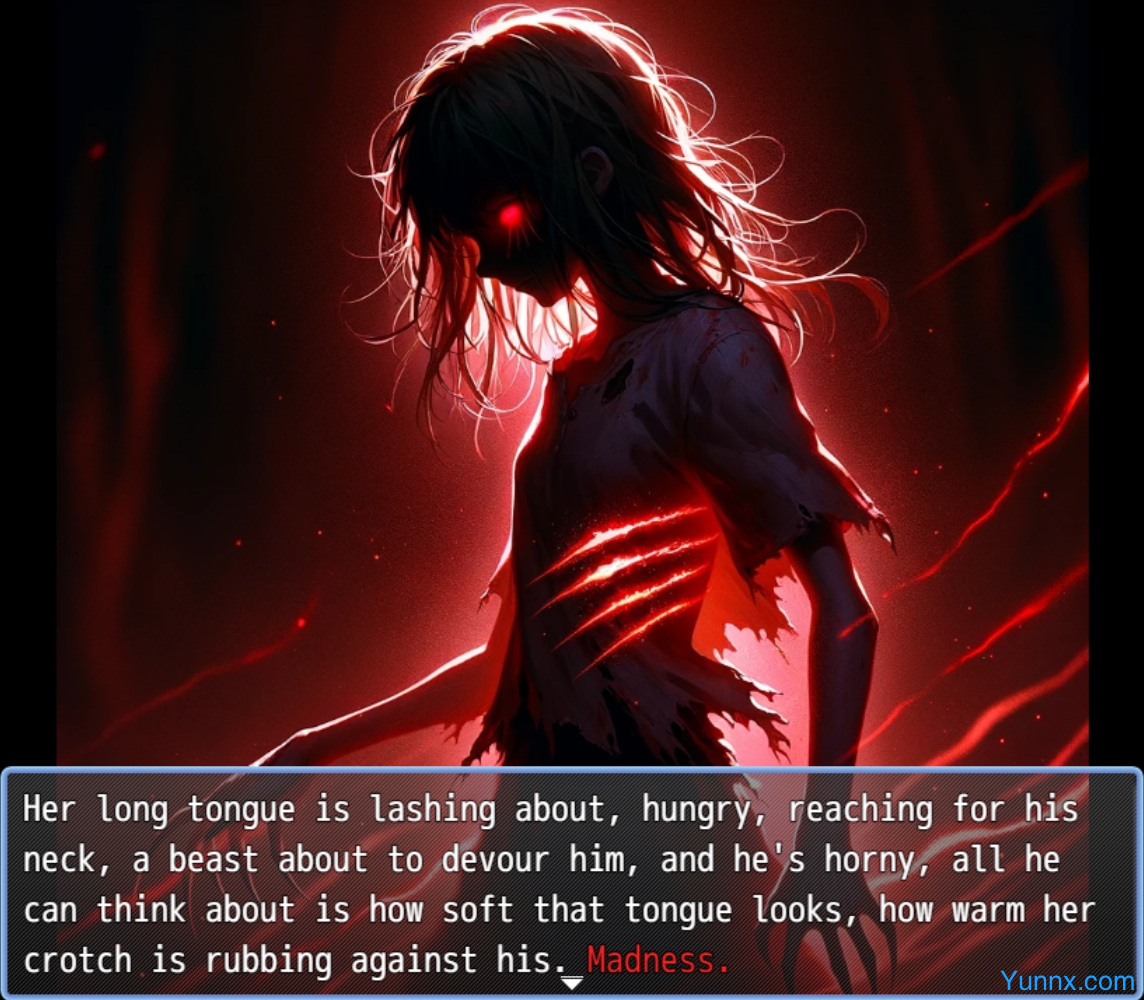
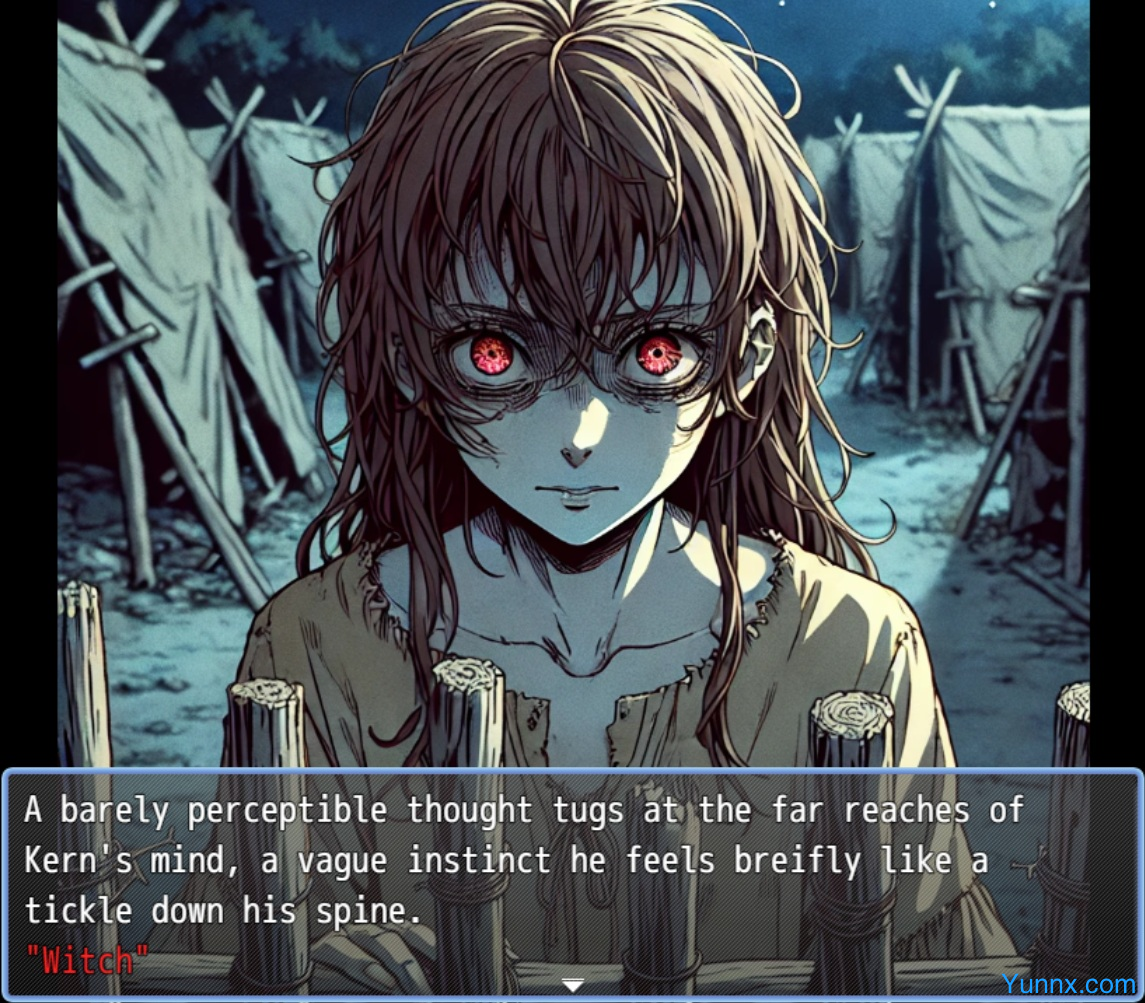
3. The game excels in creating a palpable atmosphere of creeping unease. The contrast between bright, holy scenes and darker, more private moments builds suspense naturally. The storyline avoids simple corruption tropes, instead presenting a nuanced exploration of how power, belief, and secrecy can intertwine, asking the player to decide what truths are worth uncovering and what costs come with revelation.
Player Agency and Consequential Choices
1. As a visual novel, the core gameplay revolves around meaningful decision-making[^4]. Your choices during conversations and key events directly influence which characters trust you, what information you discover, and ultimately, which narrative path you follow. The game features multiple branching storylines, ensuring that each playthrough can lead to different revelations and endings based on your actions and allegiances.
2. The game mechanics are built to support deep immersion. A comprehensive log and save system allows you to revisit critical junctures and explore alternative choices. Unlocking special scenes and gallery entries serves as a record of your unique journey through Fanora’s secrets. The interface is clean and intuitive, ensuring the focus remains squarely on the evolving story and your role within it.
3. The ultimate question posed to the player is not just "what is hidden?" but "what will you do with the truth?" Some paths may lead to exposing secrets and sparking change, while others might involve becoming complicit in maintaining the peaceful illusion. These consequential endings provide significant replay value, encouraging players to experience the story from different moral and strategic perspectives to see the full scope of the world’s design.