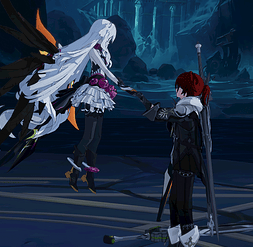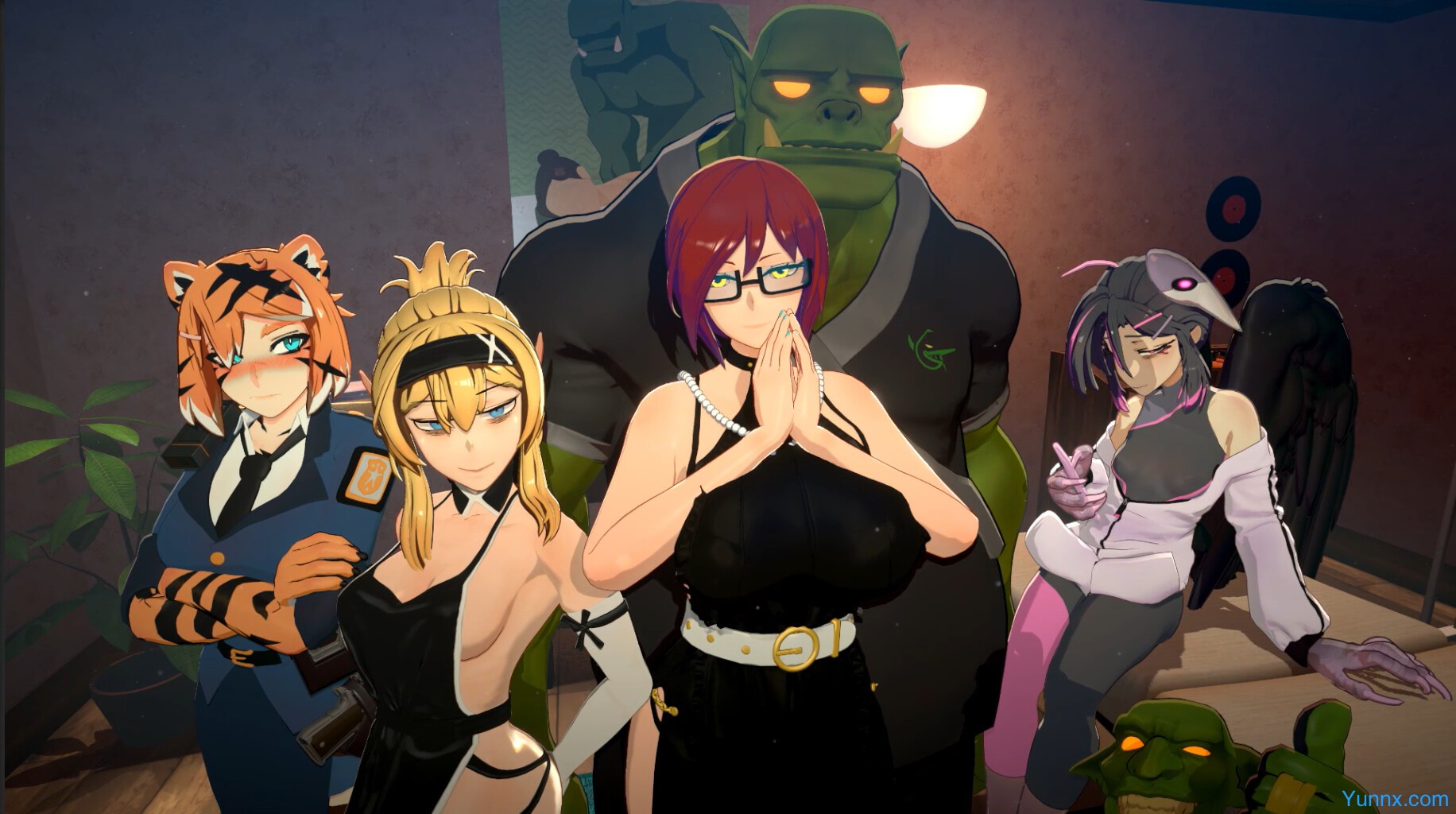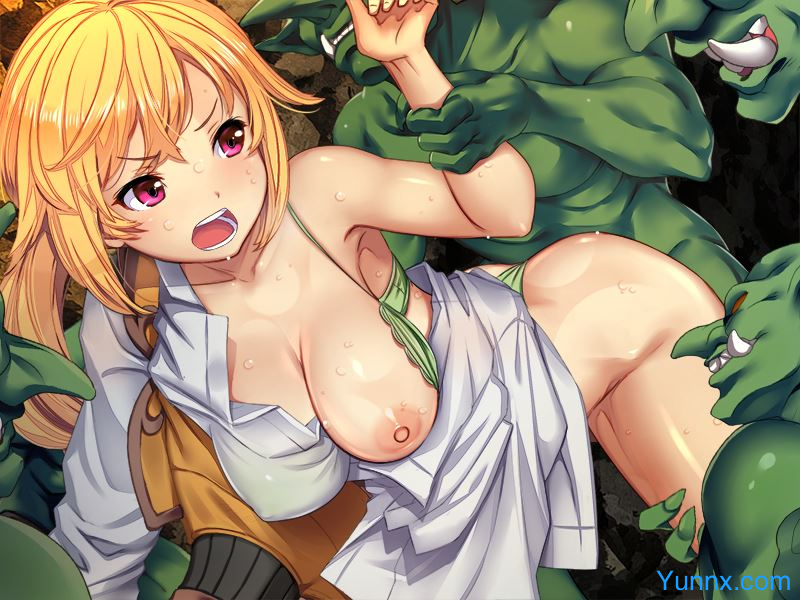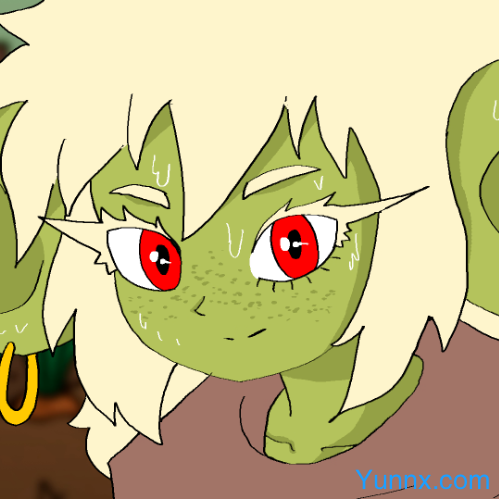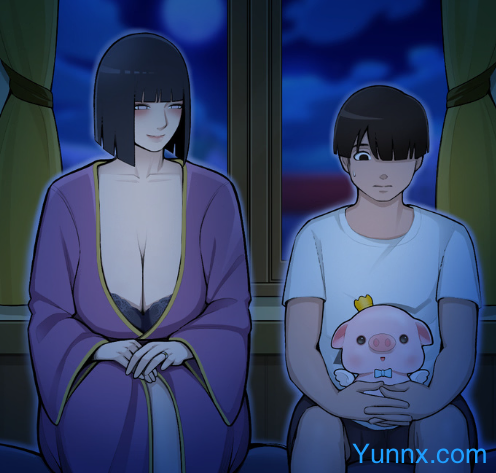

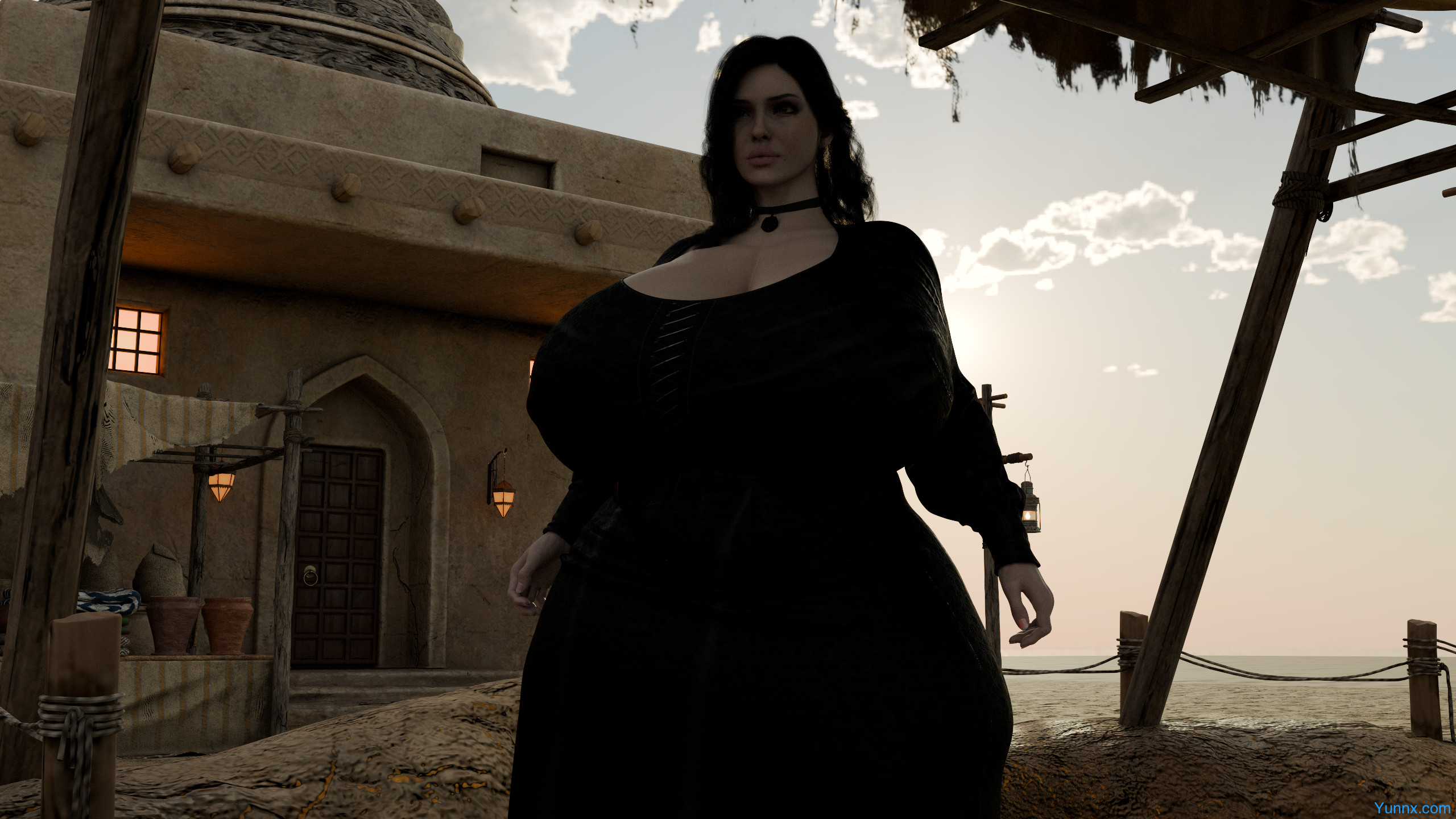
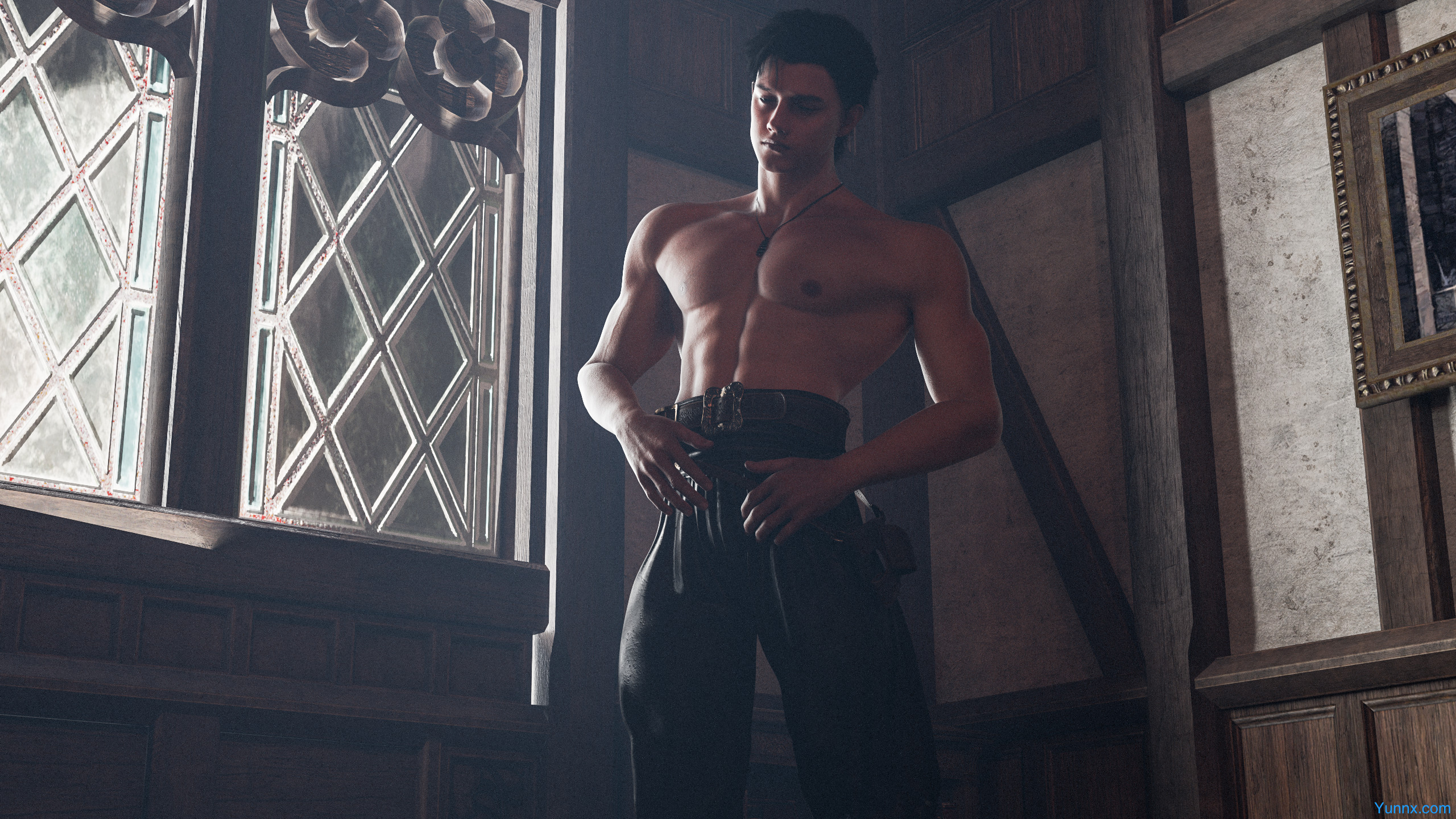


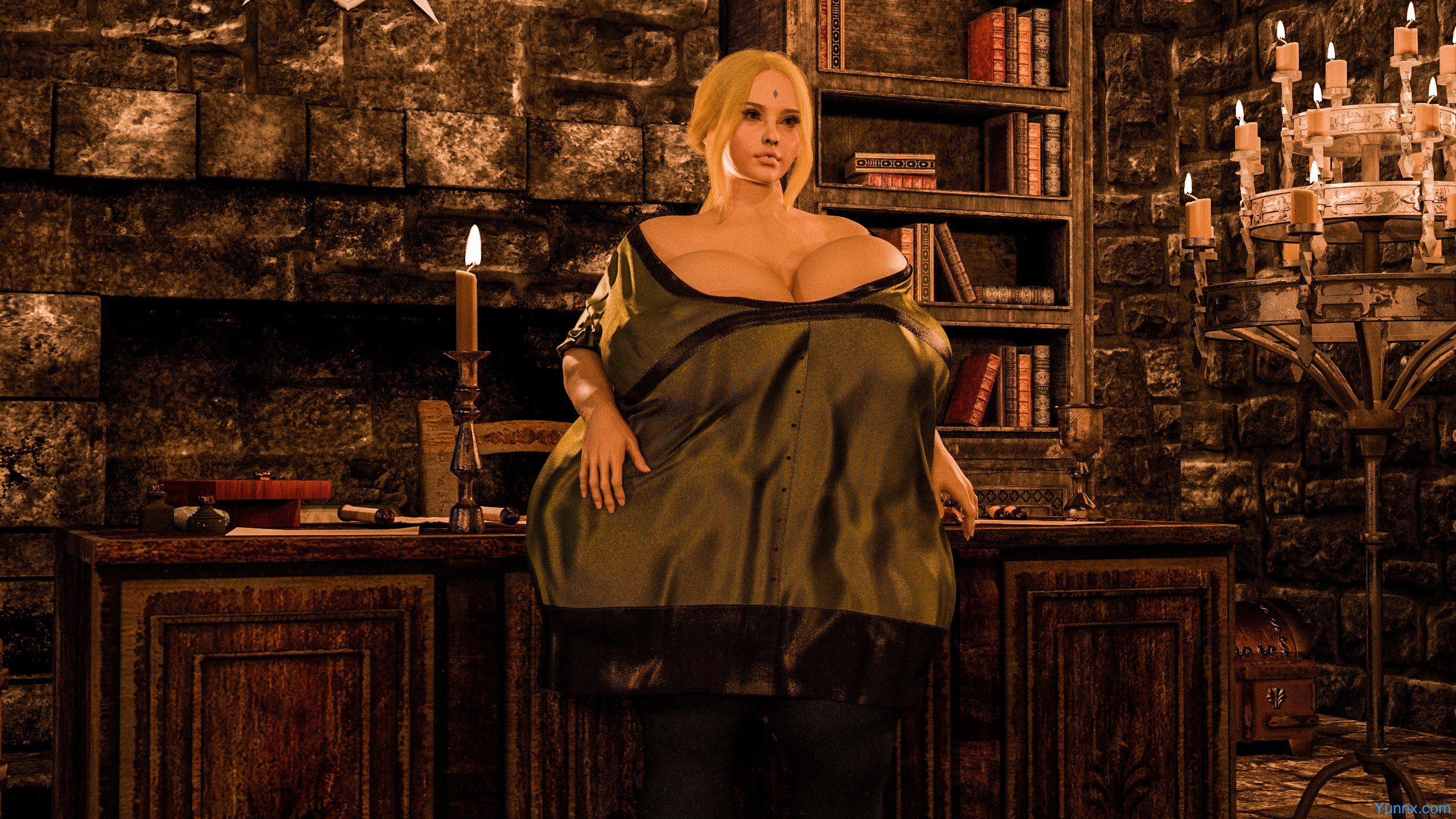
Age of Chaos is a dark medieval fantasy adult RPG where two elite monster hunters, Karin and Valten, venture to a foreign continent on a mission for their Empire. Their noble ideals are tested as they partner with a mysterious local mage and face a creeping corruption that twists their choices, battles, and very souls, leading to dozens of explicit, branching erotic encounters.
Core Narrative & The Corruption System
1. The story follows disciplined hunters Karin and Valten, sent by their school to document dangerous new species across the sea. Their rigid, Empire-first upbringing is immediately challenged by a cunning local mage who offers help—for a price. This uneasy alliance forces them to navigate political intrigue and ancient dangers while their own secret desires and ambitions begin to surface.
2. The game’s central mechanic is the Corruption Meter, a dynamic system that tracks each protagonist’s moral decay. Every major choice, from sparing a defeated foe to accepting a tempting bribe, shifts their alignment. As corruption grows, it unlocks new, darker dialogue options, alters combat behaviors, and most critically, opens up explicit story paths and intimate scenes that would be unavailable to a "pure" playthrough.
3. The narrative is deeply branched; your decisions determine whether Karin and Valten remain loyal hunters, succumb to hedonistic power, or even betray their original mission entirely. The local mage’s own agenda is a variable thread—she might become a manipulative antagonist, a reluctant ally, or a personal corrupting influence depending on how you manage your relationship with her and your own corruption level.
Moral Choices, Branching Consequences & Erotic Encounters
1. Choices are weighty and permanent. Will you prioritize the Empire’s orders or the plight of local innocents? Will you resist or indulge in the carnal opportunities presented by both allies and enemies? Each significant decision feeds into the corruption system, directly influencing which erotic scenes become accessible later, including group encounters, non-consensual scenarios tied to failure, and intimate moments with key characters that reflect your chosen path.
2. The game boasts over 50 uniquely illustrated explicit scenes, many of which are tied to specific corruption thresholds or failed mission objectives. A "virtuous" playthrough might see only a handful of tender, story-driven encounters, while a "corrupted" path unlocks a wide array of darker, more adventurous, and often coercive situations with the mage, captured monsters, and even corrupted citizens of the foreign land.
3. Player agency extends to scene details. In many encounters, you’ll make real-time choices that alter the action—whether to resist or surrender, what demands to meet, or how to navigate a compromising social situation. These micro-choices can lead to different visual outcomes and stat changes, making each playthrough feel authentically shaped by your character’s evolving morality and desires.
Tactical Turn-Based Combat & Progression
1. Combat is strategic turn-based affairs where your corruption level actively modifies your abilities. A highly corrupted Karin might unlock brutal, area-of-effect attack skills that ignore defense but cost sanity, while a pure Valten relies on precise, disciplined strikes and protective auras. Enemy types, from mutated wildlife to the mage’s rival agents, require adapting your tactics based on your current moral alignment.
2. Between missions, you manage resources in a hub area: upgrading gear with rare monster parts, researching new enemy weaknesses for tactical advantages, and most importantly, deciding how to spend your scarce "Influence" points to either resist corruption (gaining stat bonuses for purity) or embrace it (unlocking powerful but risky skills and immediate social/erotic opportunities).
3. Progression is non-linear. You can pursue the main story objective of gathering intelligence, or get sidetracked by the mage’s personal quests, local faction conflicts, or opportunities to deliberately increase your corruption for short-term power. The game’s multiple endings are directly tied to your final corruption score, your relationship status with the mage, and the success or failure of your primary mission.