


Saint Linaria, blessed yet cursed, battles a corrupting mark while surrounded by coveting nobles and priests. This dark fantasy RPG weaves NTR tension, route branching, and a desperate fight for purity as every ally tightens the noose of the seductress’s curse.
The Corrupting Mark: Mechanics of the Seductress’s Curse
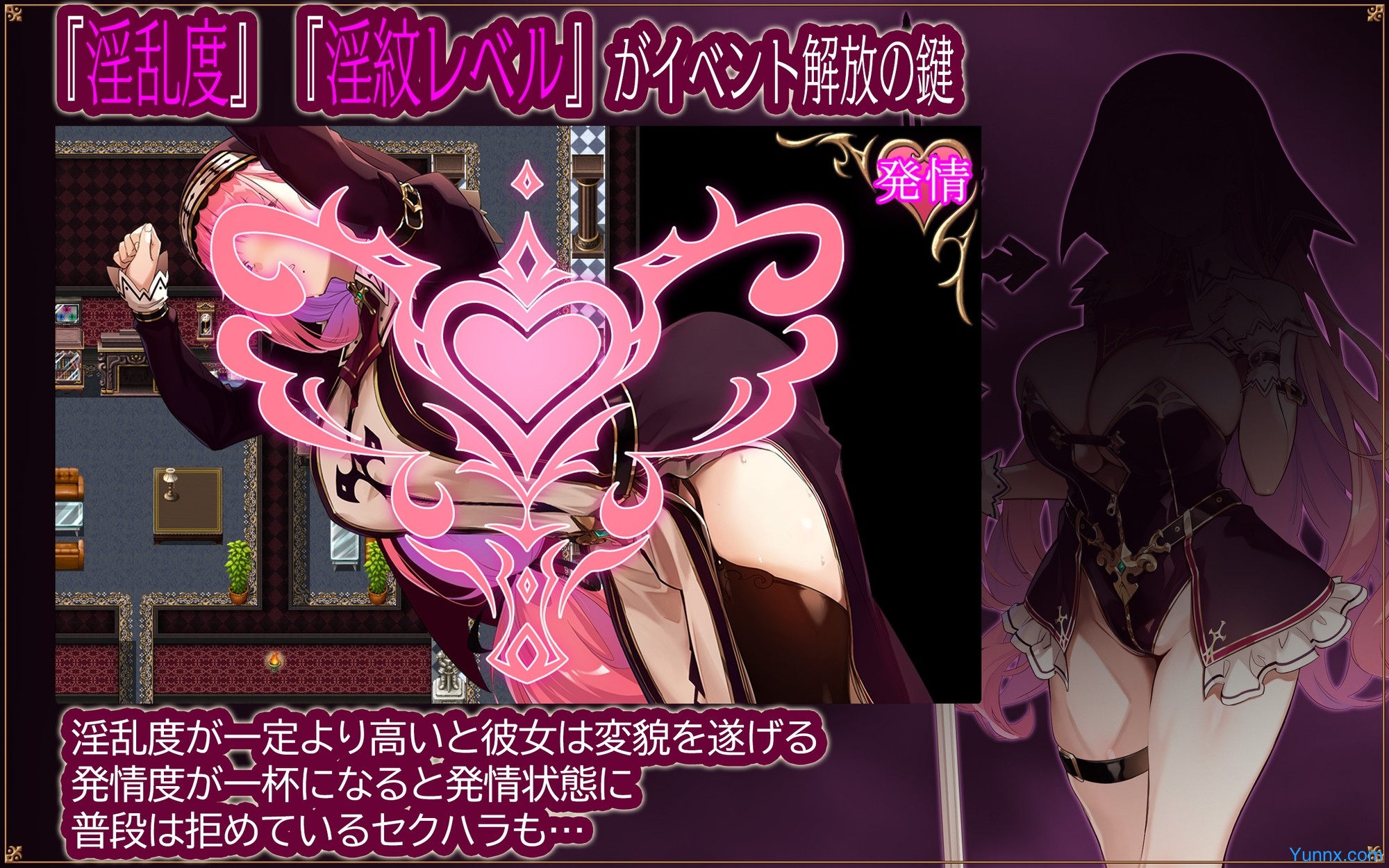
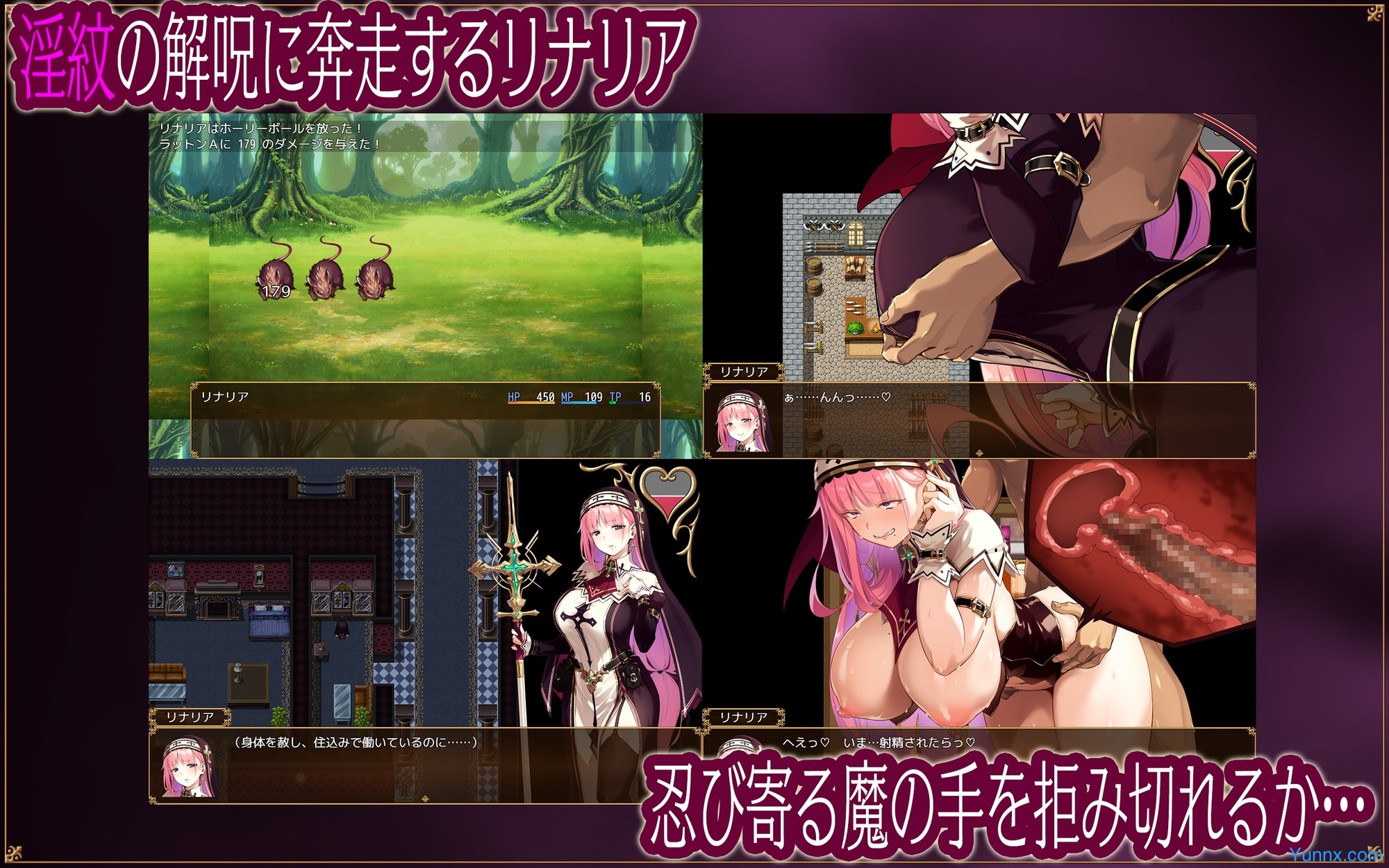
1. The curse is a living, progressing malignancy that manifests through tangible gameplay systems. It begins as a subtle, throbbing warmth and a faint, alluring aura visible only to the player, but escalates into explicit status effects like "Lustful Whisper" (distorting dialogue choices) or "Carnal Temptation" (making certain interactions unavoidable). Each major story beat and intimate encounter adds a "Corruption Token," pushing the mark closer to overt, narrative-altering manifestation.
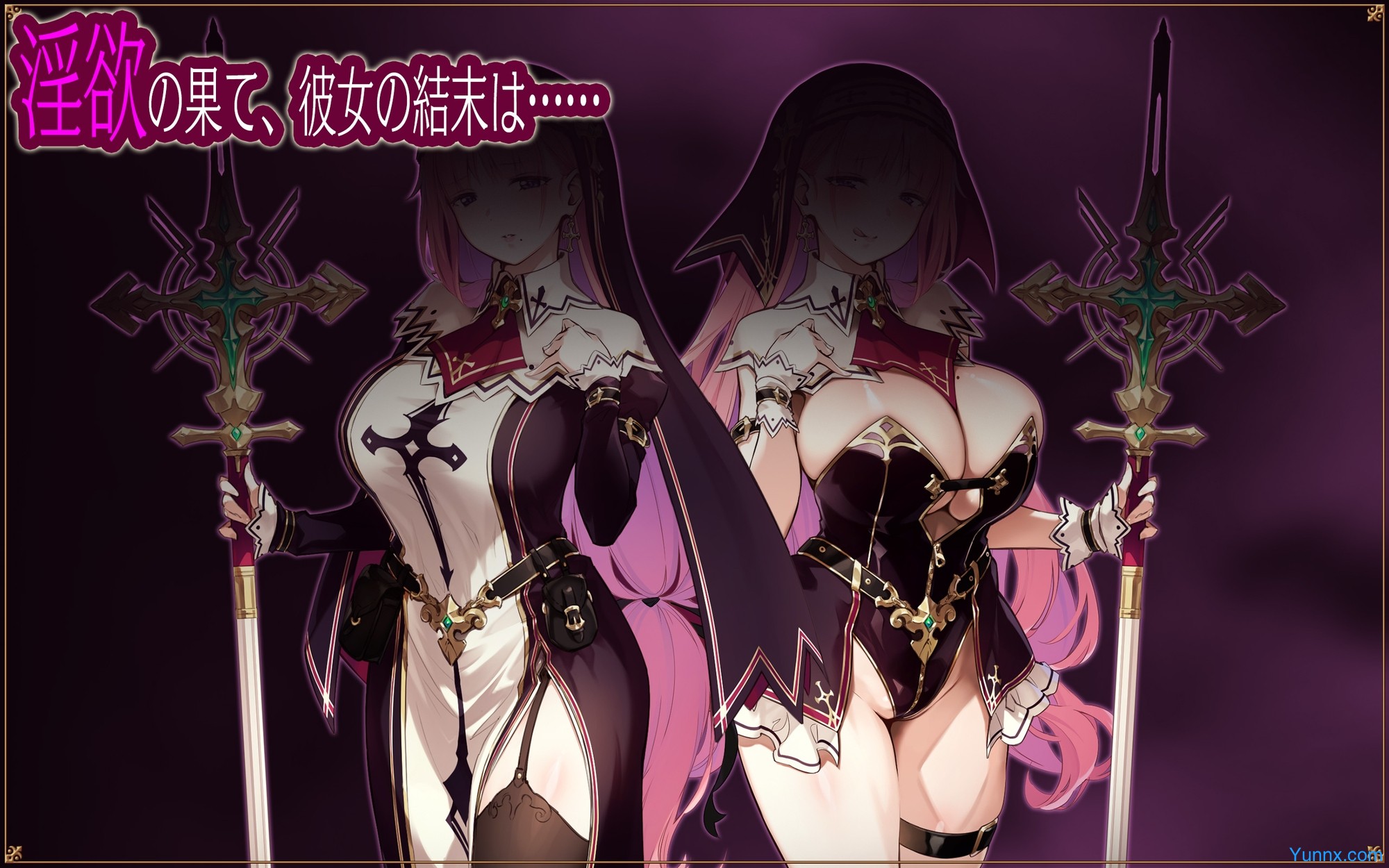
2. Visually and narratively, the corruption deepens. Linaria’s holy garments might subtly stain or tear in suggestive patterns. Her inner monologue shifts from prayers of defiance to conflicted, yearning thoughts. Community guides meticulously track "Corruption Thresholds," pinpointing exactly which scenes or decisions trigger the next visual stage, from a flushed cheek to more profound, body-altering changes that affect available actions.
3. Managing the curse is a core resource dilemma. Special items like "Blessed Herbs" or moments of prayer at chapels can temporarily reduce corruption, but often at the cost of time, reputation, or foregone opportunities. Veteran players debate "Purity Runs" versus "Corruption Runs," with strategies focusing on which quests to avoid and which NPCs to alienate to keep the mark dormant, turning curse management into a tense meta-game of sacrifice.
Whispers of the Court: Allies, Predators, and NTR Dynamics
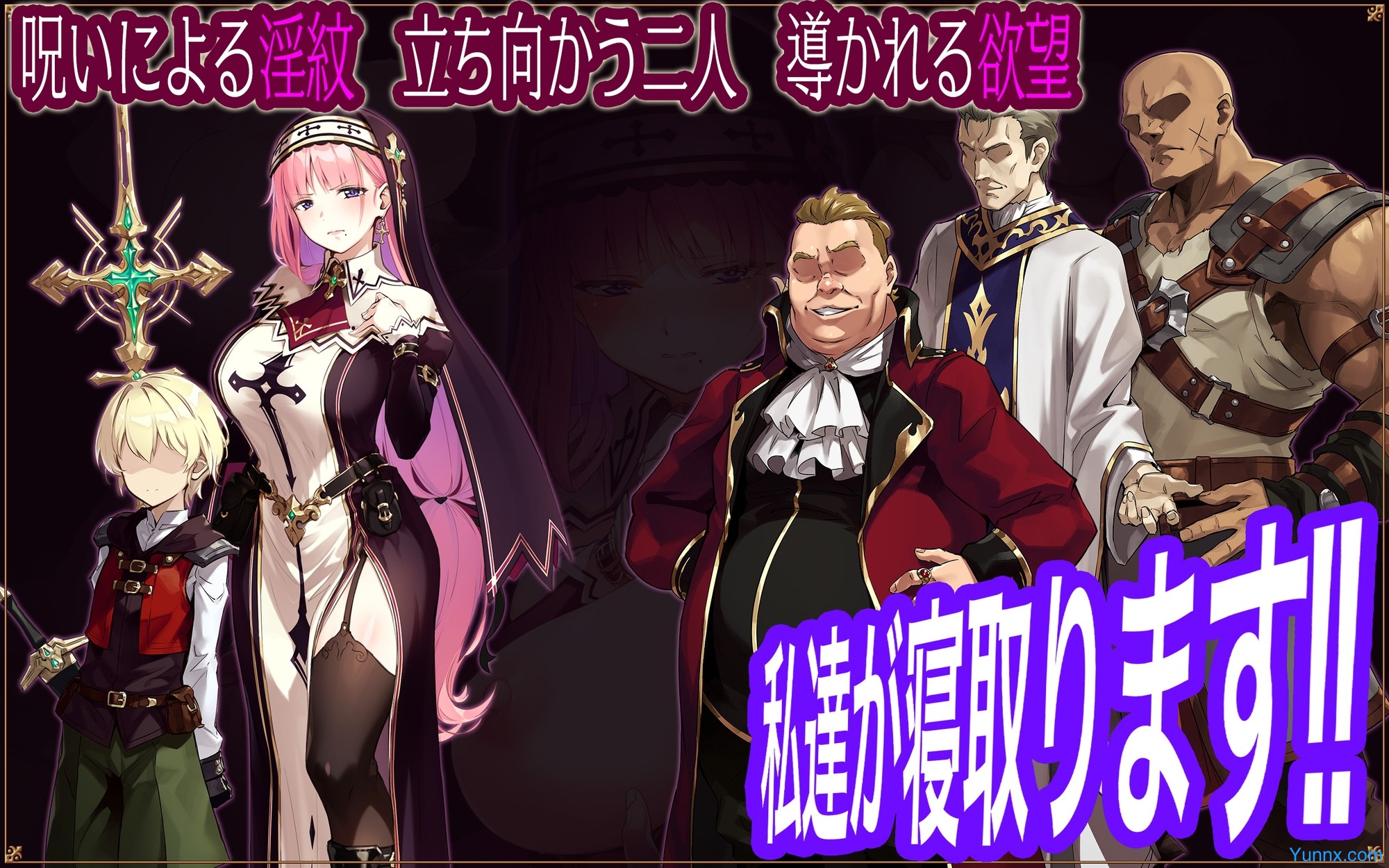
1. The court is a viper’s nest of. Every character—the devoted knight, the sympathetic priestess, the ambitious noble—offers help, but each harbors a secret desire to claim the saintly virgin for themselves, either to exploit her curse for power, sate their own lust, or cement their status. Their dialogue is a minefield of double meanings, and accepting a gift or a safe haven often comes with an invisible, escalating debt.
2. The seductress’s curse acts as a catalyst, amplifying the latent desires of those around Linaria. A guard’s lingering gaze may evolve into a staged "rescue" with ulterior motives. A priest’s counsel might slowly twist into intimate, inappropriate confession. These NTR (Netorare) pressure events are not random; they are triggered by specific corruption levels, reputation standing, or previous choices, creating a sense of inevitable, tightening pressure as the story progresses.
3. Player agency lies in navigating these predatory overtures. You can reject advances, potentially angering a powerful figure and losing a crucial ally. You can play along, temporarily lowering corruption by channeling others’ desires away from yourself, but at the cost of deepening your own moral compromise. Community discussions are rife with analyses of "NTR Triggers" and "Trust Metrics," as players try to map the complex web of relationships to achieve the purest or most depraved outcomes.
Fractured Fate: Branching Paths and Multiple Endings
1. The narrative is a sprawling tree of decisions, with the curse level and key relationships acting as primary branch points. A single choice—to confide in the knight or the priestess, to flee a leering lord or endure his attentions—can close off entire questlines and open others. The game tracks "Purity," "Reputation," and "Corruption" as hidden variables, with thresholds leading to dramatically different chapters, from a secluded monastery escape to a forced coronation as a temple consort.
2. Endings range from the tragically pure to the utterly damned. A "Saint’s Sacrifice" ending sees Linaria breaking the curse through ultimate self-immolation, her name etched in hymns. A "Consort of the Curse" ending has her embracing the seductress’s power, ruling a hedonistic court. Between lies a spectrum of "Compromised" endings where she survives but is forever marked, a political pawn or a broken shell. Each ending is a payoff to a specific playstyle—diplomatic, ruthless, or resigned.
3. True to the dark fantasy genre, the most coveted endings are hidden behind counterintuitive, high-risk paths. The "True Heir" ending, for example, requires deliberately allowing a specific NTR event to occur while maintaining a high reputation score, then using that social capital for a dramatic reversal.