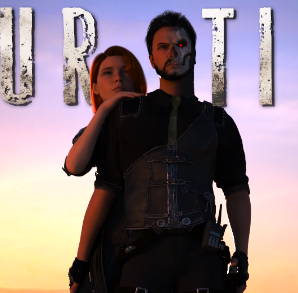
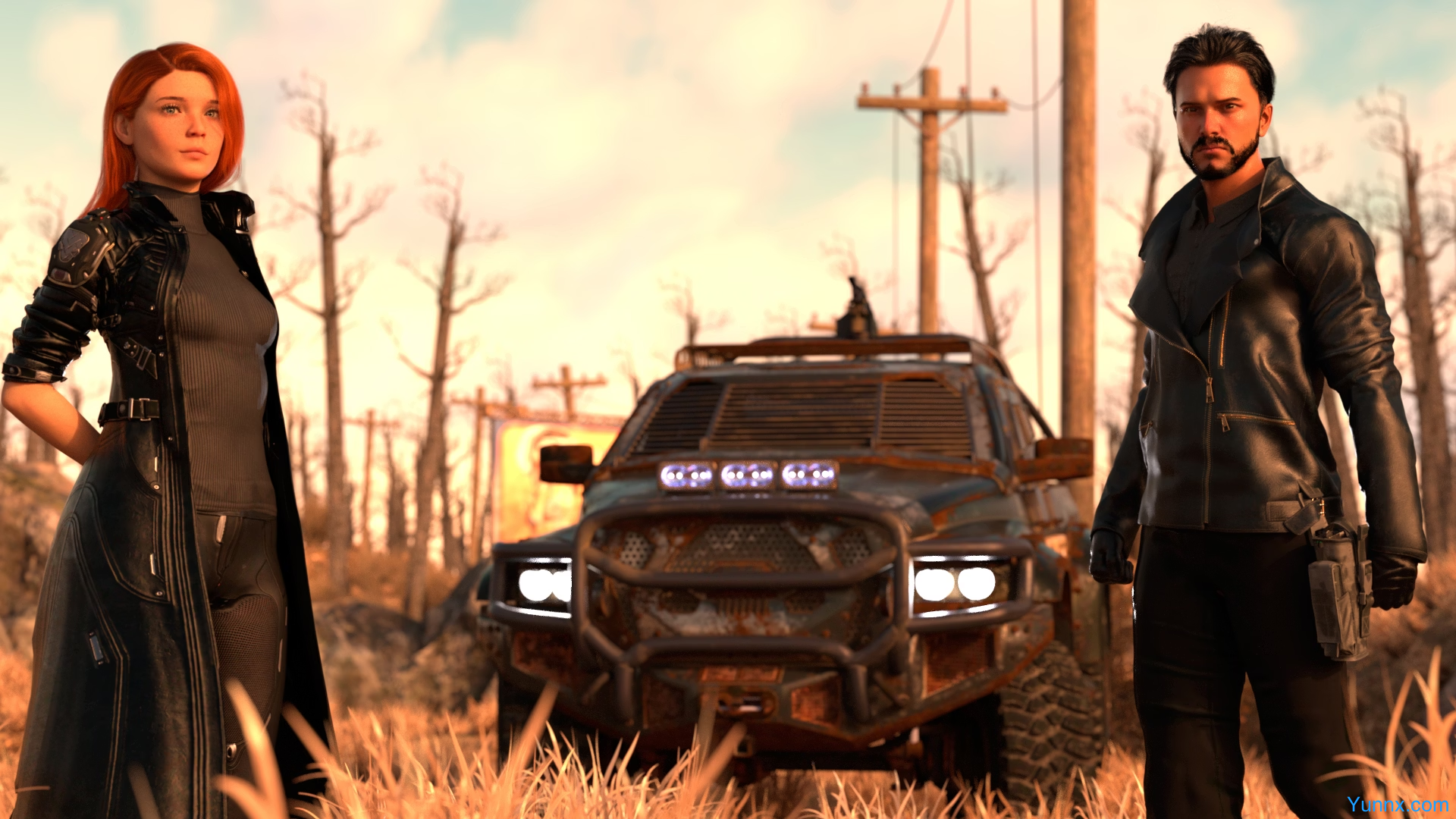
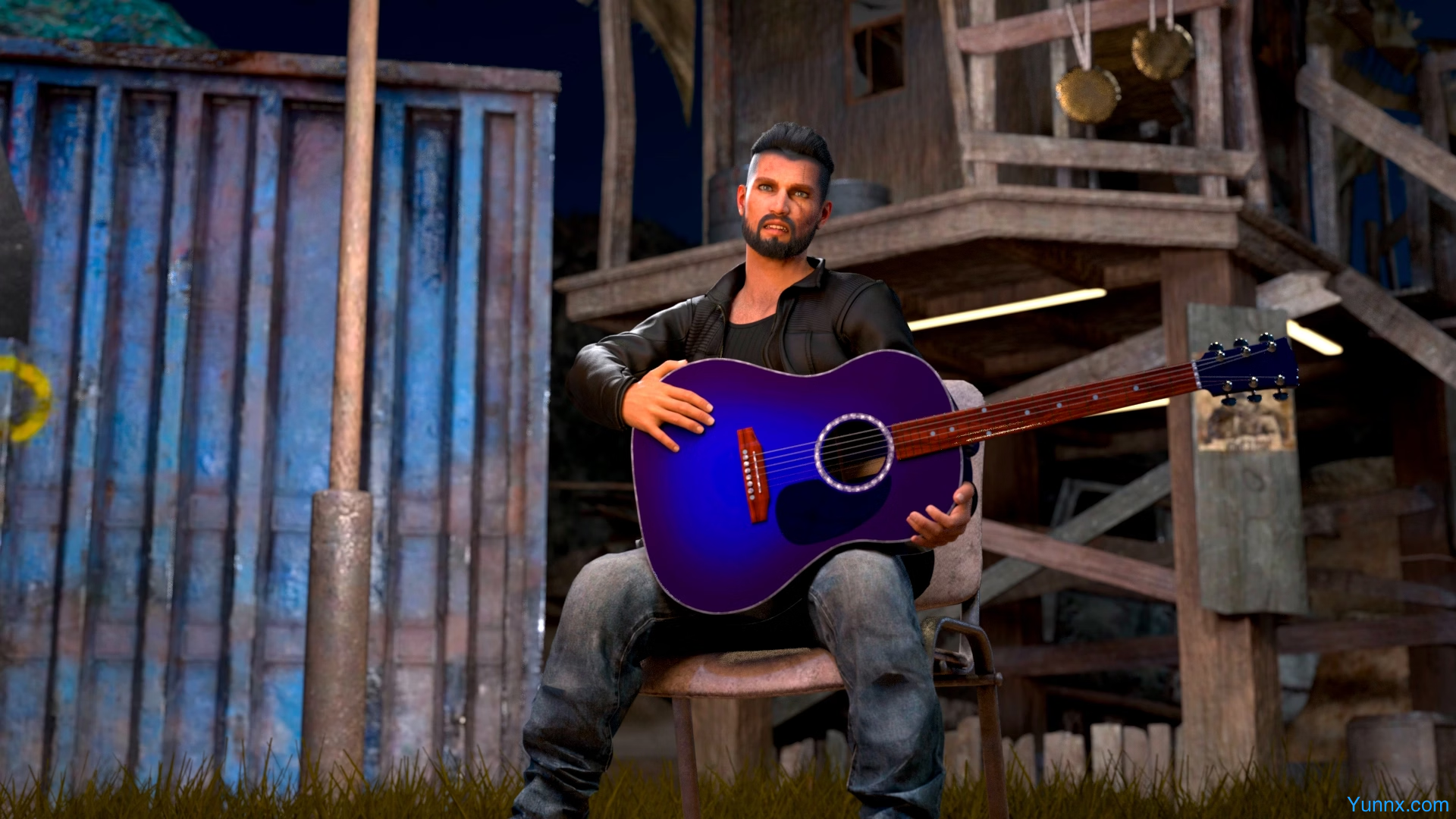

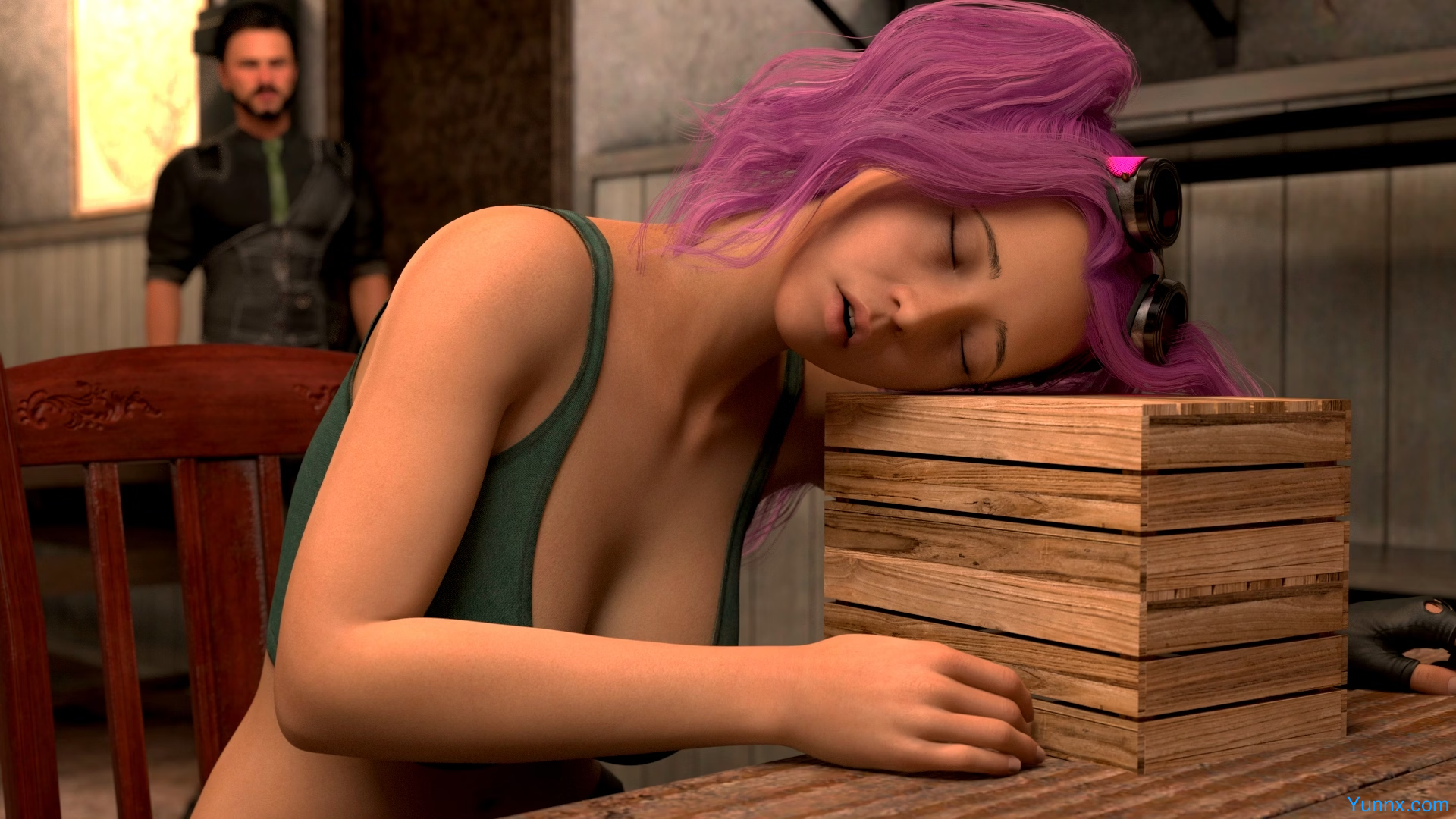
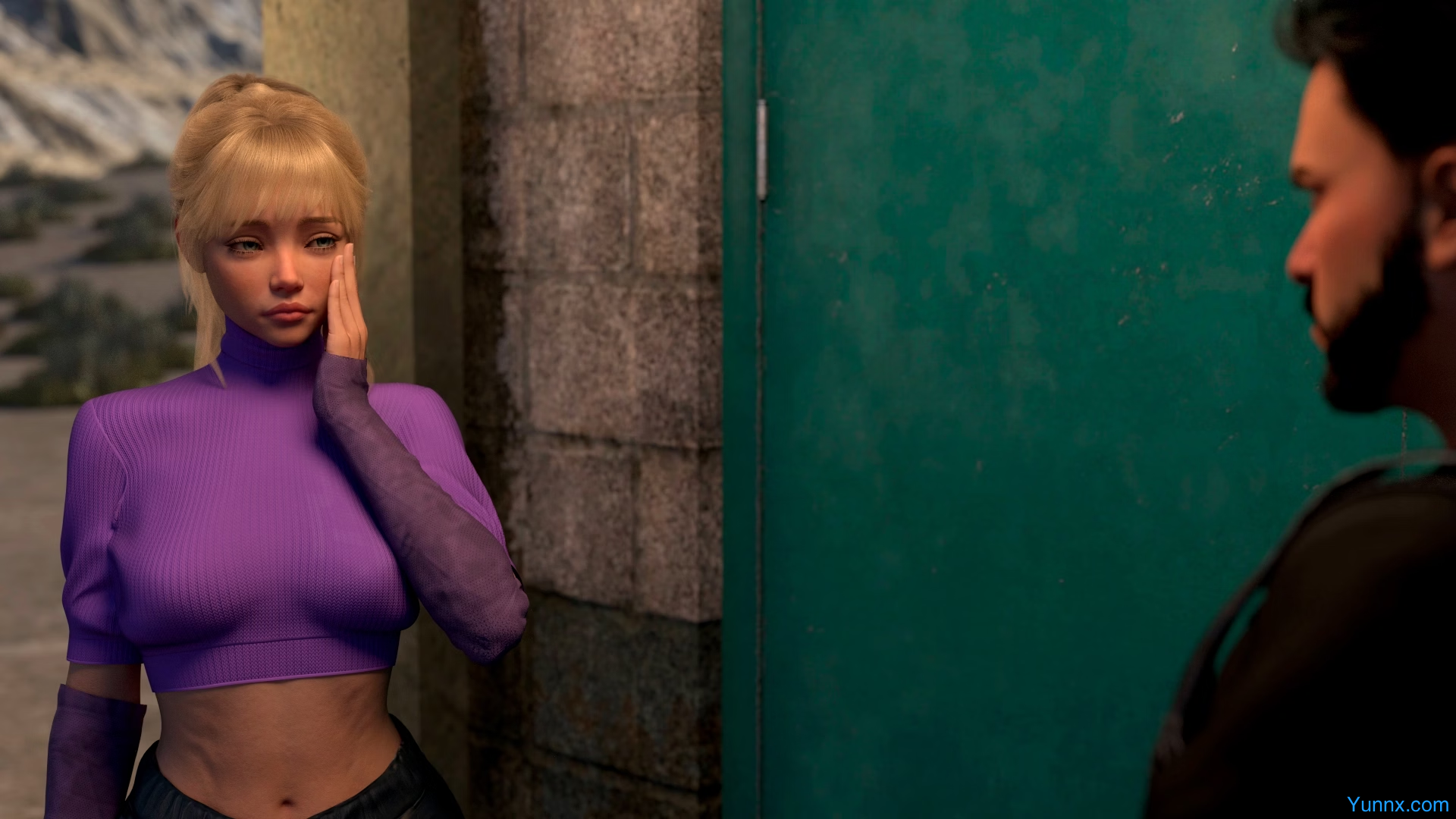
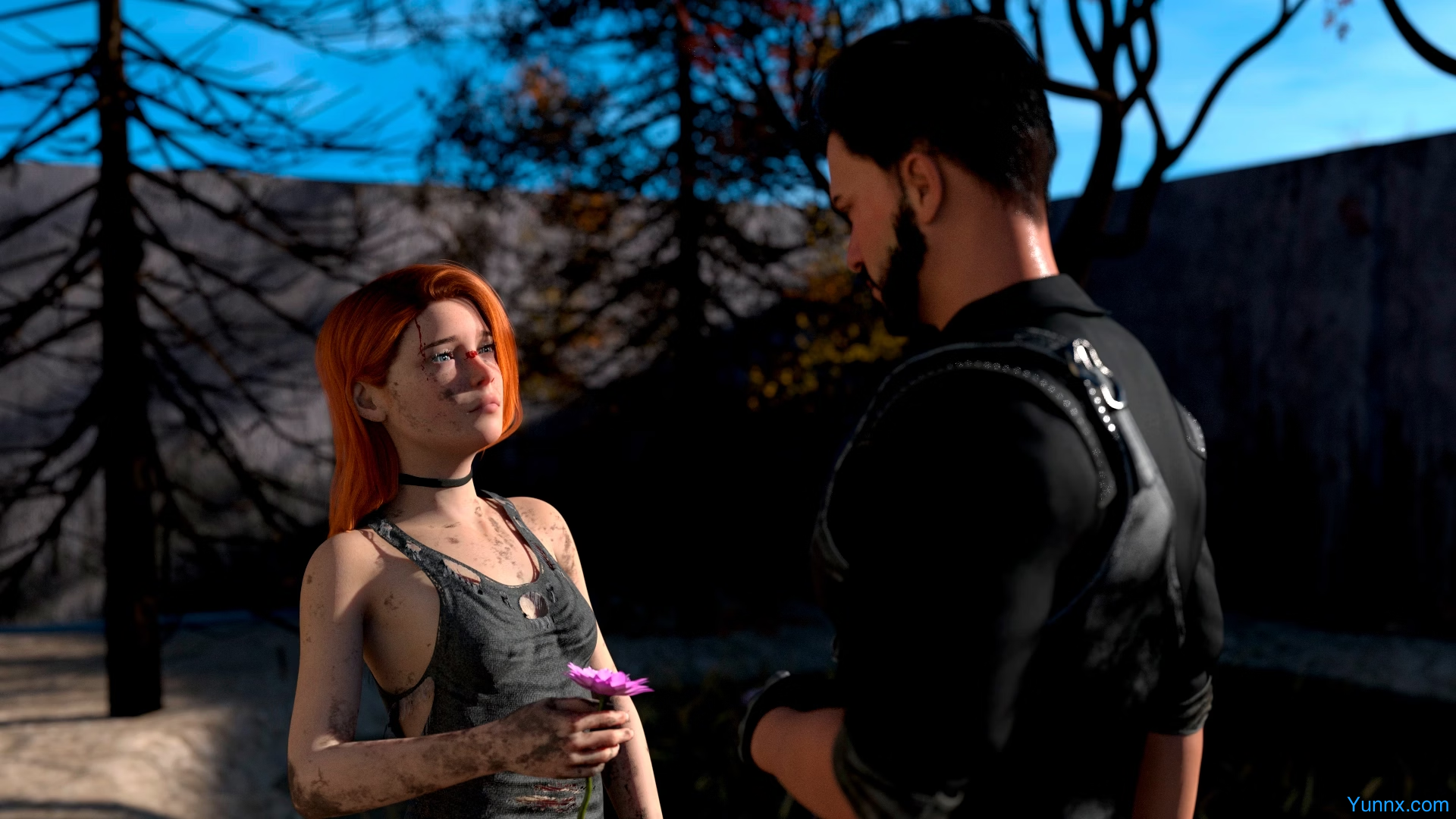
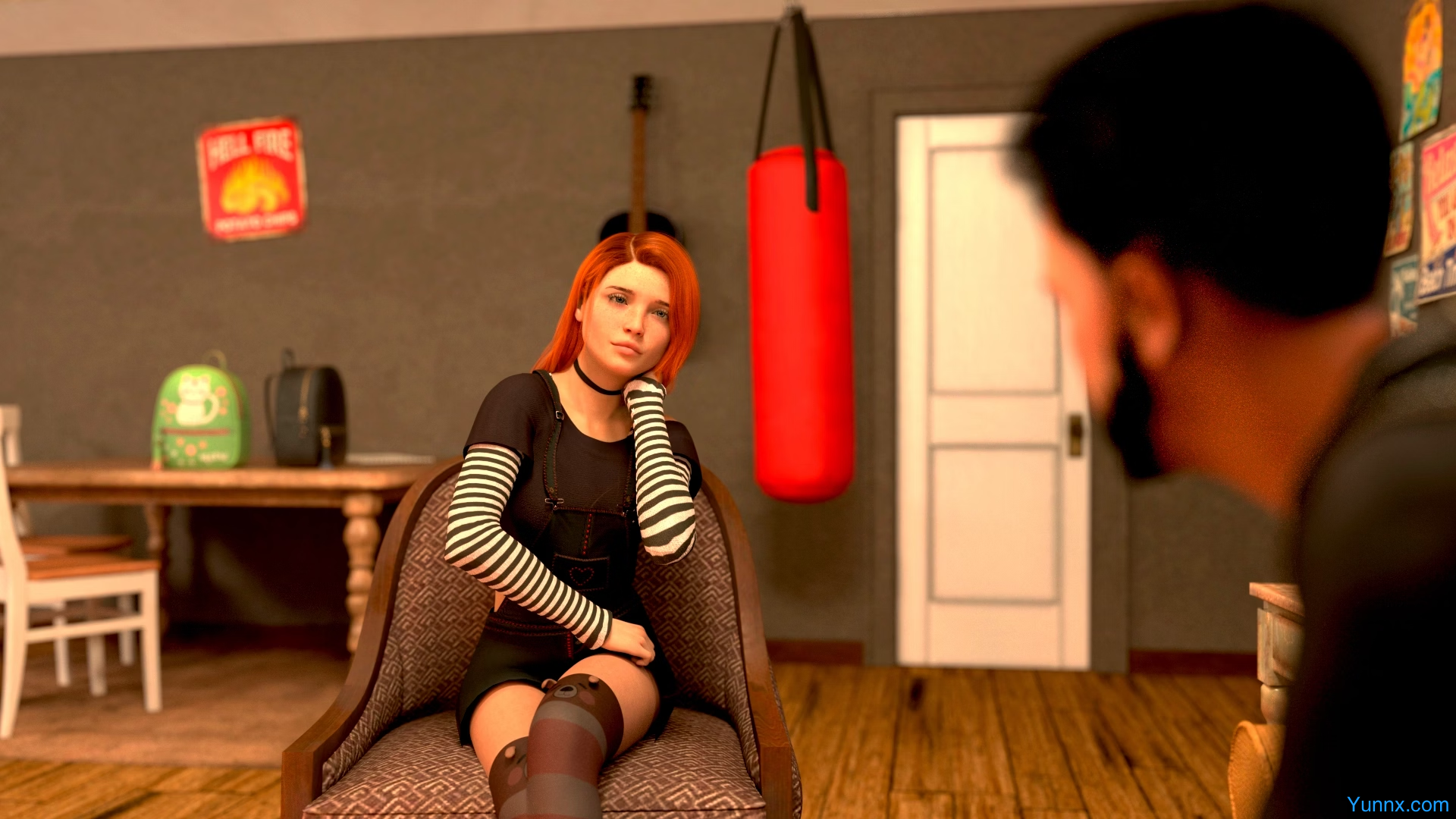
Our Time is a poignant adventure visual novel set in the definitive ashes of a man-made apocalypse. In 2038, a virus causing rapid, unnatural aging decimated humanity, leading to civilization's official fall by 2040. Years later, you follow Mark, a former soldier, as he emerges into a silent world and discovers Aria in the abandoned city of Evergreen—a long-extinguished spark destined to ignite a story of survival, connection, and fragile hope.
A Unique Post-Apocalyptic Tapestry
1. This game presents a distinct catastrophe: not zombies or nuclear fire, but a virus that steals time itself, causing people to age weeks or months in mere days. This creates a profound psychological horror and a world stripped not just of people, but of futures, making every survivor a living monument to lost time. The setting moves beyond the initial spectacle of collapse into the true post-apocalyptic era, focusing on the long, silent aftermath where the struggle is against despair as much as tangible threats.
2. The world-building is meticulous. From the ruins of the old world rises the "Crimson Shield," hinting at new factions and power structures emerging from the chaos. The environment itself is a character; places like the abandoned city of Evergreen are less about high-tech decay and more about nature reclaiming human spaces, creating a melancholic, often beautiful backdrop for the intimate story. The mysterious disappearance of the virus after reducing the population by 97% adds a layer of unresolved mystery, leaving survivors to grapple with the "why" of their empty world.
3. This framework expertly supports the core fantasy of the genre: the clean slate. With the old world's rules, debts, and complexities erased, characters like Mark are liberated to define themselves anew, making the personal journey of a former soldier finding purpose beyond survival feel both heroic and deeply human. The game taps into the desire to find meaning and be "special" in a simplified, though brutal, reality where every connection carries immense weight.
Depth of Character and the Central Relationship
1. At its heart, Our Time is a bildungsroman for a broken world, charting the psychological development of its protagonists[^14]. Mark, a former soldier, carries the invisible wounds of a lost war—not just against the virus, but likely against the chaos that followed. His journey from isolated shelter-dweller to a man who dares to connect again is the narrative's backbone, exploring themes of trauma, resilience, and the re-learning of trust[^14].
2. Aria represents the antithesis of the wasteland: hope, mystery, and a reason to look forward. Their meeting is not a simple rescue but a mutual discovery. The writing likely explores how these two damaged individuals, shaped by vastly different experiences in the same apocalypse, challenge and heal each other. Their dynamic serves as the primary vehicle for the game's themes, showing how human connection becomes the ultimate act of rebellion against a world that has ended.
3. The host of interesting characters beyond the central pair act as moral compasses and catalysts, much like the minor figures in classic coming-of-age literature. They may represent different paths of survival—cynicism, ruthless pragmatism, blind faith, or communal solidarity—forcing Mark and the player to reflect on their own choices and values. These interactions are crucial for character growth, illuminating the complexities of building new social bonds when the old ones are dust.
The Visual Novel Experience: Choice and Consequence
1. As a choice-heavy visual novel, the game's core mechanics revolve around interactive dialogue and decision-making that shapes the narrative[^10]. Your choices will define Mark's personality, his relationship with Aria, and the fate of those they encounter. This non-linear storytelling approach allows players to explore different facets of his character, from a guarded loner to a compassionate leader, ensuring high replayability to see all possible outcomes and endings.
2. The "adventure" element suggests exploration beyond passive reading. Players may investigate key locations like Evergreen, uncovering environmental clues that piece together the history of the collapse and the secrets of the central characters. This blend of thoughtful exploration and deep conversation creates an immersive pace, letting you soak in the atmosphere while driving the story forward through your curiosity and choices.
3. The artistic presentation is key to selling the game's tone. Expect a visually striking style that captures the haunting beauty of decay and the poignant intimacy of character moments. The soundtrack likely complements this, shifting between somber, ambient tracks for exploration and emotionally resonant themes for key story beats. This cohesive presentation ensures the player is not just reading a story, but feeling the weight and hope of every moment in this meticulously crafted aftermath.