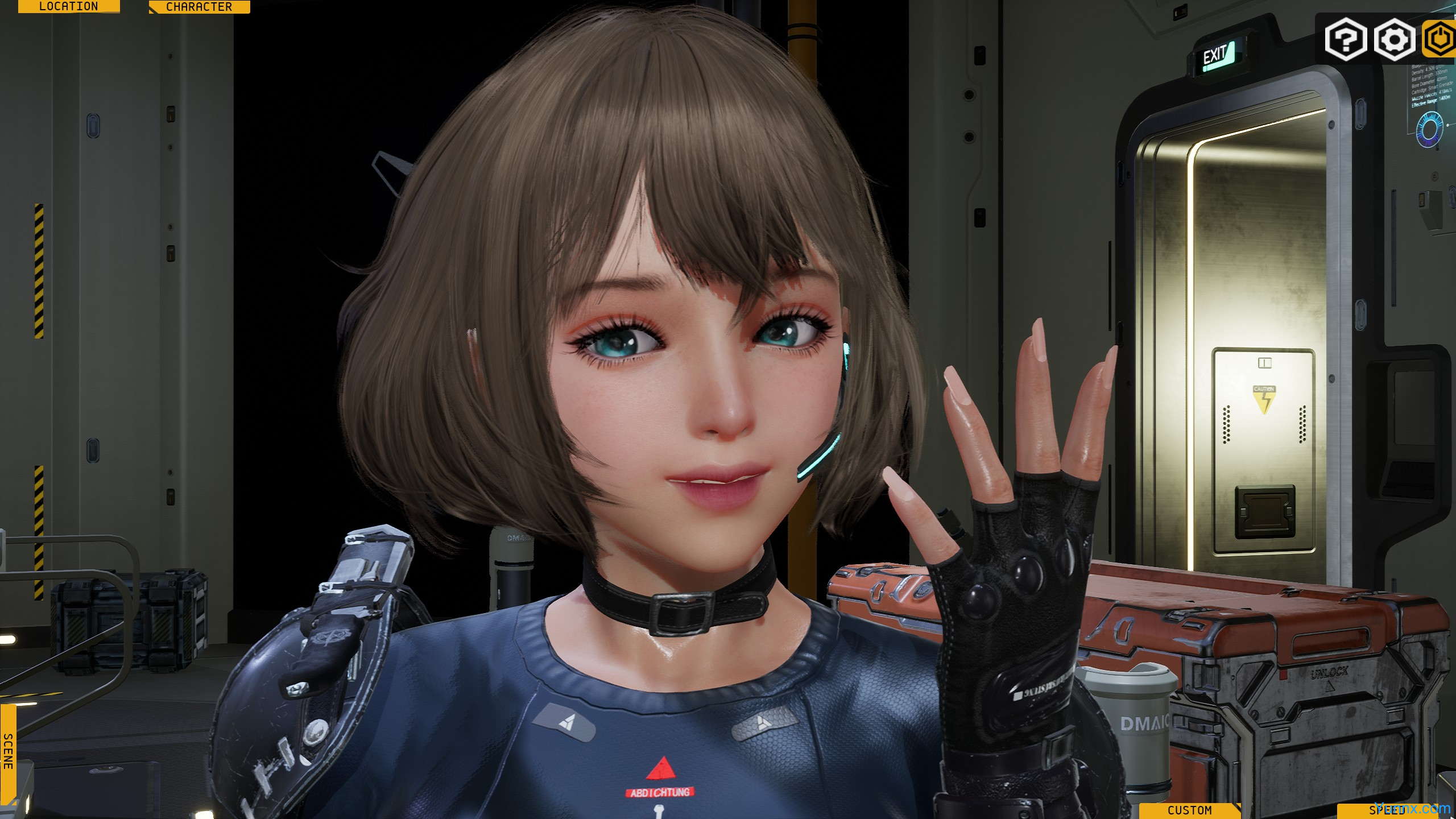
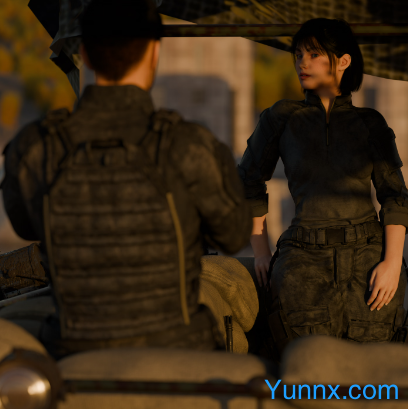
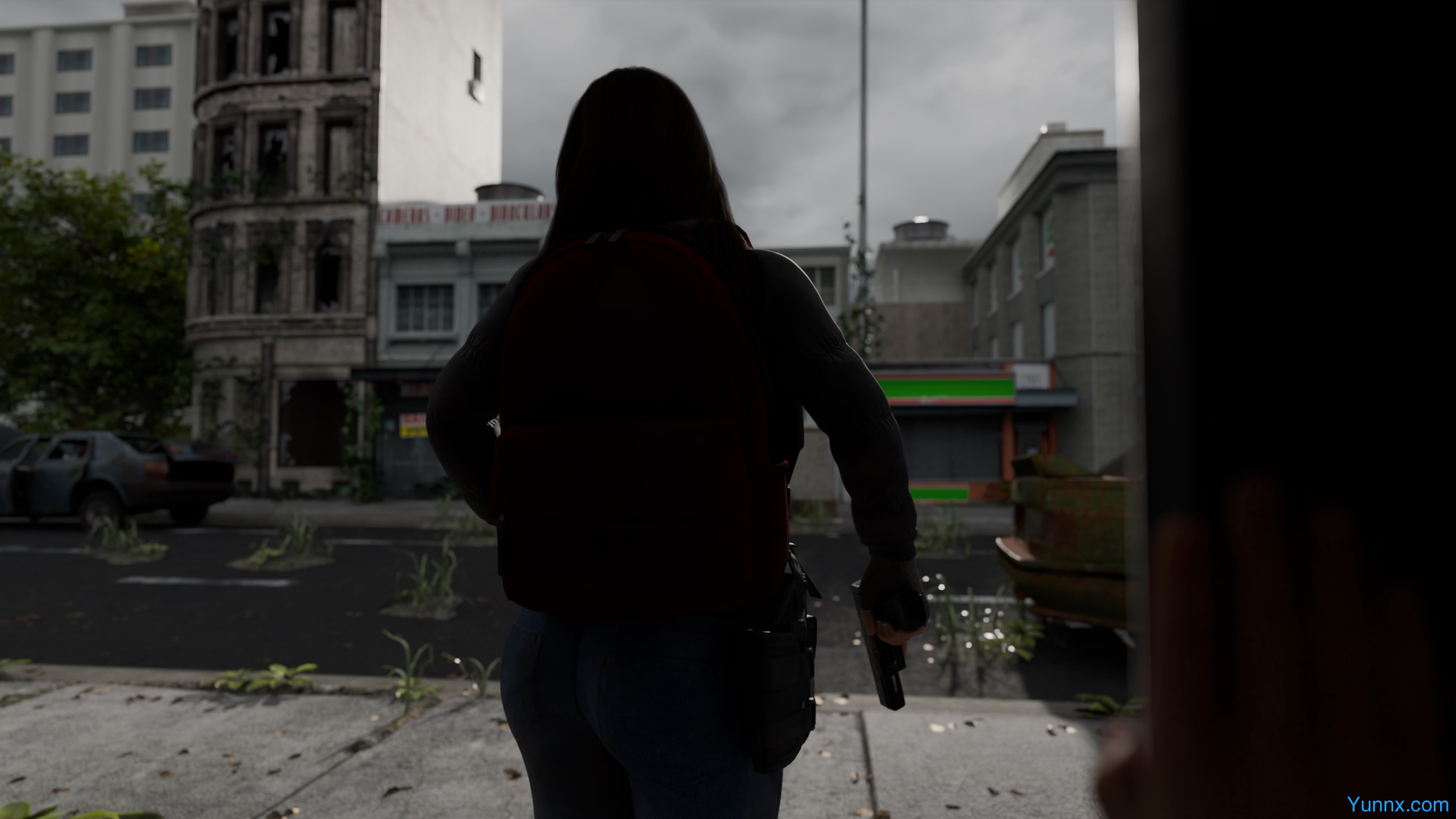

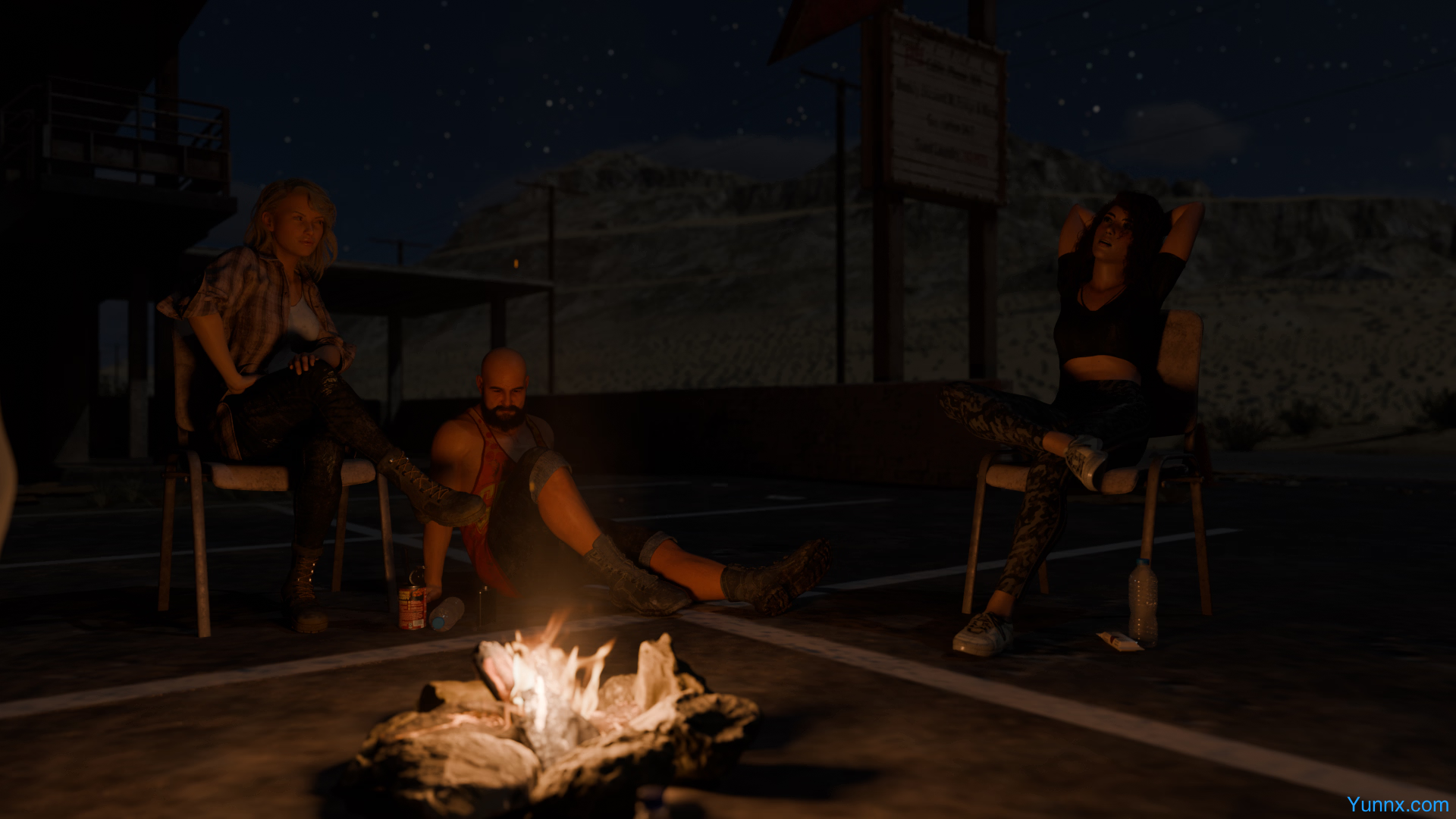
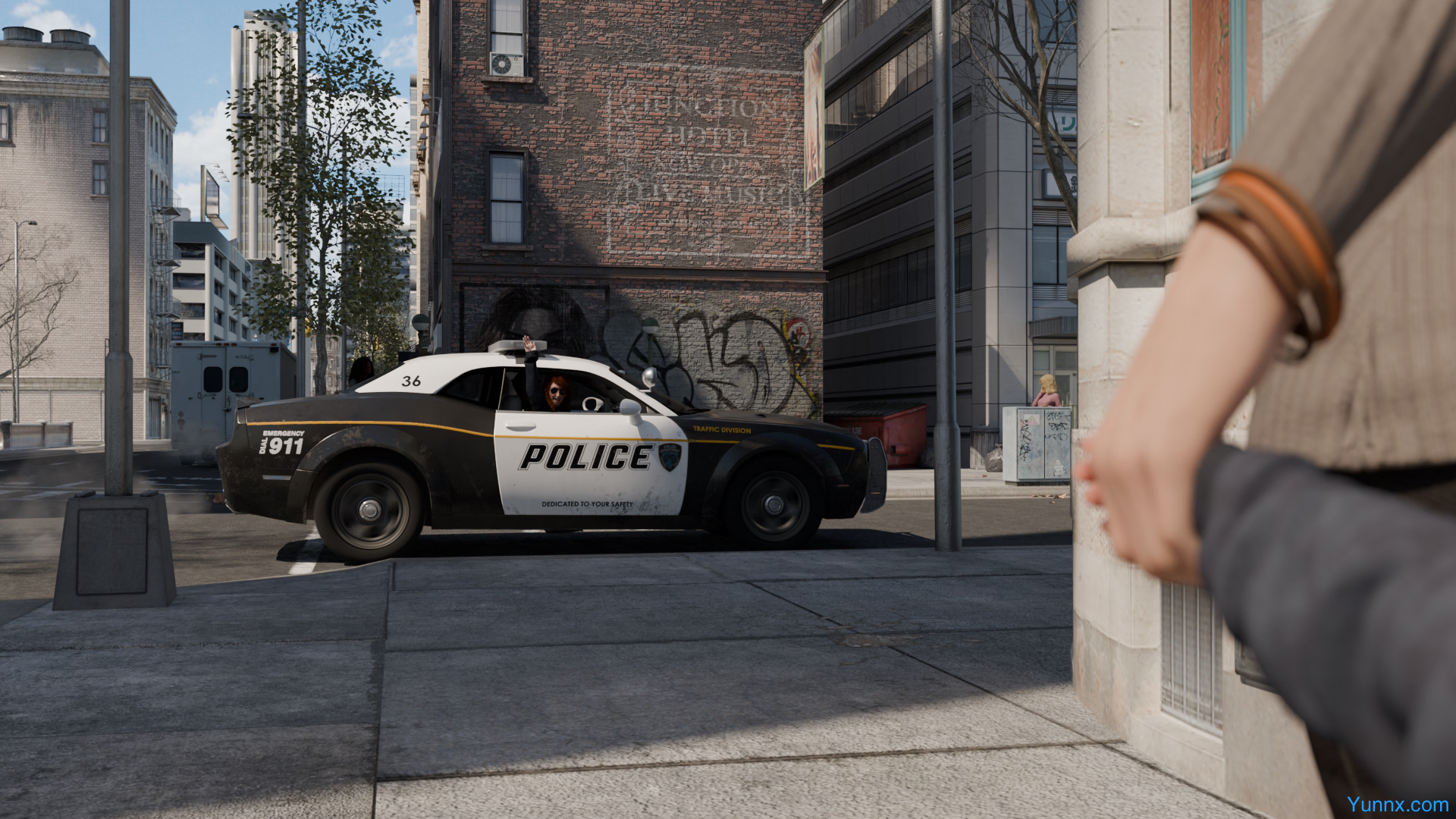
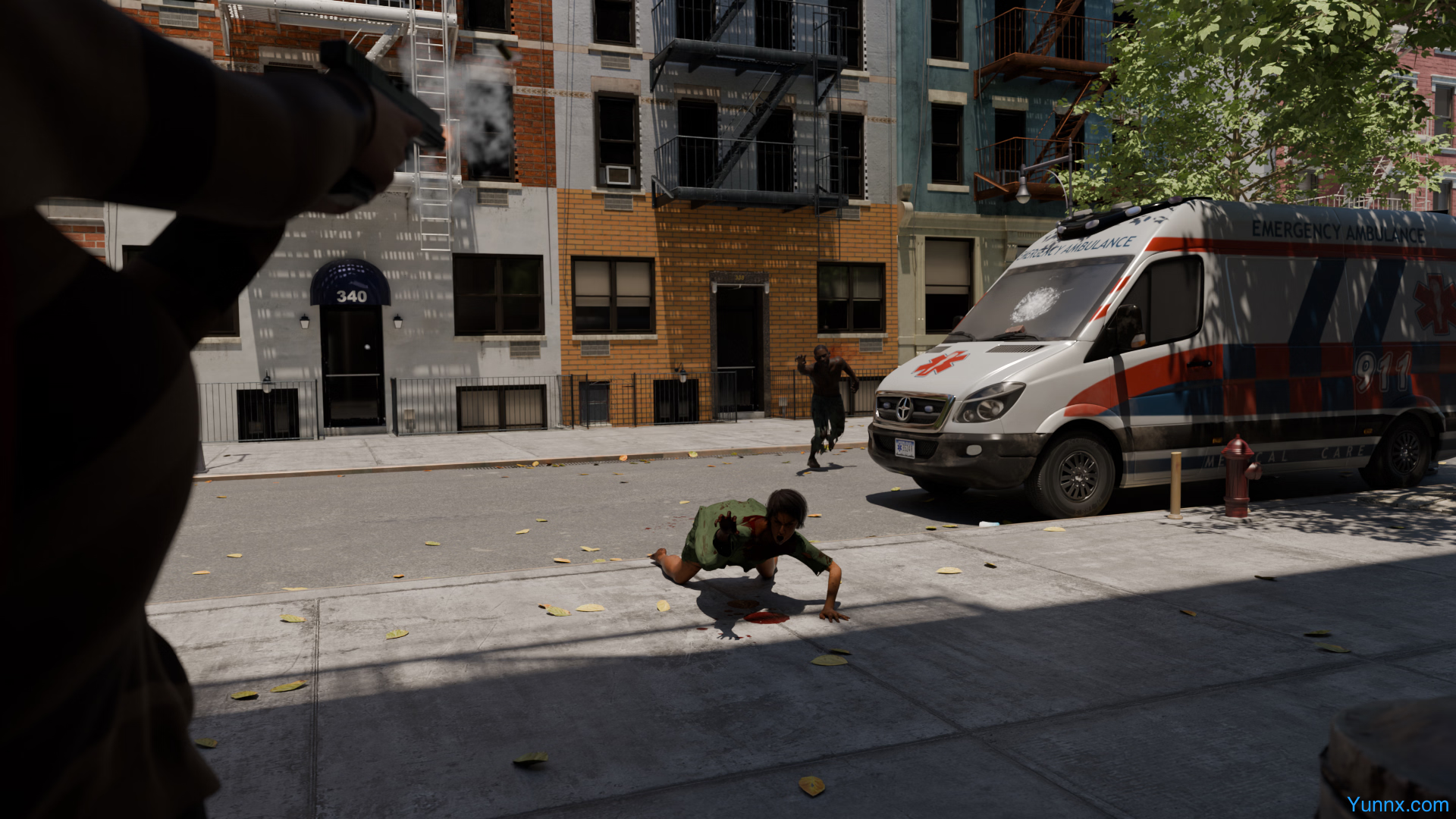
Outbreak: Aftermath presents a profound narrative journey set in the absolute ruin of a world consumed by an incurable rage virus[^4]. This story-driven visual novel follows the protagonist from a childhood shaped by desperate years on the road into the relative safety of Oren's walls—a rare haven where the danger merely changes form[^6]. Your every decision will indelibly define who he becomes, crafting a deeply personal tale of survival, morality, and the cost of humanity in a broken world.
A Lifelong Narrative of Survival and Choice
1. Unlike many stories in the genre that begin in medias res, this game commits to a full life story. You guide the protagonist from formative childhood experiences on the brutal road through to adulthood within the sanctuary of Oren[^4]. This extended timeline allows for unparalleled depth in character development, as early traumas and lessons directly influence the adult's personality, relationships, and capacity for leadership or violence in the game's present day.
2. The core mechanic is meaningful choice. Every dialogue option, moral quandary, and alliance formed carries weight, shaping the protagonist's worldview and reputation. Will years of hardship make him a compassionate leader who remembers the value of community, or a ruthless pragmatist who sees people only as tools or threats? The narrative branches significantly based on your guidance, leading to multiple distinct endings that reflect the person you molded.
3. This is a personal, psychological exploration of post-apocalyptic life. While other games in the Outbreak universe focus on cooperative action or procedural challenges[^6][^11], Aftermath delves into the quiet, lingering trauma and the complex social dynamics that arise when immediate physical survival is temporarily assured. The story examines what it means to rebuild a self and a society when the old world is truly gone.
The False Sanctuary of Oren and Its New Dangers
1. The safe haven of Oren is a character in itself. Its walls keep the infected hordes at bay, but they also trap human nature under immense pressure[^4]. Here, the explicit monster is replaced by subtler threats: power struggles, scarcity-driven conflict, ideological factions, and the slow erosion of hope. The game masterfully transitions from the external horror of the outbreak to a more intimate, social horror within the community.
2. Gameplay within Oren involves navigating this fragile ecosystem. You will manage relationships with key characters, each with their own agendas and pasts, deciding whom to trust, whom to aid, and whom to oppose. Resources, while more available than on the road, are still limited, forcing you into ethical decisions about distribution that can unite or fracture the community. Puzzles may involve social deduction or unraveling political plots rather than just finding physical keys.
3. The tension is perpetual. The ever-present threat of the infected outside the walls serves as a constant backdrop, influencing every decision inside[^6]. A failed supply run, a compromised gate, or an internal coup could instantly shatter the peace, throwing Oren back into chaos. Your choices determine not only your protagonist's fate, but the very stability and future of this last bastion of civilization.
Replay Value and Community-Driven Discovery
1. The branching narrative is designed for multiple playthroughs. With decisions that compound from childhood onward, a choice made in the early hours can radically alter scenarios and relationships available dozens of hours later. This encourages players to revisit the story to explore different moral paths, unlock alternative endings, and see how varying the protagonist's personality changes the fate of Oren itself.
2. As a narrative-rich experience, community discussion naturally focuses on story outcomes and character arcs. Players often share guides on achieving specific endings, detailing the critical decision points for becoming a revered hero, a feared dictator, or a forgotten casualty. Forums buzz with debates about the "best" or "most canonical" path, and theories about the deeper lore of the rage virus and the true history of Oren.
3. The game stands as a distinct, contemplative pillar in the broader Outbreak universe. While series entries like Outbreak RPG offer semi-procedural rogue-like challenges, and the classic Outbreak game delivers a brutal, top-down survival co-op experience[^11], Aftermath provides a focused, novelistic counterpart. It appeals to players who crave a slower, more deliberate and character-focused exploration of the apocalyptic premise, proving that in the aftermath, the most complex battles are fought within the human heart and mind.