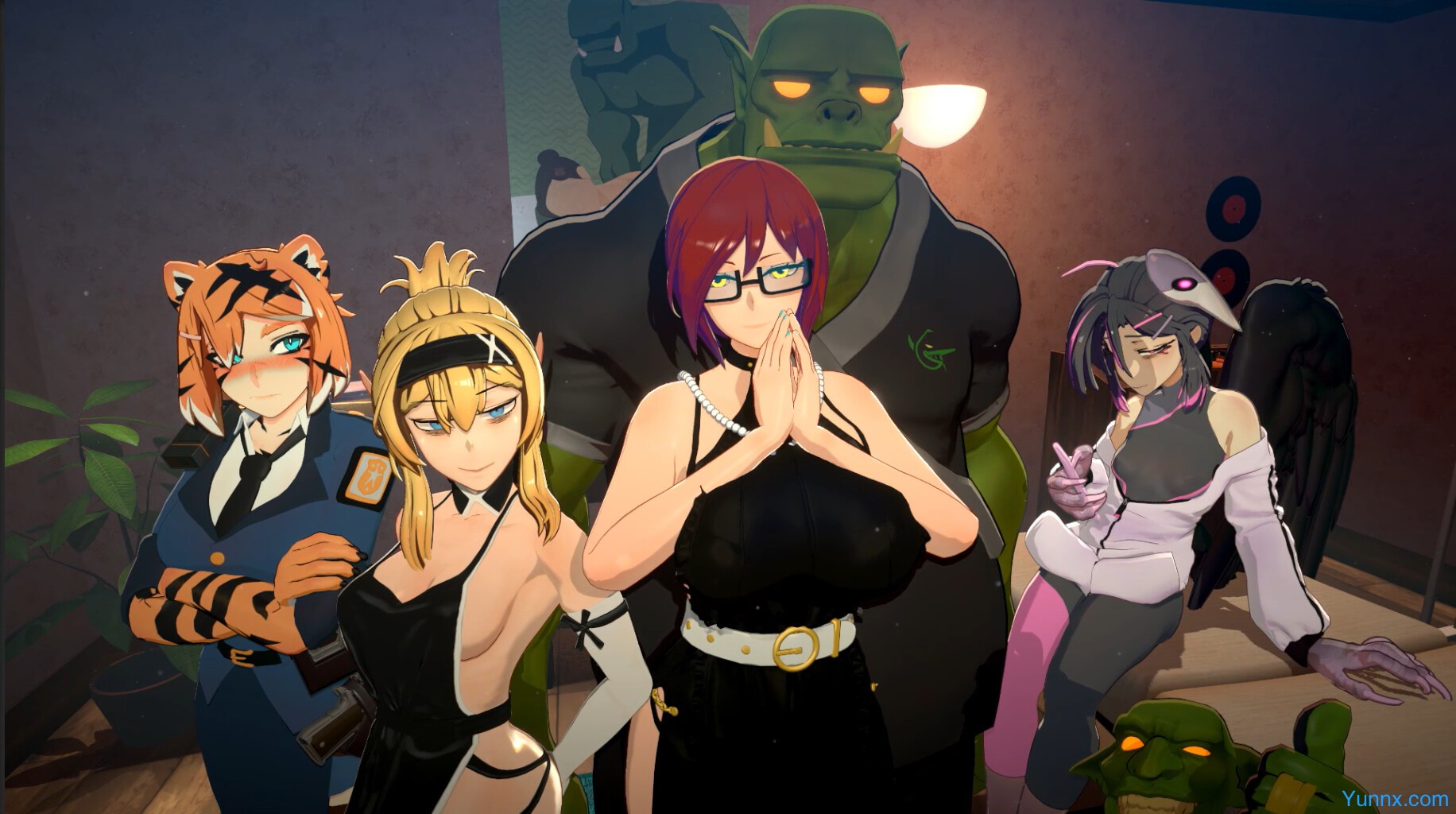
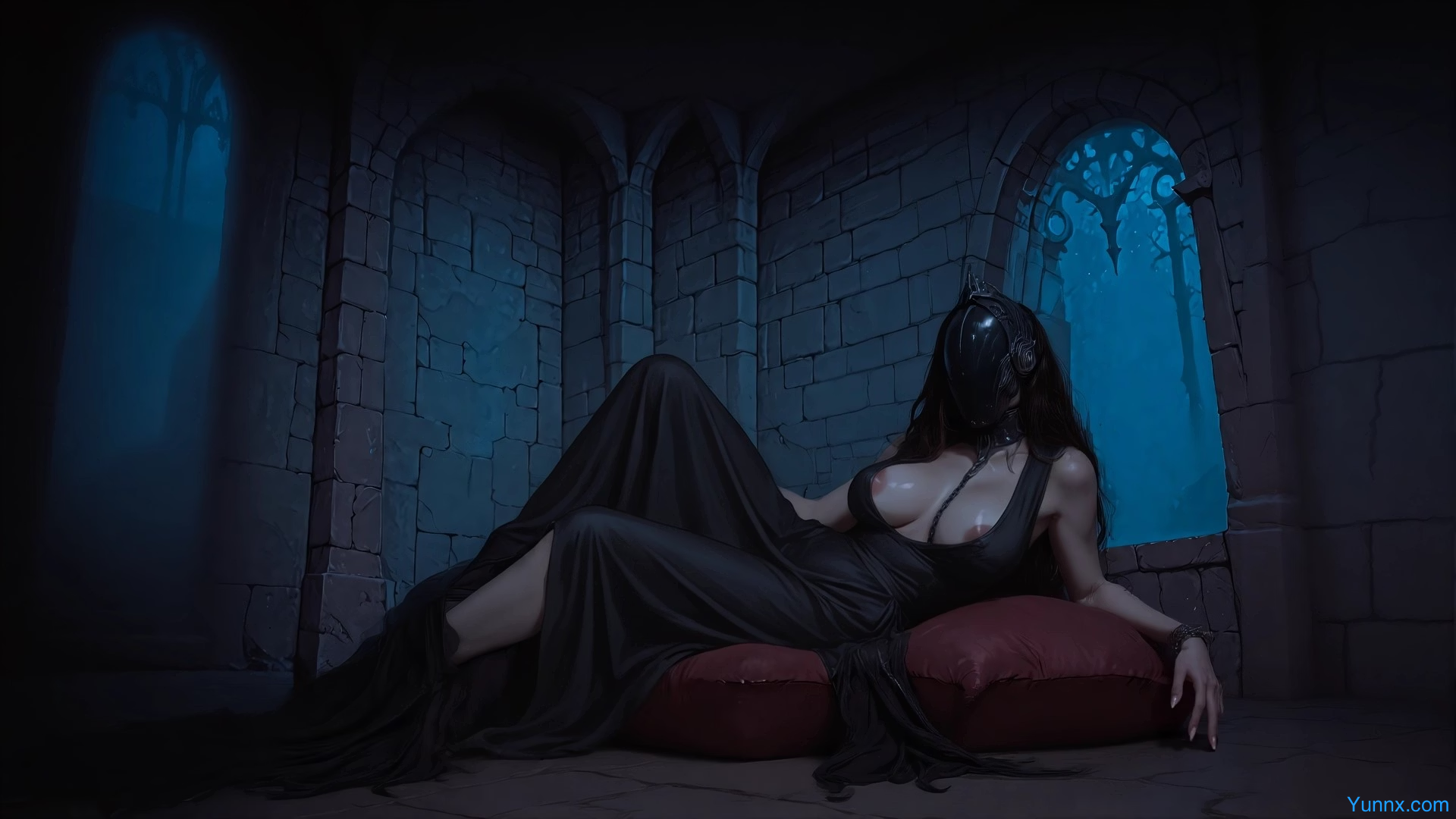
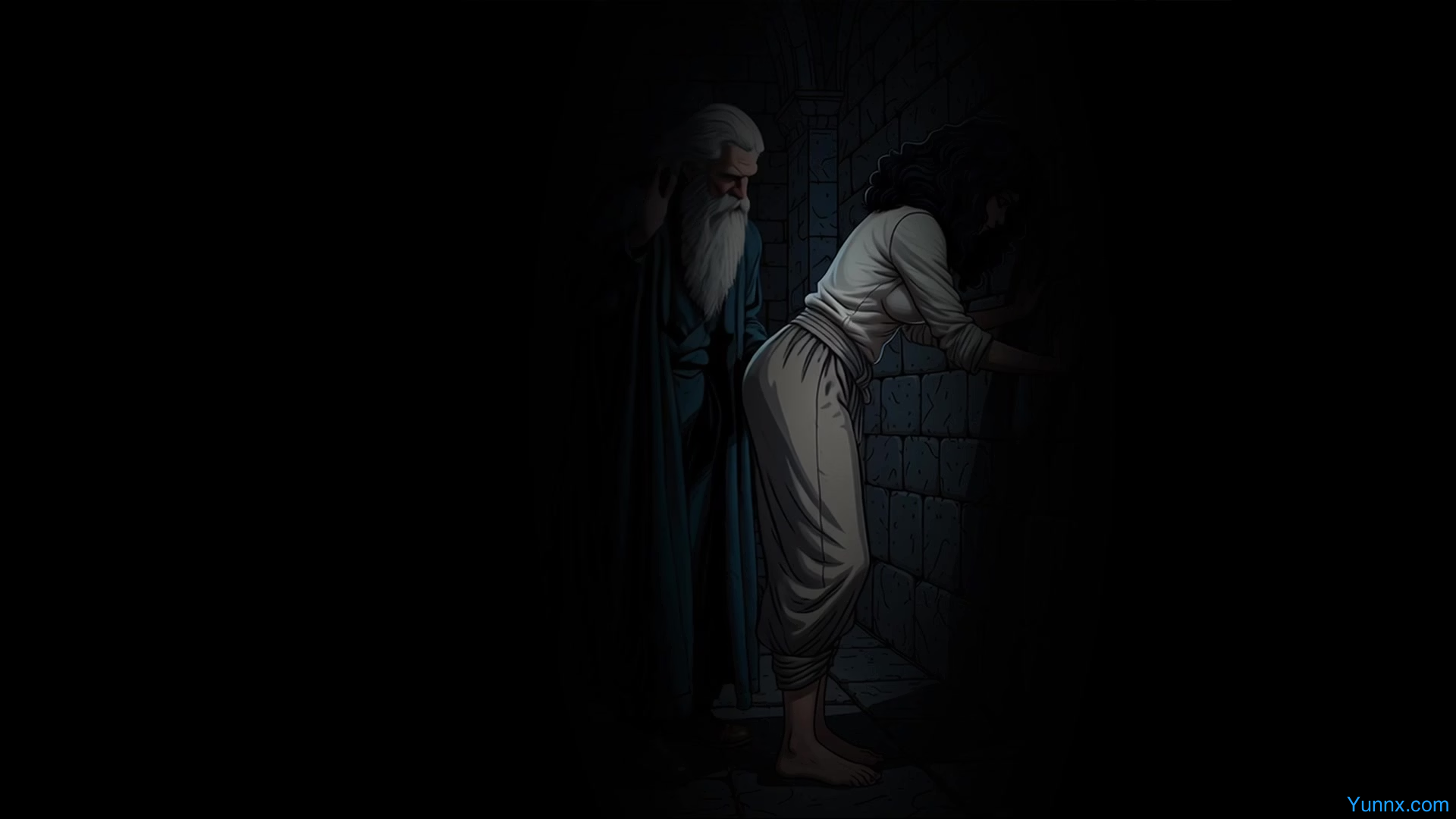
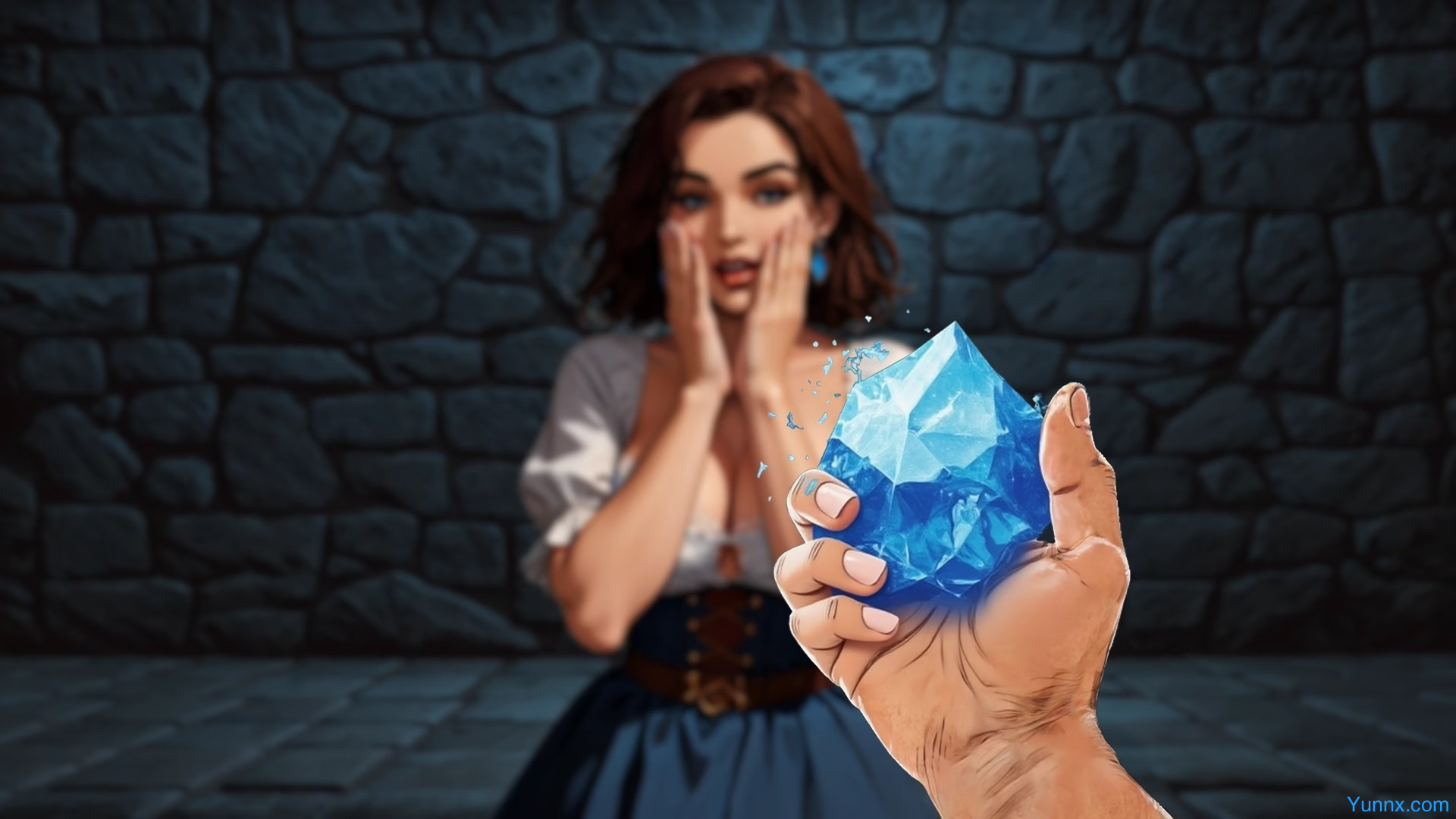

SULLEN PSYCHO blends dark fantasy and chaotic storytelling as the carefree protagonist, Allan, tumbles headfirst into a bizarre world he doesn’t understand—and revels in it. Dive into a surreal adventure where the hero skips logic, embraces absurdity, and leaves chaos in his wake.
A World That Makes No Sense, and Allan Loves It
1. Surreal Setting: The game’s universe defies explanation, mixing eldritch horrors, nonsensical quests, and environments that shift unpredictably. Rivers of honey next to floating cities? Allan shrugs—it’s just another Tuesday.
2. No Questions Asked: Unlike grim heroes, Allan doesn’t second-guess his reality. If a sentient clockwork spider offers a quest, he’ll follow it… for fun. Players revel in his lack of existential dread.
3. Absurdist Rewards: Completing tasks earns “meaningless” loot like cursed sandwiches or sentient scarves. These items warp the world further, creating unpredictable, meme-worthy side effects.
Allan’s Charismatic Chaos
1. Charm Over Caution: Allan’s wit and laid-back attitude disarm even the scariest monsters. Arguing with a giant wasp about taxes? “Why not?” His banter turns every encounter into a dark comedy.
2. The Art of Pointless Quests: Players decide Allan’s path, but “goals” range from retrieving a dragon’s lost hairpin to teaching a sentient bog how to cry. Progress? Irrelevant.
3. Moral Flexibility: No “good” or “evil” choices—just “hilariously bad” ones. Saving a village? Sure, but only if they pay in existential dread.
A Game That Mocks Itself
1. Meta Humor & Player Frustration: The game mocks players for expecting coherence. A cutscene might break the fourth wall to scold you for “overthinking.”
2. Endings? More Like Non-Endings: The finale is decided not by “winning,” but by how many times Allan accidentally broke the universe. One ending? He becomes a NPC in another absurd game.
3. Rewards for Suffering: To “succeed,” players must embrace the void. A “win” might involve Allan realizing it’s all a dream… then choosing to ignore that, too.