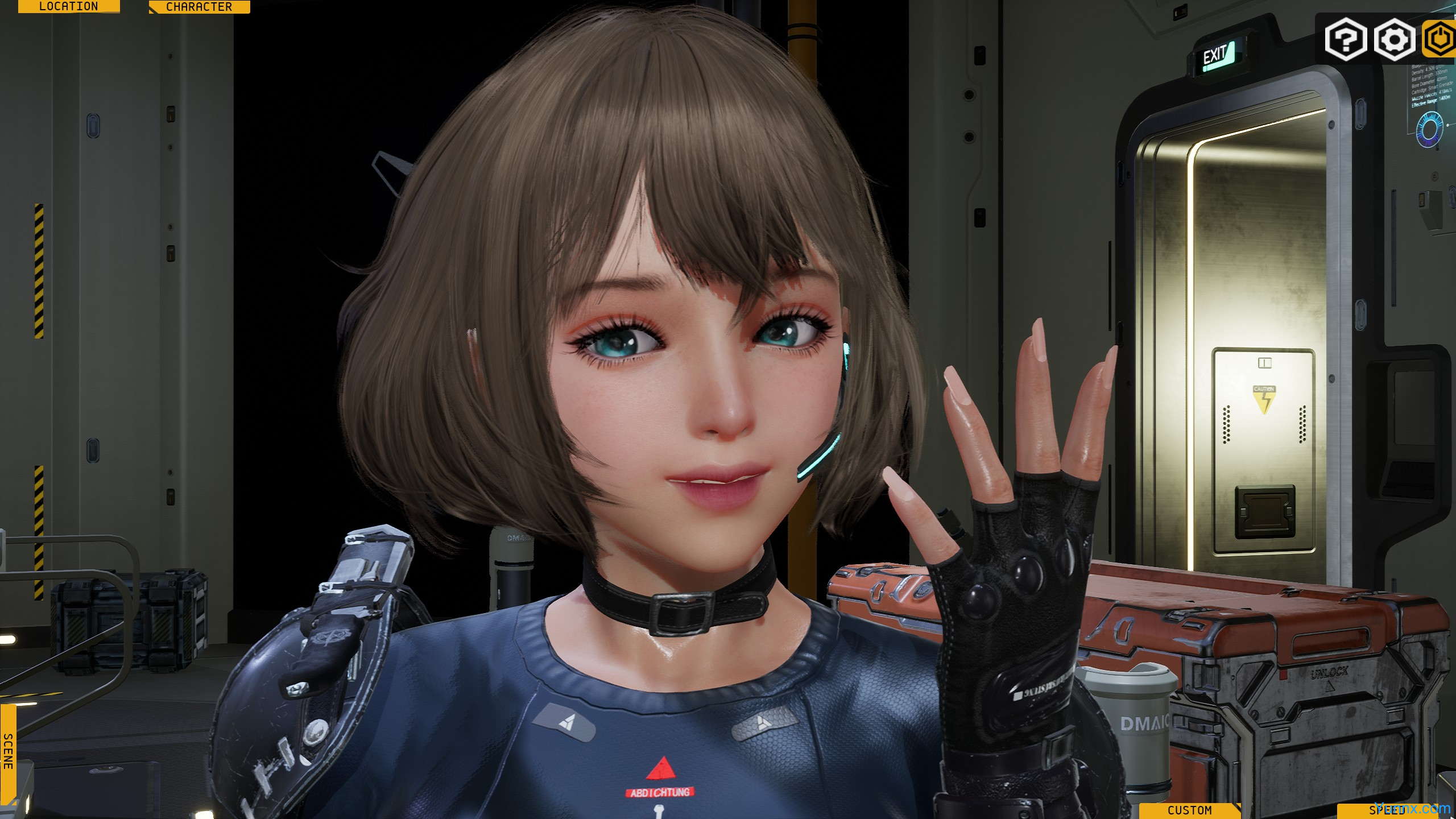





Everyone Is Cuckolded (NTR) immerses players in a dystopian sci-fi world where genetic mutations grant humanity superpowers, leading to global chaos followed by an enforced peace. By 2044, societal stability is undermined by rising criminal syndicates, and players must navigate a narrative where personal relationships become battlegrounds for power, betrayal, and emotional manipulation. The game blends supernatural elements with mature themes of trust and deception, offering a choice-driven experience where every decision impacts the fragile balance between love and ambition.
Futuristic World-Building and Setting
1. Genetic Mutation Foundation: The year 2034 marks a turning point as random genetic alterations grant individuals unique superhuman abilities, sparking decades of conflict. Players explore a meticulously crafted world where these powers are both a blessing and a curse, influencing social hierarchies and fueling the rise of anarchic factions. The setting reflects a fragile utopia built on the ashes of war, with advanced technology coexisting with hidden societal fractures
2. Criminal Syndicate Dynamics: Four dominant criminal organizations emerge as central antagonists, each leveraging superpowers to control territories and manipulate civilians. These groups operate through psychological warfare and exploitation, forcing players to engage in tactical alliances or covert operations to dismantle their influence. The syndicates’ leaders are designed with complex motivations, blurring the lines between villainy and desperation
3. Environmental Storytelling: From neon-lit dystopian cities to abandoned research facilities, each location is rich with visual cues that reveal the world’s history. Dynamic weather systems and interactive elements—such as hacked databases or clandestine meeting spots—deepen immersion, while ambient sounds and shifting lighting emphasize the tension between surface-level peace and underlying corruption
Emotional Narrative and Relationship Mechanics
1. NTR-Themed Character Arcs: The core narrative explores themes of betrayal and emotional conflict through relationships that evolve or unravel under pressure. Players interact with a diverse cast of characters, including allies whose loyalties may shift based on choices made during crises. Scenarios range from consensual arrangements to painful betrayals, with dialogue options impacting whether bonds strengthen or dissolve into heartbreak
2. Branching Loyalty System: A dynamic affinity tracker monitors how characters respond to the player’s actions, with hidden variables influencing their susceptibility to deception or external manipulation. Key moments—such as sharing classified intel or failing to protect a partner—trigger irreversible shifts in relationships, leading to multiple endings where trust is either redeemed or permanently shattered
3. Psychological Depth and Moral Ambiguity: Characters grapple with ethical dilemmas, such as sacrificing personal connections for societal stability or exploiting vulnerabilities for power. The writing avoids simplistic portrayals by incorporating nuanced motivations, where acts of betrayal may stem from trauma, survival instincts, or twisted affection. Players often confront scenarios that challenge conventional notions of love and loyalty
Gameplay Innovation and Replayability
1. Superpower-Integrated Puzzles: Players utilize a customizable skill tree of supernatural abilities to solve environmental challenges, such as telepathic persuasion to uncover secrets or telekinetic manipulation to bypass security. These mechanics are woven into narrative progression, ensuring that power upgrades directly affect story outcomes and relationship options
2. Non-Linear Investigation System: As an agent tasked with undermining the syndicates, players gather evidence through open-ended exploration, with cases solvable via multiple paths. Choices like coercing informants or forging documents alter how factions perceive the player, unlocking exclusive missions or cutting off certain story branches. The system rewards experimentation with hidden subplots and rare character interactions
3. Unlockable Narrative Layers: Completing the game once reveals "Perspective Mode," allowing players to re-experience critical events through the eyes of supporting characters. This exposes hidden agendas and unvoiced emotions, fundamentally recontextualizing the protagonist’s journey. Additionally, achievement-based epilogues explore alternate futures for secondary figures, encouraging thorough exploration of all moral alignments