


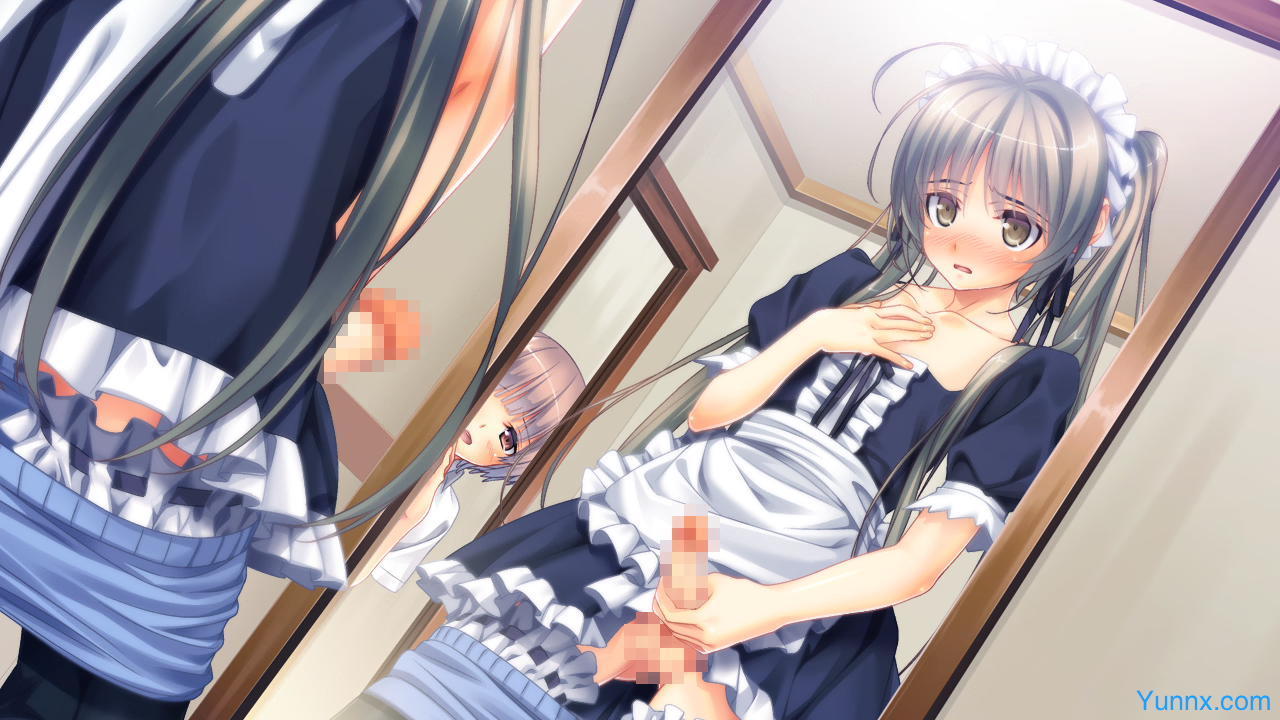

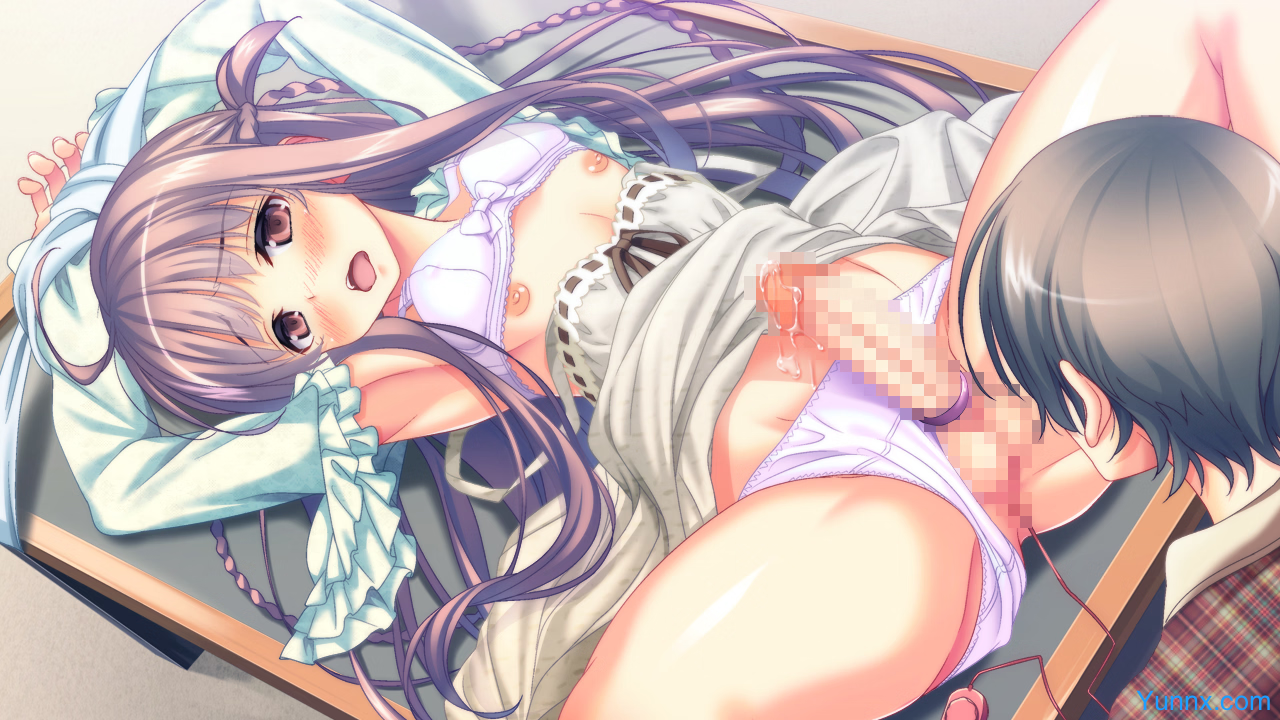
Ani Love -Josou Bishounen Kakumei!- is a poignant visual novel that delves into themes of identity, family bonds, and unexpected attraction. Players follow Naoki, a young man whose life is upended when he discovers his older brother Yuuki now identifies as a woman. What begins as a mission to "restore" Yuuki’s masculinity evolves into an emotional journey filled with blurred boundaries, heartfelt conversations, and conflicting desires. Through nuanced choices, players navigate the delicate balance between familial duty and growing affection, shaping a story where acceptance and love take unexpected forms.
Emotional Narrative and Relational Depth
1. The game opens with Naoki returning home to find his brother Yuuki living as a woman, sparking a complex dynamic between resistance and curiosity. As Naoki struggles to reconcile his brother’s new identity with his own expectations, players witness tender moments and heated arguments that reveal deeper insecurities and yearnings.
2. Branching dialogues and key decisions influence whether Naoki’s relationship with Yuuki evolves into acceptance, rejection, or romantic tension. Choices made during shared activities—like cooking meals or revisiting childhood memories—carry lasting consequences for both characters’ emotional arcs.
3. Subplots involving friends and neighbors add layers to the narrative, offering alternative perspectives on gender identity and societal norms. These interactions challenge Naoki’s beliefs and introduce opportunities for growth or conflict.
Gameplay Mechanics and Player Agency
1. A dual-progression system tracks Naoki’s shifting feelings—from confusion to empathy or attraction—and Yuuki’s confidence in her identity. Balancing these metrics unlocks unique scenes, such as heartfelt confessions or painful confrontations, that determine the story’s direction.
2. Mini-games symbolically reflect the protagonists’ struggles: for example, arranging shared living spaces requires compromise, while dialogue-based puzzles force players to read between the lines of conversations to avoid misunderstandings.
3. Multiple endings range from bittersweet separation to romantic reconciliation, with hidden outcomes triggered by specific choices, like supporting Yuuki’s self-expression during critical moments or failing to communicate honestly.
Artistic Direction and Thematic Resonance
1. A soft, watercolor-inspired art style contrasts with stark visual metaphors—such as fading family photos or changing wardrobe aesthetics—to mirror the protagonists’ emotional transitions. Yuuki’s design evolves subtly throughout the story, reflecting her growing self-assurance.
2. The soundtrack blends gentle piano melodies for reflective scenes with upbeat tracks during moments of joy, enhancing the narrative’s emotional cadence. Sound effects, like raindrops or ticking clocks, underscore themes of time and change.
3. The interface incorporates symbolic elements: for example, dialogue options appear as scattered puzzle pieces, visually representing Naoki’s fractured understanding of identity and relationships.