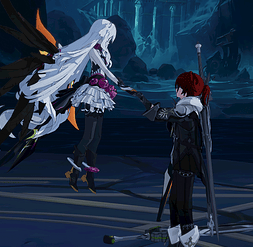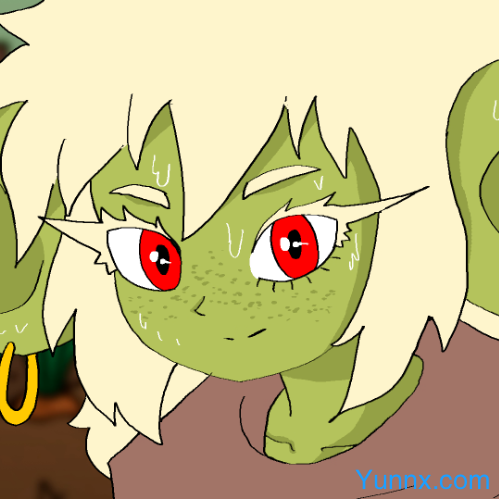
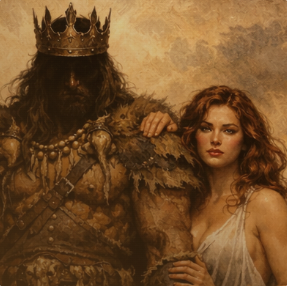

The First Gods is a grimdark strategy/RPG hybrid where you embody a mysterious deity guiding a fragile tribe toward civilization in a nascent world. Face famine, war, and rival godlings while shaping lands and followers. Your choices—balanced between nurturing faith and exploiting fear—determine whether you become a benevolent guardian or a tyrannical force. This morally complex journey challenges players to forge a legacy through divine intervention and brutal survival.
Immersive World and Setting
1. Mythological Foundation: Drawing inspiration from ancient mythologies, the game’s world reflects the raw chaos of early creation, where gods and mortals coexist in a delicate balance. Landscapes evolve from untamed wilderness to structured societies, mirroring real mythological cycles of growth and decay.
2. Grimdark Atmosphere: A tone of perpetual tension permeates every decision, with visuals emphasizing desolate realms and shadowy divine realms. Dynamic weather systems and day-night cycles amplify the struggle for survival, creating a backdrop where hope and despair clash.
3. Rival Divine Entities: Compete against other godlings who embody distinct ideologies—from manipulative tricksters to warlord patrons. Their schemes range from subtle sabotage to full-scale invasions, forcing you to adapt strategies or risk your tribe’s extinction.
Strategic Gameplay Mechanics
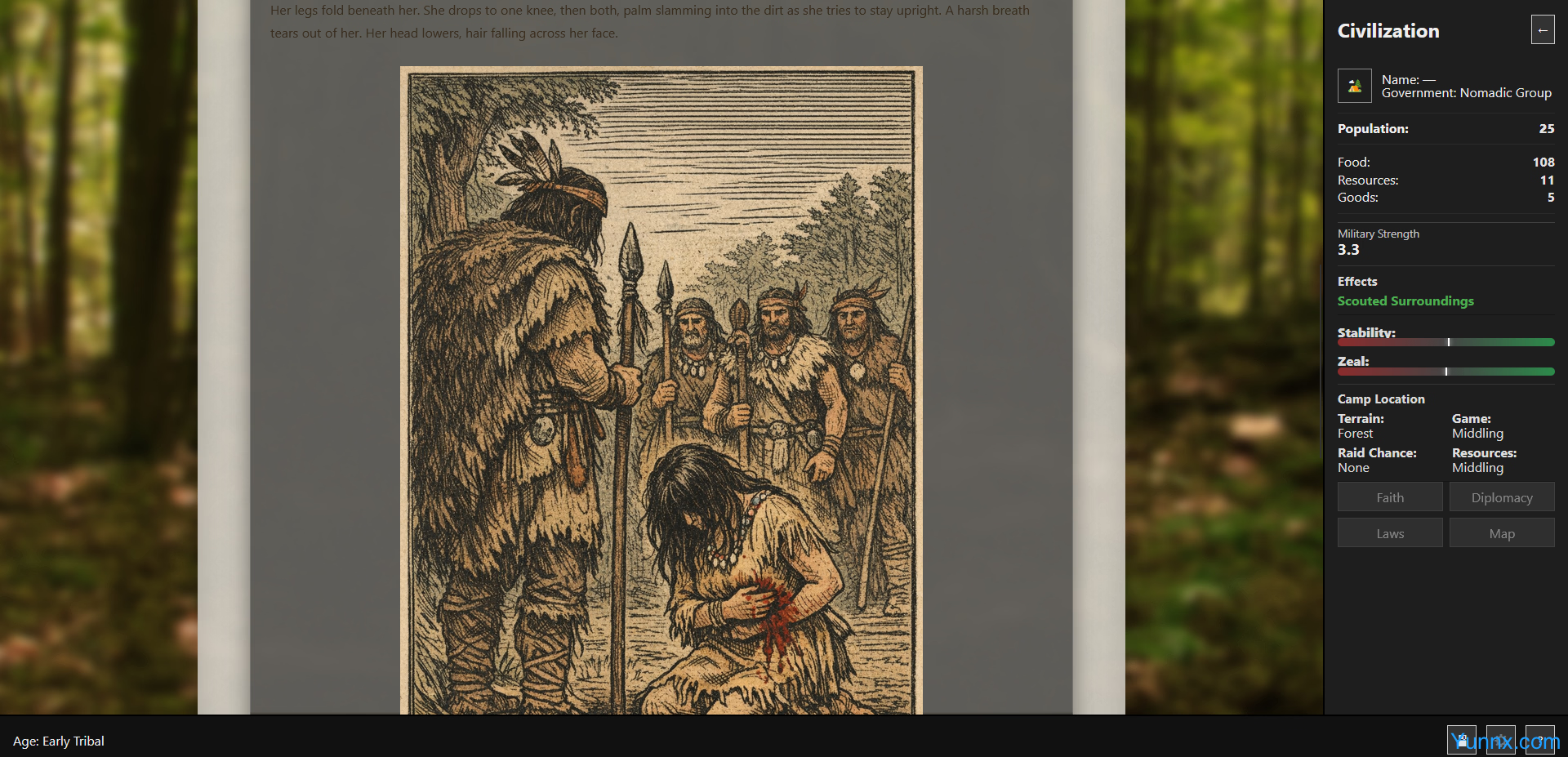
1. Tribal Management Systems: Oversee resource allocation, technological advancement, and population morale through a detailed interface. Scarcity events like droughts or plagues require immediate intervention, while long-term planning unlocks unique upgrades such as mystical rituals or fortified settlements.
2. Divine Power Customization: Unlock abilities tied to worshipers’ beliefs—bless crops to foster faith, incite storms to sow fear, or seduce followers with desires. Each power tree offers branching paths, allowing hybrid playstyles that blend manipulation and benevolence.
3. Tactical Conflict Resolution: Engage in turn-based battles where terrain, unit morale, and divine interventions alter outcomes. Alternatively, employ diplomacy through alliances or betrayals, with consequences that ripple across generations and reshape political landscapes.
Narrative Depth and Player Agency
1. Dynamic Morality System: Your actions influence an invisible " divinity alignment" tracked across three axes: Fear, Faith, and Desire. Neutral choices are rare; even inaction can spiral into crises that harden your followers or breed rebellion.
2. Procedural Story Events: Random encounters—such as prophetic dreams, heretic uprisings, or natural disasters—test your leadership. Resolving these unlocks exclusive lore fragments or hidden quests, ensuring no two playthroughs follow identical narrative arcs.
3. Legacy and Consequences: Short-term victories may lead to long-term vulnerabilities—a tribe spared from war might later fracture from internal greed. The game’s timeline spans centuries, with past decisions haunting or empowering future generations through inherited traits or cursed bloodlines.
Unique Features and Replayability
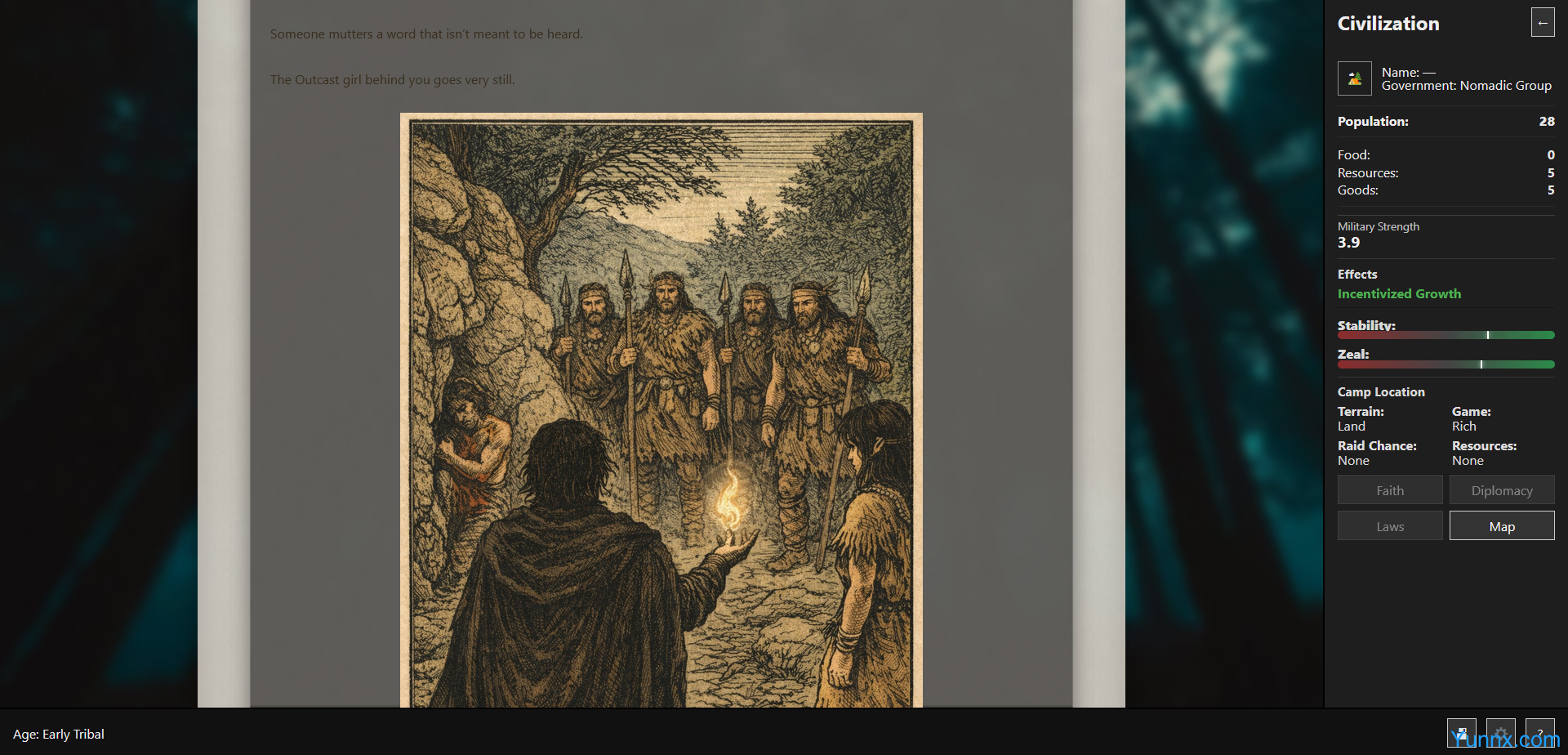
1. Civilization Evolution: Witness your tribe progress through distinct eras—from nomadic hunters to empire-builders—each with unique challenges and technologies. Artistic styles, architecture, and societal values shift based on your divine influence, visually reflecting your legacy.
2. Exploration and Secrets: Scattered ruins and forgotten altars hold artifacts that grant game-altering abilities. Solving environmental puzzles or defeating guardians reveals deeper layers of the world’s mythology, including optional boss encounters with primordial beings.
3. Endgame Variability: Achieve multiple endings ranging from ascension to a higher plane of existence to being forgotten as a fallen idol. New Game+ mode introduces heightened difficulties, alternate godling factions, and secret tribes that demand fresh strategies for mastery.