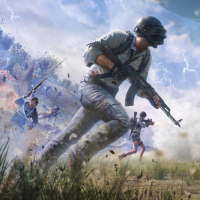


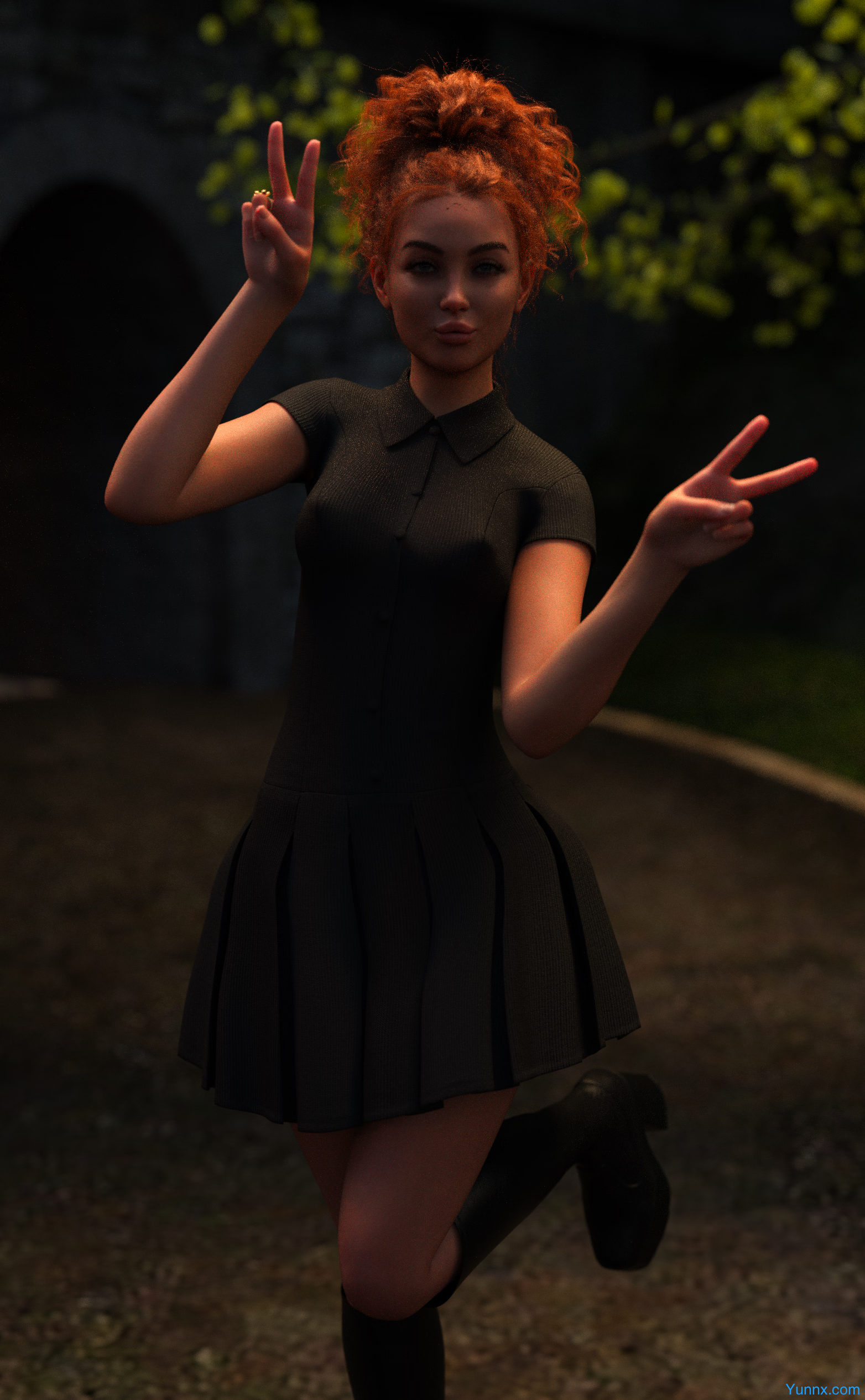


Between Us is a poignant choice-driven narrative that explores the complexities of love and trust across distance. You embody a soldier deployed far from home, while your wife Grace navigates her life as a barista. When a charismatic photographer recognizes her as his muse, your choices—rooted in trust or jealousy—determine the fate of your relationship. This emotionally charged game blends realistic scenarios with branching outcomes, offering a deeply personal storytelling experience.
Immersive Storyline and Emotional Depth
1. Authentic Military Separation Dynamics: The game captures the visceral reality of deployment, from the solitude of barracks life to the anticipation of scarce phone calls. Grace’s world is equally detailed, portraying her quiet resilience as she balances work at the café with longing for your return.
2. Intricate Relationship Web: The introduction of the photographer disrupts Grace’s routine, sparking tensions that mirror real-world dilemmas of independence and fidelity. Your interactions with Grace—through calls, letters, and flashbacks—reveal layers of vulnerability and commitment.
3. Thematic Richness: Beyond romance, the story delves into themes of self-discovery and the cost of sacrifice. Grace’s potential career opportunity as a muse forces both characters to confront their desires, ambitions, and the meaning of loyalty.
Dynamic Choice and Consequence System
1. Branching Dialogue Mechanics: Every conversation with Grace, whether during scheduled calls or spontaneous messages, presents options that influence her emotional state and decisions. Your tone—supportive, suspicious, or neutral—shifts her responsiveness to the photographer’s advances.
2. Real-Time Decision Impact: Key moments, such as Grace’s photo shoot invitations, require immediate choices that lock in narrative paths. These include permitting her to explore the opportunity, forbidding it, or manipulating events from afar through trusted contacts.
3. Multiple Endings Framework: The game features over a dozen endings shaped by affinity metrics. Outcomes range from renewed trust strengthened by distance to tragic estrangement, with variations like Grace pursuing photography independently or reconciling after a crisis.
Character Arcs and Development
1. Protagonist’s Psychological Journey: Your soldier’s perspective evolves based on choices, reflecting either growing paranoia or mature confidence. Military experiences—like missions or camaraderie with fellow soldiers—indirectly influence your capacity for trust.
2. Grace’s Multifaceted Personality: Grace is not a passive character; her backstory as a barista with unfulfilled dreams adds depth. Her reactions to your choices feel authentic, whether she feels empowered by your support or constrained by your jealousy.
3. Supporting Cast Nuance: The photographer serves as more than a rival; his motivations are explored through subplots that question his intentions. Secondary characters, like your military peers or Grace’s coworkers, provide alternative perspectives on the central conflict.
Technical and Interactive Excellence
1. Visual and Audio Atmosphere: The game employs a muted art style to contrast the gritty deployment zones with the warmth of Grace’s café. A dynamic soundtrack swells during pivotal decisions, enhancing emotional weight without overpowering scenes.
2. Accessibility Features: Intuitive save systems allow players to revisit critical branching points, while a timeline tracker visualizes how choices ripple across the story. Full controller support and customizable text speeds cater to diverse playstyles.
3. Replayability Incentives: Unlocked scenes can be revisited in a gallery, and New Game+ mode retains prior affinity levels to explore alternative paths. Hidden achievements reward nuanced approaches, such as balancing trust with healthy boundaries.
翻译中...