




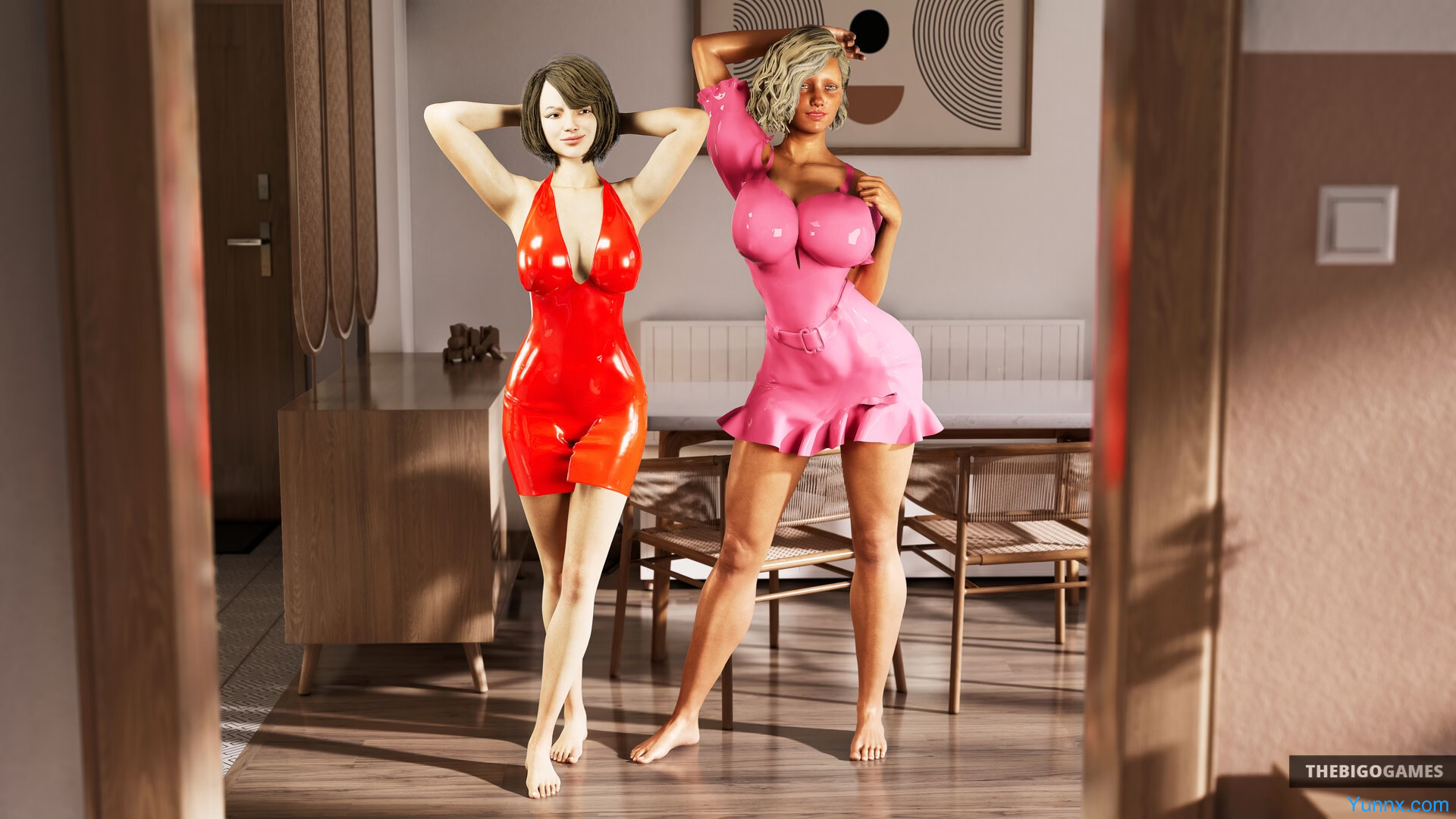
Filthy Apartments is a narrative-driven simulation game that explores the gritty reality of urban housing struggles. Players step into the role of Jen, a determined young professional navigating a competitive rental market dominated by elusive landlords and dilapidated properties. When Jen discovers a seemingly perfect apartment owned by the sophisticated Paula—rumored to justify its steep price—she must leverage charm, resourcefulness, and tactical choices to secure the lease despite her limited budget. The game blends emotional storytelling with strategic decision-making, challenging players to uncover hidden truths about the property, its owner, and the city’s housing crisis .
Story and Character Dynamics
The game’s narrative delves into the complexities of urban housing through Jen’s pursuit of Paula’s apartment. Paula, a charismatic but enigmatic landlord, guards secrets tied to the property’s true condition and its controversial history.
1. Jen’s motivations extend beyond securing a home—she seeks stability amid financial pressure, using dialogue options and investigation skills to decode Paula’s intentions and the apartment’s rumored flaws .
2. Supporting characters include rival tenants, skeptical inspectors, and past residents who provide clues about the apartment’s neglect, such as hidden structural issues or landlord disputes, adding layers to the central mystery .
3. The story branches based on Jen’s approach: will she empathize with Paula’s struggles, confront her about the apartment’s flaws, or exploit the system to her advantage? Each path reveals unique facets of the housing market’s ethical dilemmas .
Gameplay Mechanics and Systems
Filthy Apartments combines point-and-click exploration with relationship management and puzzle-solving. Players must balance limited resources like time, money, and credibility to achieve their goals.
1. Apartment inspection sequences require players to identify hazards—such as mold, faulty wiring, or plumbing issues—using tools like a flashlight or moisture meter. Missed defects lower Jen’s health or finances post-move-in .
2. A dynamic reputation system tracks Paula’s trust in Jen, influenced by choices like negotiating rent, reporting violations, or aiding other tenants. High reputation unlocks discounts or exclusive lease terms, while low reputation triggers obstacles like bidding wars .
3. Mini-games simulate tasks like budgeting for repairs, drafting rental applications, or decoding legal documents, emphasizing the procedural challenges renters face in competitive markets .
Unique Features and Societal Commentary
The game distinguishes itself through mechanics that mirror real-world housing inequities and emotional weight.
1. The "Truth Meter" tracks Jen’s awareness of the apartment’s conditions, with consequences for ignoring problems: overlooked leaks may cause floods later, while overemphasis on flaws risks alienating Paula and losing the lease .
2. Environmental storytelling uses interactive objects—stained walls, suspicious odors, or neighbor complaints—to hint at the property’s history, encouraging players to piece together events that led to its decay .
3. An "Ethical Scale" records whether Jen prioritizes personal gain or collective action, such as organizing tenant unions or exposing slumlords. These choices determine endings ranging from personal triumph to systemic change .
Audiovisual Design and Replay Value
The game’s aesthetic reinforces its themes of neglect and hope, with visuals and sound working in tandem to immerse players in Jen’s journey.
1. A muted color palette shifts based on the apartment’s condition—brighter tones emerge after successful repairs, while neglect deepens the gloom. Lighting effects highlight hazards or hidden beauty in overlooked details .
2. The soundtrack blends ambient urban sounds (dripping taps, distant traffic) with subtle piano melodies that reflect Jen’s optimism or frustration. Paula’s vocal tone changes based on player choices, adding emotional nuance to interactions .
3. Replayability is encouraged through multiple endings, hidden collectibles like past tenant diaries, and New Game+ unlocks that allow players to experiment with alternative strategies or discover secret storylines about the city’s housing network .