

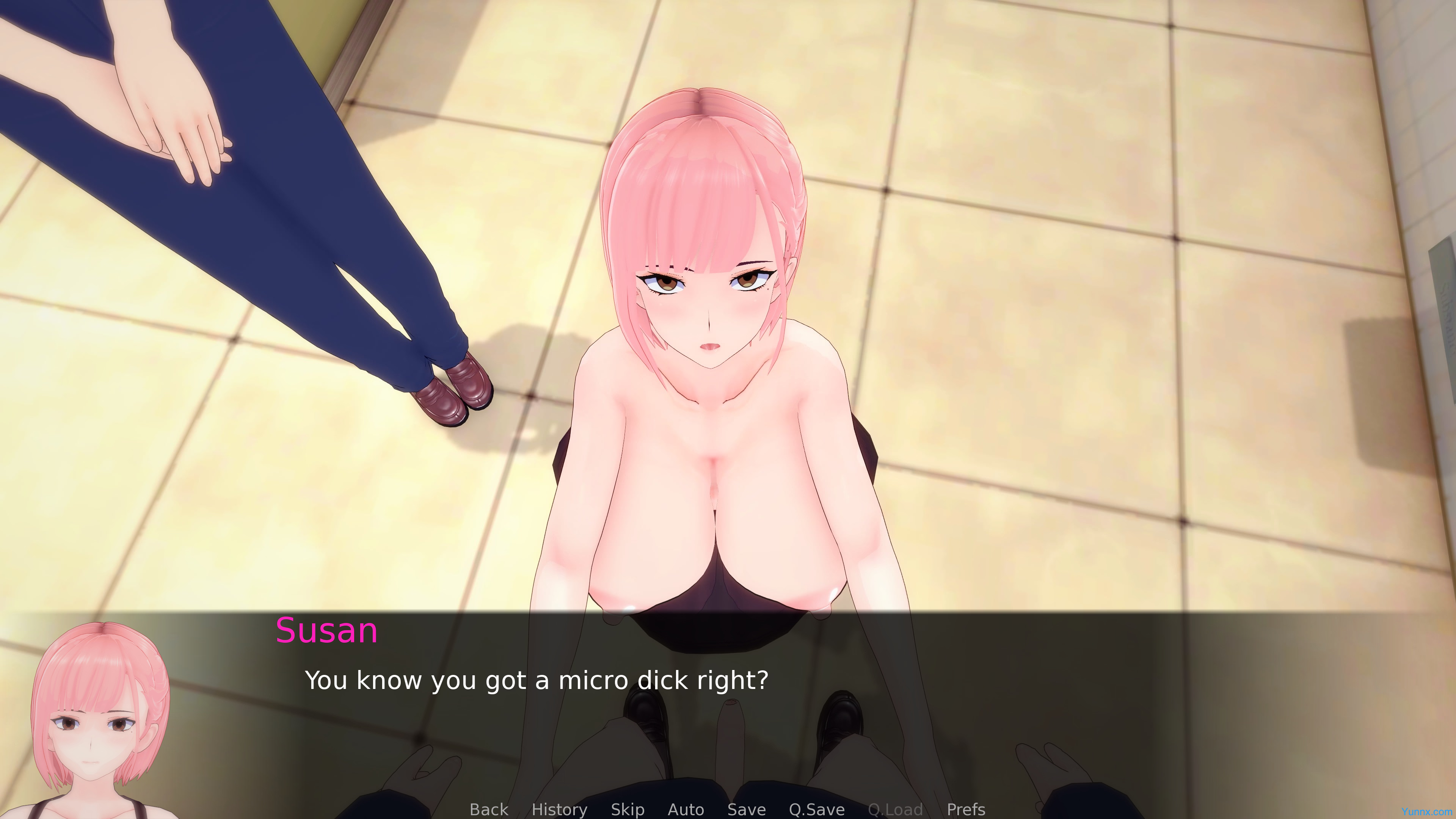
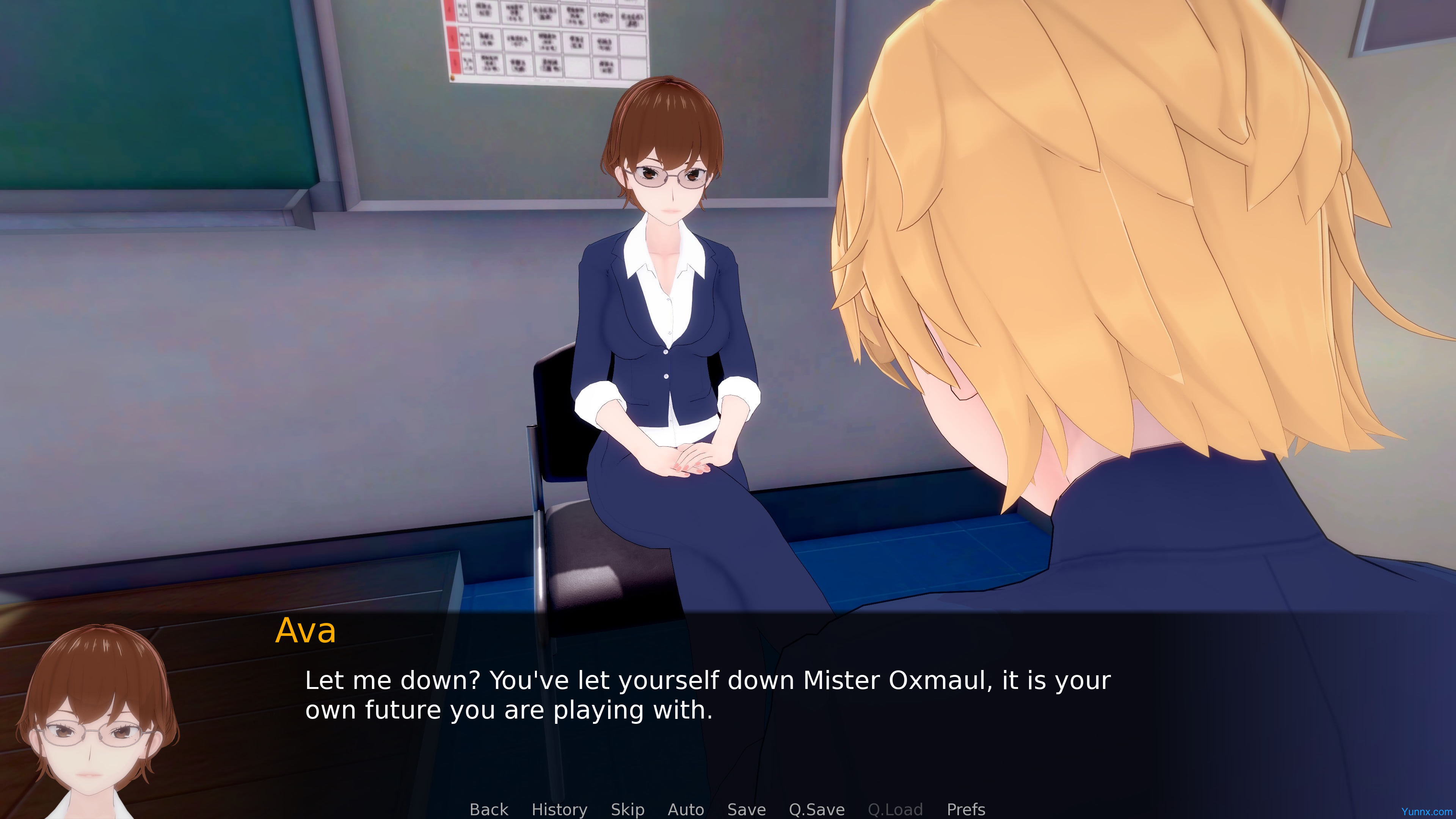
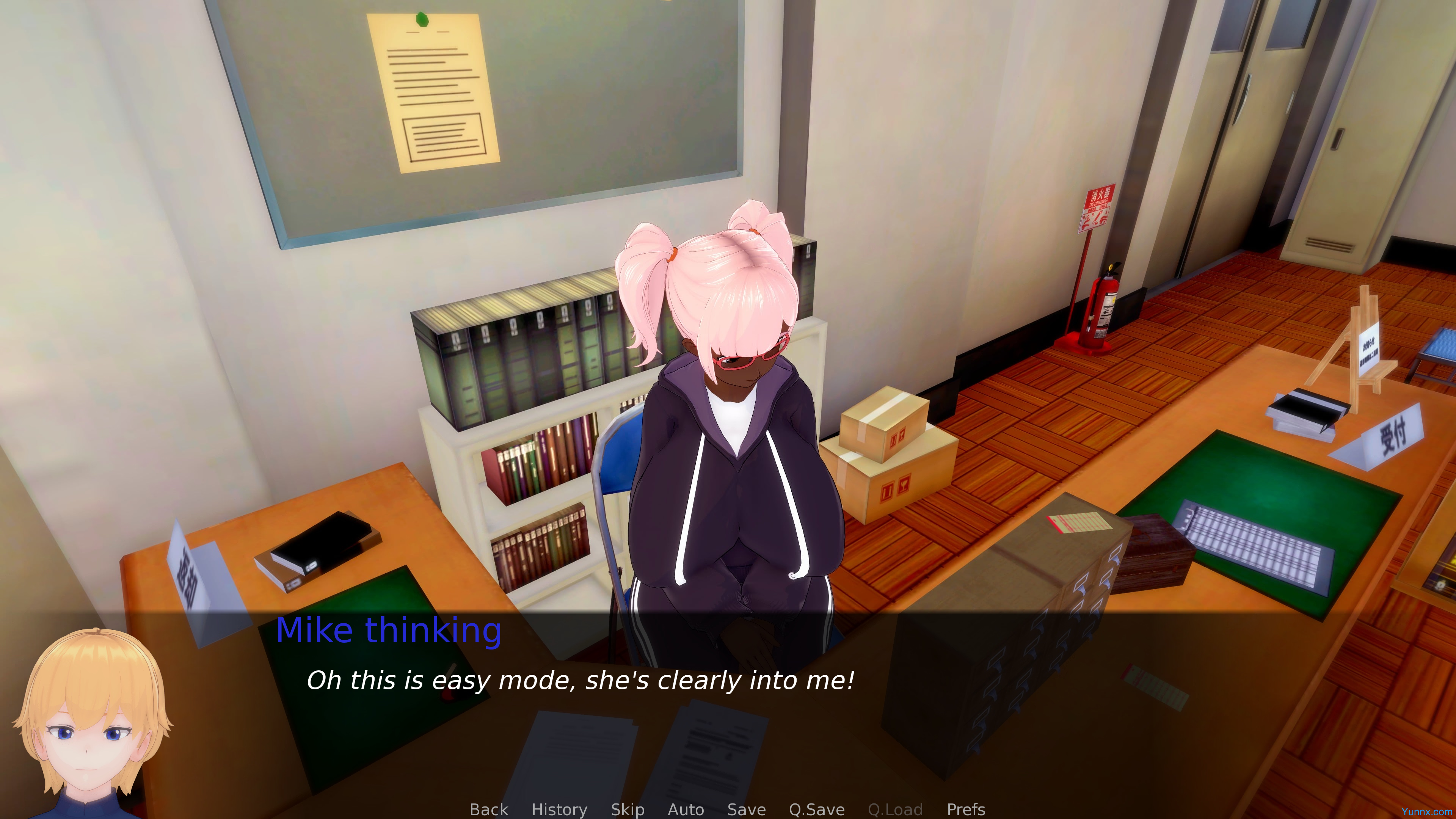
Coming Up Short immerses players in the relatable journey of Mike Oxmaul, a university student grappling with insecurities as he falls short compared to his peers—both physically and socially. This narrative-driven experience blends heartfelt storytelling with strategic decision-making, allowing players to guide Mike through academic challenges, personal growth, and unexpected friendships. With its empathetic approach to themes of self-worth and ambition, the game transforms everyday struggles into an engaging adventure filled with humor and poignant moments.
Compelling Character-Driven Narrative
1. Layered Protagonist Development: Mike Oxmaul’s insecurities are woven into every interaction, from awkward classroom exchanges to attempts at joining social circles. His journey is punctuated by internal monologues that reveal vulnerabilities, such as doubting his intellect or overanalyzing simple conversations, creating a deeply human connection with players
2. Dynamic Supporting Cast: Each peer character embodies a unique archetype—the overachiever, the charismatic slacker, the empathetic mentor—serving as mirrors to Mike’s insecurities. Their evolving relationships influence story branches, with dialogue choices unlocking hidden backstories that redefine initial judgments
3. Thematic Depth Beyond Comedy: While humor lightens tense moments, the narrative doesn’t shy away from exploring anxiety and imposter syndrome. Subtle cues like changing UI colors during stressful exams or muted audio during emotional lows immerse players in Mike’s psychological state
Innovative Gameplay Mechanics
1. Skill-Balancing Mini-Games: Academic challenges are represented through puzzles that mirror Mike’s struggles—e.g., time-management simulations where players prioritize assignments versus social events. Succeeding in one area may cause setbacks in another, reflecting real-life trade-offs
2. Social Confidence Meter: Player choices directly impact Mike’s self-esteem, visualized through a dynamic confidence bar. High confidence unlocks bold dialogue options and rare events, while low levels trigger defensive behaviors that alter NPC interactions
3. Environmental Storytelling Hub: The university campus evolves visually based on Mike’s progress. Bulletin boards update with personalized flyers, and dorm room decorations reflect acquired skills—like bookshelves filling up after completing quests for professors
Distinctive Visual and Audio Identity
1. Expressive Art Style Transition: The game shifts between detailed hand-drawn scenes for key story moments and minimalist comic-style panels for casual interactions. This contrast emphasizes emotional peaks while keeping gameplay fluid
2. Adaptive Soundtrack Design: Background music dynamically adjusts to Mike’s emotional state—acoustic guitar during reflective walks, upbeat synth during parties, and tense strings during high-stakes exams. Character themes subtly remix based on relationship status
3. Accessibility-First Interface: Customizable subtitles include tone indicators, while difficulty settings allow players to focus on narrative without punitive mini-game failures. Color-blind modes ensure inclusive visual cues