



Lost Times immerses you in a tense survival strategy experience where you become the gatekeeper of the Secret Refuge shelter. In a world ravaged by unknown dangers, your role is to manage limited resources, decide which survivors gain entry, and negotiate with rival factions vying for influence. Every choice weighs survival against morality, as you fortify the shelter against external threats and internal conflicts. Balance compassion with pragmatism to ensure the refuge remains a beacon of hope in a collapsing world.
A Sanctuary Under Siege
1. Dynamic Worldbuilding: The game unfolds in a procedurally generated environment where each playthrough introduces unique events, from supply shortages to faction invasions. The shelter serves as your strategic base, with upgradable defenses and expandable zones to accommodate survivors or stockpile resources.
2. Hostile External Forces: Beyond the shelter walls, threats range from environmental disasters to mutated creatures, requiring adaptive defense strategies. Scavenging missions into high-risk areas yield rare supplies but test your risk-assessment skills.
3. Faction-Rivalry System: Encounter groups like the pragmatic Engineers or idealistic Healers, each with distinct agendas. Your interactions—whether through trade, alliances, or betrayals—reshape the political landscape and unlock exclusive quests.
Core Gameplay Mechanics
1. Gatekeeper Decision System: Evaluate survivors at the gate using traits like skills, health, and loyalties. Approving entrants boosts productivity but risks espionage or resource drain, while rejections may trigger retaliation or missed opportunities.
2. Resource Management Loop: Manage essentials like food, medicine, and ammunition through crafting, trading, and rationing. Overstocking attracts raiders, while scarcity sparks internal unrest, demanding constant recalibration.
3. Trust-Based Progression: Build faction affinity by completing missions or sharing resources. High trust unlocks specialized tech and allies, while distrust leads to blockades or sabotage—each tier altering narrative branches.
Strategic Depth and Replayability
1. Morality-Driven Consequences: Key decisions lack clear "right" answers, with outcomes echoing across timelines. Saving a faction leader might provoke a future coup, while sacrificing one group could stabilize short-term chaos.
2. Endgame Variability: Twelve possible endings reflect your leadership style, from utopian collaboration to authoritarian rule. Hidden achievements encourage experimentation with extreme strategies, such as exiling all outsiders or hoarding technology.
3. Procedural Challenges: Random events like plague outbreaks or faction betrayals ensure no two sessions identical. A "New Game+" mode introduces hardened difficulties, such as permanent environmental hazards or limited communication tools.
Immersive Audio-Visual Design
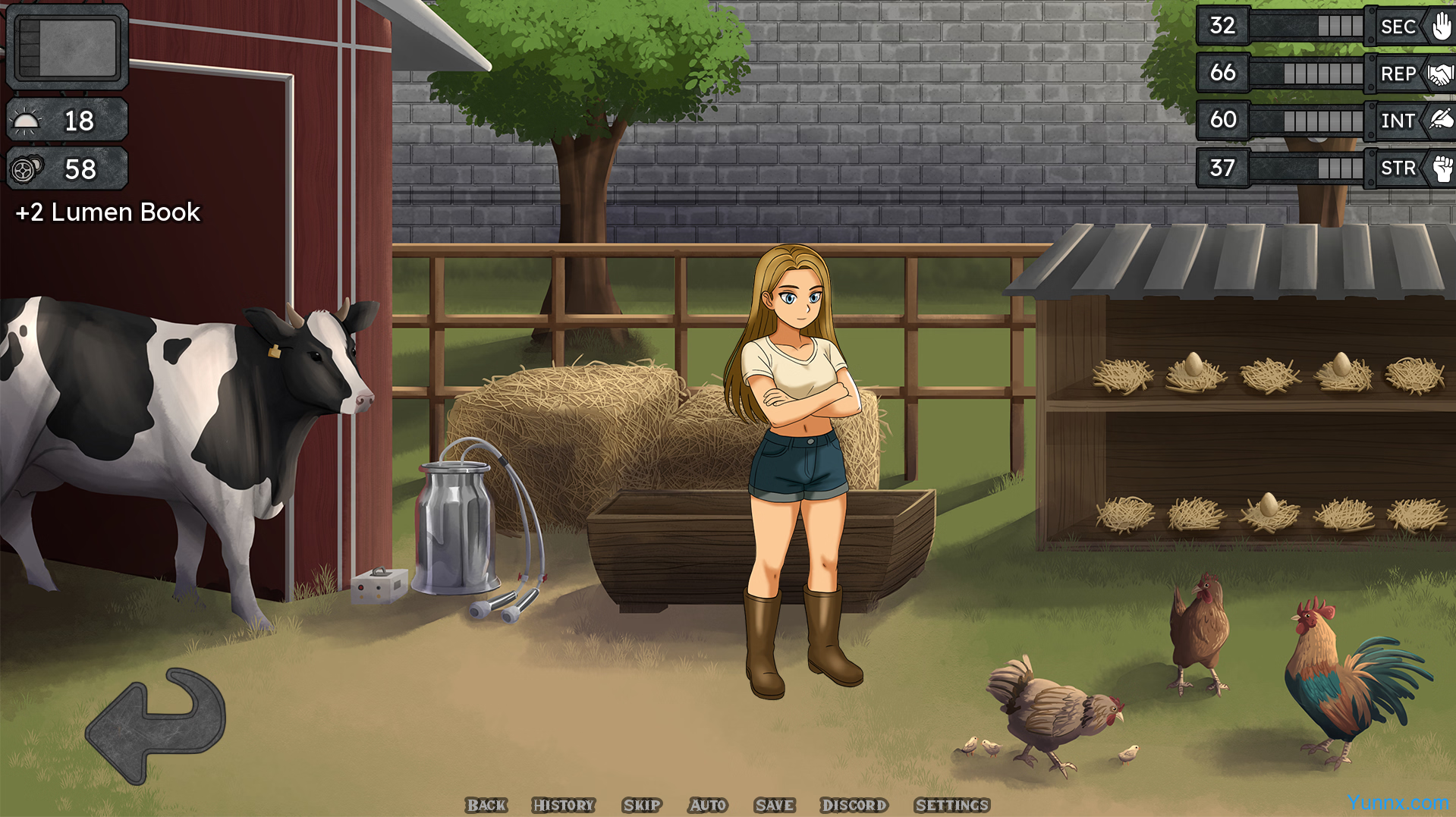
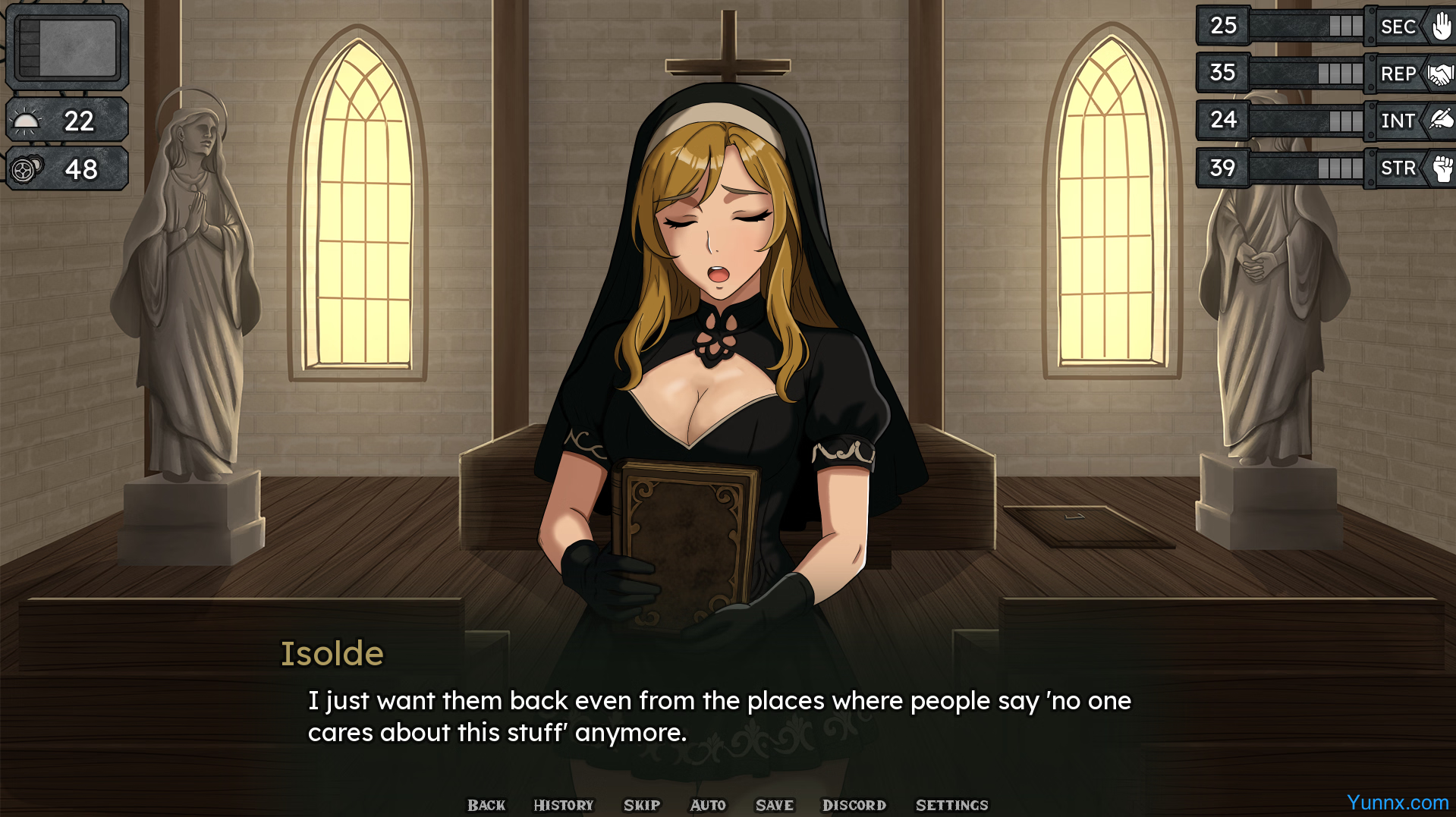
1. Atmospheric Visual Style: The art blends gritty pixel aesthetics with fluid lighting effects, emphasizing the shelter’s claustrophobia and the outside world’s desolation. Interface elements evolve as the shelter expands, visually tracking progress.
2. Adaptive Soundtrack: A score shifting between melancholic melodies and tense rhythms mirrors the shelter’s stability. Sound cues—like distant storms or approaching footsteps—serve as gameplay hints.
3. Narrative Integration: Environmental storytelling through survivor diaries, faction logs, and abandoned artifacts reveals the world’s lore without exposition, rewarding exploratory players.