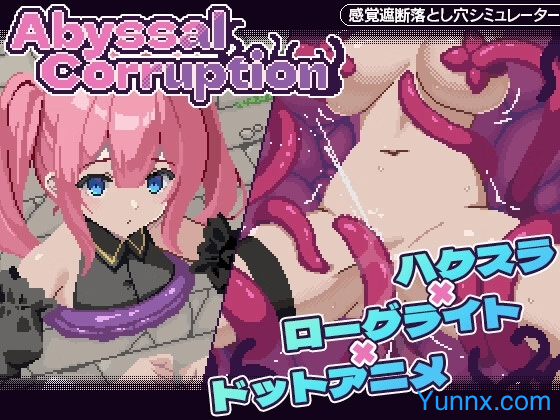
Abyssal Corruption invites players into a dark fantasy realm where the hunter becomes the hunted. As an ancient corrupting force, your goal is to design and deploy sensory deprivation traps to capture overconfident adventurers. This innovative hack-and-slash experience reverses traditional roles, emphasizing strategic trap placement and psychological warfare against foes who rely on their senses. Dive into a world where darkness is your greatest weapon and every captured soul strengthens your power.
A Twisted Game World and Core Concept
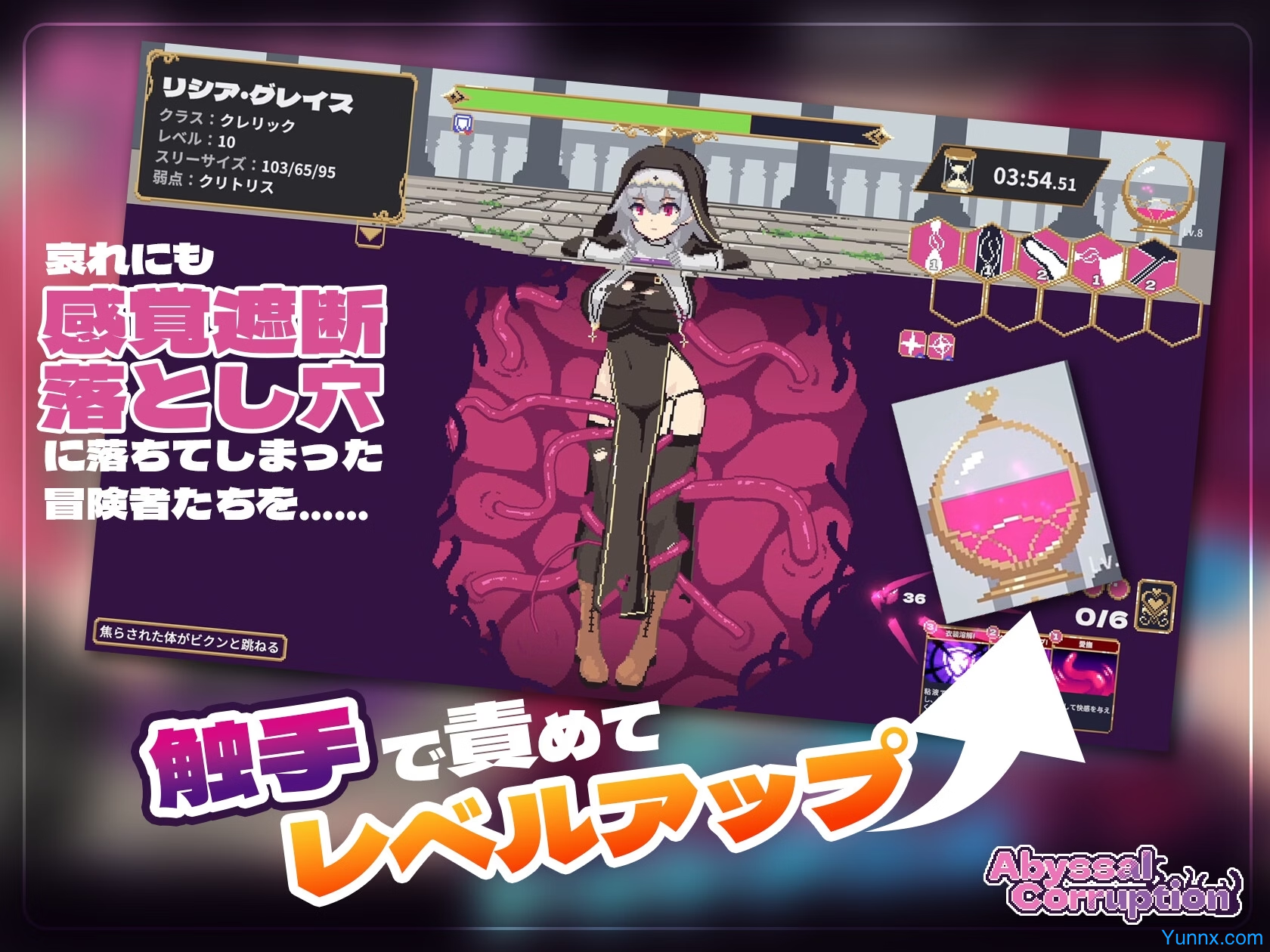
1. The game unfolds in a decaying realm where adventurers brave enough to explore its depths inevitably fall prey to cunning pitfalls, creating a narrative where players orchestrate the corruption from the shadows.
2. Abyssal Corruption stands out by casting players as the antagonist force, tasked with corrupting the environment rather than saving it, a fresh take on the traditional fantasy adventure.
3. Environments are meticulously designed to exploit adventurers' weaknesses, with labyrinthine dungeons and lightless caverns that enhance the effectiveness of sensory-based traps and disorientation tactics.
Strategic Trap Crafting and Combat
1. A deep crafting system allows players to build complex traps using resources harvested from captured adventurers, with each trap type targeting specific senses like vision, hearing, or touch to maximize disorientation.
2. Combat evolves dynamically as trapped adventurers adapt to their impairments, forcing players to adjust strategies in real-time and combine trap effects for devastating chain reactions.
3. The hack-and-slash mechanics are redefined through environmental control; players can engage directly with corrupted abilities or manipulate traps mid-fight to turn the tide against resilient foes.
Sensory Deprivation Mechanics
1. Each pitfall introduces unique sensory challenges, such as blinding mists that obscure vision or echoing chambers that distort sound, making navigation a core challenge for adventurers.
2. Advanced traps can synergize to create compound effects, like combining silence with darkness to induce panic states in adventurers, which weakens their combat effectiveness and decision-making.
3. The game incorporates a psychological stress system where trapped adventurers exhibit realistic fear responses, from reckless attacks to desperate fleeing, based on the severity of their sensory deprivation.
Progression and Visual Design
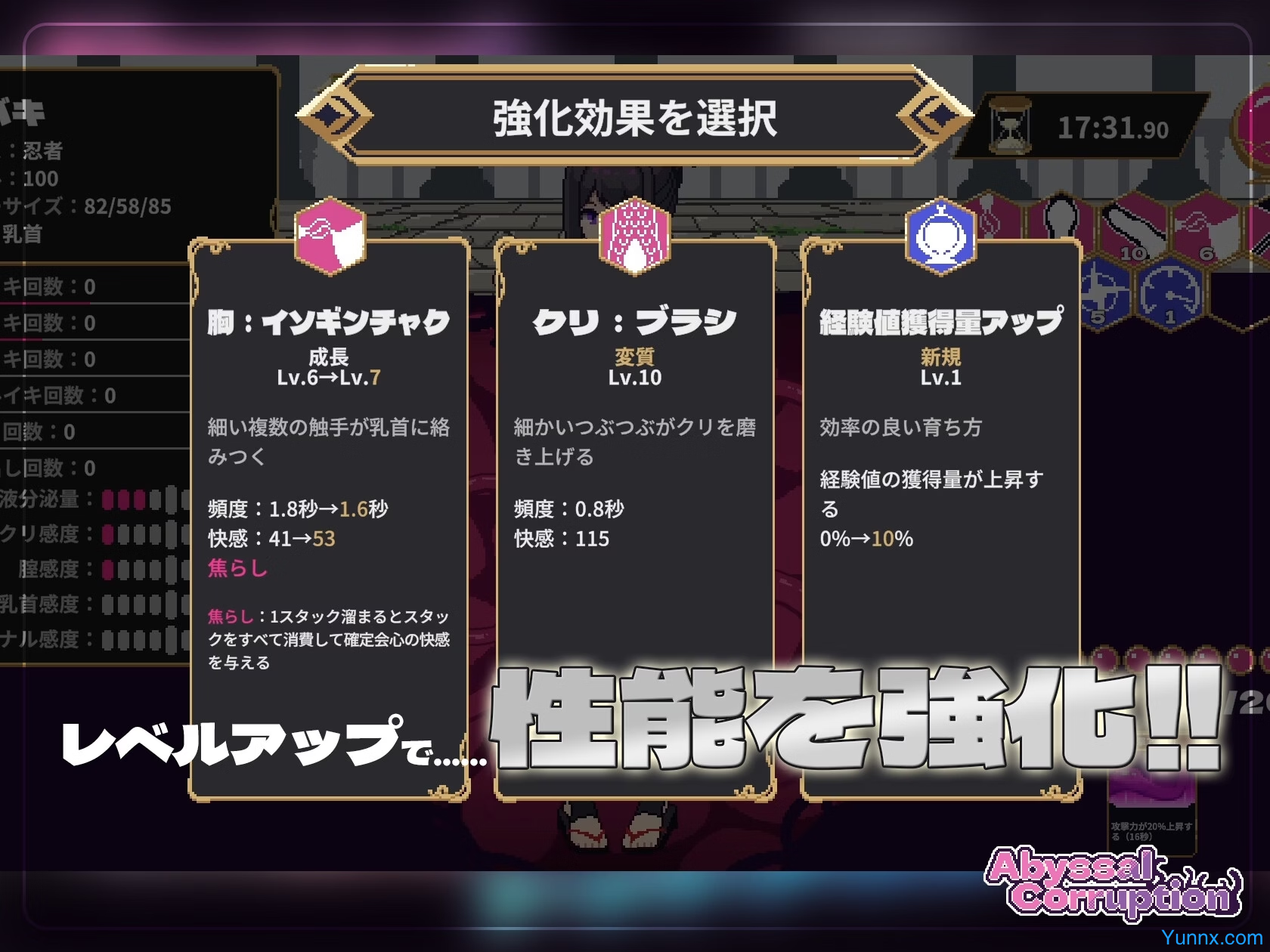
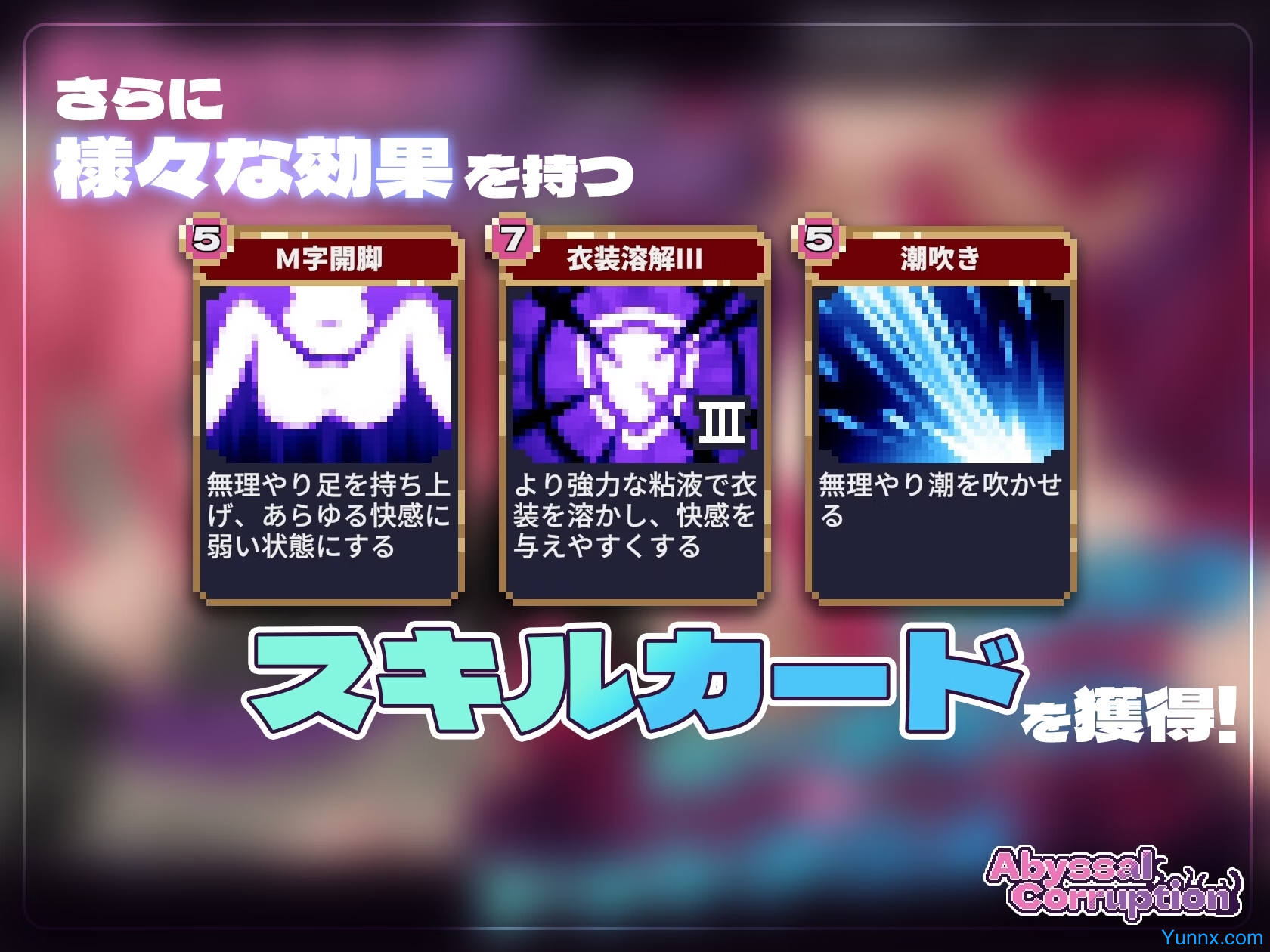
1. Player progression is tied to the corruption's spread, with new abilities and trap varieties unlocked as more adventurers are captured, allowing for increasingly elaborate dungeon designs.
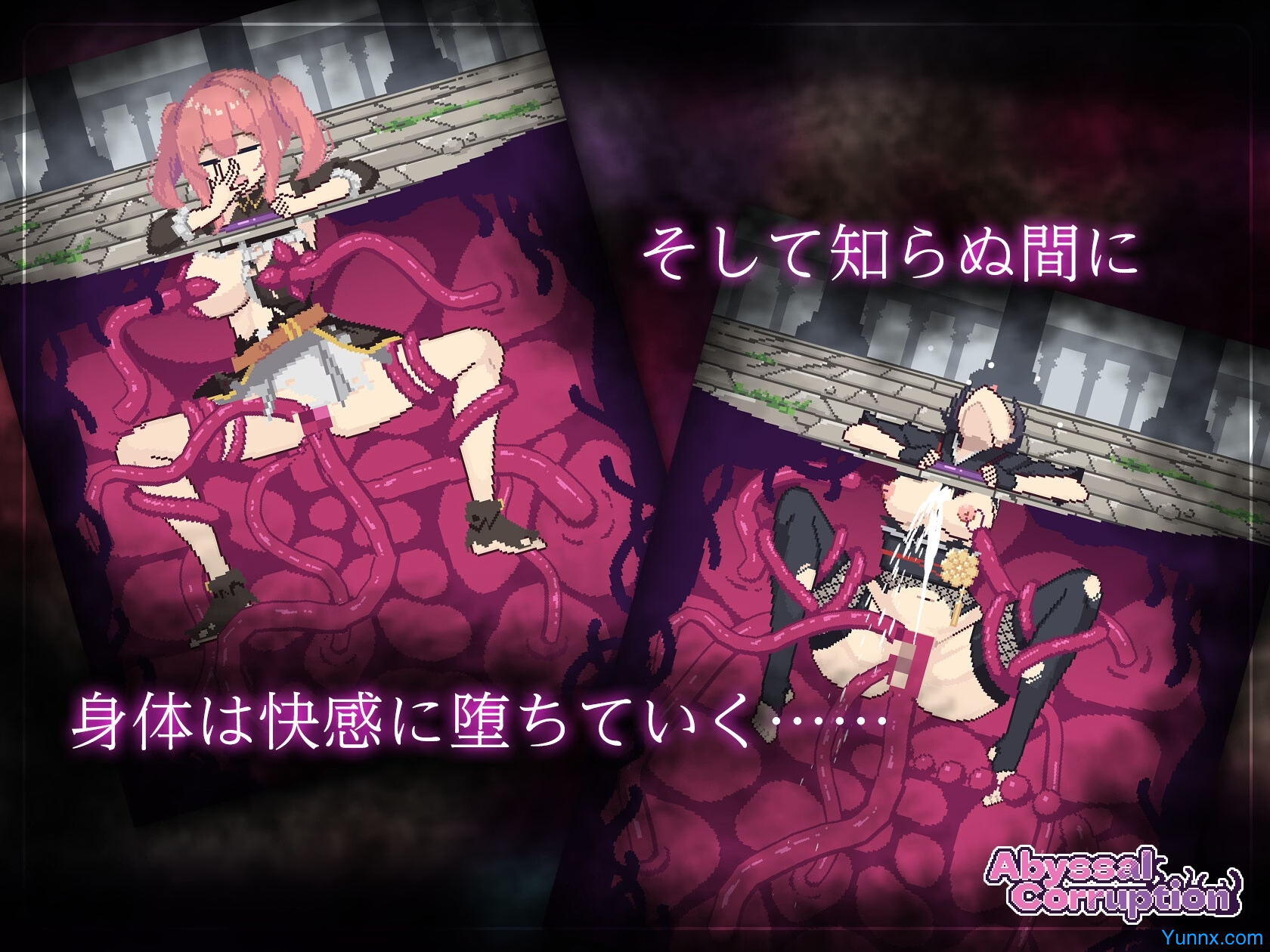
2. The art style employs a stark contrast between the adventurers' vibrant gear and the oppressive, monochromatic environments, visually emphasizing the theme of corruption overwhelming hope.
3. End-game content includes endless dungeon modes and special champion adventurers with unique sensory adaptations, providing continuous challenges that test the limits of players' strategic planning.