
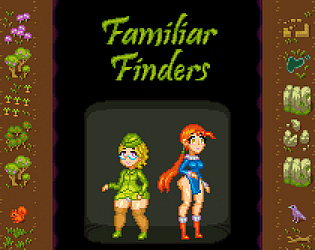
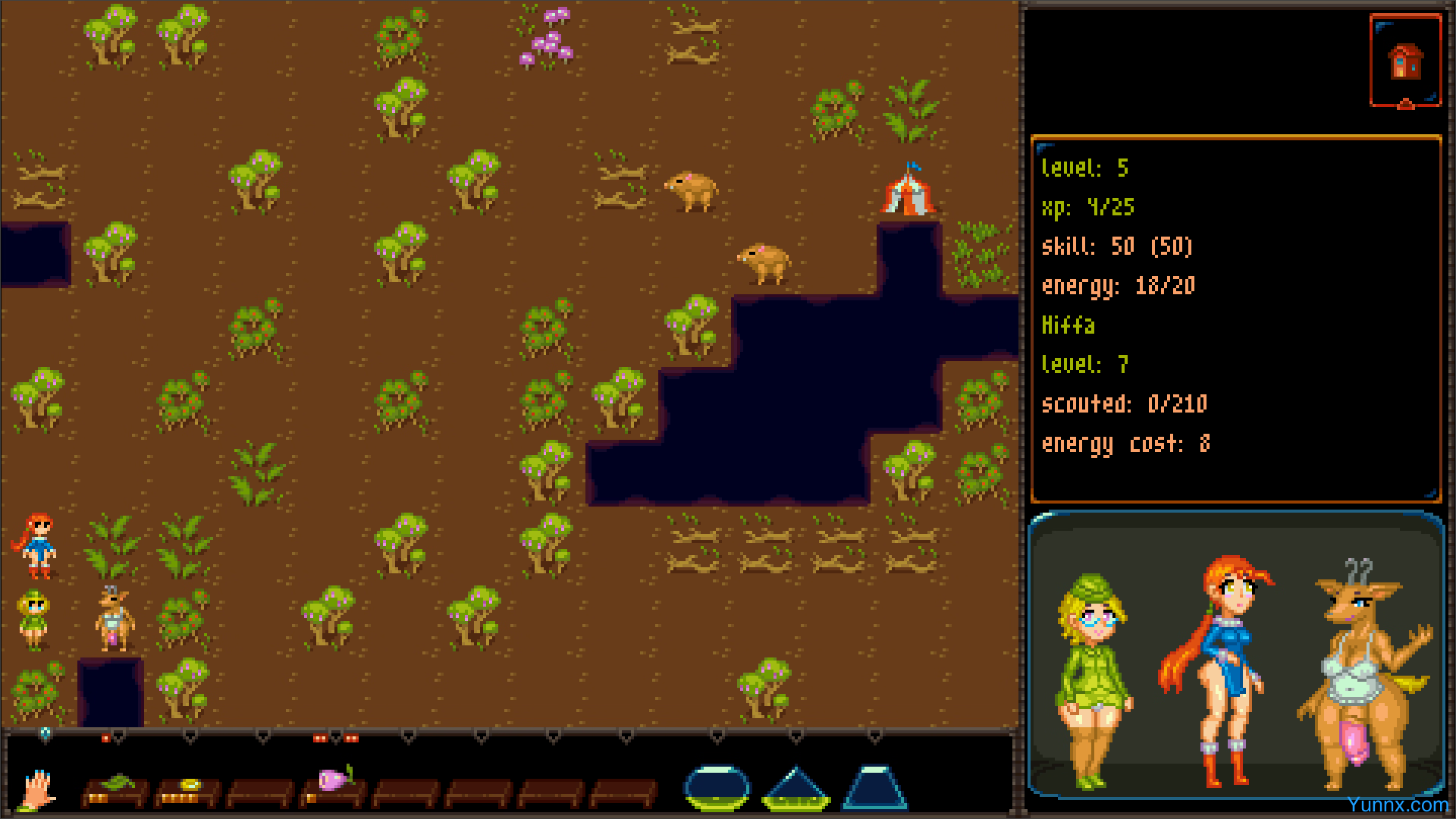
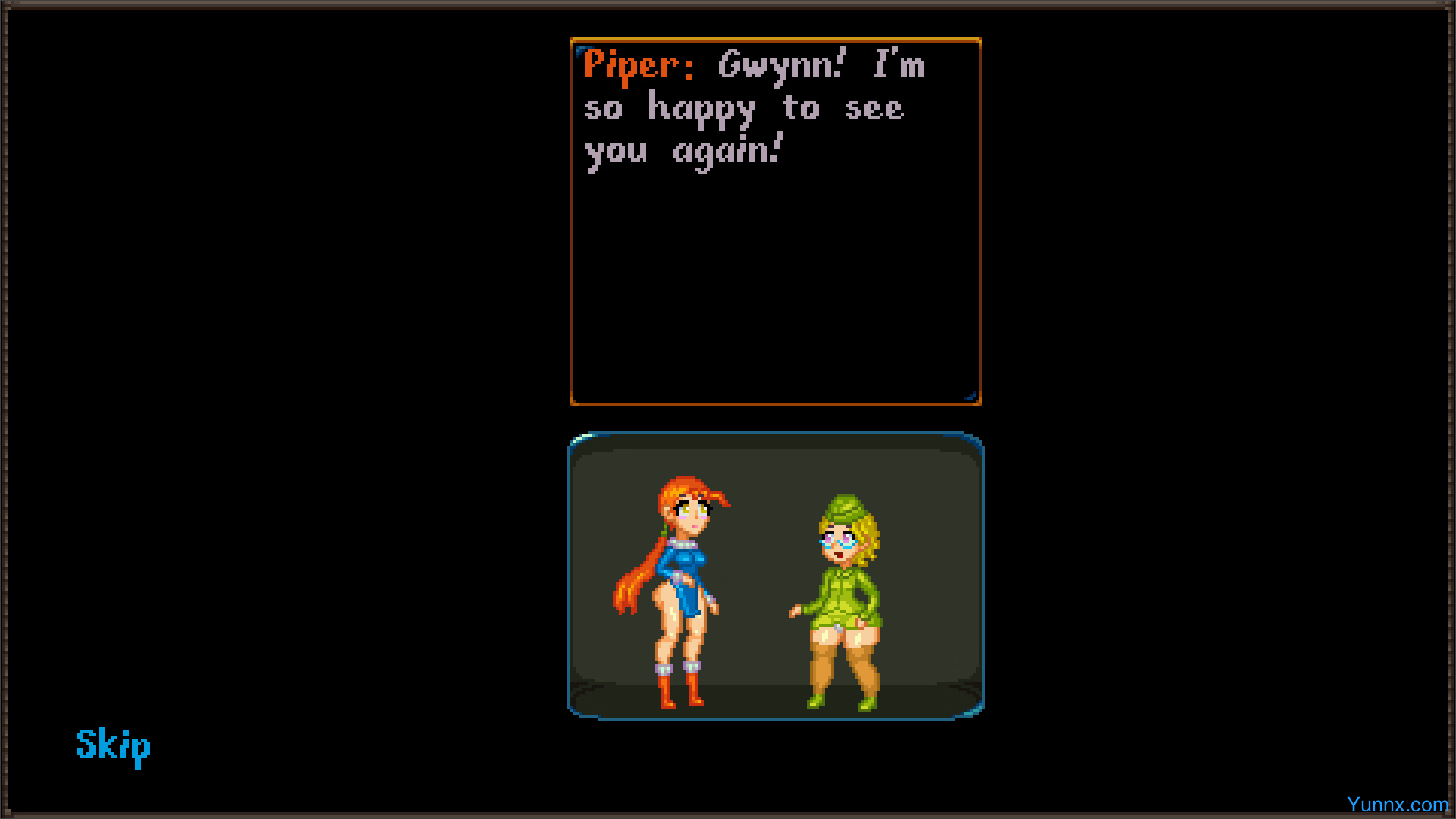
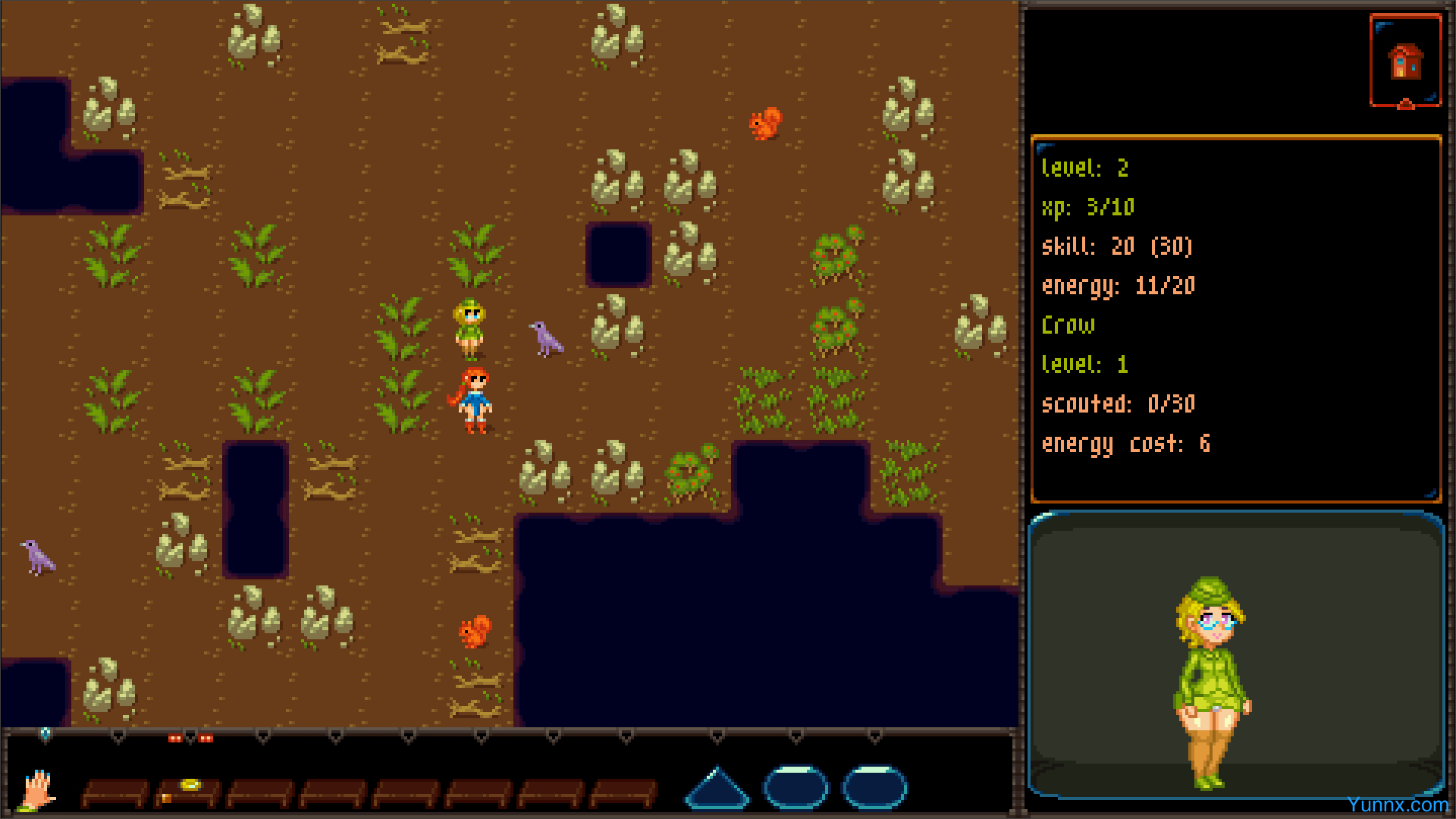
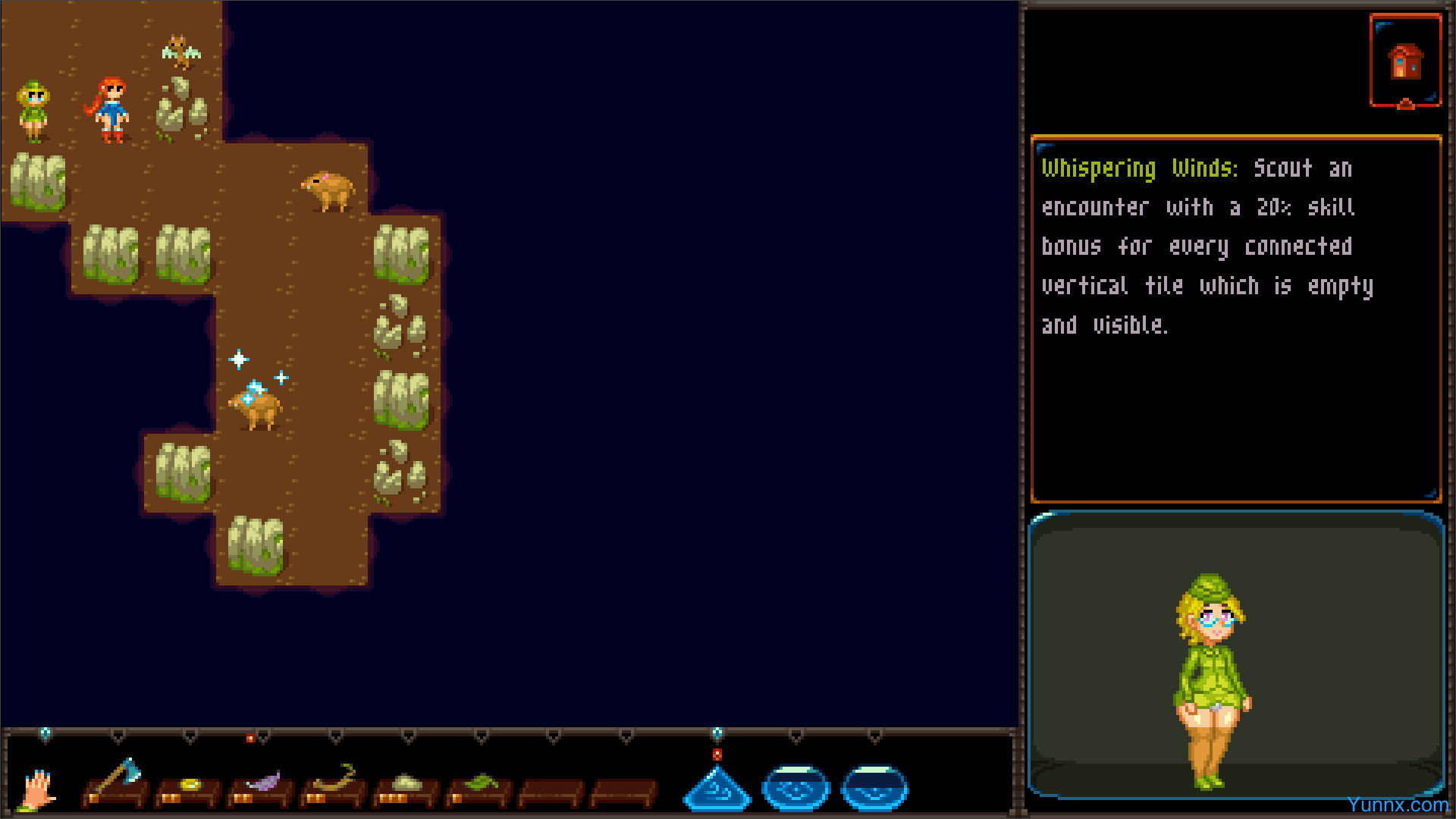
Familiar Finders plunges players into a tactical fantasy adventure where an energetic soldier and his astute nomad companion brave enchanted wastelands to capture magical familiars for their kingdom’s army. But this mission is far from straightforward—the duo must navigate a world teeming with supernatural temptations, voyeuristic encounters, and psychological challenges that blur the lines between duty and desire. Designed for mature audiences, the game blends strategic combat with emotionally charged storytelling, where every choice risks twisting alliances into obsessions.
World-Building and Narrative Layers
1. Enchanted Wastelands as a Character: The desolate yet magic-saturated setting evolves dynamically based on player action. Corrupted zones spread if familiars are mistreated, while stable regions reward ethical bonding—creating a reactive environment that mirrors the story’s moral ambiguity.
2. Familiar Bonding Mechanics: Capturing and raising familiars isn’t just tactical; it’s deeply personal[^10]. Each creature possesses unique traits influencing story branches—for example, a shadow-type familiar might unlock stealth-based NTR events, while a celestial one could reinforce the protagonists’ loyalty.
3. Political Intrigue and Conflict: The army’s mission is shadowed by rival factions vying for familiar control. Players must navigate alliances with rogue mages or mercenary groups, where betrayals can lead to exclusive voyeuristic scenes or combat advantages.
Adult Themes and Player-Driven Consequences
1. NTR Dynamics as Narrative Tools: Optional cuckolding scenarios arise from strategic failures or deliberate choices[^13]. Ignoring a companion’s emotional needs might lead them to seek solace with rivals, altering questlines and unlocking tragic but avoidable endings.
2. Voyeurism as a Gameplay Mechanic: Scouting enemy camps or spying on allies reveals hidden desires and vulnerabilities. Successfully observing key characters grants blackmail leverage or empathy insights, directly impacting negotiation outcomes and intimacy levels.
3. Consent-Focused Design: Despite mature themes, all explicit content requires deliberate player activation through toggleable settings. The game avoids gratuitous scenes by tying erotic events to character development—e.g., a bond strengthening after sharing vulnerabilities.
Strategic Gameplay and Progression Systems
1. Dual-Character Combat System: Switch seamlessly between the soldier’s brute-force tactics and the nomad’s mystical abilities during real-time battles. Familiar synergies enable combo attacks: a fire familiar might amplify the soldier’s explosives, while a wind creature boosts the nomad’s mobility.
2. Morality-Based Progression: The “Alignment Matrix” tracks choices across loyalty, ambition, and desire axes. High desire alignment unlocks seduction-based dialogue options, whereas loyalty paths enhance team combat efficiency—each leading to unique familiars and areas.
3. Dynamic Relationship Web: Every major NPC has evolving attitudes toward both protagonists, influenced by quest decisions and social interactions. Neglecting the nomad’s advice during diplomacy might shift her allegiance, permanently altering available quests and endings.
Technical Innovation and Replayability
1. Procedural Event Generation: The game’s “Desire Engine” ensures no two playthroughs identically replicate erotic or narrative sequences. Variables like time spent with characters, familiar types, and past failures generate contextually unique scenes.
2. Branching Endings with Epilogues: Twelve core endings reflect combinations of relationship states, familiar collections, and moral standings. A “truth” ending requires uncovering the wasteland’s ancient secrets—a puzzle spanning multiple playthroughs.
3. Early Access Roadmap Transparency: As a live-development project, players can influence future content via polls and feedback systems. Planned updates include new familiar species, romance routes, and a co-op mode for tactical battles.