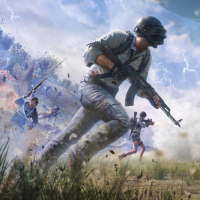
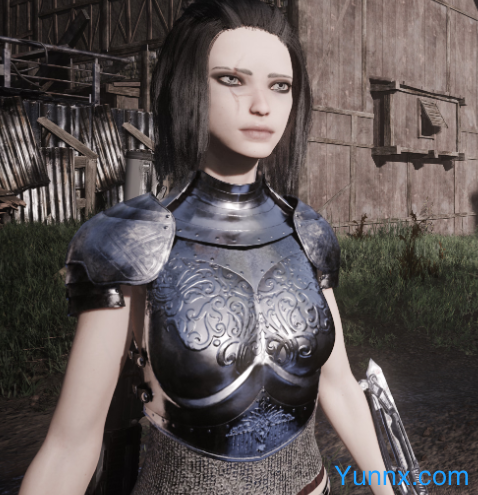
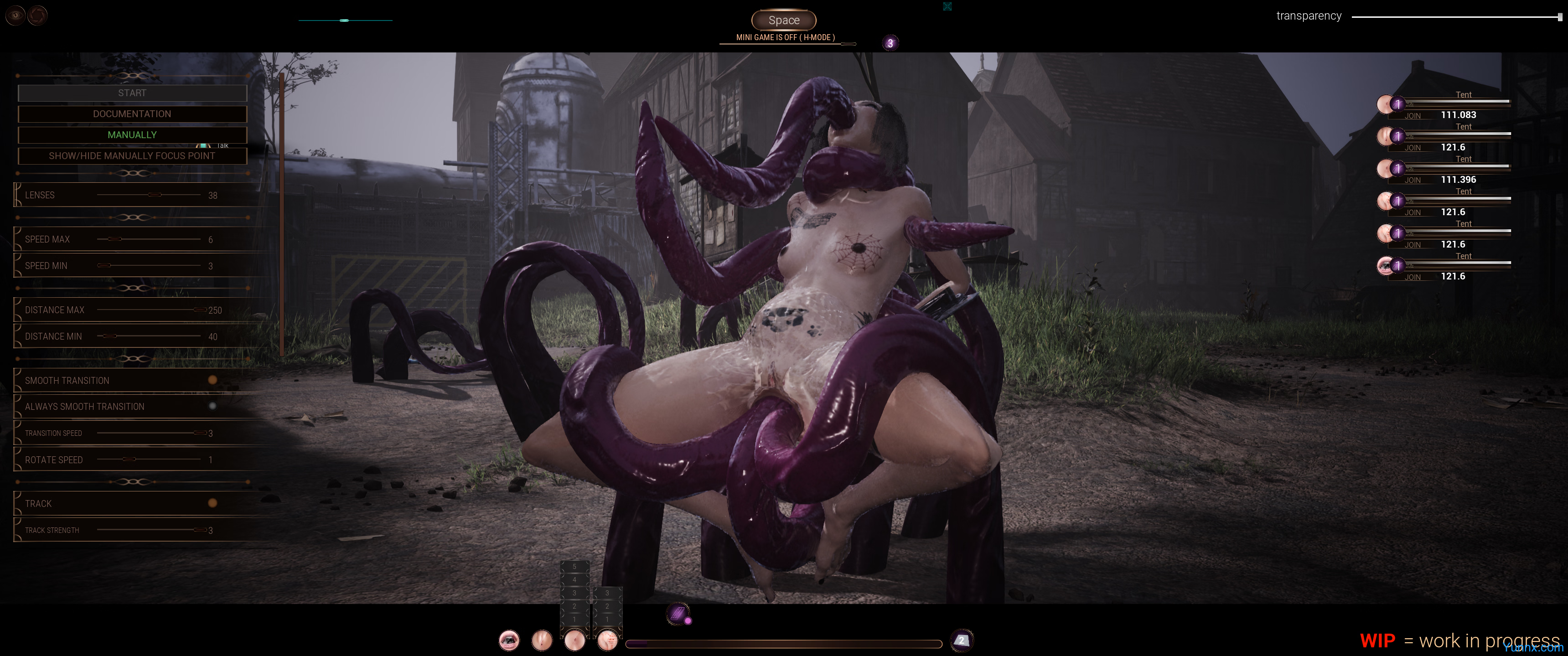
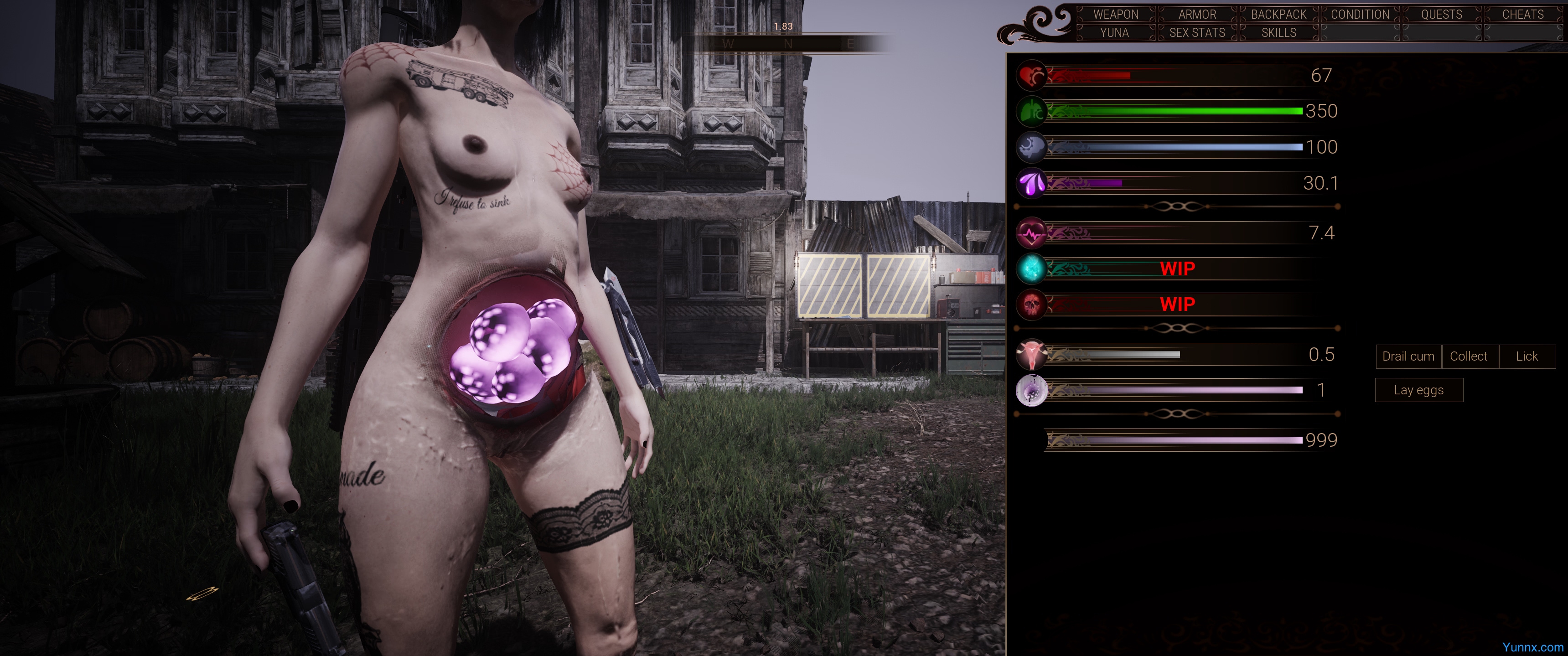
Yuna: Reborn is a fast-paced third-person action RPG shooter set in a dystopian Neo-Tokyo, where players embody a augmented rebel battling corporate tyranny. With seamless weapon combat, dynamic skill customization, and a morally complex narrative, the game challenges players to exploit tactical freedom in a world where technology and humanity collide. Its fluid movement system and reactive environments elevate every encounter into a cinematic spectacle
World and Narrative Depth
1. Dystopian Neo-Tokyo Setting: The game unfolds in a metropolis fractured by inequality, where a massive wall segregates the wealthy from the oppressed[^9]. Environments range from neon-drenched corporate zones to derelict urban districts, each with interactive elements that influence combat strategies, such as destructible covers or hackable security systems.
2. Philosophical Storyline: The plot revolves around Rena Nakano, a cyborg corporate leader seeking immortality by unleashing the ancient demon Sjb[^9]. Players confront themes of free will versus control, as NPCs react dynamically to the protagonist’s choices—allying with rebels or exploiting corporate alliances alters key events.
3. Character-Driven Quests: Beyond the main campaign, side missions reveal hidden backstories of factions like the resistance group led by Musashi Miyamoto[^9]. These arcs integrate seamlessly into the world, rewarding exploration with narrative twists and rare upgrades.
Combat and Gameplay Mechanics
1. Hybrid Combat System: Blend third-person shooting with melee combos using a real-time weapon swap mechanic. Firearms feature modular customization (e.g., scopes, elemental ammunition), while melee tools enable aerial juggles and parries—echoing action RPGs like Reborn’s style-based attacks
2. Augmentation Abilities: Install cybernetic chips to unlock skills tied to the Wu Xing element system (Fire, Water, Wood, Metal, Earth)[^9]. For example, Fire augments boost explosive damage, while Water enables temporary stealth. Abilities synergize with gear for builds like a "Tech-Assassin" or "Berserker-Tank."
3. Dynamic Environmental Interaction: Use Neo-Tokyo’s terrain strategically: overload power grids to stun enemies, hijack drones for reconnaissance, or trigger collateral damage during firefights. The game’s "Social Perception" pillar even lets players read NPC behaviors to anticipate ambushes
Progression and Customization
1. License Board Skill Tree: Progress through a constellation-based upgrade map where each node unlocks combat perks, dialogue options, or crafting recipes[^9]. Unlike linear trees, this system allows hybrid class development—mix stealth and brute force without respec penalties.
2. Gear and Economy Loop: Loot, craft, or trade over 200 weapons, armor sets, and cyberware[^9]. Rare "Prototype" items confer unique bonuses, such as a pistol that corrupts enemy augments or a cloak that renders players invisible in shadows.
3. Morality-Driven Progression: Key story decisions lock or unlock factions, romance options, and endings. For instance, sparing a corporate defector might grant access to black-market tech but provoke rebel hostility.
Technical Innovation and Replayability
1. Seamless Map Design: Neo-Tokyo is a single, interconnected open world with no loading screens between zones. Time-of-day and weather cycles affect enemy patrols and NPC routines, encouraging adaptive strategies.
2. New Game+ Mode: Post-campaign playthroughs introduce "Corrupted Zones" with remixed enemy placements, legendary gear sets, and hidden bosses like the Tengu Demon Sjb[
3. Cross-Platform Optimization: Launched on PC and consoles with support for 60 FPS, ray tracing, and adaptive trigger feedback on PS5/ Xbox Series X. Includes accessibility features like customizable UI and aim-assist toggles.