
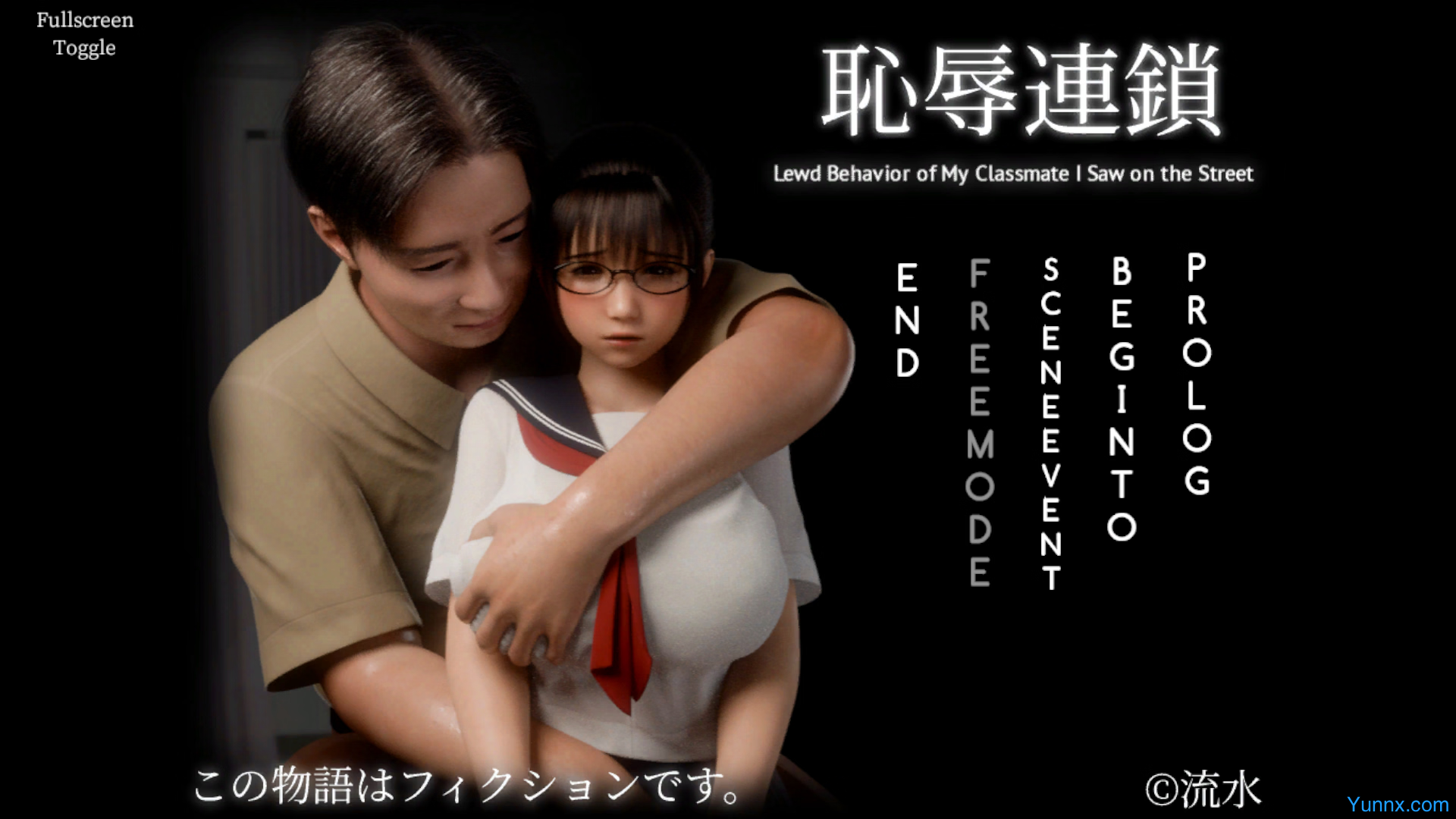
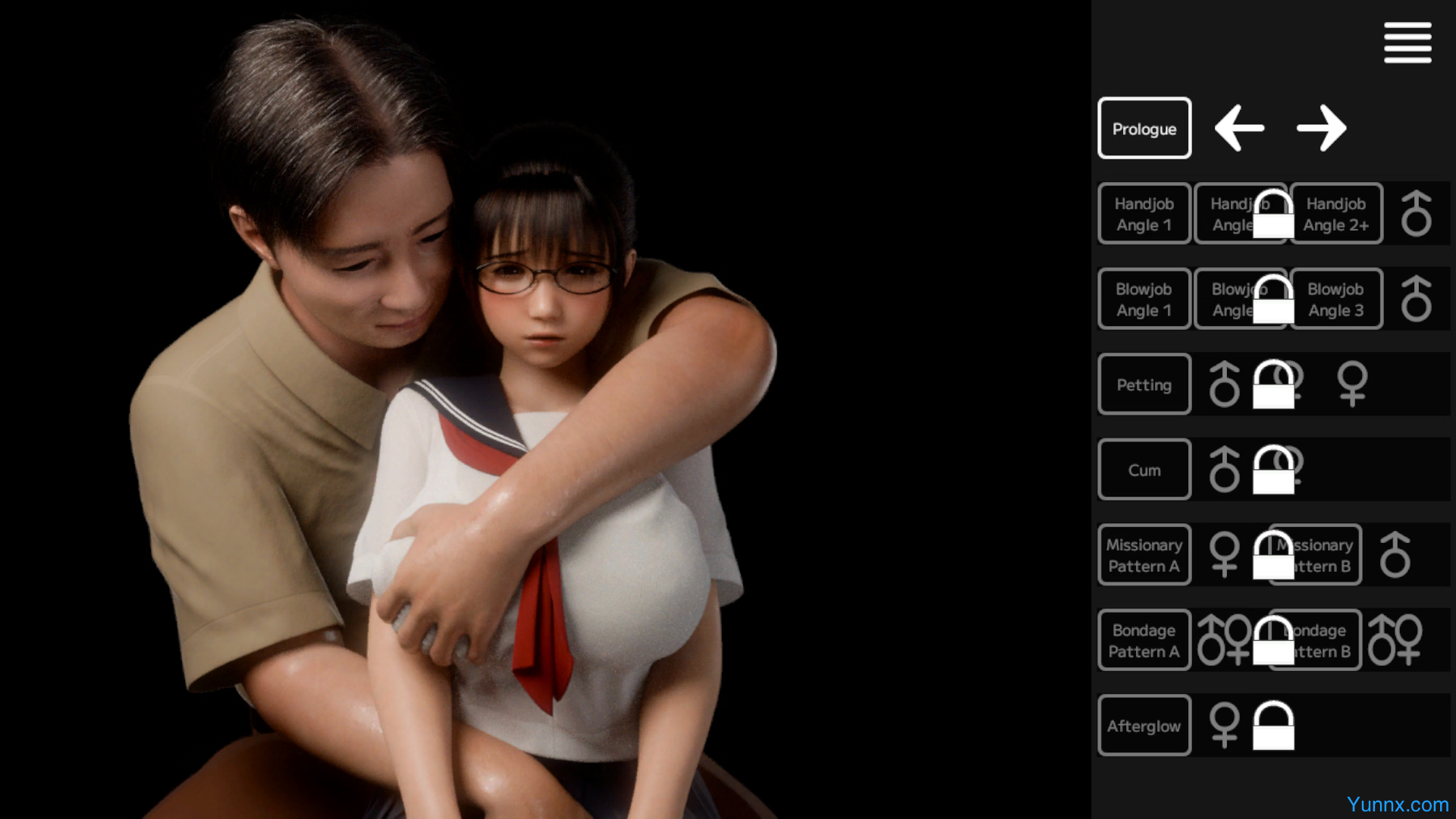

Shame Chain is a psychological narrative adventure that delves into the corrosive power of secrets and social shame. Players follow a protagonist whose mundane life unravels after witnessing their classmate, Nishimura, in a suspiciously cheerful encounter with a stranger. This accidental observation sparks a chain reaction of moral dilemmas, stealth-based exploration, and emotionally charged decisions. Based on real-world social dynamics like workplace shame cycles, the game blends mystery-solving with introspective storytelling, where every choice amplifies consequences across interconnected characters.
Atmosphere and Setting
1. Urban Psychological Landscape: The game unfolds in a meticulously crafted modern city, where bustling streets and mundane routines mask hidden tensions. Key moments—like the traffic light scene where Nishimura’s unusual behavior is witnessed—serve as catalysts, immersing players in an environment where normalcy is a facade
2. Shame as a Central Theme: Drawing inspiration from real-world shame chains, the narrative explores how guilt and social pressure propagate. Characters are bound by invisible threads of disgrace, mirroring issues such as workplace "perfection shame" or emotional manipulation, creating a relatable yet unsettling backdrop.
3. Dynamic Day-Night Cycles: Time progression affects NPC behaviors and events. Nishimura’s dual identity emerges more vividly at night, emphasizing the disparity between public appearances and private struggles—a mechanic that enhances realism and replayability.
Gameplay Mechanics
1. Choice-Driven Consequences: Players influence the story through dialogue options and actions, with a branching narrative that reacts to moral decisions. For example, confronting Nishimura about her secret may trigger hostility or vulnerability, altering alliance systems
2. Stealth and Investigation: Core gameplay involves tailing characters, gathering evidence, and avoiding detection. Tools like a smartphone camera or audio recorder help document clues, but misuse risks exposing the protagonist to social retaliation—echoing survival-horror tension seen in titles like Shame Legacy
3. Puzzle-Solving Through Emotional Insight: Puzzles are tied to character psychology. Decoding Nishimura’s motivations requires analyzing her environment (e.g., finding hidden objects in her apartment) or leveraging shame-based weaknesses in other NPCs to progress
Characters and Narrative Depth
1. Complex Character Arcs: Nishimura evolves from a seemingly ordinary classmate to a layered figure hiding trauma. Her cheerful facade cracks under scrutiny, revealing ties to broader networks of deception—a nod to "unreliable ally" tropes
2. Protagonist’s Moral Ambiguity: The player character grapples with their own shame, such as guilt over invading privacy or ethical boundaries. This internal conflict is highlighted through inner monologues and relationships with secondary characters like the model ordered online, who embodies themes of objectification[^19][^21].
3. Interwoven Subplots: Supporting characters each harbor unique shame chains—from academic pressure to familial expectations—that intersect with the main plot. Helping or exploiting them impacts the ending, emphasizing that no one is truly innocent
Unique Features and Modern Relevance
1. Shame Chain System: A proprietary mechanic where NPC reactions cascade based on player actions. If the protagonist blackmails a character, it may trigger a chain of distrust affecting unrelated events, mirroring real-life social fallout
2. Real-Time Social Media Integration: In-game platforms reflect public perception. Posts about Nishimura’s behavior can go viral, attracting unwanted attention or providing clues—a critique of digital age privacy erosion
3. Cultural Commentary: The story addresses timely issues like "victim-blaming" and emotional abuse[^21][^22], positioning the game as both entertainment and a conversation starter about psychological resilience.