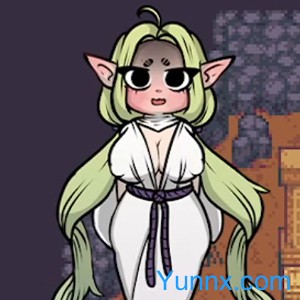




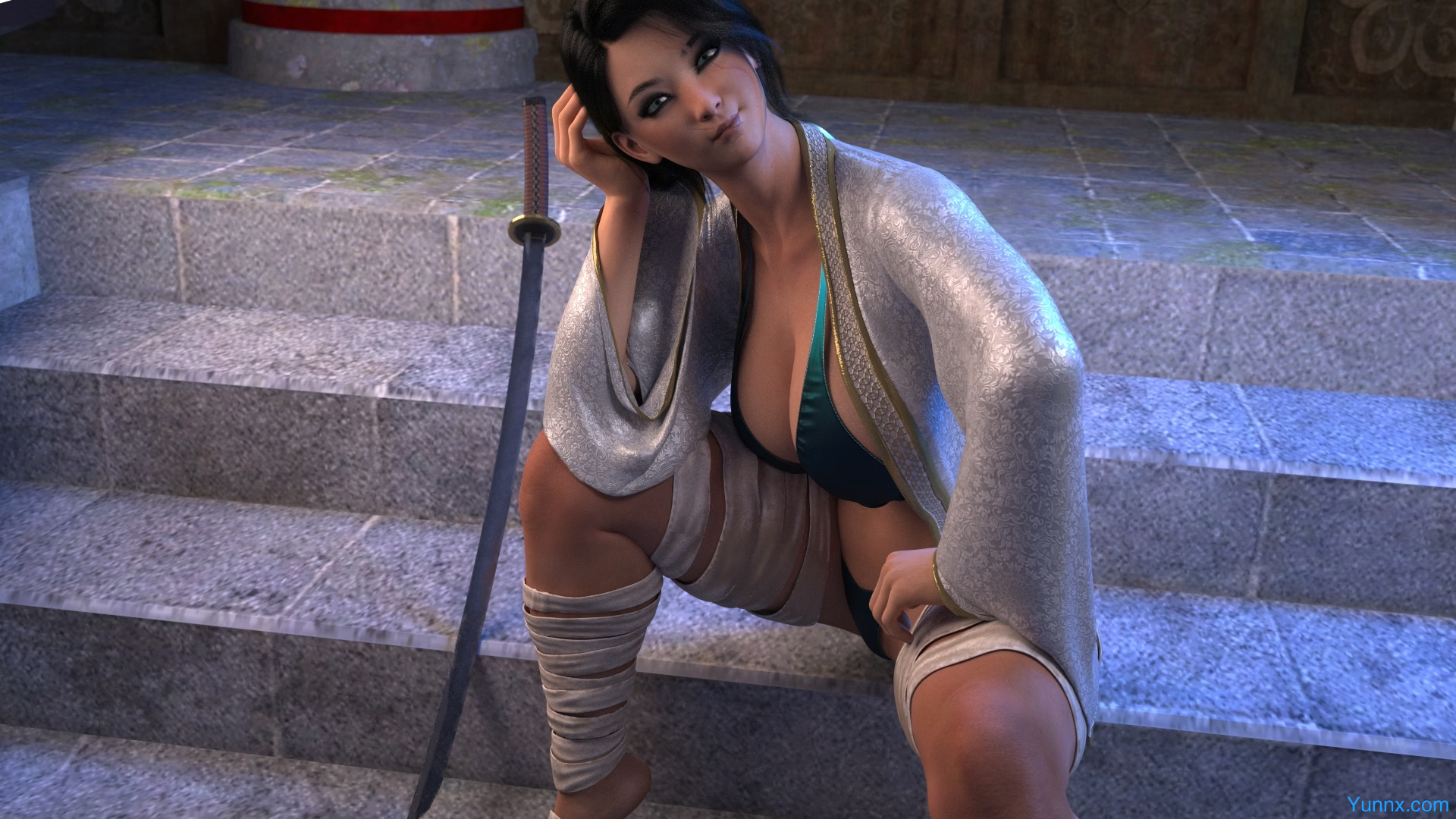
Dragon Orbs 2 continues the story of an unlikely heroine thrust into a world of mundane tasks and profound self-discovery. After awakening in a mysterious dojo, she must master unexpected skills—like mopping floors—while piecing together her fragmented past. As she navigates this strange new reality, she faces a critical choice: reclaim lost memories or risk losing even the little identity she retains. With humor, heart, and subtle depth, this sequel expands upon its predecessor’s hidden legacy.
An Unconventional Narrative Focused on Identity
1. Amnesiac Protagonist Arc: The game centers on a heroine grappling with memory loss, whose journey begins in a serene but enigmatic dojo. Her quest to recover her past—or protect the fragments she still holds—drives the emotional core of the story, blending mystery with moments of introspection .
2. Unexpectedly Humorous Undertones: While the premise involves a dojo setting, the game cleverly subverts expectations by having the heroine learn mundane tasks like floor mopping. This adds a layer of relatable humor, contrasting everyday chores with larger existential stakes .
3. Branching Storylines with Meaningful Consequences: Player choices directly influence whether the heroine reclaims her memories, loses them entirely, or forges a new path. These decisions unlock alternate endings, encouraging replayability to explore every narrative possibility .
Gameplay Blending Daily Tasks and Adventure
1. Dojo Life Simulation: A significant portion of gameplay revolves around maintaining the dojo through tasks like cleaning and organizing. These activities are not filler; they subtly teach mechanics that later tie into puzzle-solving and character interactions .
2. Exploration-Driven Progression: Venturing beyond the dojo reveals new areas, characters, and clues about the heroine’s past. Environments are designed to reward curiosity, with hidden secrets that expand the lore and provide practical advantages .
3. Skill-Based Development System: As the heroine completes tasks and explorations, she earns experience that unlocks abilities—both practical (like efficient cleaning) and strategic (like deciphering ancient texts). This progression system ensures that even minor actions contribute to her growth .
Characters and Worldbuilding
1. Memorable Supporting Cast: The dojo is inhabited by a quirky ensemble of mentors, rivals, and allies, each with unique motivations and insights to share. Building relationships with them can unlock special quests or alter the story’s direction .
2. Evolving Dojo Hub: The dojo serves as a central base that changes visually and functionally as the story progresses. Upgrades reflect the heroine’s journey, making the space feel personalized and alive .
3. Themes of Belonging and Purpose: Beyond the core amnesia plot, the narrative explores ideas about finding one’s place in a world that feels unfamiliar. The dojo becomes a metaphorical anchor, representing stability amid uncertainty .
Unique Features and Lasting Appeal
1. Emphasis on “Small” Stories: Unlike epic RPGs, this game finds depth in simplicity. The focus on tasks like mopping floors—and how they metaphorically reflect “cleaning up the past”—creates a distinctive, grounded experience .
2. Emotional Replayability: With multiple endings determined by choices about memory preservation, players are incentivized to revisit the story and explore outcomes ranging from hopeful to bittersweet .
3. Subtle Homage to Predecessors: While a sequel, the game stands on its own by including subtle references to the first Dragon Orbs for returning fans, without alienating new players .