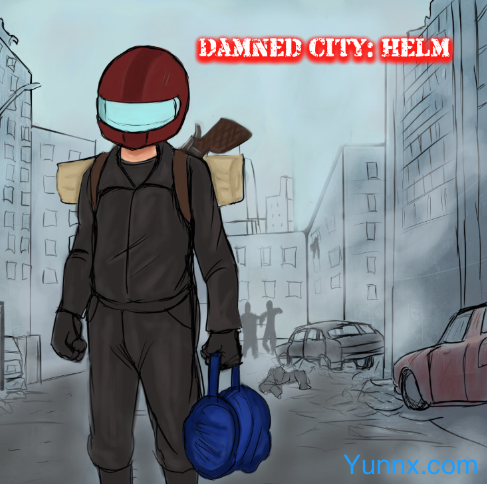


In "Damned City: Helm," a devastating virus transforms Hope City’s populace into the living dead, plunging the once-peaceful metropolis into chaos. Players step into the boots of Helm, a determined survivor driven by one goal: protecting his sister amid the ruins. As Helm joins a fragile camp of survivors, every decision counts—will you fortify their last bastion of humanity or orchestrate its collapse? This survival adventure challenges players to navigate moral dilemmas, manage scarce resources, and confront horrors beyond imagination.
A Gripping Narrative of Survival and Sacrifice
Immerse yourself in a story-rich environment where your choices shape the fate of Hope City and its inhabitants. The game masterfully blends emotional depth with relentless tension through:
1. Character-Driven Motivation: Helm’s quest to safeguard his sister adds a personal stake to the survival struggle, making each encounter and decision resonate with urgency.
2. Branching Outcomes: Your actions determine whether the camp becomes a beacon of hope or descends into ruin, featuring multiple endings that reward strategic thinking and moral alignment.
3. Dynamic Relationships: Interact with a diverse cast of survivors, each with unique backstories and agendas, fostering alliances or sparking conflicts that impact the camp’s stability.
Strategic Survival and Base Management
Beyond mere endurance, "Damned City: Helm" emphasizes tactical planning and resource stewardship. Players must balance immediate needs with long-term goals by:
1. Camp Fortification: Build and upgrade defenses—from barricades to watchtowers—to repel zombie hordes and hostile human factions.
2. Resource Scavenging: Explore virus-ravaged districts for food, medicine, and crafting materials, but beware—the city’s dangers evolve, demanding adaptive strategies.
3. Crafting and Upgrades: Combine scavenged items to create weapons, tools, and medical supplies, enabling customization of Helm’s abilities and the camp’s infrastructure.
A World Shaped by Player Agency
The game stands out with its emphasis on meaningful choice and replayability, offering a unique blend of chaos and control. Key features include:
1. Morality System: Decide whether to collaborate with survivors for collective strength or exploit their vulnerabilities for personal gain, altering the camp’s morale and Helm’s reputation.
2. Procedural Threats: Face unpredictable events, such as sudden zombie outbreaks or internal rebellions, ensuring no two playthroughs are identical.
3. Environmental Storytelling: Uncover Hope City’s secrets through hidden notes, environmental cues, and survivor dialogues, revealing the virus’s origins and Helm’s potential role in the catastrophe.