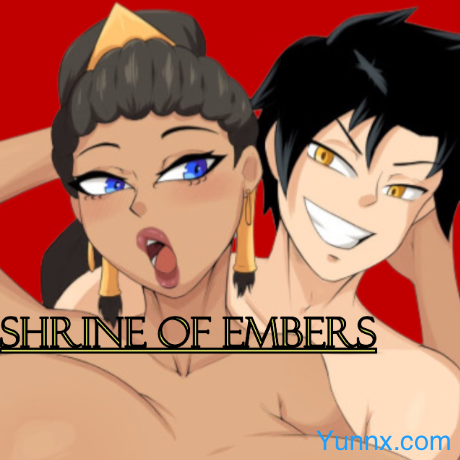
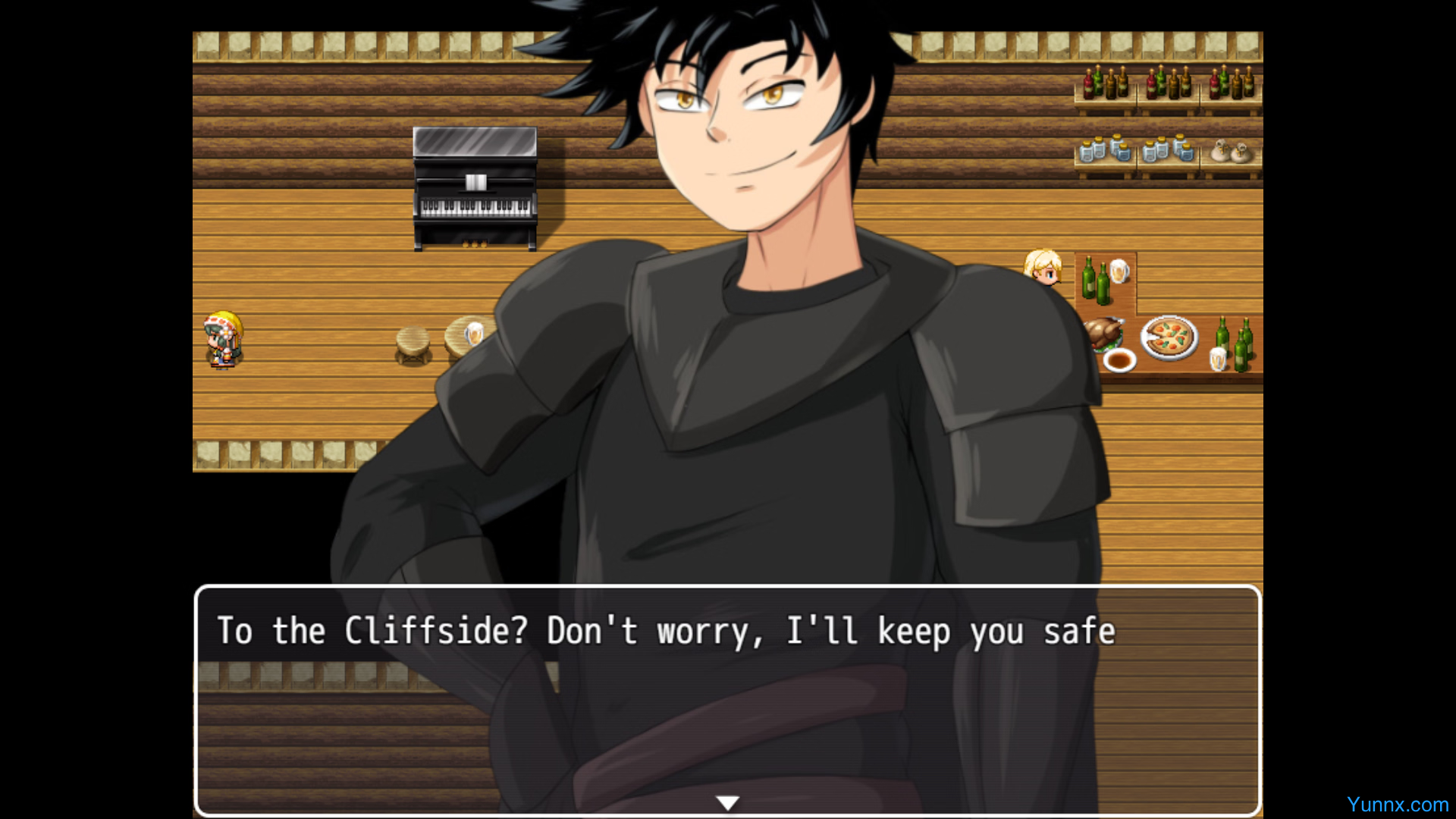
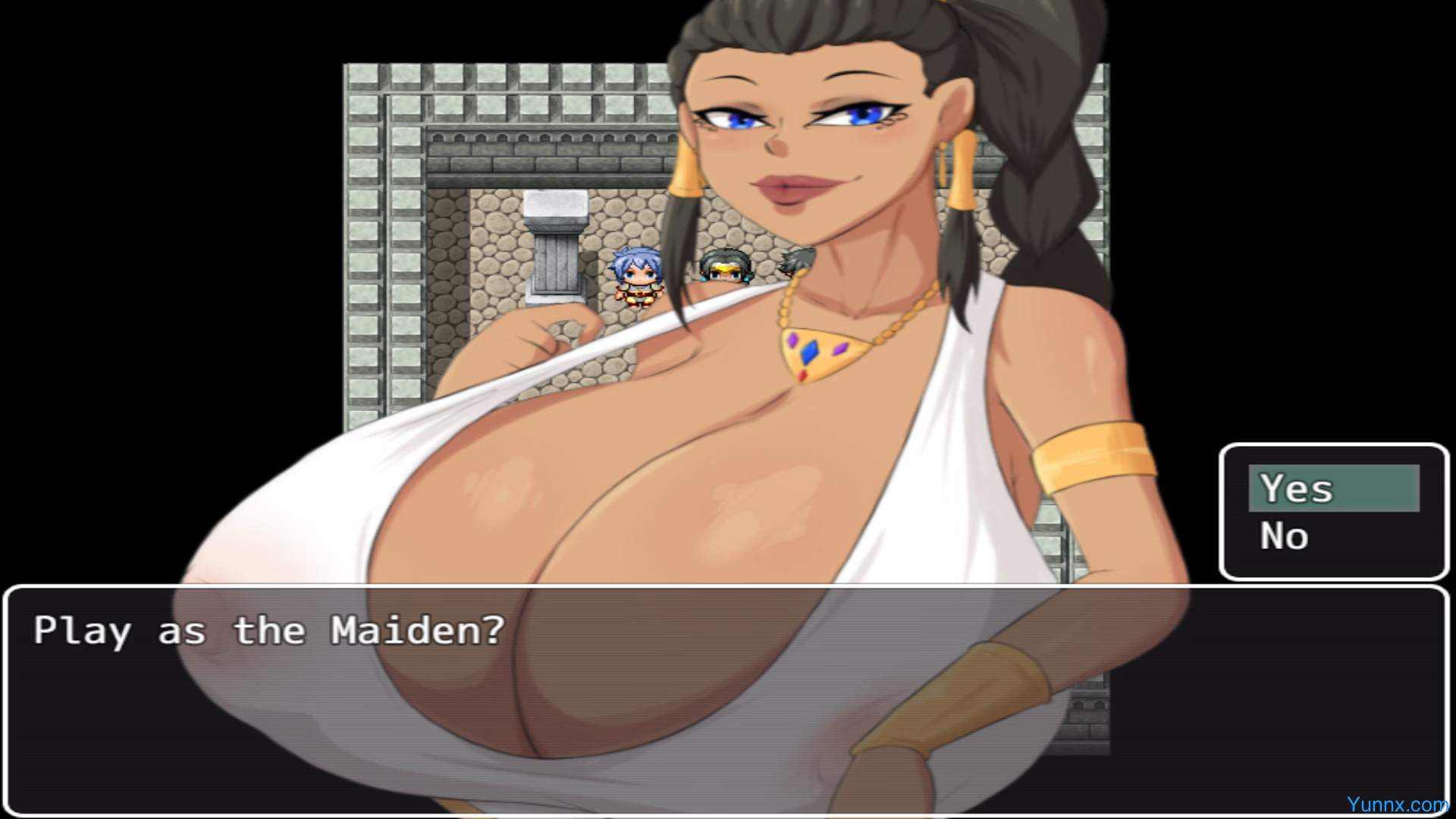
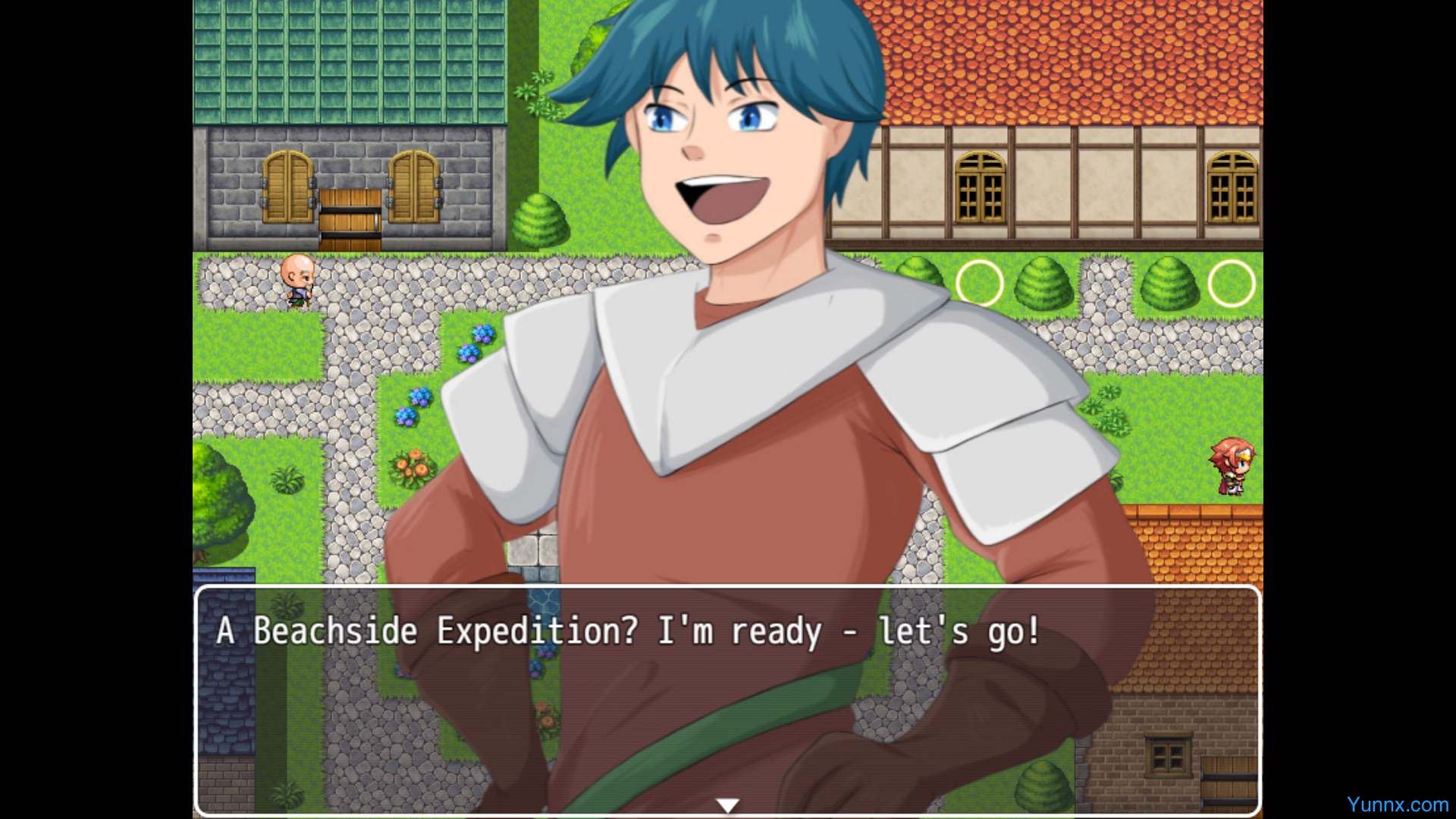
Shrine of Embers is a story-driven RPG set in a world overrun by the Undead Scourge, where players follow Priestess Valeria and her fiancé Alant on a quest to find a celestial shrine that grants one wish. As they navigate the mysterious Ember Island, Valeria faces a profound choice between loyalty to her partner and the allure of a legendary hero. With turn-based combat, exploration, and decision-making that shapes multiple endings, this game blends fantasy adventure with mature themes of desire and morality.
Story and Setting
• 1. Apocalyptic World-Building: The game unfolds in a grim fantasy realm where the Undead Scourge has plunged societies into chaos, with decaying towns, haunted forests, and forsaken temples emphasizing the desperation of inhabitants. The sudden descent of the Shrine of Embers from the heavens introduces a glimmer of hope, but also sparks conflicts among factions vying for its power .
• 2. Mythical Locales: Ember Island serves as the primary setting, featuring diverse zones like misty coastlines, volcanic peaks, and ancient ruins. Each area is rich with environmental storytelling, hiding clues about the shrine’s origins and challenges that test the characters’ resolve .
• 3. Central Conflict: The narrative revolves around the moral dilemma of using the shrine’s wish—whether to eradicate the Scourge at any cost or pursue personal desires. This tension is amplified by the arrival of the Legendary Hero, whose motives blur the lines between salvation and corruption .
Gameplay and Mechanics
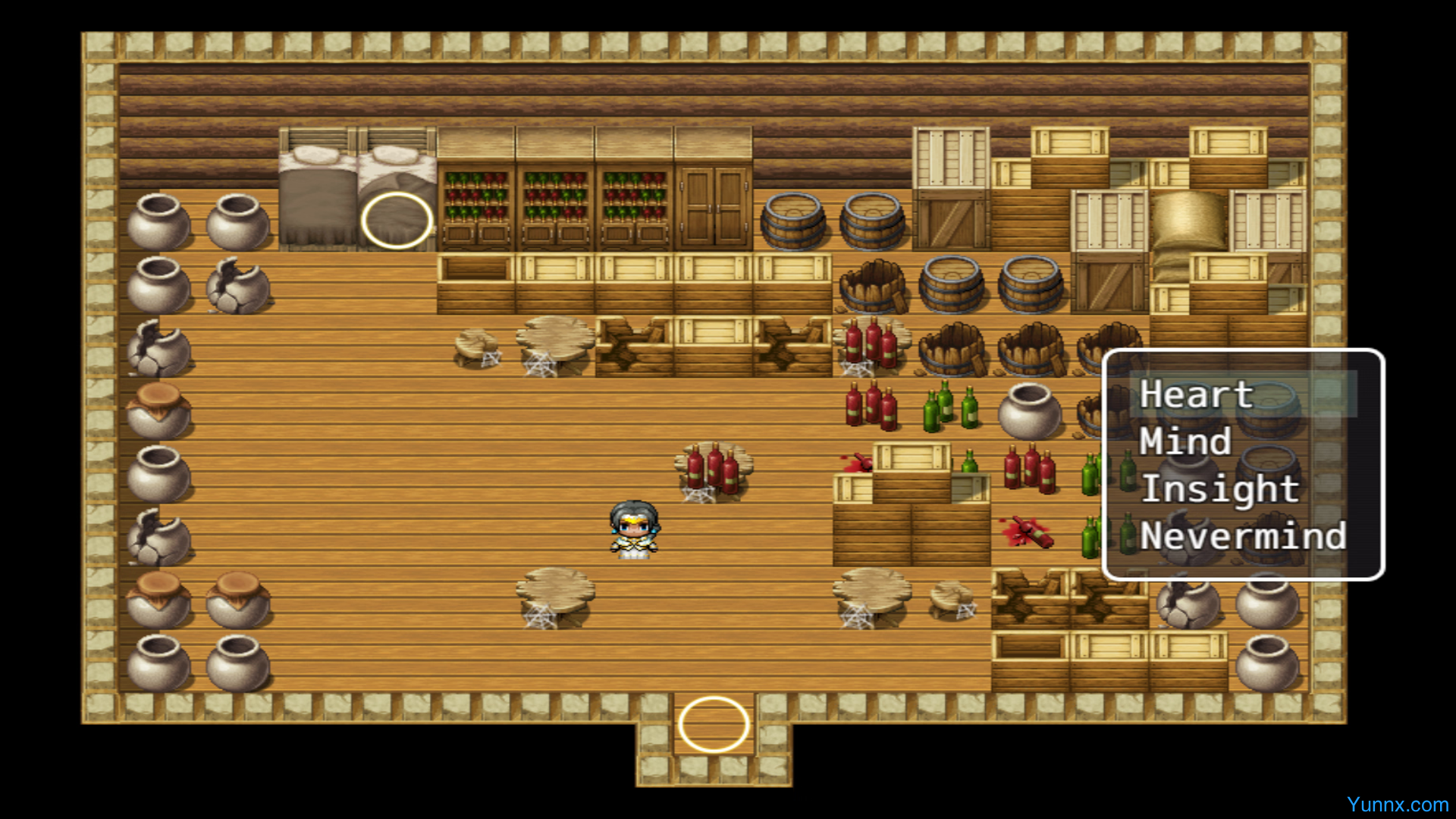
• 1. Exploration and Quests: Players traverse an open-world sandbox, completing main quests tied to the shrine’s discovery and side activities that reveal island secrets. Scavenging resources, solving puzzles, and interacting with NPCs unlock new areas and narrative branches .
• 2. Turn-Based Combat System: Engage in strategic battles against undead creatures and rival hunters using a skill-tree system. Combat incorporates elements like elemental weaknesses, party synergy, and environmental interactions, allowing for tailored approaches to challenges .
• 3. Choice-Driven Progression: Dialogue options and actions influence relationships with Alant and the Legendary Hero, affecting trust levels and unlocking exclusive scenes. A "Morality Meter" tracks Valeria’s alignment, leading to drastically different endings based on cumulative decisions .
Characters and Relationships
• 1. Valeria’s Dual Nature: As the protagonist, Valeria evolves from a devout priestess into a complex figure grappling with duty and temptation. Her internal monologues and skill upgrades reflect her shifting priorities, whether she embraces purity or succumbs to lust .
• 2. Dynamic Relationships: Alant acts as a stabilizing force, offering supportive abilities in combat, while the Legendary Hero embodies risk and passion, tempting Valeria with power. Their interactions are shaped through mini-games like gift-giving and shared missions, deepening bonds or triggering betrayals .
• 3. Supporting Cast Depth: Encounter island inhabitants with unique agendas—such as cryptic oracles or greedy treasure hunters—who provide quests that test Valeria’s ethics. Helping them can yield rewards but may compromise her ultimate goal .
Unique Features and Appeal
• 1. Mature Narrative Integration: Unlike conventional RPGs, adult themes are woven organically into the story, with intimate scenes serving as pivotal character moments rather than gratuitous content. This approach emphasizes emotional consequences over sensationalism .
• 2. Replayability and Secrets: Multiple endings, hidden collectibles, and a "Path of Temptation" mode encourage repeated playthroughs. Unlockable galleries showcase alternate outcomes, such as Valeria embracing power or sacrificing herself for the greater good .
• 3. Atmospheric Presentation: The game employs a hand-drawn 2D art style for characters and environments, complemented by a haunting soundtrack that adapts to key story moments. Visual cues like changing weather and character expressions enhance immersion .