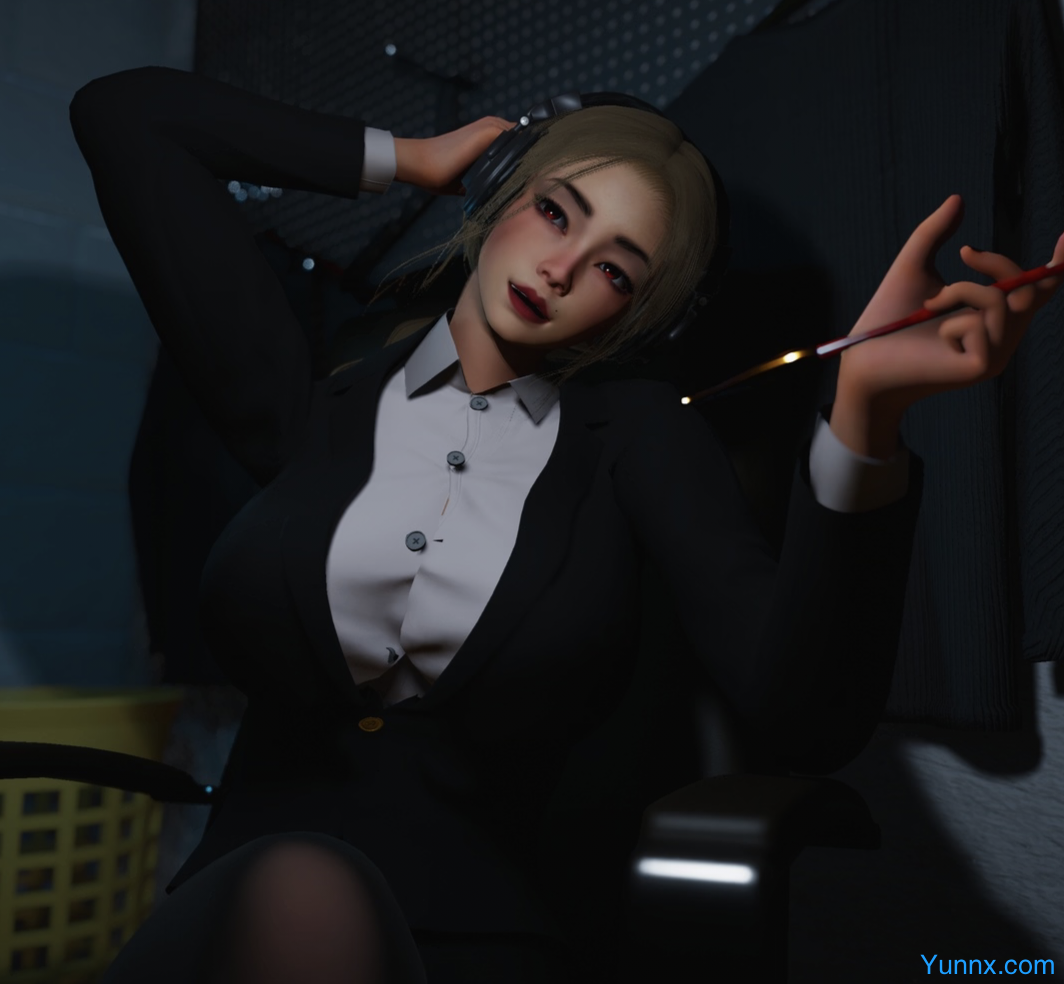
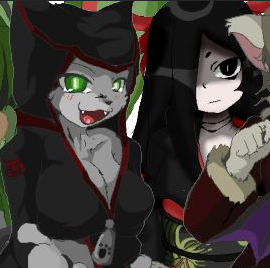
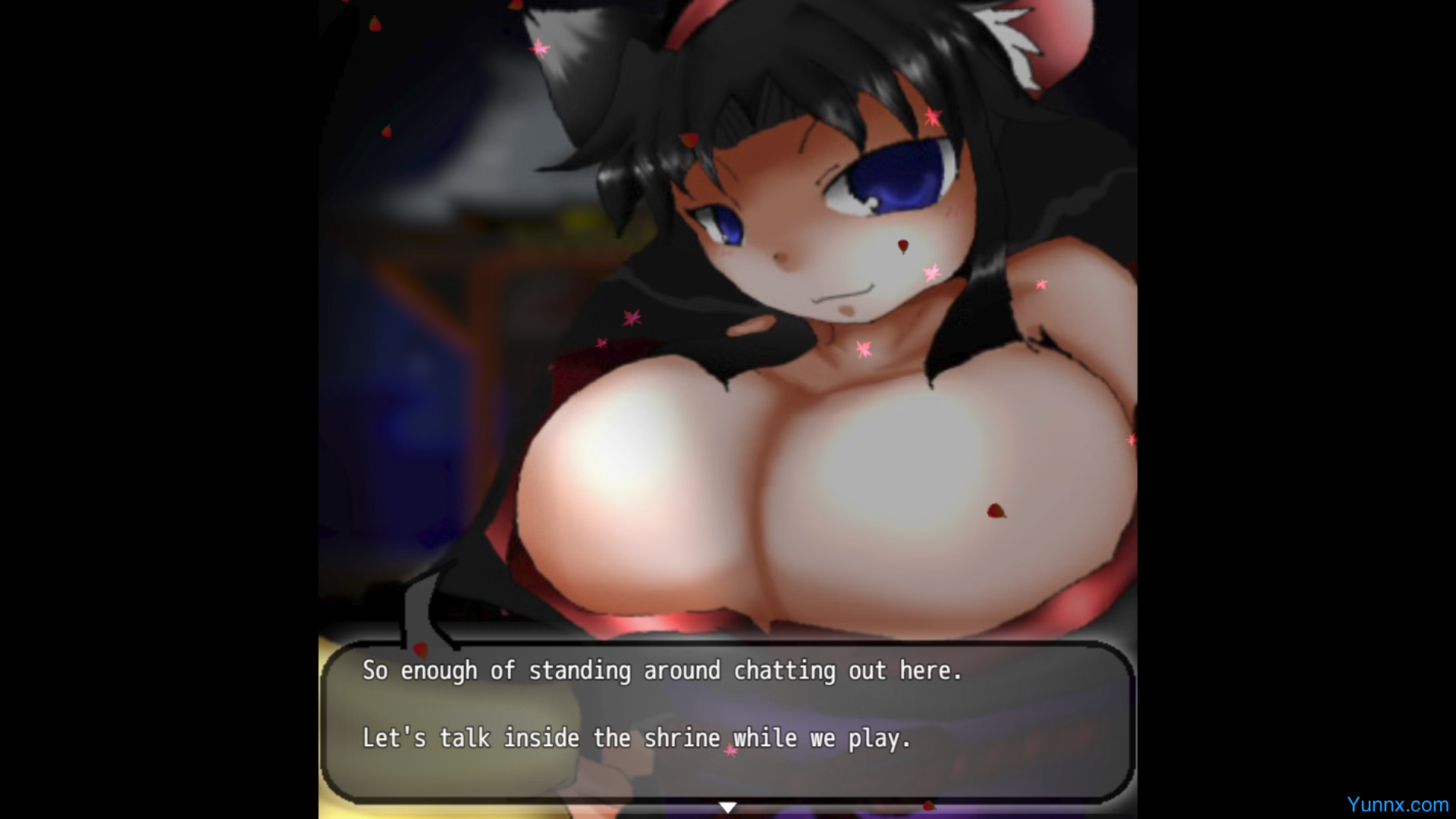
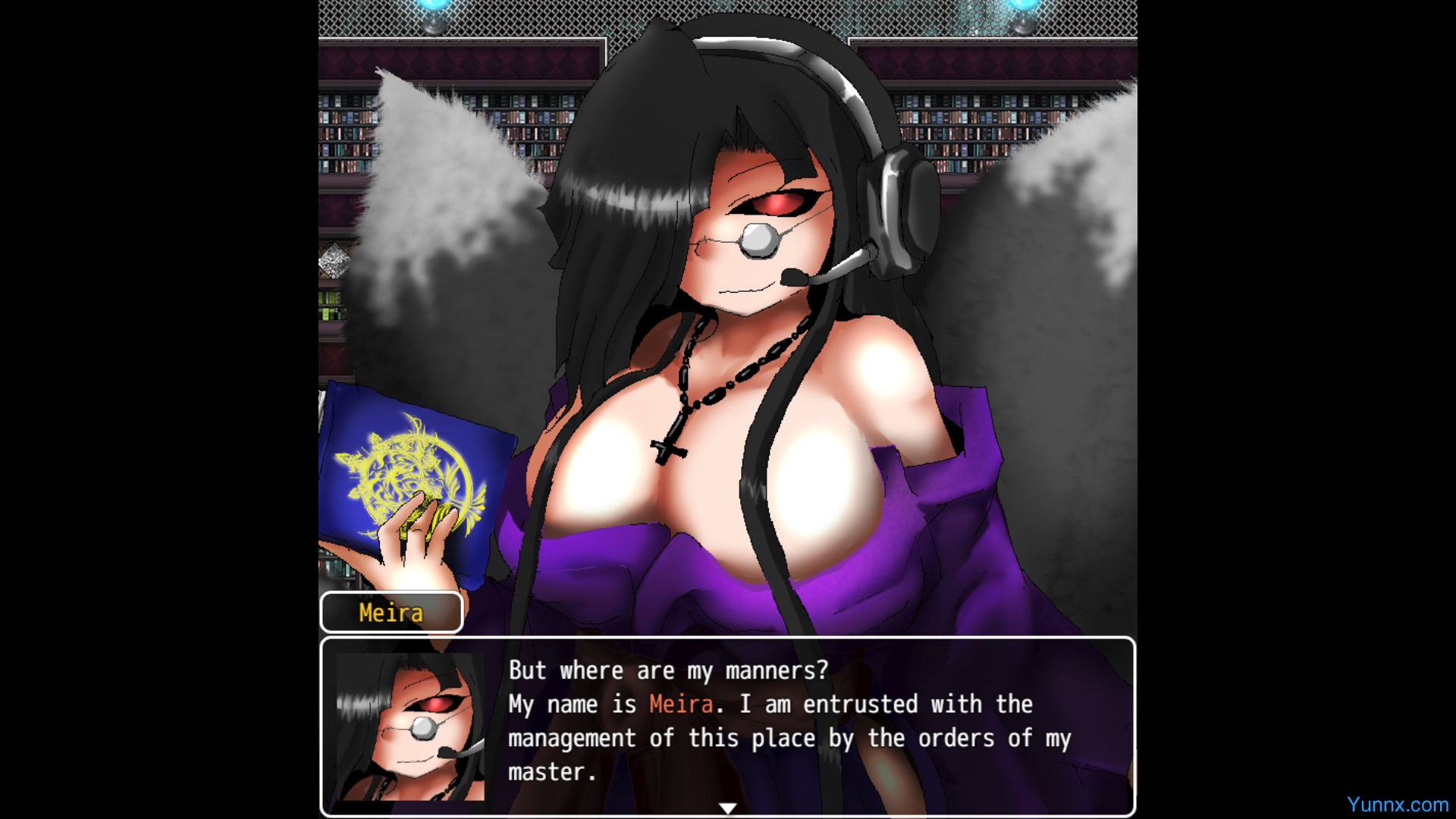
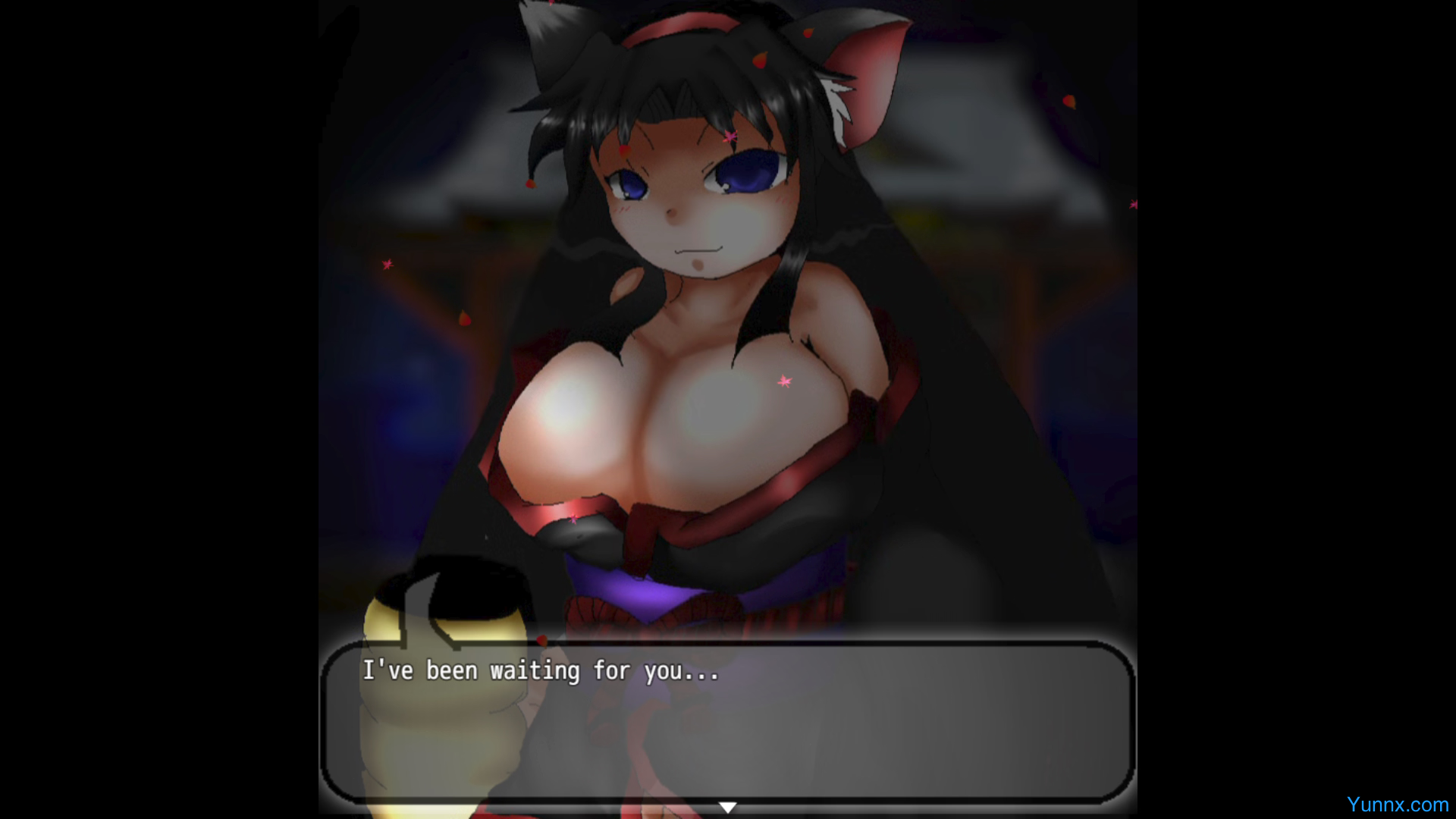
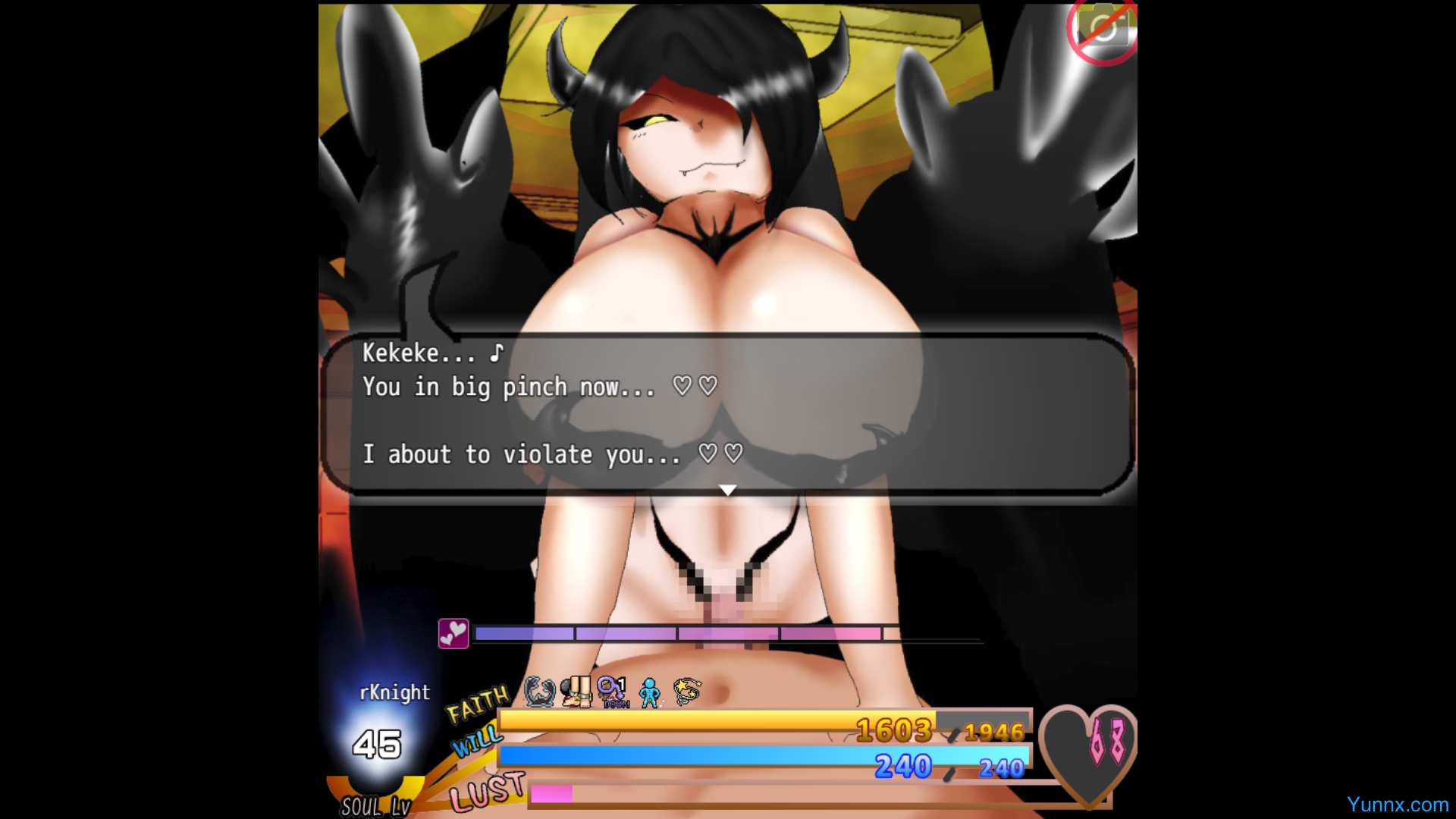
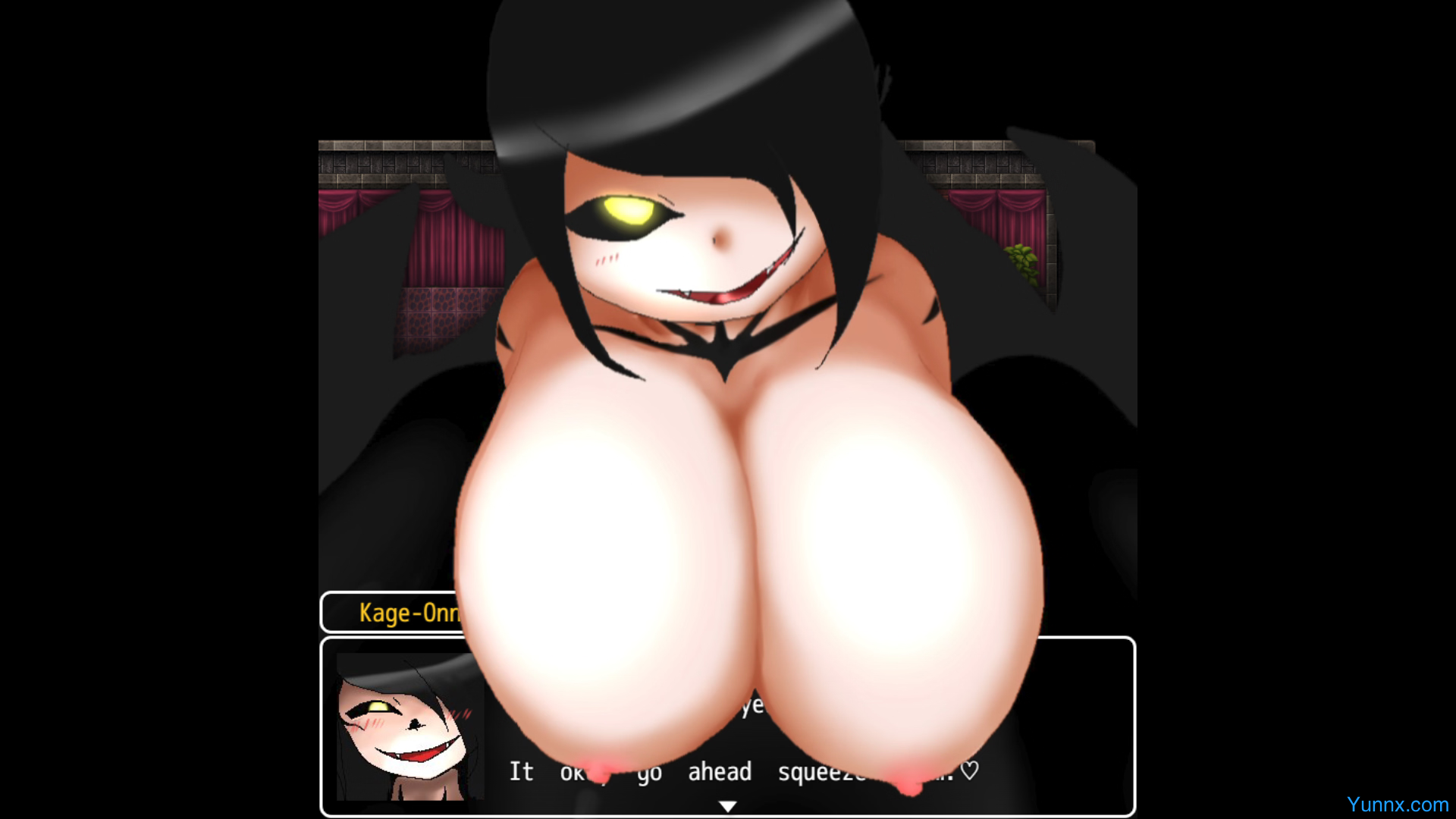
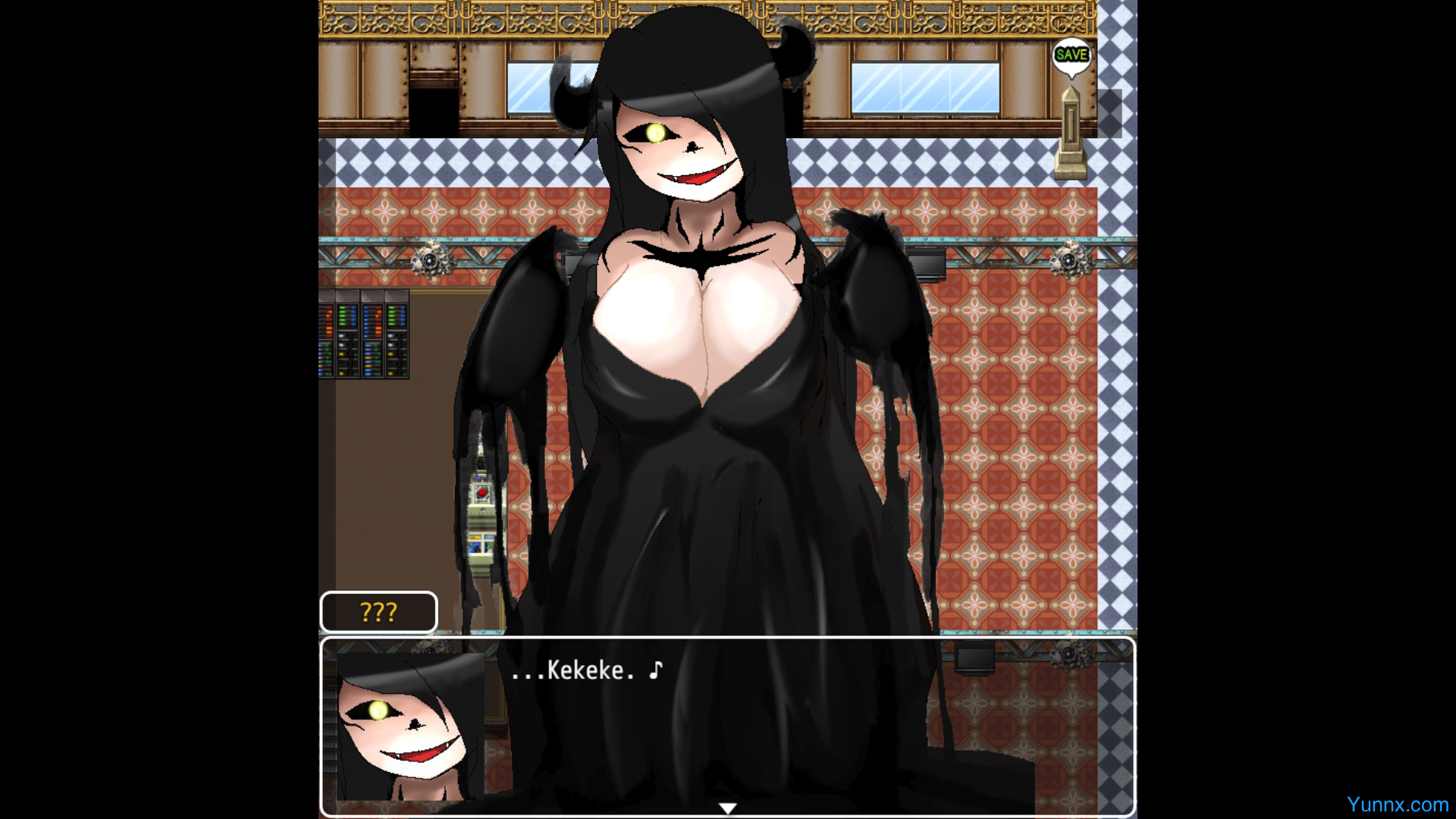
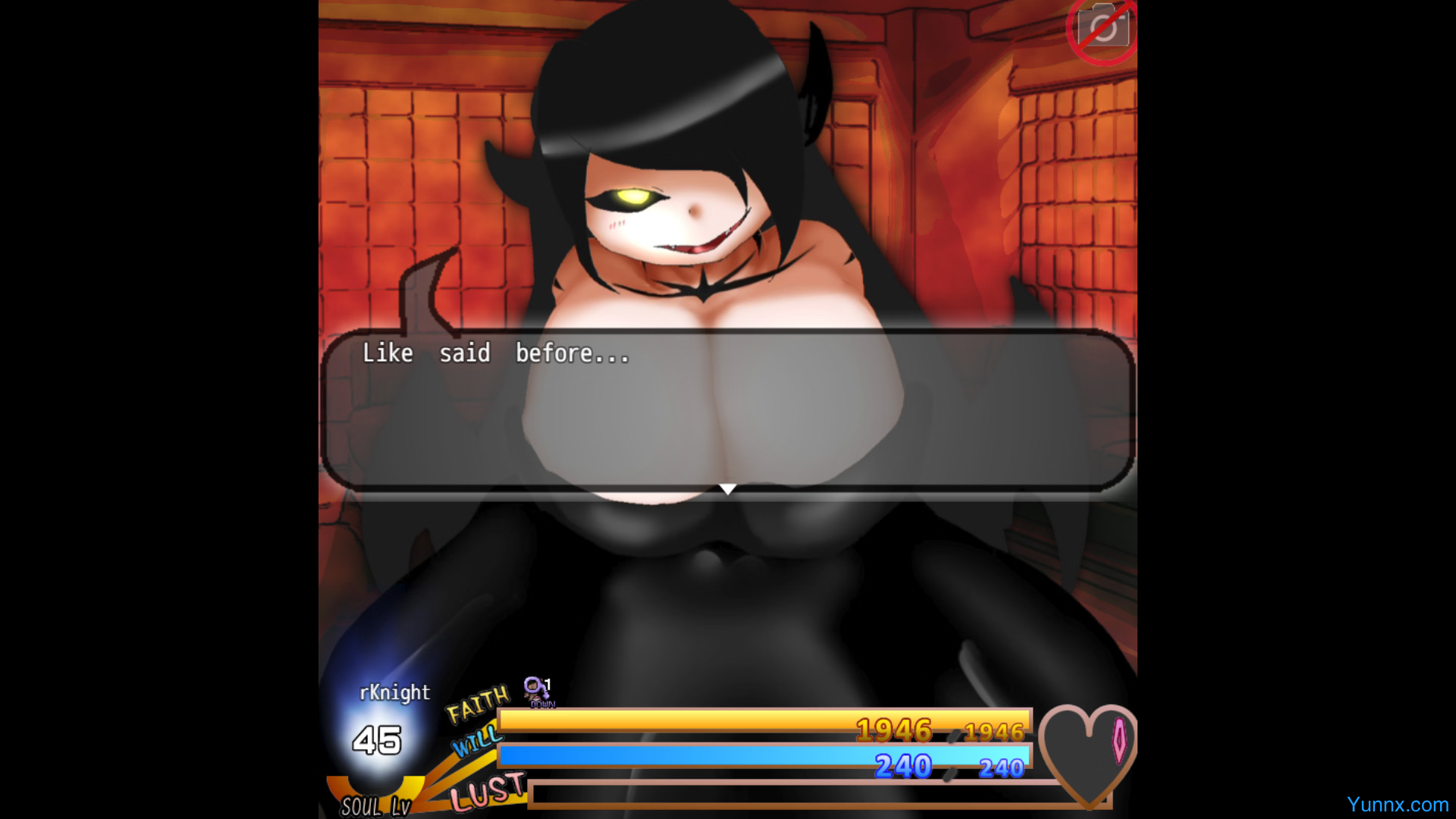
Shrift 2 is a dark RPG where demons force all myths to be proven true or false. As a young Church operative, you seek a "rescue ending" in a story without happy outcomes. Your choices determine which form of salvation emerges from despair.
🎭 A World of Mythological Chaos
• 1. Reality Reshaped by Demons: The appearance of demons has forced humanity to verify every myth as either true or false, collapsing old beliefs into a single global Church organization that maintains order.
• 2. Church Operative's Role: You play a young agent of the Church, navigating a decade before the events of the original Shrift, tasked with managing threats in this unstable world.
• 3. No Happy Endings: The narrative explicitly denies traditional happiness—instead, you pursue "rescue endings," where small salvations emerge through struggle or sacrifice.
⚔️ Choice-Driven Gameplay
• 1. Rescue Over Victory: Decisions focus on achieving morally complex "rescue" outcomes rather than victory. These are often bittersweet, emphasizing survival or emotional closure over triumph.
• 2. Demon Interaction Systems: Engage with demons through combat, negotiation, or bonding. Each entity has unique abilities (e.g., time manipulation or possession) requiring adaptive strategies.
• 3. Exploration & Puzzles: Investigate haunted towns and abandoned facilities, solving puzzles involving spiritual artifacts (e.g., collecting bahos/prayer sticks) and navigating warped spaces.
👥 Characters and Emotional Depth
• 1. Complex Companions: Interact with figures like Mukuro, a doll-like demon with temporal powers, or Yui, an inventor tied to biological experiments—each with hidden motives and backstories.
• 2. Trauma and Identity: Stories explore themes of sacrifice and identity, such as Akane, a少女 who became a sacrificial offering, revealed through diaries and environmental storytelling.
• 3. Relationship Dynamics: Build bonds through dialogue and gifts, affecting outcomes. For example, bonding with Lantern Plant reveals its desire for humanity, while Mother Rabbit offers maternal comfort.
🌌 Unique Narrative and Setting
• 1. Mythological Integration: Demons and lore draw globally, recontextualizing entities like Tengu or Vengeful Spirits with unique abilities and weaknesses within a modern, dark framework.
• 2. Non-Linear Storytelling: The plot rejects conventional happiness, forcing players to embrace tragic or ambiguous resolutions that challenge RPG tropes and emphasize emotional impact.
• 3. Atmospheric Design: Eerie settings like ghost towns and abstract "Abysses" are enhanced by first-person exploration and FMV cutscenes reminiscent of 90s horror adventures.