
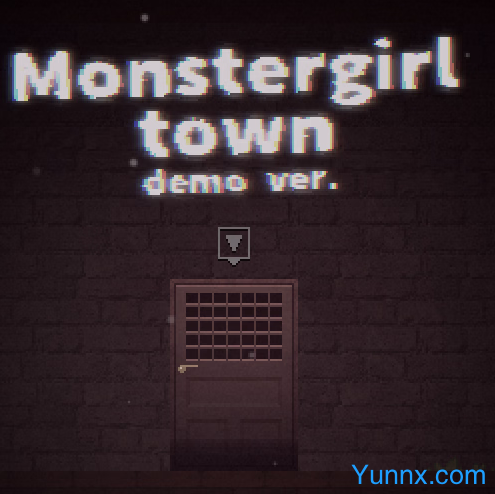
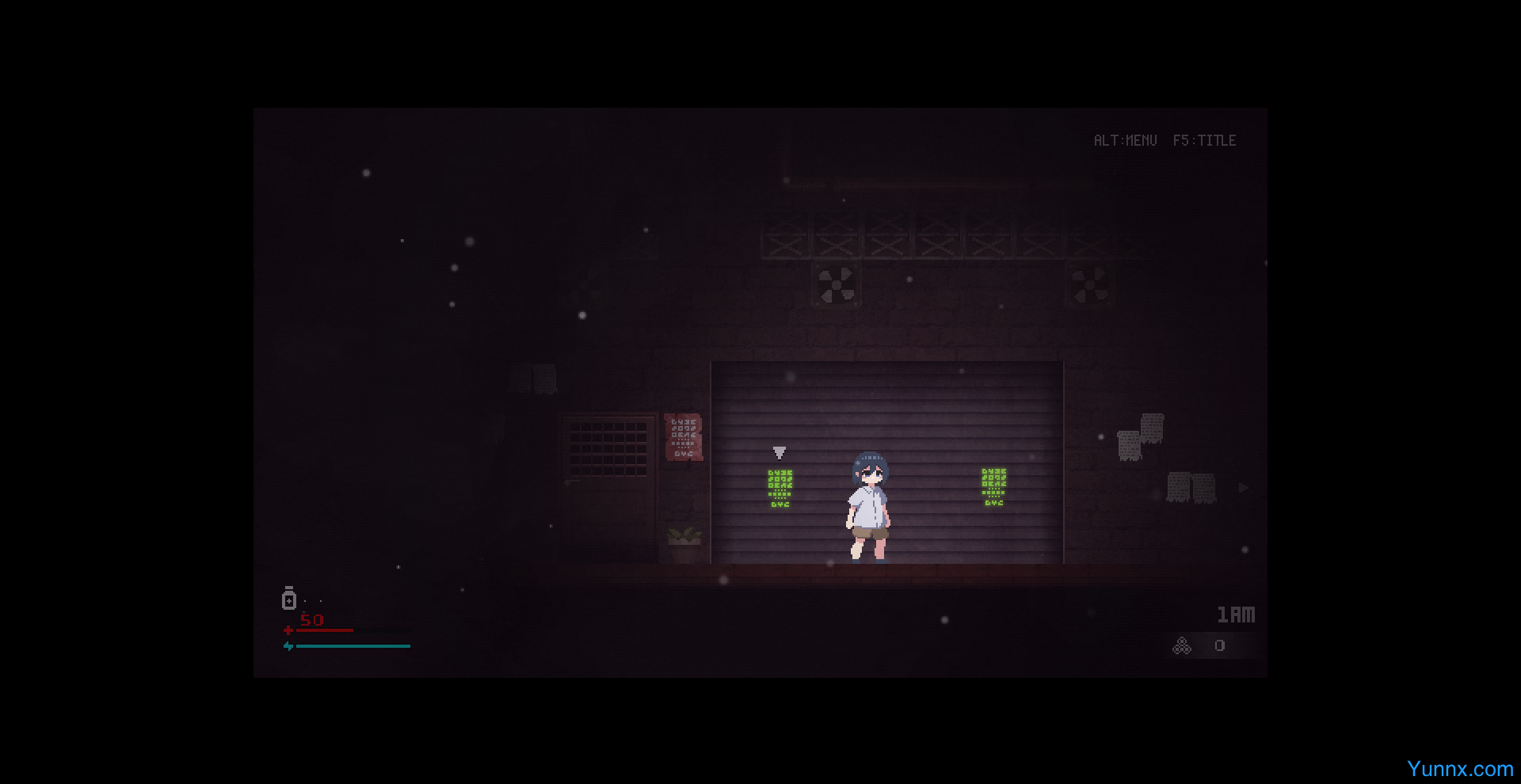
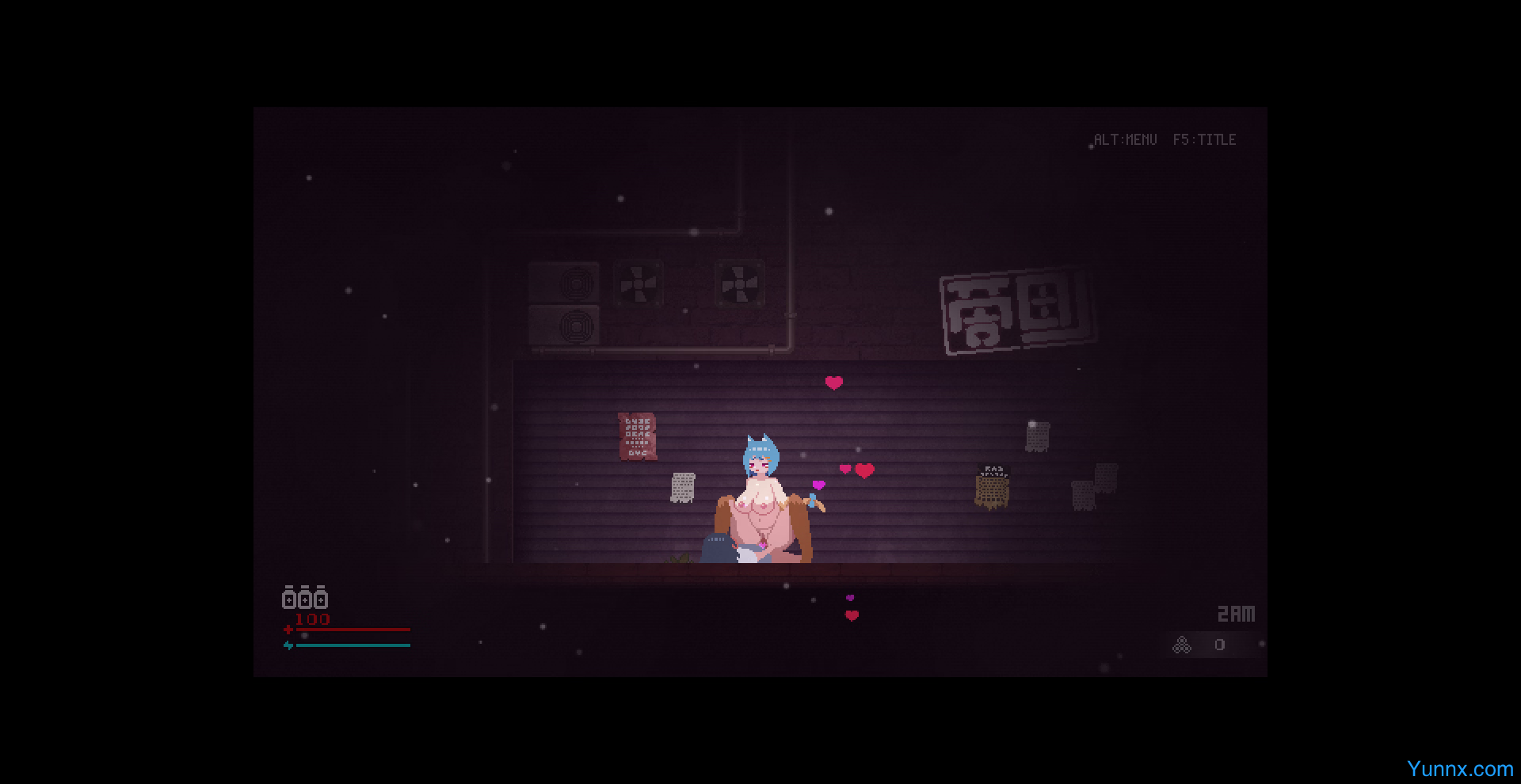
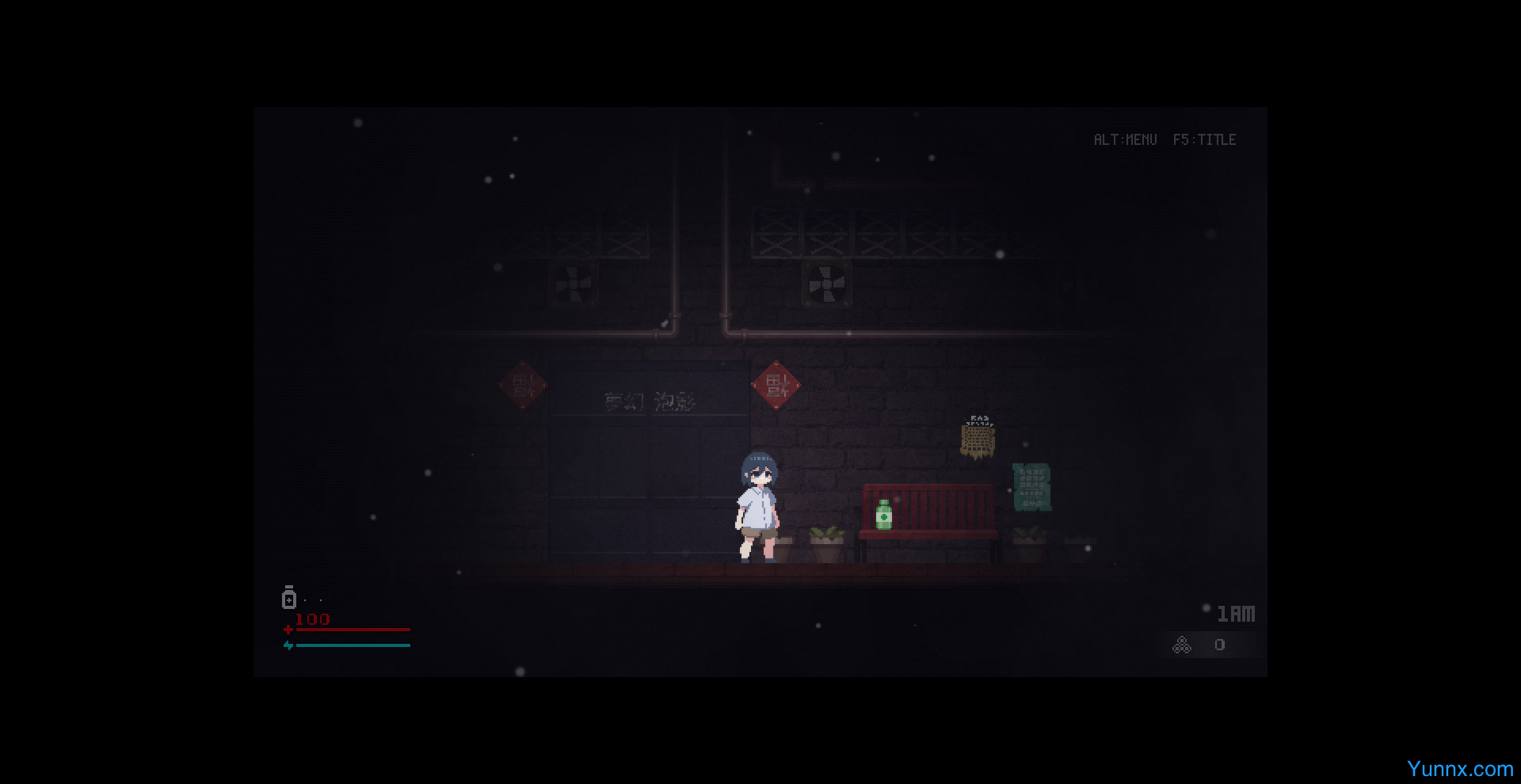
Enter the enigmatic realm of Monstergirl Town, a survival-adventure game set in a lawless zone shrouded in perpetual fog. As a boy trapped in a city overrun by experimental monster girls (MonMusume), you must unravel their ecology, navigate treacherous alliances, and uncover the truth behind the mysterious experiments to escape alive. With its blend of stealth, exploration, and psychological tension, every choice determines whether you survive or succumb to the town’s dark secrets.
Game World & Setting
Immerse yourself in a dystopian urban landscape where fog-cloaked streets and decaying architecture hide cosmic horrors and ecological twists.
1. Dynamic Fog Mechanics: The ever-present fog evolves based on in-game time and player actions, reducing visibility and enabling stealth—or triggering monster aggression during "thick fog" events. Hidden pathways and clues emerge only under specific fog conditions, rewarding strategic timing.
2. Ecological Zones: Districts within the town reflect unique monster ecosystems—e.g., the "Bio-Lab Zone" features mutated flora and trapped experiments, while the "Market District" hosts neutral monsters trading secrets for resources. Each zone requires adaptive tactics for survival.
3. Environmental Storytelling: Uncover the town’s history through scattered logs, distorted broadcasts, and monster behaviors. Piecing together clues reveals how experiments shattered the balance between humans and MonMusume, adding layers to the narrative.
Gameplay Mechanics
The game combines stealth, resource crafting, and branching dialogue to emphasize tension and player agency.
1. Stealth & Evasion: Avoid detection using fog-covered alleys, sound distractions, and environmental hides. A "Stress Meter" affects movement speed and decision accuracy—high stress risks panic attacks, alerting nearby monsters.
2. Monster Ecology Research: Study monster behaviors via observation or item collection (e.g., collecting scales or saliva). Completing research logs unlocks weaknesses, pacification methods, or dialogue options to manipulate interactions.
3. Crafting & Upgrades: Scavenge resources to create tools like fog lamps, tranquilizer darts, or protective gear. Upgrades are tiered based on progression, with end-game items requiring rare components from boss-like "Alpha Monsters."
Characters & Interactions
NPCs and monsters exhibit complex behaviors, blurring lines between enemy and ally.
1. Protagonist’s Evolution: The boy protagonist develops skills like "Empathic Listening" or "Biochemical Analysis" based on choices, influencing whether he resolves conflicts through diplomacy or force. Flashbacks reveal his connection to the experiments, shaping his motivation.
2. Monster Girl Diversity: Encounter diverse MonMusume with unique motivations—some hostile, others curious or seeking help. For example, a "Winged Siren" might trade safe passage for music fragments, while a "Clawed Guardian" tests your combat skills.
3. Faction Alliances: Choose to aid factions like the "Experiment Rebels" (seeking freedom) or "Order of Cleaners" (wiping out monsters). Alliances unlock exclusive quests and endings but may cut off other narrative paths.
Unique Features
Monstergirl Town distinguishes itself with systems that merge horror, empathy, and strategic depth.
1. "Ecology Resonance" System: Building trust with certain monsters unlocks temporary alliances, allowing them to assist in combat or exploration. Betraying them triggers relentless hunts, impacting the end-game.
2. Procedural Fog Events: Random events—like a "Howling Storm" that deafens players or a "Calm Clarity" revealing hidden truths—keep each playthrough unpredictable. These events tie into lore, explaining the fog’s supernatural origin.
3. Moral Ambiguity Mechanics: Choices lack binary "good/evil" labels. Stealing resources might save your life but doom NPCs, while aiding monsters could reveal tragic backstories or unforeseen consequences. The game tracks "Karmic Fog," visually distorting the world based on actions.