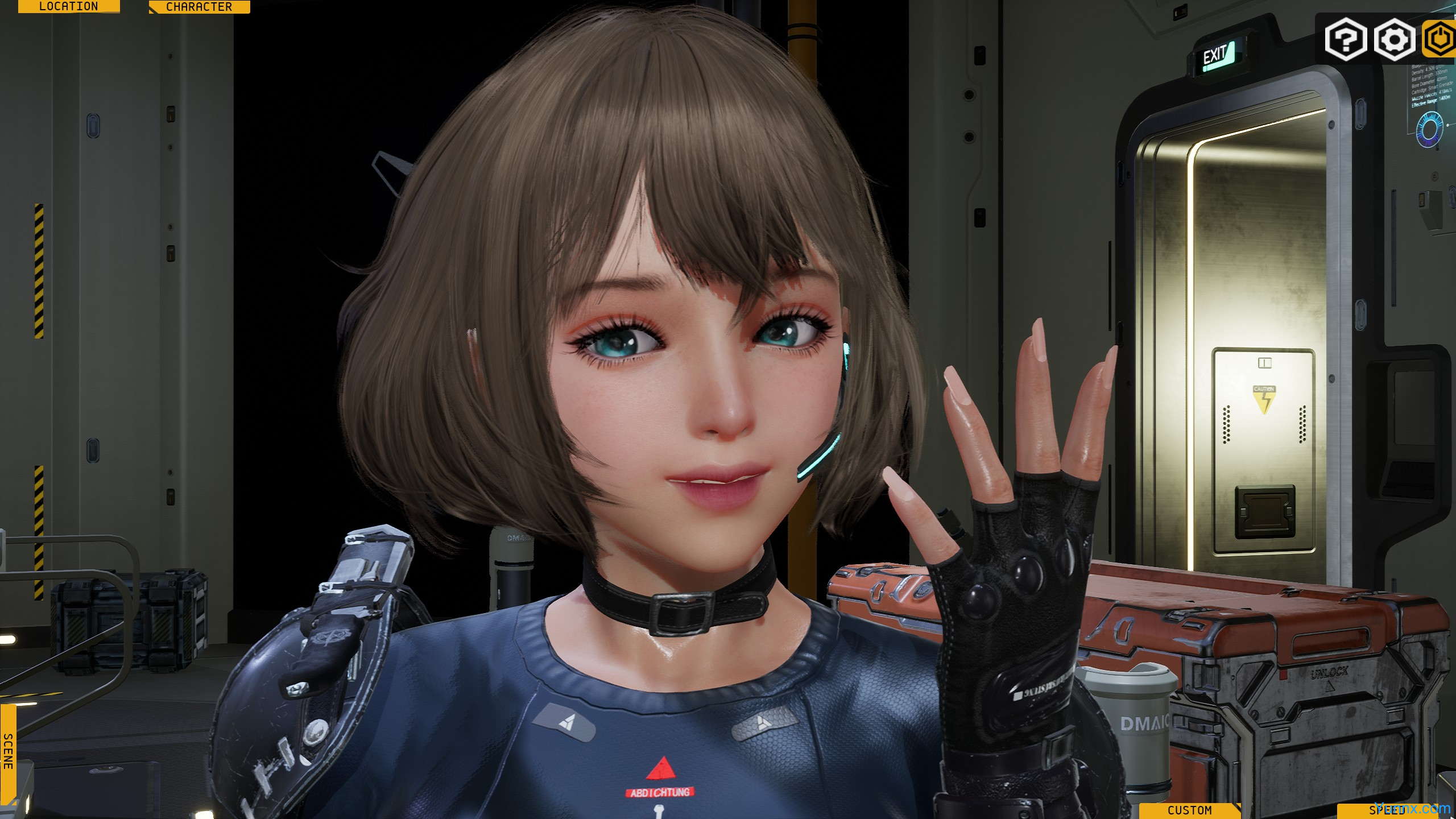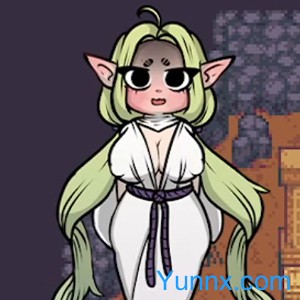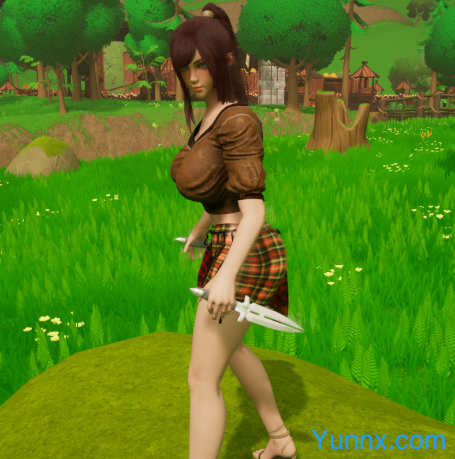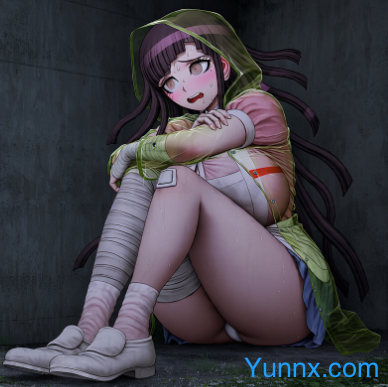
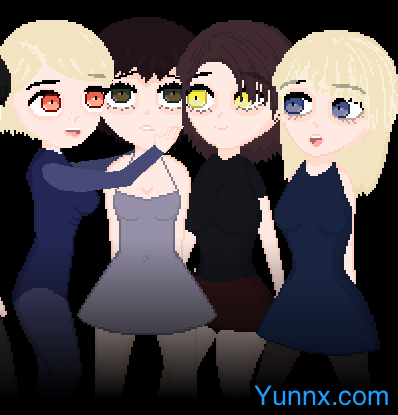
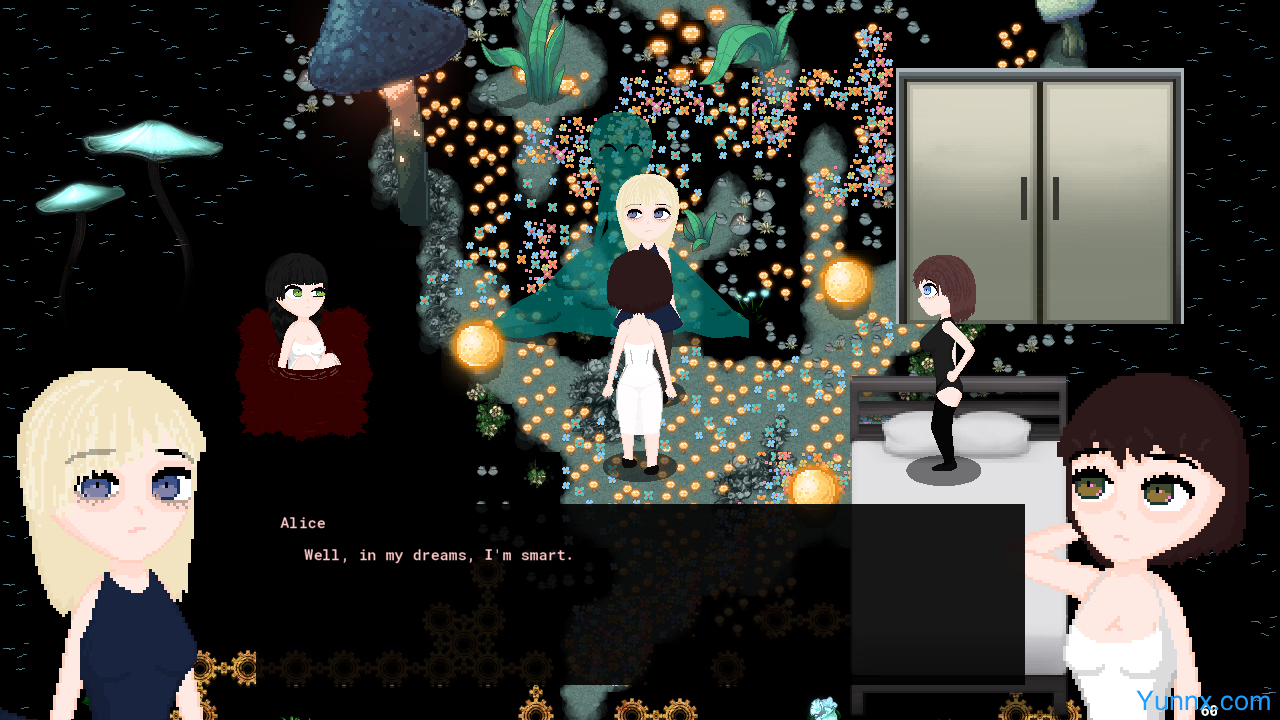
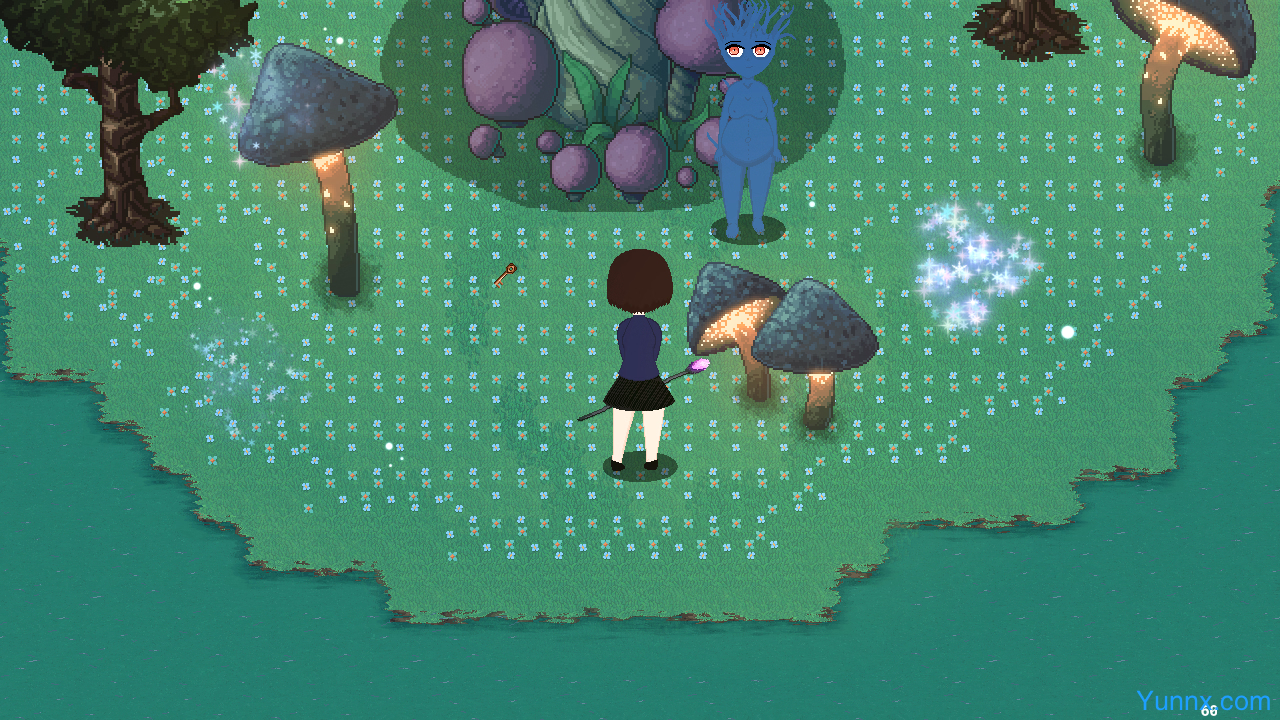
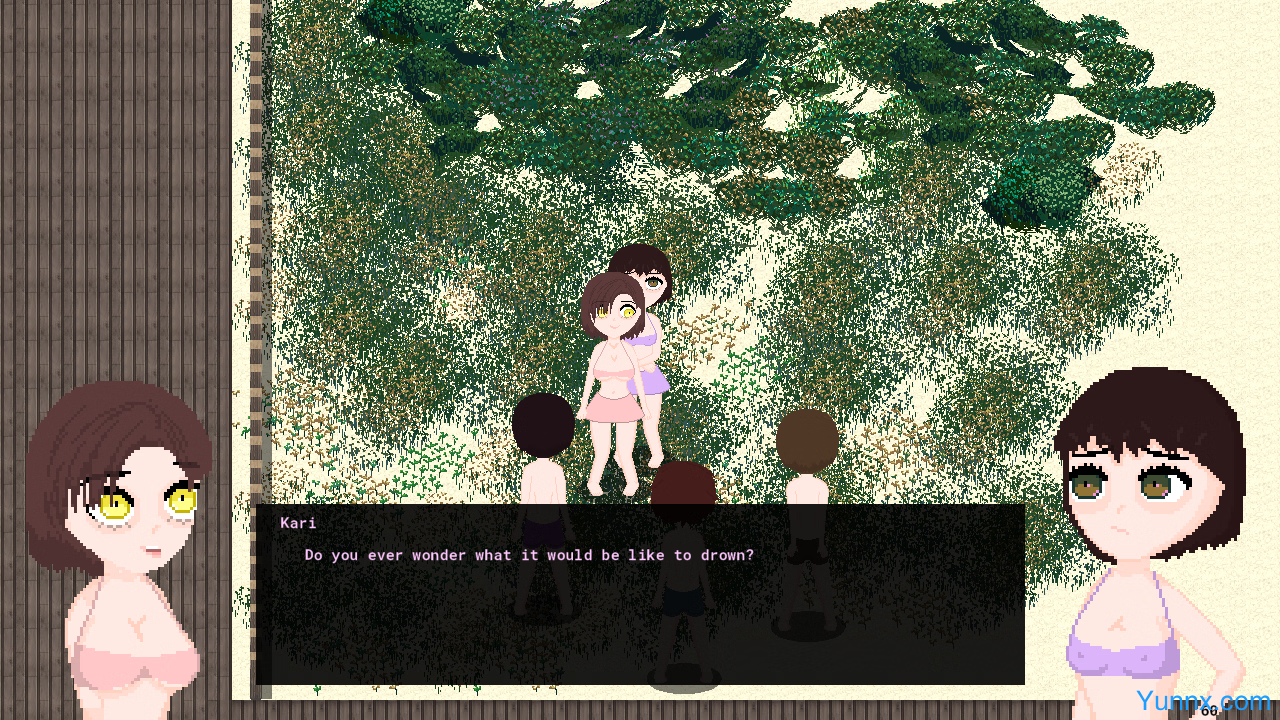
Plunge into Coffee Story, a surreal adventure where lewd dreams bleed into reality, forcing our protagonist to wake up as the mysterious girl from his visions. To reverse this transformation, he adopts a fake identity as a new girl at school, relying on friends Yuri, Kari, and Nanami—each hiding their own connections to the dreamworld. Inspired by Yume Nikki and LSD Dream Emulator, this game blends psychological horror, erotic themes, and reality-bending choices in a narrative that challenges perception and identity.
🌌 Surreal Narrative & Dream Mechanics
1. Reality-Dream Integration: Experience a world where dream events physically alter reality, from character transformations to environmental shifts. Choices in dreams (e.g., interacting with monsters or exploring surreal landscapes) directly impact the protagonist’s gender, relationships, and school life, creating a dynamic, non-linear story.
2. Psychological Depth: The plot explores trauma, identity, and escapism through characters like Yuri (seeking peace from nightmares), Nanami (using dreams as an escape), and Kari (hiding a fractured psyche). Their arcs intertwine with the protagonist’s struggle, unveiling secrets about the dreamworld’s origin.
3. Inspired Gameplay Homages: Mechanics pay tribute to Yume Nikki and .flow with pixel-art dream sequences, cryptic puzzles, and nightmarish entities. However, Coffee Story introduces "Dream Sync"—a system where recurring symbols in dreams unlock reality-altering abilities.
🎭 Character Dynamics & Relationships
1. Multi-Layered Bonds: Forge relationships with Yuri, Kari, and Nanami through dialogue choices that blur lines between reality and dreams. Helping Yuri confront nightmares might stabilize her mental state but accelerate the protagonist’s feminization, while supporting Nanami’s escapism could reveal hidden dream pathways.
2. Trust-Based Consequences: Each character’s "Reality Anchor" stat influences their susceptibility to dream corruption. Neglecting Kari’s fractured psyche might trigger hostile dream manifestations, while high trust unlocks cooperative abilities to manipulate both worlds.
3. Identity Management: As the protagonist, balance your dual life—attending school as a girl while investigating dream clues. Failures in deception (e.g., slipping with male mannerisms) raise suspicion, leading to social isolation or forced permanent transformation.
🎮 Gameplay & Exploration Systems
1. Dual-World Exploration: Navigate two interconnected realms: a mundane school life with time-management tasks (e.g., classes, social events) and a dreamworld filled with erotic monsters, puzzle zones, and collectible "Dream Fragments" that alter reality when assembled.
2. Transformation Mechanics: The male-to-female change is gradual, affecting gameplay. Early stages grant agility boosts for dream exploration, while near-complete transformation unlocks exclusive dialogue options and dream abilities but risks irreversible identity loss.
3. Puzzle Integration: Solve dream logic puzzles (e.g., aligning surreal symbols to open portals) and reality-based challenges (e.g., investigating school records for dream clues). Solutions often require collaborating with characters, whose dream knowledge varies.
✨ Visuals, Atmosphere & Replayability
1. Art Style Contrast: Reality uses soft, anime-inspired visuals with warm colors, while dreams employ glitchy pixel art, distorted landscapes, and NSFX creature designs. Transition sequences feature fluid morphing animations emphasizing the protagonist’s physical changes.
2. Multiple Endings: With 6+ endings tied to transformation progress, character relationships, and dream discoveries, replayability is high. Hidden endings require embracing full feminization or destroying the dreamworld, each with unique CGs and lore revelations.
3. Community-Driven Secrets: Easter eggs include dream codes shared online to unlock exclusive areas or characters. A "Dream Diary" feature lets players share their surreal experiences, influencing future updates.