
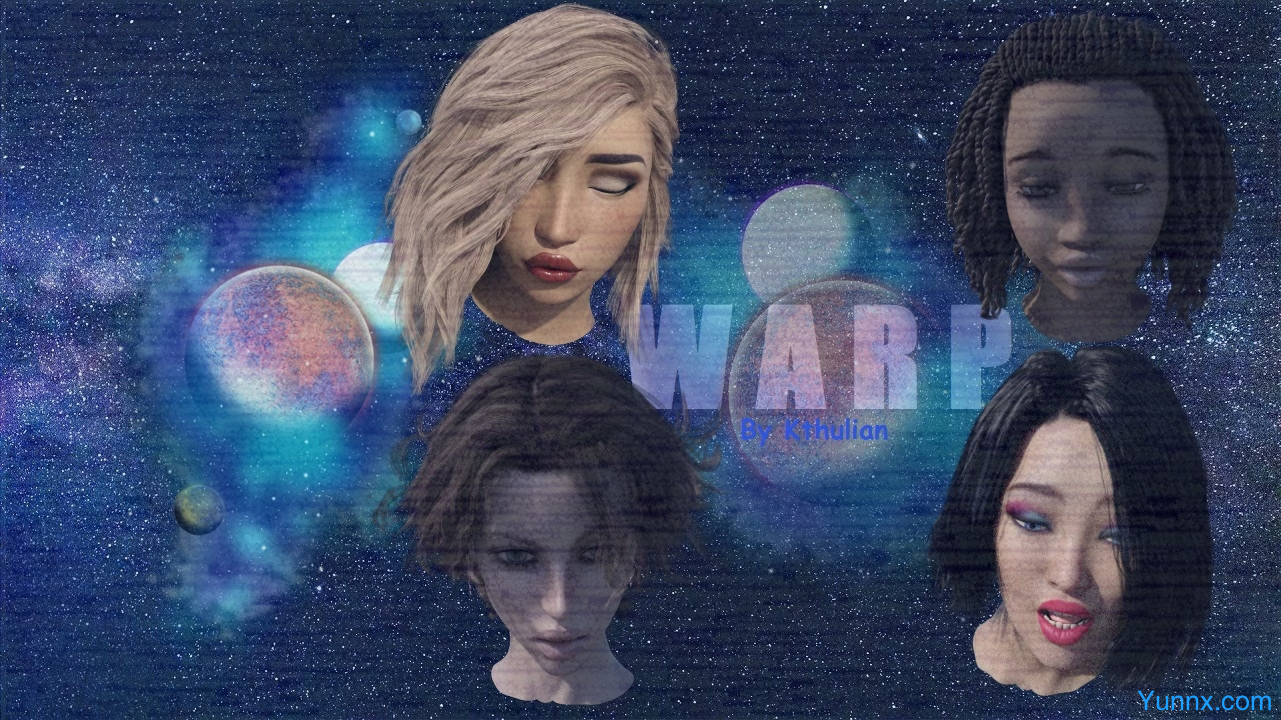
Warp thrusts players into the chaotic aftermath of a teleportation experiment gone wrong, where scientist James—separated from his girlfriend and reality—must navigate fractured dimensions to survive. Blending sci-fi puzzles with emotional storytelling, this passion project explores sacrifice, unintended consequences, and the cost of ambition. As a free community-driven experience, it invites players to shape its evolution through candid feedback.
Experimental Accident & Dimensional Survival
Teleportation Gone Rogue: James’s device malfunctions mid-test, scattering his consciousness across unstable dimensional layers. Players reassemble his physical form by solving physics-bending puzzles—like redirecting energy beams through collapsing portals—while avoiding "Entropy Fields" that decay his stability.
Girlfriend as the Anchor: James’s girlfriend remains in the lab, communicating via a glitching hologram. Her real-time guidance helps hack security systems or stabilize warp rifts, but her advice grows erratic as dimensional interference worsens, forcing players to question her directives.
Consequence-Driven Instability: Every solved puzzle alters James’s genetic code, granting temporary abilities (e.g., phase-walking through walls) but accelerating bodily corruption. Push too far, and limbs mutate into unusable ethereal forms—permanently locking routes.
Dimension-Hopping Mechanics & Environmental Storytelling
Fractal Level Design: Each dimension reflects James’s psyche: guilt manifests as labyrinthine office corridors filled with phantom colleagues; hope blooms in surreal gardens where light-based puzzles unlock repressed memories. Environments dynamically reconfigure when players fail, emphasizing desperation.
Warp Echo System: Residual energy from James’s device allows short time rewinds (5–8 seconds) to correct mistakes. However, overuse attracts "Chrono-Scavengers"—dimensional entities that stalk players by rewriting checkpoint saves.
Minimalist Interface Diegetics: Health is displayed as a cracking lab wristwatch; objectives appear as scribbled notes on James’s fraying coat sleeve. This subtle design immerses players in his vulnerability while emphasizing isolation.
Community-Centric Development & Replayability
Beta-Testing Integration: Players can submit bug reports as in-game actions—e.g., hacking terminals to log glitches—directly feeding data to developers. Significant feedback contributors gain their username etched into lore as "Rescue Team" logs.
Branching Narrative via Player Polls: Critical story choices (e.g., sacrifice a dimension to save the girlfriend?) are resolved through monthly community polls on F95Zone. Winning decisions permanently alter the game’s roadmap, making each playthrough a snapshot of collective input.
Corruption Seed System: New Game+ generates levels with "Corruption Seeds"—player-submitted mods (e.g., inverted gravity, monochrome filters) that randomize puzzles. This ensures no two runs feel identical while celebrating community creativity.