



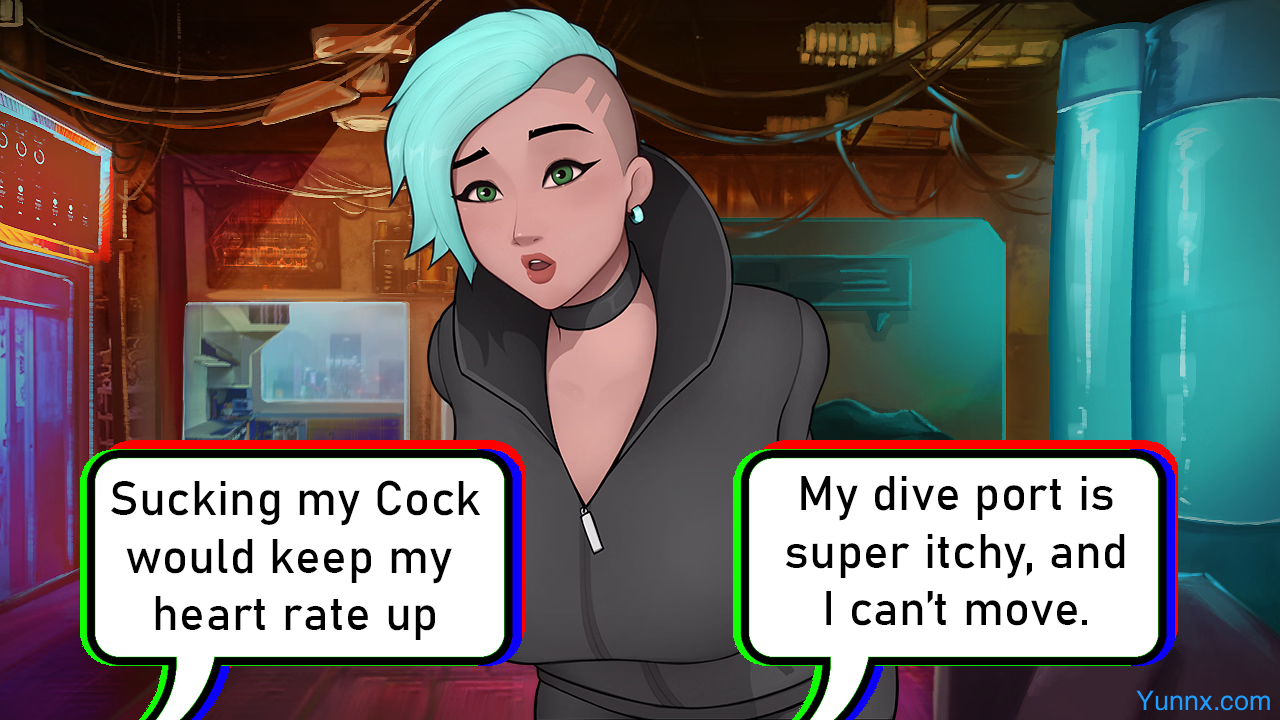
In Sleeve Shock, you awake in a corrupted backup sleeve after a mission gone disastrously wrong. With your consciousness glitching and vital signs crashing, survival hinges on your crew's ability to stabilize your heart rate through rapid interventions. This intense cyberpunk thriller blends survival horror, team strategy, and narrative urgency as you fight neural decay against the clock.
1. Neural Crisis & Crew-Based Survival
• Corrupted Upload Mechanics: Your damaged consciousness drifts between fragmented memories and shock-induced hallucinations. Crewmates must deploy stim-packs, rhythmic audio pulses, or physical interventions (e.g., cardiac massage) to prevent systemic collapse.
• Team Coordination: Assign roles dynamically—one member monitors biometrics, another administers adrenaline, while others fend off hazards. Failures cascade into seizures or neural burnout.
• Dynamic Vital Signs: A real-time EKG interface visualizes your instability. Crew actions directly alter its rhythm, turning medical minigames into adrenaline-fueled stakes.
2. Cyberpunk Storytelling & Consequences
• Memory Fragmentation: Recover mission-critical intel from corrupted data streams, where flashbacks reveal clues about enemy weak points or betrayals. Choices impact squad loyalty and endings.
• Sleeve Degradation: Each playthrough randomizes corruption effects—temporary paralysis, sensory overload, or phantom pain—demanding adaptive strategies from the crew.
• Moral Dilemmas: Sacrifice resources to stabilize you? Or prioritize the squad’s escape? These decisions forge branching narratives of sacrifice or survival.
3. Immersive Tech & Replayability
• Bio-Feedback Integration: Optional hardware support (e.g., pulse sensors) syncs players’ real heart rates to the game, intensifying immersion during critical moments.
• Procedural Collapse: No two shock states are identical. Variables like mission trauma, sleeve quality, and crew cohesion generate unique crises per session.
• Sleeve Customization: Unlock advanced synthetic bodies with perks (e.g., shock resistance) but trade-offs (e.g., reduced empathy affects dialogue outcomes).