



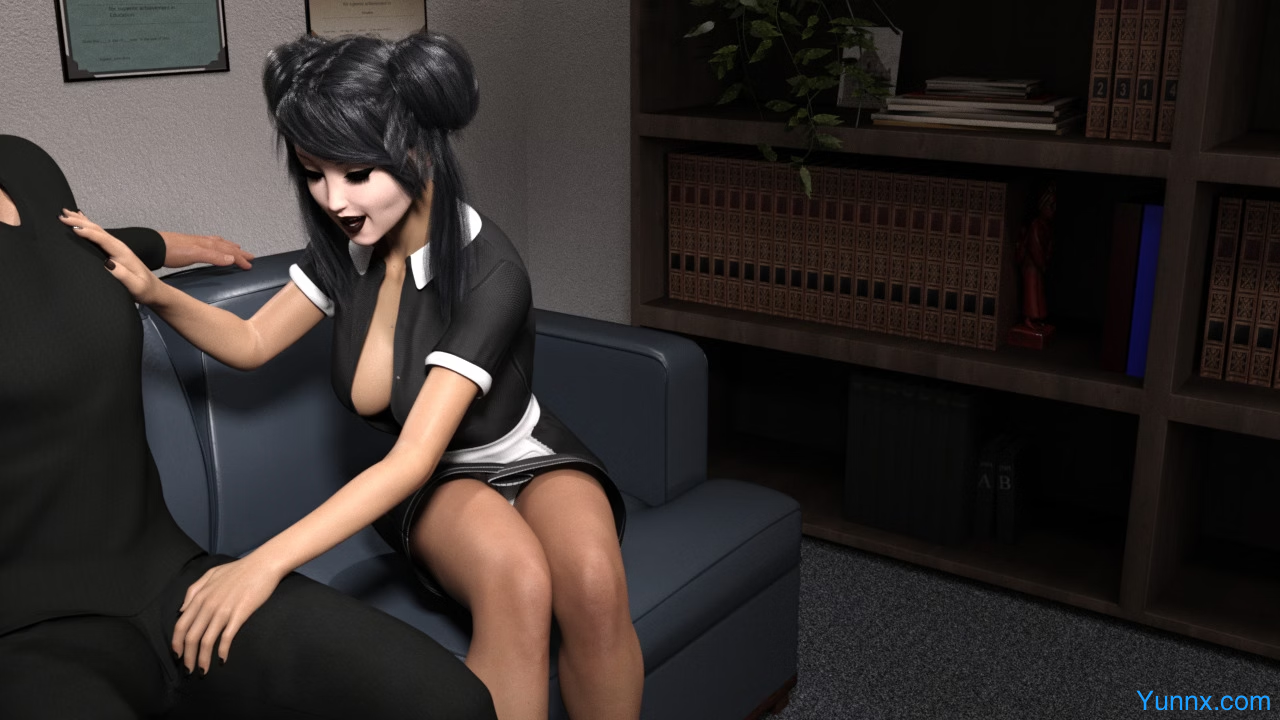

Meet Mr. Rogers: a mid-career professional thrust into the chaos of reviving The Grand Meridian, a once-grand hotel now teetering on closure. What begins as a straightforward task of balancing budgets and boosting occupancy evolves into an unexpected journey of connection, redemption, and self-discovery—where every spreadsheet decision bleeds into the lives of the people who call the hotel home.
A Story First, a Game Second: More Than Just Spreadsheets
Gone are the days of rigid resource-management drills. While elements like budgeting, staff scheduling, and guest satisfaction remain, they serve a larger purpose: to fuel a narrative brimming with heart, conflict, and growth.
1. Narrative-Driven Choices: Every decision—from cutting costs on room service to investing in staff training—shapes not just the hotel’s fate, but the relationships you build. Will you prioritize profit or empathy? The answer ripples through subplots involving a struggling single parent staying in Room 207, a retired actor haunting the lobby bar, and a mysterious traveler with a hidden past.
2. Authentic Hotel Life: Immerse yourself in the gritty details of hospitality: mediating a couple’s fight in the honeymoon suite, troubleshooting a broken AC during a heatwave, or curating a local art exhibit to attract a new crowd. These moments feel real because they’re rooted in the chaos of running a small business.
3. Emotional Stakes: The hotel isn’t just a setting—it’s a character. Its peeling wallpaper, creaky elevator, and overgrown garden mirror the state of its staff and guests. Reviving it becomes a metaphor for healing: can you mend broken systems and broken people along the way?
Characters Who Feel Like Family (and Maybe More)
While secretary Sophie starts as your first confidante—sharp-tongued, fiercely loyal, and hiding a dream of opening her own bakery—The Grand Meridian is full of women (and men) whose stories demand attention.
1. Sophie’s Hidden Depths: Beyond her quick wit lies a vulnerability: she’s been burned by past relationships and fears commitment. Your support (or neglect) could push her to take a leap—like applying for a culinary grant—or retreat further into her shell.
2. The Rest of the Roster: There’s Clara, the veteran housekeeper with a knack for reading guests’ moods (and a penchant for gossip); Priya, the tech-savvy front-desk manager fighting to modernize the hotel’s outdated systems; and Lena, a free-spirited event planner whose “unconventional” ideas might just save the hotel’s reputation. Each has her own goals, flaws, and secrets.
3. Your Relationships Define the Journey: Romance isn’t forced—it grows organically from shared late nights, mutual respect, or even friendly debates over the hotel’s new menu. But be warned: prioritizing one character’s arc might mean missing out on another’s. The choice is yours, and the emotional payoff is worth it.
Your Voice Shapes the Game: A Community-Built Experience
The Hotel Manager was born from a desire to listen—and that ethos continues long after launch. Thanks to Patreon support, players aren’t just spectators; they’re collaborators.
1. Patreon Drives Development: Backers vote on which characters get expanded storylines (want more of Priya’s tech struggles? Or Lena’s event-planning chaos?). They also suggest plot twists, like a surprise wedding at the hotel or a rival chain threatening to buy out The Grand Meridian.
2. Feedback Loops Matter: Early players’ input already shaped adjustments—like expanding Sophie’s subplot after fans connected with her bakery dreams, or adding a “casual mode” for players who prefer story over spreadsheets. Your reviews, comments, and ideas directly influence future updates.
3. A Game That Grows With You: As the community suggests new features—think seasonal events (holiday pop-ups, summer music festivals) or deeper staff management mechanics (The Grand Meridian could use a barista!)—the game evolves. This isn’t a static experience; it’s a living, breathing project shaped by the people who play it.